Pevita Pearce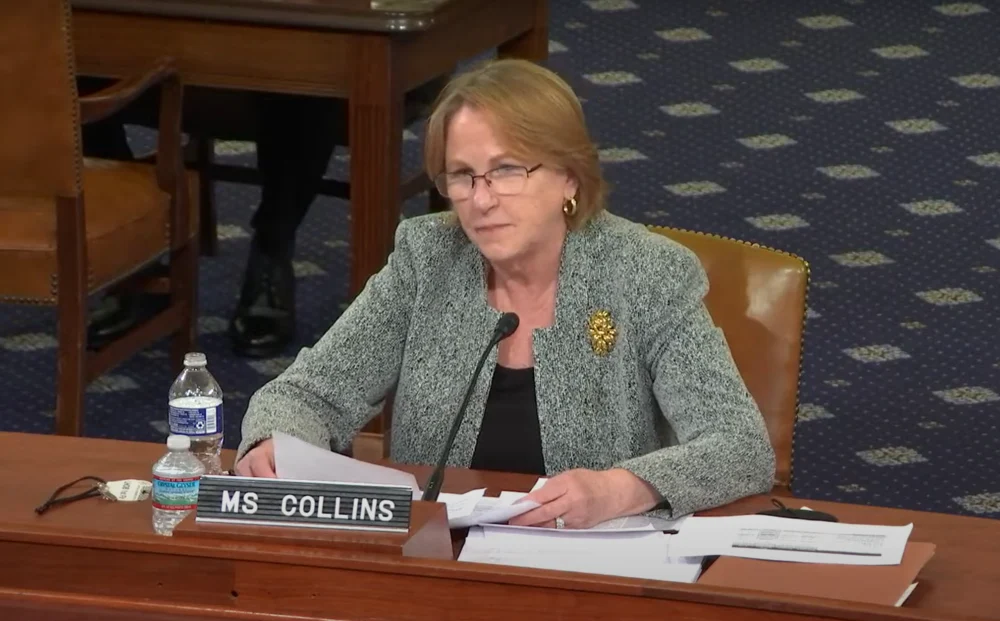
WASHINGTON D.C. – In a significant move aimed at overhauling the Internal Revenue Service (IRS) and improving the taxpayer experience, leaders of the Senate Finance Committee have introduced a comprehensive, bipartisan bill. The 162-page legislative proposal, titled the Taxpayer Assistance and Service Act, seeks to modernize IRS procedures, streamline administrative processes, and bolster taxpayer rights. This landmark legislation is the culmination of extensive discussions and incorporates a variety of previously introduced tax administration reform bills, alongside crucial recommendations from the National Taxpayer Advocate.
The bill’s introduction on Thursday marks a pivotal moment in the ongoing efforts to address long-standing challenges within the nation’s tax agency. For years, taxpayers and tax professionals have voiced concerns about the IRS’s capacity to handle the complexities of the modern tax system, citing issues ranging from lengthy phone wait times and slow processing of returns to difficulties in accessing personalized assistance. The Taxpayer Assistance and Service Act directly confronts these issues by proposing a multi-faceted approach to modernization and improved service delivery.
At the forefront of the proposed reforms are initiatives designed to digitize tax return processing and enhance online taxpayer services. Recognizing the increasing reliance on digital platforms, the bill advocates for the expanded digitization of tax returns, a move expected to accelerate processing times and reduce the potential for manual errors. Furthermore, it proposes the creation of a public-facing dashboard that will provide real-time information on IRS call volume, average wait times, and resolution rates. This transparency measure is intended to equip taxpayers with a clearer understanding of IRS service levels and manage expectations. The legislation also aims to expand the capabilities of taxpayers’ online accounts, offering more self-service options and easier access to tax-related information and documents.
"The process of filing your tax return and receiving your refund should be simple and fast," stated Senate Finance Committee Chairman Michael D. Crapo, R-Idaho, in a press release accompanying the bill’s introduction. "These reforms will improve the taxpayer experience and help the IRS better serve Idahoans and all Americans."
The bipartisan nature of the bill, co-sponsored by Ranking Democrat Ron Wyden of Oregon, underscores a shared commitment across the political aisle to address the IRS’s operational inefficiencies and improve its relationship with the American public. This collaborative effort is particularly noteworthy in the current political climate, suggesting a strong potential for the bill’s passage.
Beyond service improvements, the Taxpayer Assistance and Service Act also includes provisions aimed at strengthening the integrity of the tax preparation profession. The legislation proposes increasing penalties for tax preparers who engage in improper conduct, a measure designed to protect taxpayers from fraudulent or negligent practices. Additionally, it introduces more stringent regulations for obtaining a Preparer Tax Identification Number (PTIN), a credential required for anyone who prepares or assists in preparing federal tax returns for compensation. This provision is expected to enhance oversight of tax preparers and ensure a higher standard of professional conduct.
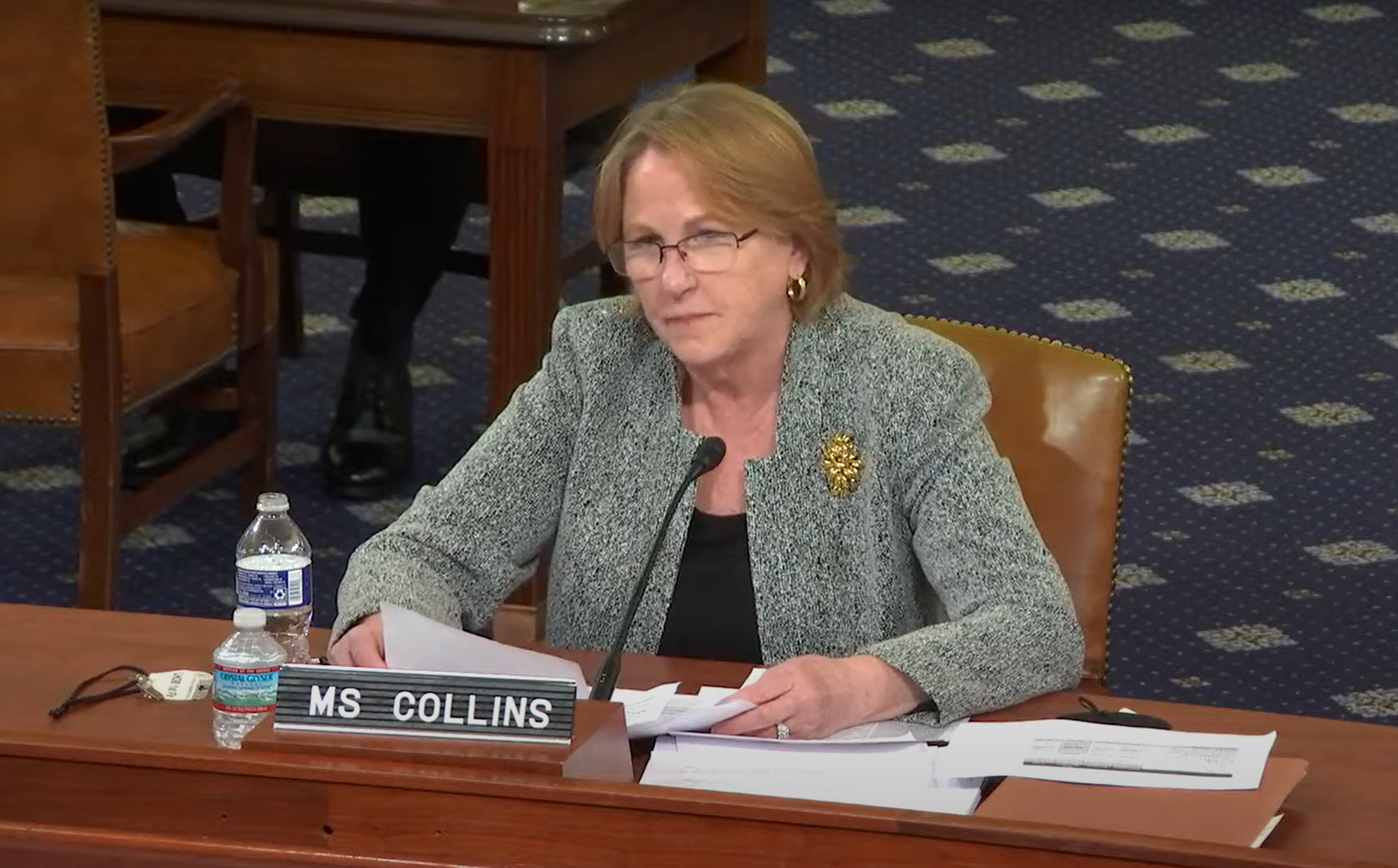
Erin Collins, the National Taxpayer Advocate, lauded the bill’s introduction, stating it "would strengthen taxpayer rights, reduce taxpayer burden and improve tax administration." Collins, who leads the independent office within the IRS tasked with representing taxpayer interests, emphasized that the measure "incorporates dozens of commonsense proposals to make tax administration fairer, more transparent and more responsive to taxpayers." Her office’s direct input into the bill’s development highlights its focus on addressing the most pressing taxpayer concerns.
One particularly non-controversial element of the bill is its provision to extend tax deadlines for Americans held as hostages and for individuals who are wrongfully detained abroad. This humanitarian measure aims to alleviate the tax-related burdens faced by individuals in dire circumstances. Lawmakers had previously attempted to pass this provision in 2024, but it was derailed when bundled with a more contentious measure that would have granted the IRS broader authority to revoke tax-exempt status for organizations supporting terrorism. That earlier bill faced significant Democratic opposition due to concerns that it could be misused by political figures to target dissenting nonprofit organizations. The successful separation of the humanitarian provision into this broader, bipartisan package significantly increases its likelihood of enactment.
The National Association of Tax Professionals (NATP) has publicly voiced its support for the Taxpayer Assistance and Service Act. In a statement released on February 26th, the organization commended the Senate Finance Committee leadership for advancing legislation that promotes stronger tax administration, enhanced transparency, and modernized IRS services for both taxpayers and tax professionals.
"As Congress continues efforts to improve oversight and accountability within the tax system, NATP believes strong professional standards, including a continuing education requirement for paid tax return preparers, must remain central to reform," the NATP stated. The organization specifically endorsed the inclusion of a continuing education requirement tied to PTIN eligibility. This, they argue, is crucial to ensuring that tax preparers remain current on the ever-evolving landscape of tax law and compliance obligations. "Tax law changes frequently. Ongoing education protects taxpayers, limits preventable errors, and promotes confidence in the integrity of the tax system," the statement continued.
Scott Artman, CPA, CGMA, CEO of NATP, reinforced this sentiment. "The strength of the U.S. tax system depends on knowledgeable, ethical preparers who stay current and take responsibility for their work," he said. "Modernization matters, but meaningful education standards and fair oversight are essential to protecting taxpayers and maintaining trust in the profession."
Background and Context of IRS Challenges
The IRS has faced considerable scrutiny in recent years due to a confluence of factors. Declining budgets, coupled with increased legislative mandates and a growing complexity in tax laws, have strained the agency’s resources and capacity. For instance, data from the Transactional Records Access Clearinghouse (TRAC) at Syracuse University has consistently highlighted the impact of budget cuts on IRS staffing levels and audit rates. In the fiscal year 2022, for example, the IRS closed fewer audits of large corporations than in previous years, a trend attributed by many to a reduced workforce.
The COVID-19 pandemic further exacerbated these issues, leading to a surge in tax filings and a significant backlog of unprocessed returns and correspondence. Taxpayers frequently reported exceptionally long wait times when trying to contact the IRS by phone, with average hold times often exceeding an hour. The agency’s own internal reports and the annual reports from the National Taxpayer Advocate have repeatedly documented these systemic challenges, underscoring the urgent need for legislative intervention.
The Taxpayer Assistance and Service Act is thus not merely an administrative update but a response to years of accumulating operational difficulties that have impacted millions of Americans. The proposed digital enhancements and service metrics aim to bring the IRS into the 21st century, aligning its operations with the expectations of a digitally-native populace.
Key Provisions and Their Potential Impact
The proposed legislation addresses several critical areas:
- Digitization and Technology Modernization: This includes investing in technology to process tax returns more efficiently, potentially reducing processing times from months to weeks or even days for certain filings. The expansion of online accounts aims to empower taxpayers to manage their tax affairs more effectively, from making payments to accessing account transcripts and responding to IRS notices online.
- Enhanced Taxpayer Service: The creation of a public dashboard for IRS call volume and wait times is a significant step towards accountability and transparency. This could incentivize the IRS to improve its customer service metrics and provide taxpayers with more accurate information about service availability.
- Tax Preparer Oversight: The increased penalties and stricter PTIN regulations are designed to elevate the standards of the tax preparation industry. This could lead to fewer errors on tax returns, reducing the burden on both taxpayers and the IRS to correct mistakes. It also aims to protect vulnerable taxpayers from unscrupulous preparers.
- Humanitarian Tax Relief: The inclusion of extended deadlines for hostages and wrongfully detained individuals addresses a critical gap in existing tax law, ensuring that those facing extreme duress are not penalized for circumstances beyond their control.
- Fairness and Transparency: By incorporating recommendations from the National Taxpayer Advocate, the bill seeks to embed principles of fairness and transparency throughout IRS operations, ensuring that taxpayer rights are protected and that the agency operates with greater public trust.
Broader Implications for the Tax System
The successful passage and implementation of the Taxpayer Assistance and Service Act could have profound implications for the U.S. tax system. A modernized and more responsive IRS could lead to increased voluntary compliance, as taxpayers find it easier to understand and meet their obligations. Improved taxpayer services could also reduce the burden on tax professionals, allowing them to focus more on strategic tax planning and advice rather than administrative hurdles.
Furthermore, by strengthening oversight of tax preparers, the bill could contribute to a more robust and trustworthy tax profession. This, in turn, would bolster the overall integrity of the tax system, ensuring that it operates fairly and efficiently for all Americans. The bipartisan nature of the bill also sets a positive precedent for future legislative efforts aimed at improving government operations and public services.
The legislation’s path forward will now depend on its consideration by the full Senate and subsequent passage through the House of Representatives. Given the broad support already indicated by key stakeholders and the bipartisan sponsorship, the Taxpayer Assistance and Service Act appears well-positioned to navigate the legislative process and usher in a new era for IRS operations and taxpayer engagement.