Nila Kartika Wati
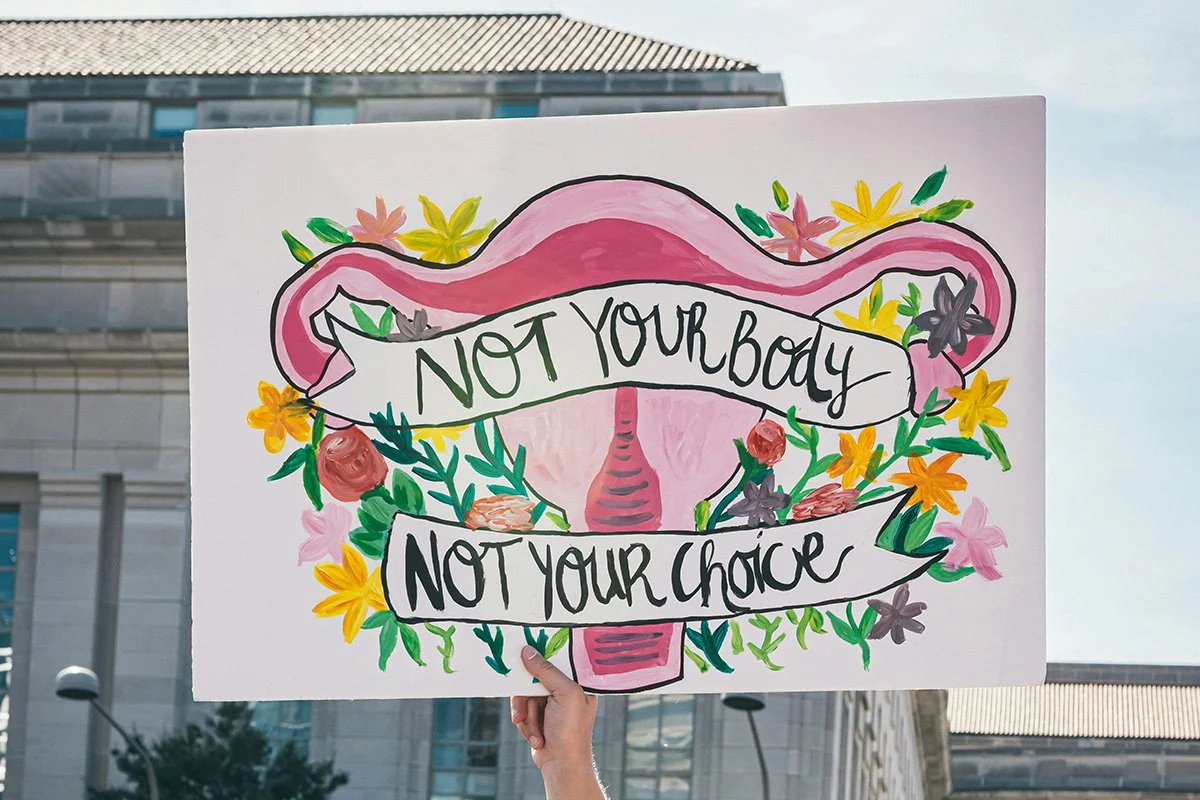
The landscape of reproductive healthcare in the United States is currently undergoing its most significant transformation in a half-century. Since the Supreme Court’s 2022 ruling in Dobbs v. Jackson Women’s Health Organization, which overturned the federal constitutional right to abortion, a complex web of state-level restrictions, criminal investigations, and civil litigation has emerged. This shift has not only targeted patients but has extended to their families, friends, and healthcare providers. While the current legal environment is often characterized as unprecedented, historians and advocates point to a 250-year trajectory of state intervention in reproductive matters, particularly targeting the practices of Indigenous and Black communities.
The Contemporary Legal Struggle and the Revival of "Zombie Laws"
The post-Dobbs era is defined by a highly coordinated strategy to curtail reproductive access, even in jurisdictions where such care remains legal. Central to this strategy is the targeting of mifepristone, a medication used in more than 60 percent of all abortions in the United States. Despite a long-standing safety record, the Food and Drug Administration (FDA) is currently reviewing the medication’s safety protocols under pressure from anti-abortion advocates.
One of the most notable developments in the current legal "lawfare" is the revival of the Comstock Act of 1873. Long considered a "zombie law"—an unenforced statute remaining on the books—this 19th-century anti-vice law prohibits the mailing of "obscene, lewd, or lascivious" materials, which historically included contraceptives and abortifacients. Modern legal scholars and conservative activists suggest that the Act could be leveraged to criminalize the distribution of medication abortion and medical equipment nationwide, bypassing state-level protections.
In response, several states have enacted "shield laws" designed to protect providers from out-of-state legal actions. However, these protections are increasingly under threat. In states like Texas and Louisiana, officials have explored civil and criminal actions against out-of-state providers, arguing that the impact of their services is felt within jurisdictions where abortion is banned.
A Chronology of Reproductive Regulation in America
To understand the current friction, it is necessary to examine the timeline of reproductive care and its subsequent regulation:
- Pre-1600s – 1800s: Indigenous and enslaved African healers utilize extensive botanical knowledge (e.g., black cohosh, cotton root, pennyroyal) for fertility management and reproductive care.
- 1840s – 1860s: The American Medical Association (AMA) is formed; a concerted effort begins to professionalize medicine and marginalize traditional midwives, particularly Black "granny midwives" in the South.
- 1873: The Federal Comstock Act is passed, criminalizing the mailing of contraceptives and reproductive health information.
- 1914 – 1917: Activists like Margaret Sanger and Emma Goldman are arrested for distributing birth control information, marking a peak in Comstock Act enforcement.
- 1965: Griswold v. Connecticut establishes a constitutional right to contraception for married couples.
- 1973: Roe v. Wade legalizes abortion nationwide.
- 2022: Dobbs v. Jackson overturns Roe, returning authority to the states and triggering "trigger laws" in dozens of jurisdictions.
- 2023 – 2024: Litigation regarding the FDA’s approval of mifepristone reaches the Supreme Court, while states like Texas implement "bounty hunter" laws (SB 8).
Ancestral Knowledge as a Form of Resistance
The history of reproductive care in the United States is rooted in the practices of Indigenous and enslaved Black women. Long before the advent of modern gynecology, these communities maintained sophisticated systems of care. Indigenous healers in the Southwest and Northeast used plants such as stone seed and thistles to manage fertility. Similarly, enslaved Africans brought botanical expertise from the continent, using cotton root bark and alum water to prevent or terminate pregnancies—often as an act of resistance against a plantation system that viewed their offspring as mere economic assets.
As the 19th century progressed, the rise of the White male-dominated medical profession sought to delegitimize these practitioners. Midwives were often characterized as "unscientific" or "incompetent" in a deliberate smear campaign intended to consolidate medical authority. This professionalization was inextricably linked to social control; by regulating who could provide care and what kind of care was legal, the state began to exercise direct authority over the bodies of marginalized women.
The Erosion of Access and the Rise of "Bounty Hunter" Statutes
The modern iteration of reproductive regulation has seen the introduction of novel legal mechanisms, most notably in Texas. Senate Bill 8 (SB 8) and House Bill 7 (HB 7) utilize a civil litigation model that allows private citizens to sue anyone who "aids or abets" an abortion after a certain point in pregnancy. This "bounty hunter" approach has created a climate of surveillance and fear, leading to the closure of critical infrastructure.
A significant casualty of this environment was the Afiya Center, the only Black-owned reproductive justice center in North Texas. After nearly two decades of operation, the center was forced to close its doors due to relentless legal and financial pressure. Advocates argue that such closures represent a targeted strike against organizations that provide culturally responsive care to Latine, Black, and LGBTQ+ communities.
Supporting Data: The Maternal Health and Rural Access Crisis
The restriction of reproductive healthcare coincides with a worsening maternal health crisis in the United States. Data from the Centers for Disease Control and Prevention (CDC) indicates that Black women are three times more likely to die from pregnancy-related causes than White women. This disparity is often attributed to systemic inequities in healthcare access and the dismissal of Black patients’ concerns by medical professionals.
Furthermore, a "maternity care desert" is expanding across rural America. According to the Center for Healthcare Quality and Payment Reform:
- Since 2020, 139 rural hospital labor and delivery units have closed or announced closures.
- This represents a 13 percent reduction in rural obstetric services in just five years.
- Only 41 percent of rural hospitals nationwide now offer maternity care.
- In six states, more than 25 percent of rural maternity units have ceased operations.
These closures disproportionately affect low-income communities and people of color, who must often travel hundreds of miles for basic prenatal and delivery services.
The Birth Justice Framework and Community Resilience
In the face of these systemic challenges, a movement known as "Birth Justice" has gained momentum. Developed by organizations like the Southern Birth Justice Network (SBJN), this framework asserts that all individuals have the fundamental right to choose whether to carry a pregnancy and to determine the circumstances of their birthing experience. It emphasizes the role of midwives, doulas, and traditional healers as essential components of a healthy society.
Community-led initiatives are stepping in to fill the gaps left by hospital closures and legislative bans. In North Miami, where maternal mortality rates for Black residents are alarmingly high, the Southern Birth Justice Center has partnered with Magnolia Birth House to establish Olamina House. Named after the protagonist in Octavia Butler’s Parable of the Sower, the center is designed as a nonprofit, Black-led birthing facility that prioritizes dignity and autonomy.
Broader Implications and the Future of Reproductive Law
The ongoing legal battles suggest that the conflict over reproductive rights is moving toward a clash between state sovereignty and federal authority. The use of shield laws by "provider states" to protect clinicians who serve patients in "ban states" creates a legal friction that many experts believe will eventually return to the Supreme Court.
Moreover, the potential for a federal ban via the Comstock Act remains a central point of concern for healthcare providers. If the Act were to be strictly enforced by a future administration, it would not only affect abortion access but could also restrict the distribution of contraceptives and essential obstetrical equipment, further straining a healthcare system already in crisis.
The 250-year history of reproductive resistance illustrates that the struggle for bodily autonomy is rarely a linear path of progress. From the "granny midwives" of the 19th century to the birth justice organizers of today, the emphasis remains on collective care as a tool for survival. As the legal landscape continues to shift, the focus of advocates has increasingly turned toward building autonomous systems of care that operate independently of the structures that seek to regulate them. The current moment is not merely a legal dispute over healthcare access; it is a continuation of a centuries-old debate over who has the authority to govern the human body.