Lina Irawan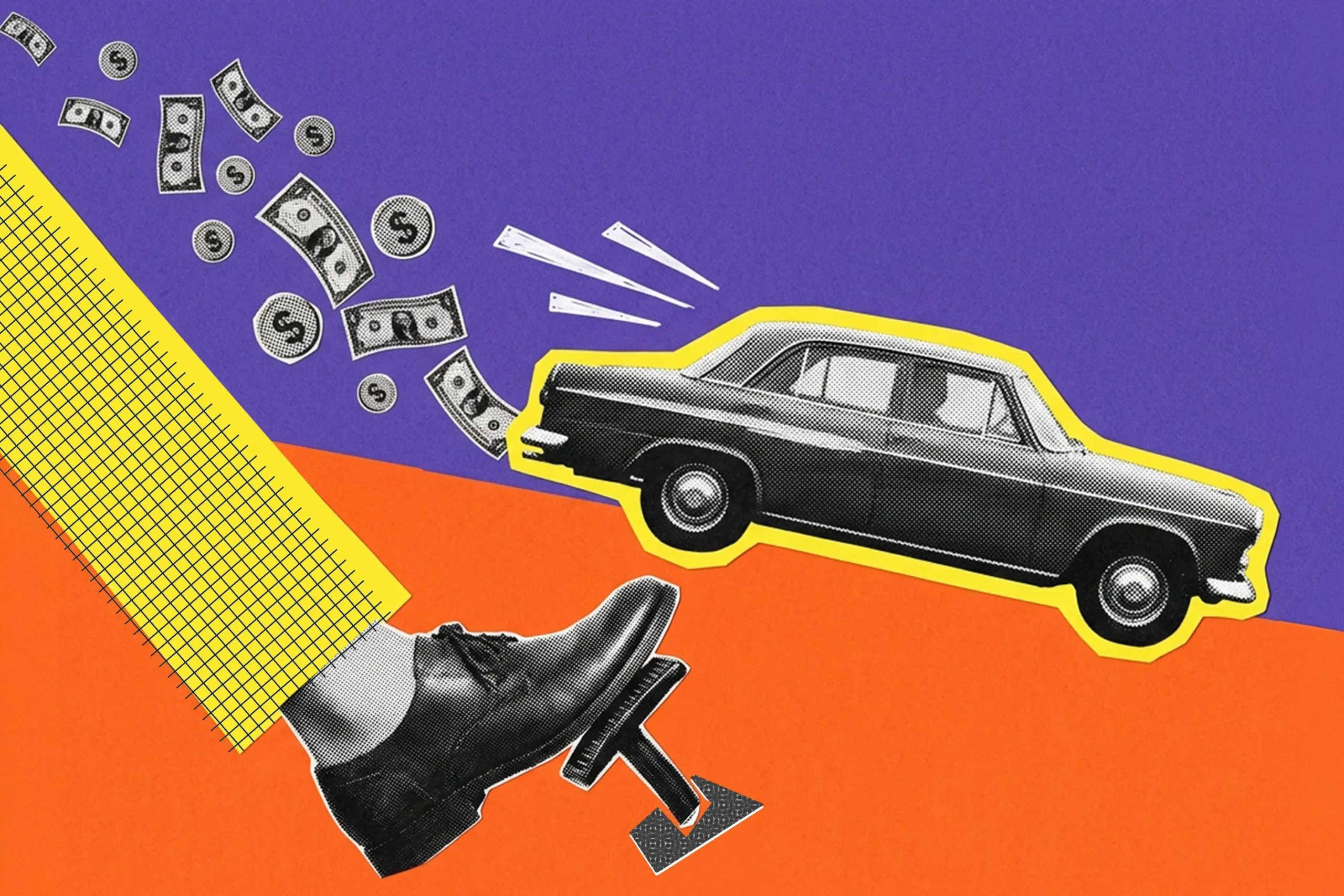
A new comprehensive study has definitively found that the key to significantly reducing fuel expenditure lies directly with driver behavior, specifically the propensity to exceed posted speed limits. Researchers from the University of Minnesota Twin Cities have concluded that not only does speeding dramatically decrease a vehicle’s fuel efficiency, but it also yields negligible time savings for the driver, often less than a minute per trip. This revelation arrives at a crucial time when gasoline prices have once again surged, reaching an average of $4 a gallon nationwide, intensifying the financial strain on motorists and prompting a renewed search for effective cost-saving strategies at the pump.
The Groundbreaking University of Minnesota Research
Unlike many previous investigations into the relationship between speed and fuel consumption, which often relied on controlled laboratory environments or limited real-world extrapolations, this latest research stands out for its unprecedented scale and methodology. Published in the esteemed journal Communications Sustainability, the paper leveraged an expansive dataset encompassing over 120 million individual trips undertaken by American drivers throughout 2021. This massive volume of real-world driving data provides a robust foundation for the study’s conclusions, offering a far more accurate representation of typical driving habits and their consequences than previously available.
The findings are stark: if American drivers consistently adhered to speed limits, the collective savings in fuel costs would amount to an astonishing $22 million every single day. This daily financial dividend translates into an estimated reduction of 6.7 million gallons of gasoline consumed. Beyond the immediate economic benefit, this decreased fuel usage carries a substantial environmental advantage, preventing the emission of approximately 57,000 metric tons of carbon dioxide (CO2) into the atmosphere daily. To put this in perspective, 57,000 metric tons of CO2 is roughly equivalent to the annual emissions from over 12,000 passenger vehicles or the CO2 absorbed by nearly 70,000 acres of U.S. forests in a year. The study underscores that even marginal increases in speed above the limit can swiftly erode fuel mileage, leading to tangible increases in fuel expenditure.
The research further delineates that while fuel economy varies across different vehicle types, a general guideline for optimal fuel efficiency typically falls within the speed range of 40 to 55 miles per hour (mph). At highway speeds, the impact of exceeding this range becomes particularly pronounced. Driving just 10 mph above the posted speed limit can result in approximately 20% more fuel being consumed. This significant increase is primarily attributed to heightened aerodynamic drag, which intensifies exponentially with speed, forcing the engine to work harder and consume more fuel to maintain momentum.
Crucially, the study also extends its analysis to electric vehicle (EV) drivers, dispelling any notion that they are immune to the effects of aggressive driving. The researchers discovered that speeding causes EVs to deplete their battery charge at a faster rate, necessitating more frequent recharging and, consequently, increased electricity consumption. While the immediate environmental impact of increased electricity usage for EVs depends on the energy grid’s generation mix, it still represents a less efficient use of resources and can translate to higher utility bills for EV owners.
Economic Imperatives and Consumer Response
The timing of this study is particularly pertinent given the volatile nature of global energy markets. The summer of 2026 has witnessed a resurgence of high gas prices, echoing peaks seen in previous years, driven by a complex interplay of geopolitical tensions, supply chain disruptions, and fluctuating global demand. For many households, fuel costs represent a significant portion of their discretionary income, making any potential savings highly attractive. The "pain at the pump" is a recurring economic concern, prompting a widespread consumer interest in fuel-saving "hacks," ranging from using specific gas stations to employing hypermiling techniques. The University of Minnesota study, however, offers a universally applicable, cost-free solution: simply slowing down.
This renewed focus on driving habits comes against a backdrop of increasing awareness about personal finance management and environmental stewardship. Consumers are actively seeking ways to mitigate the effects of inflation and contribute positively to climate action. The study provides a clear, actionable insight that aligns these two objectives, presenting a compelling case for a simple behavioral adjustment that yields both immediate financial relief and long-term environmental benefits.
The Mechanics Behind Speed-Related Fuel Waste
To fully appreciate the study’s findings, it’s essential to understand the underlying physics and engineering principles that govern a vehicle’s fuel efficiency at varying speeds. The primary culprit in fuel waste at higher speeds is aerodynamic drag. As a vehicle moves through the air, it encounters resistance. This resistance, or drag, increases disproportionately with speed—specifically, it increases with the square of the velocity. This means that doubling your speed doesn’t just double the drag; it quadruples it. At highway speeds, overcoming this increased drag requires significantly more engine power, which directly translates to higher fuel consumption.
Beyond aerodynamic drag, other factors contribute to decreased efficiency. Higher speeds typically mean higher engine revolutions per minute (RPMs), moving the engine out of its most fuel-efficient operating range. Modern vehicles are designed with sophisticated gear ratios to optimize efficiency at various speeds, but pushing beyond these optimal ranges, especially in top gear, often results in less efficient power delivery. Rapid acceleration and deceleration, often associated with aggressive driving, also waste fuel by converting kinetic energy into heat through braking, rather than using it for forward motion.
Quantifying the Impact: Fuel, Emissions, and Time Reconsidered
The researchers’ detailed analysis provided precise quantification of the benefits of adhering to speed limits. Across two distinct speeding scenarios modeled in the study, drivers who maintained legal speeds consumed between 2.4% and 3% less gasoline compared to their faster counterparts. For electric vehicles, the energy savings were even more pronounced, with drivers observing an average of 9% greater energy efficiency when they reduced their speed. These percentages, while seemingly modest for an individual trip, accumulate rapidly over millions of journeys and billions of miles driven annually across the nation.
Perhaps one of the most striking revelations of the study pertains to the perceived time savings from speeding. Despite the common belief among drivers that exceeding the speed limit significantly shortens travel times, the research unequivocally demonstrated that speeding shaved a mere 54 seconds off the average trip duration. This minimal time advantage stands in stark contrast to the substantial increase in fuel consumption and associated costs. This finding challenges a deeply ingrained driving habit, revealing that the perceived urgency and time-saving benefit of speeding are largely illusory, offering negligible return for a considerable financial and environmental outlay.
The reduction of 57,000 metric tons of CO2 emissions daily translates to a substantial annual impact. Over a year, this would prevent the release of over 20 million metric tons of CO2, a significant step towards national and international climate goals, such as those outlined in the Paris Agreement. This also reduces other harmful pollutants, like nitrogen oxides (NOx) and particulate matter, which contribute to smog and respiratory illnesses, particularly in urban areas.
The "Frequent Speeder" and Behavioral Economics
The study meticulously examined three key metrics of speeding behavior: the frequency with which drivers speed, the extent to which they exceed the limit, and the proportion of a trip spent speeding. On average, the data revealed that drivers spend approximately 13% to 14% of their journey driving 10 to 11 mph above the posted limit.
However, the most impactful factor on fuel consumption was identified as the prevalence of speeding. This implies that drivers who habitually treat their daily commute or any road trip as a racecourse—consistently driving above the limit for extended periods—stand to gain the most significant financial and environmental benefits from altering their behavior. This insight is critical for targeted public awareness campaigns, as it focuses on the segment of drivers whose habits contribute most substantially to fuel waste.
The discrepancy between the perceived and actual time savings highlights a phenomenon in behavioral economics known as "time perception bias" or the "urgency fallacy." Drivers often overestimate the time saved by speeding, driven by a desire to reach their destination faster, even when the actual gain is negligible. This psychological aspect underscores the need for effective communication strategies that directly address and debunk these misconceptions.
These findings are further corroborated by earlier research. A separate paper from researchers at the Massachusetts Institute of Technology (MIT) found that adopting a broader defensive driving style—characterized not just by avoiding speeding but also by eschewing quick accelerations and hard braking—could reduce fuel consumption by as much as 6%. This earlier study reinforces the holistic benefits of smooth, anticipatory driving, which minimizes energy waste and maximizes efficiency.
Broader Implications: Environmental Stewardship, Public Health, and Safety
The implications of the University of Minnesota study extend far beyond individual pocketbooks and immediate fuel consumption. From an environmental perspective, the potential for reduced carbon emissions aligns directly with global efforts to combat climate change. Encouraging slower, more efficient driving habits contributes to a national strategy for decarbonization of the transportation sector, a critical component of achieving net-zero emissions targets.
Beyond CO2, more efficient combustion at optimal speeds generally leads to lower emissions of other harmful air pollutants, such as volatile organic compounds (VOCs) and carbon monoxide (CO). These pollutants contribute to ground-level ozone (smog) and particulate matter, which have significant adverse effects on public health, including respiratory and cardiovascular diseases. Therefore, a collective shift to slower driving could lead to cleaner air, particularly in densely populated urban and suburban areas.
While the study’s primary focus was on fuel efficiency, it implicitly touches upon road safety. Higher speeds are unequivocally linked to an increased risk of accidents and greater severity of injuries in the event of a collision. The National Highway Traffic Safety Administration (NHTSA) consistently highlights speeding as a major contributing factor in fatal crashes. By advocating for adherence to speed limits for fuel efficiency, the study indirectly promotes safer driving practices, potentially reducing the incidence and severity of road accidents. This multi-faceted benefit strengthens the argument for a widespread behavioral change.
Policy Considerations and Future Outlook
The findings present compelling data for policymakers, urban planners, and automotive manufacturers. Governments could leverage this research to inform public awareness campaigns, emphasizing the economic and environmental benefits of slower driving. Enforcement of speed limits, when coupled with educational initiatives, could see increased public acceptance if the direct benefits to drivers are clearly communicated. Furthermore, urban planning and road design could incorporate elements that naturally encourage lower speeds, such as traffic calming measures in residential areas and optimized traffic flow systems on major arteries.
The automotive industry also has a role to play. While manufacturers are constantly striving for more fuel-efficient and electric vehicles, in-car telematics and driver assistance systems could be enhanced to provide real-time feedback on fuel consumption relative to driving speed, further nudging drivers towards more efficient habits. Insurance companies are already utilizing telematics to reward safer, less aggressive driving; these findings could bolster such programs, linking premium reductions directly to fuel-efficient speed adherence.
In conclusion, the University of Minnesota study offers a robust, data-driven argument for a simple yet profoundly impactful change in driving behavior. It dismantles the long-held perception that speeding saves valuable time, revealing instead that it is a costly and environmentally detrimental habit that yields negligible personal benefit. As society continues to grapple with economic pressures and the imperative of climate action, the message is clear: slowing down at the wheel is not just a recommendation for safety or environmentalism, but a direct, tangible pathway to significant daily savings for every driver. The secret to spending less on gas, it turns out, is indeed right under the driver’s right foot, awaiting a conscious decision for a more mindful and efficient journey.