Nila Kartika Wati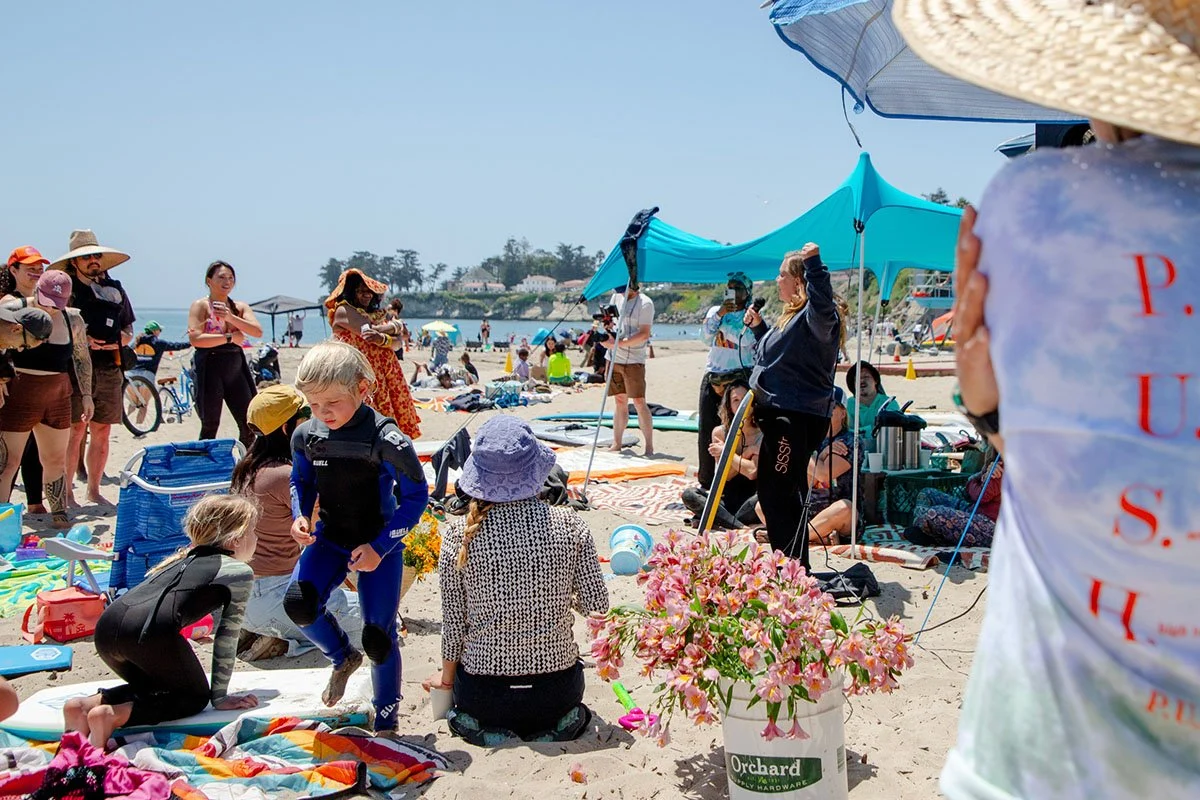
The shores of Cowell Beach in Santa Cruz recently served as the backdrop for a poignant intersection of athletic community and public health advocacy as dozens of surfers gathered for a "Paddle Out" to raise awareness for preeclampsia. Organized by Chelsea Woody, a registered nurse and professional surfer, in partnership with the Preeclampsia Foundation, the event sought to shed light on a condition that remains a leading cause of maternal and infant mortality in the United States despite its increasing prevalence. Preeclampsia, a complex hypertensive disorder unique to pregnancy and the postpartum period, affects approximately five to eight percent of all pregnancies in the U.S., yet medical experts and survivors alike warn that public understanding of the condition’s warning signs remains dangerously low.
The gathering in Santa Cruz was designed as both a memorial and a call to action. Participants, many of whom were mothers and survivors of high-risk pregnancies, paddled into the Pacific Ocean carrying pink flowers. In a tradition typically reserved for honoring fallen surfers, the group formed a floating circle on the water, a symbolic gesture intended to create space for the complex emotions—grief, trauma, and resilience—associated with a condition that can turn a routine pregnancy into a life-threatening crisis within hours. The choice of the ocean as a venue was intentional, bridging the gap between the clinical reality of maternal healthcare and the therapeutic potential of nature.
The Rising Crisis of Hypertensive Disorders in Pregnancy
The urgency of the Santa Cruz event is underscored by troubling domestic health trends. According to a comprehensive study published by the Journal of the American Heart Association, incidences of hypertensive disorders during pregnancy, including preeclampsia and gestational hypertension, doubled in the United States between 2007 and 2019. This spike has been attributed to several factors, including an increase in average maternal age and a higher prevalence of pre-existing conditions such as obesity and chronic hypertension. However, the study also highlights a critical gap: while the numbers are rising, public awareness has not kept pace.
Preeclampsia typically develops after the 20th week of pregnancy, though it can also manifest during labor or in the weeks following childbirth. It is characterized by high blood pressure and often signs of damage to another organ system, most commonly the liver or kidneys. If left untreated, it can lead to eclampsia—characterized by seizures—or HELLP syndrome, a severe variant involving the breakdown of red blood cells and liver failure. For the mother, the risks include stroke, organ damage, and long-term cardiovascular disease. For the infant, the condition often necessitates preterm birth, leading to complications related to underdeveloped lungs and low birth weight.
Personal Narratives of Survival and Loss
For Chelsea Woody, the event’s organizer, the mission is deeply personal. Woody is a three-time preeclampsia survivor who has navigated the extremes of the condition. Her first experience occurred during the height of the COVID-19 pandemic, a period marked by restricted healthcare access and heightened isolation. During that pregnancy, she experienced rapid weight gain—10 pounds in a single week—and significant facial swelling, symptoms that were initially overlooked. Tragically, Woody lost her first child. Even after the pregnancy ended, the danger persisted; at 23 weeks postpartum, she suffered from blurred vision and debilitating headaches, realizing only later that she was experiencing a secondary, postpartum onset of the disorder.

"I’m a nurse, and I know how to navigate the healthcare system," Woody noted during the event, emphasizing that even those with medical training can find themselves overwhelmed by the speed at which preeclampsia progresses. Her subsequent pregnancies required rigorous monitoring, with weekly lab tests and constant blood pressure checks to ensure the safety of both herself and her daughter.
Joining Woody in the water was Jody Wilfong, the founder of Surf Therapy Santa Cruz and a music therapist who survived preeclampsia during all three of her pregnancies. Wilfong recounted her first experience at age 24, when her blood pressure skyrocketed to 220/110—nearly double the normal range of 120/80. She described the "out-of-body" sensation of a hypertensive crisis and the subsequent medical intervention involving magnesium sulfate drips to prevent seizures. Like many survivors, Wilfong noted that she felt isolated in her experience for years, never having met another surfer who shared her history until the Paddle Out event.
Racial Disparities and Systemic Inequities
A critical component of the awareness campaign is addressing the disproportionate impact of preeclampsia on women of color. Data from the Preeclampsia Foundation and various medical journals indicate that Black women are significantly more likely to develop severe preeclampsia and face a higher risk of mortality compared to their white counterparts. Specifically, Black women account for seven percent of pregnancies affected by the disorder, compared to 4.7 percent among Latinx women, 4.3 percent among white women, and 2.9 percent among Asian and Pacific Islander women.
The causes of this disparity are multifaceted. Experts point to a combination of systemic racism within the healthcare system, chronic stress—often referred to in sociology as "weathering"—and unequal access to prenatal and postpartum care. Woody, who is of Black and Asian descent, highlighted that these inequities often result in the concerns of Black mothers being dismissed by clinicians, leading to delayed diagnoses and poorer outcomes. The W.E. P.U.S.H. campaign, founded by Woody, specifically targets these gaps by providing educational resources that empower patients to advocate for themselves in clinical settings.
The W.E. P.U.S.H. Framework and Warning Signs
To simplify the complex array of symptoms, the advocacy groups at the event promoted the "P.U.S.H." acronym, a tool designed to help pregnant and postpartum individuals recognize when a situation requires immediate medical intervention. The acronym stands for:
- P: Persistent severe headache or right upper stomach pain (often mistaken for indigestion).
- U: Unusual rapid swelling of the eyes, face, or hands, or weight gain of more than five pounds in a week.
- S: Sight changes, including seeing spots, blurred vision, or double vision.
- H: High blood pressure readings over 140/90.
Medical professionals, including Dr. Sara Johnson, an OB/GYN and survivor who spoke at the event, emphasized that these symptoms can appear suddenly in individuals with no prior history of health issues. Dr. Johnson is currently collaborating with the March of Dimes on the "Low Dose, Big Benefits" initiative, which advocates for the use of low-dose aspirin as a preventative measure for individuals identified as high-risk for preeclampsia. Clinical studies have shown that a daily regimen of low-dose aspirin, started early in pregnancy, can significantly reduce the risk of developing the condition.

Therapeutic Oceans and the Path to Recovery
The integration of "Surf Therapy" into the awareness event reflects a growing recognition of the mental health toll associated with high-risk pregnancies. For survivors like Wilfong, the ocean provides a space for "healing, release, and connection." Surf therapy is an emerging field that combines the physical activity of surfing with structured psychological support to address trauma, anxiety, and depression.
Dr. Johnson observed that medical discourse surrounding pregnancy complications is often dominated by fear and crisis management. While necessary for safety, this focus can leave patients feeling helpless. "Fun, playfulness, and connection are a good space to be in when you’re also holding something that’s scary," Johnson said, noting that the physical sensation of being in the water can be metaphorically healing, as it mimics the amniotic environment of the womb.
Broader Impact and Future Advocacy
The Santa Cruz Paddle Out is part of a larger, global movement to destigmatize maternal health struggles and improve outcomes through education. High-profile figures have recently bolstered this effort by sharing their own harrowing experiences with preeclampsia, including Beyoncé, Kim Kardashian, Meghan Markle, and Olympic gold medalist Allyson Felix. These public disclosures have helped move the conversation from private trauma to public health priority.
However, the work continues beyond celebrity endorsements. The long-term implications of preeclampsia are a burgeoning area of research; survivors are now known to have a significantly higher risk of developing chronic hypertension, kidney disease, and stroke later in life. This necessitates a shift in how postpartum care is managed, moving away from a short-term "six-week checkup" model toward lifelong cardiovascular monitoring.
Chelsea Woody is currently expanding her advocacy through "High Risk Dreams," a documentary film that explores the intersection of maternal health and the joy of surfing. Her goal is to take the Paddle Out event to other coastal cities, creating a national network of "birthers and birth workers" dedicated to maternal safety. By moving the conversation out of the hospital and into the community—whether on a beach or through digital campaigns—advocates hope to ensure that no pregnant person is caught unaware by a "silent killer" like preeclampsia.
As the pink flowers drifted away from the circle of surfers at Cowell Beach, the message remained clear: awareness is the first line of defense. For the one in twenty families affected by this condition, the combination of medical vigilance, community support, and systemic reform is not just a matter of health policy, but a matter of survival.