Pevita Pearce
July 30 marks National Whistleblower Day, an observance dedicated to honoring individuals who courageously report wrongdoing and safeguard public resources. This year, the Internal Revenue Service (IRS) is reaffirming its commitment to recognizing the pivotal role whistleblowers play in combating tax fraud, significantly reducing the tax gap, and ultimately strengthening the integrity of the U.S. tax system. The IRS’s acknowledgment of this day underscores the agency’s ongoing efforts to encourage and effectively utilize information provided by whistleblowers.
The history of whistleblower protection in the United States dates back to 1778, with the enactment of the nation’s first whistleblower law. This historical precedent emphasizes a long-standing recognition of the value of transparency and accountability. National Whistleblower Day serves as a crucial reminder of this legacy, celebrating those who step forward to expose illegal or unethical activities, thereby protecting the public’s trust and financial well-being.
The IRS Whistleblower Program: A Proven Track Record
Since its inception in 2007, the IRS Whistleblower Program has demonstrably proven its effectiveness in recovering billions of dollars in unpaid taxes and deterring future non-compliance. The program incentivizes individuals with original, non-public information about tax fraud to come forward, offering them a share of the recovered proceeds as a reward. This mechanism has been instrumental in uncovering complex schemes and significant instances of tax evasion that might otherwise have gone undetected.
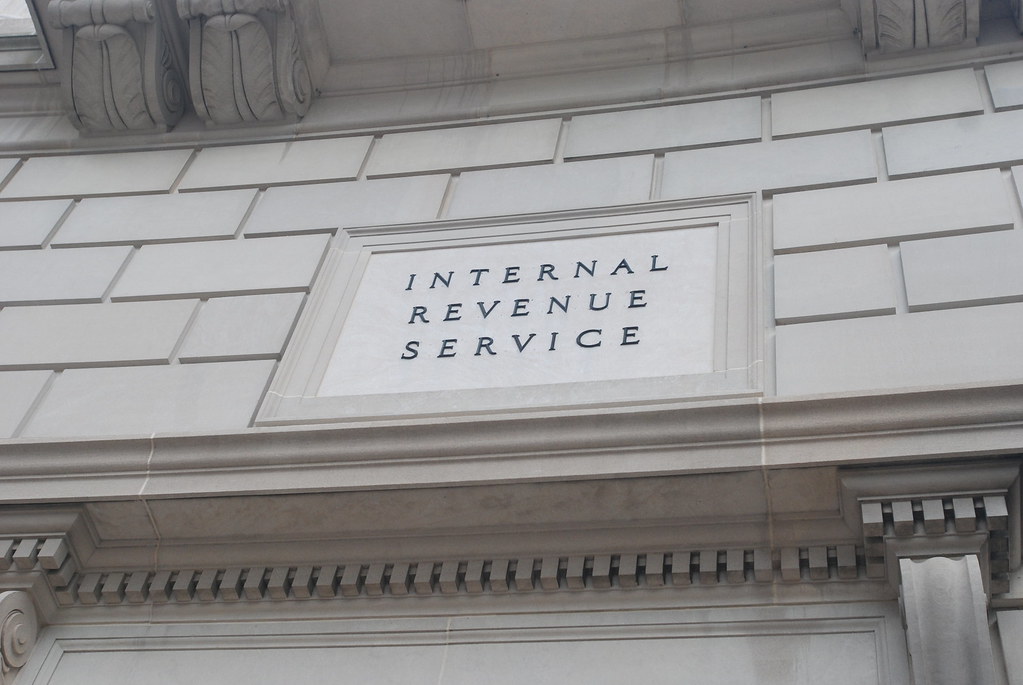
The statistics paint a compelling picture of the program’s success. From its launch in 2007 through the present, information provided by whistleblowers has directly contributed to the recovery of over $8 billion in tax revenue. Concurrently, the IRS has disbursed more than $1.4 billion in awards to these individuals. This significant financial recovery not only replenishes government coffers but also signifies a substantial impact on reducing the "tax gap" – the difference between the amount of tax legally owed and the amount actually collected.
IRS Leadership Emphasizes Whistleblower Contributions
IRS leadership has consistently lauded the critical contributions of whistleblowers. In a statement released on July 28, IRS CEO Frank Bisignano articulated the historical significance of these individuals in tax administration. "Historically, whistleblowers have played an essential role in tax administration by calling attention to problems others have overlooked," Bisignano stated. He further emphasized the practical benefits of their disclosures: "Information provided by whistleblowers helps the IRS identify noncompliance, pursue enforcement actions, and ensure fairness for taxpayers who follow the law."
Bisignano’s remarks highlight a dual benefit of the whistleblower program: enforcement and fairness. By exposing fraudulent activities, whistleblowers enable the IRS to take targeted enforcement actions, ensuring that those who attempt to evade their tax obligations are held accountable. This, in turn, promotes a more equitable tax system where honest taxpayers are not burdened by the non-payment of others.
Enhancing the Whistleblower Reporting Process
Recognizing the need to continually improve the efficacy of its whistleblower program, the IRS has made significant strides in recent years to streamline the reporting process and increase outreach. Over the past year, the agency has focused on several key initiatives:

- Digital Tool Enhancement: The IRS has invested in and enhanced its digital platforms, making it more accessible and user-friendly for individuals to submit whistleblower claims. This includes improving online portals and submission forms to ensure that all necessary information can be provided efficiently and securely.
- Increased Awareness of Emerging Schemes: The agency has intensified its efforts to identify and disseminate information about evolving tax fraud schemes. This proactive approach helps potential whistleblowers recognize fraudulent activities and understand what specific information might be most valuable to the IRS.
- Strengthened Stakeholder Collaboration: The IRS has prioritized fostering stronger collaboration with various stakeholders involved in the whistleblower ecosystem. This includes working with tax professionals, legal experts, and advocacy groups to better understand the needs of whistleblowers and to ensure the program operates effectively and ethically.
These enhancements are designed not only to increase the quantity of whistleblower submissions but also to improve the quality and relevance of the information received. By making the process more accessible and providing clearer guidance, the IRS aims to encourage more individuals with credible information to come forward.
Criteria for Valuable Whistleblower Submissions
The IRS encourages individuals who possess credible information about tax noncompliance to submit their findings. The agency has outlined specific criteria that make a whistleblower submission particularly valuable:
- Specific: Submissions should detail particular individuals, businesses, or transactions involved in tax evasion. Vague allegations are less actionable.
- Timely: Information should relate to recent or ongoing tax evasion. Stale information may be more difficult to investigate and prosecute.
- Significant: The information should pertain to substantial tax evasion or fraud that has a significant impact on government revenue.
- Credible: The information provided must be reliable and verifiable. Whistleblowers are encouraged to provide as much supporting documentation or evidence as possible.
When such criteria are met and the information provided by a whistleblower leads to the collection of taxes or other proceeds, the individual may be eligible for a monetary award. The amount of the award is typically a percentage of the amount recovered by the IRS, as determined by statute and IRS regulations.
Acknowledging the Courage of Whistleblowers
Erick Martinez, acting director of the IRS Whistleblower Office, underscored the significance of National Whistleblower Day as an opportunity for official recognition and appreciation. "Celebrating National Whistleblower Day is an opportunity to express sincere appreciation to whistleblowers," Martinez stated. "Their efforts make our tax system stronger by exposing wrongdoing and deterring bad actors."

Martinez further elaborated on the unique value proposition of whistleblower tips: "Their tips provide the IRS with information the agency would not otherwise know about, potentially increasing collections and improving tax compliance." This sentiment highlights that whistleblowers often provide insights into sophisticated schemes or hidden assets that are beyond the reach of routine IRS audits and investigations.
Broader Implications for Tax Integrity and Public Trust
The IRS Whistleblower Program, and the recognition of National Whistleblower Day, carry significant implications beyond just revenue collection.
Strengthening Tax Compliance: By incentivizing the reporting of tax fraud, the program acts as a powerful deterrent. Potential tax evaders are aware that individuals within their networks or with access to their financial dealings may report their activities, increasing the risk of detection and penalties. This awareness contributes to a broader culture of compliance.
Ensuring Fairness: A fair tax system is fundamental to societal stability. When a significant portion of the population or businesses evade their tax obligations, the burden falls disproportionately on honest taxpayers. Whistleblower programs help to level the playing field by ensuring that everyone pays their fair share.

Combating Sophisticated Financial Crimes: Tax fraud can involve intricate offshore accounts, complex corporate structures, and novel digital evasion techniques. Whistleblowers, often with insider knowledge, can provide the crucial details needed to unravel these schemes, which might otherwise remain hidden from regulatory scrutiny.
Promoting Transparency and Accountability: The very existence of a robust whistleblower program signals a commitment to transparency and accountability within the tax system. It demonstrates that the government is willing to listen to and act upon credible information about misconduct, fostering greater public trust in its institutions.
Economic Impact: The recovered tax revenue directly contributes to funding essential public services, infrastructure projects, and social programs. By maximizing tax collections, the whistleblower program indirectly supports economic development and the well-being of citizens.
The Historical Context of Whistleblower Protection
The origins of National Whistleblower Day in the 1778 law underscore a foundational American principle: the importance of citizen participation in upholding ethical standards and preventing corruption. This early legislation provided protections for individuals who reported fraud and mismanagement within the Continental Navy. Over centuries, whistleblower protections have evolved and expanded across various sectors, including government, corporate, and financial industries, recognizing that internal reporting mechanisms are often insufficient to address systemic issues. The IRS program is a modern manifestation of this enduring commitment to leveraging internal knowledge for the public good.

Looking Ahead: Continued Vigilance and Support
As tax laws and financial technologies continue to evolve, so too will the methods employed by those seeking to evade them. The IRS’s commitment to enhancing its whistleblower program indicates an understanding of this ongoing challenge. By investing in technology, fostering collaboration, and clearly communicating the value and process of reporting, the agency aims to ensure that whistleblowers remain a vital component of its tax enforcement strategy.
The success of the IRS Whistleblower Program is a testament to the courage and integrity of the individuals who choose to speak out against tax fraud. National Whistleblower Day serves as an important annual reminder to acknowledge their contributions and to reaffirm the nation’s commitment to a fair and transparent tax system, built on the foundation of accountability and the willingness of citizens to report wrongdoing. The ongoing efforts to refine and promote the program signal a strategic imperative for the IRS to continue leveraging this critical source of information to protect public resources and ensure tax equity for all.