Lina Irawan
The relentless march of digital transformation, coupled with increasingly sophisticated cybercriminal tactics, has propelled identity theft to the forefront of consumer concerns, necessitating robust protection strategies. In response to this escalating threat, a diverse array of identity theft protection services has emerged, offering varying degrees of monitoring, restoration, and preventative tools. This report delves into the current landscape of identity theft, examines the mechanics of protection services, and highlights leading providers tailored to specific needs, from individual vigilance to family security and specialized business defense.
The Escalating Threat of Identity Theft: A Digital Epidemic
Identity theft, defined as the illicit use of an individual’s personally identifiable information (PII) for personal gain without permission, is no longer an abstract threat but a pervasive reality. The aftermath, often termed identity fraud, sees criminals exploiting stolen data to open accounts, apply for credit, file taxes, or access medical services in the victim’s name. Recent data underscores the severity of this issue. According to a July report from the Identity Theft Resource Center (ITRC), data compromises are on track to reach another record in 2026, with 1,803 incidents tracked in the first half of the year alone. These breaches generated an estimated 471.2 million victim notices, surpassing the total for all of 2025, largely driven by a single massive education-platform breach. This surge highlights the continuous vulnerability of personal data in an interconnected world.
The financial and emotional toll of identity theft can be devastating. Victims often face significant monetary losses, damaged credit scores, and the arduous task of restoring their identity, a process that can consume hundreds of hours and considerable stress. The proliferation of online activities, from banking and shopping to social media engagement, has created an expansive digital footprint for nearly every individual, simultaneously widening the attack surface for cybercriminals.
Understanding the Multifaceted Nature of Identity Theft
Identity theft manifests in numerous forms, evolving alongside technological advancements and societal trends. While some methods are overt, others are insidious, making early detection crucial.
- Data Breaches: These large-scale incidents occur when cybercriminals gain unauthorized access to an organization’s databases, stealing vast quantities of PII such as names, dates of birth, addresses, passwords, credit card numbers, driver’s license details, and even Social Security numbers. The impact of a single breach can affect millions, often providing criminals with a treasure trove of data for future fraudulent activities.
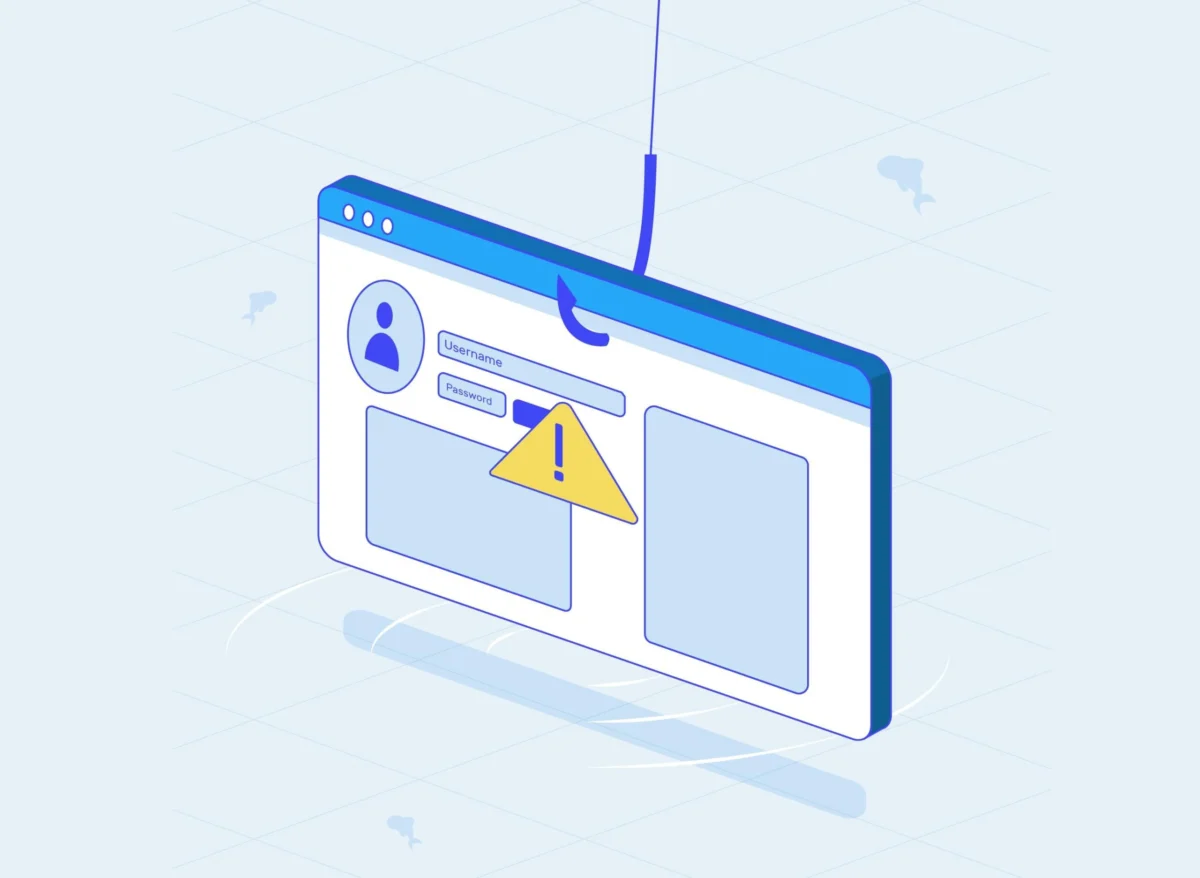
- Phishing and Smishing: Identity thieves craft deceptive emails (phishing) or text messages (smishing) that mimic legitimate entities like banks, online retailers, or social media platforms. Their goal is to trick recipients into divulging private information or downloading malicious attachments that infect devices, granting unauthorized access to personal data. The sophistication of these attacks continues to grow, often employing convincing visual and linguistic cues.
- Formjacking: This involves injecting malicious code into legitimate website forms, particularly on e-commerce sites. As users enter their billing information or login credentials, the hidden code copies the data, transmitting it directly to the hackers without arousing suspicion from the user or the website owner until a breach is discovered.
- AI Fraud: The advent of Artificial Intelligence (AI) has amplified the capabilities of fraudsters. AI can automate credential stuffing attacks, generate highly personalized and believable phishing emails, and facilitate fraud through deepfake videos and AI voice cloning, making scams incredibly difficult to discern from legitimate communications. This represents a significant leap in the sophistication of social engineering attacks.
- Physical Document Theft: Despite the digital age, traditional methods persist. Thieves can steal wallets, mail, or even rummage through trash to obtain sensitive documents. These physical pieces of information can then be used for credit card fraud, Social Security identity theft, or to build a more complete profile of a victim.
Beyond these general methods, identity theft can also target specific types of documents or demographics:
- Child Identity Theft: Children’s pristine credit histories make them prime targets. Scammers steal their personal information to open accounts or obtain benefits, often going unnoticed for years until the child attempts to apply for a job, car insurance, or a credit card as an adult.
- Medical Identity Theft: This occurs when a thief uses another person’s identity to obtain medical services, acquire health insurance policies, or submit false claims to insurers like Medicare. Victims may discover this when they receive bills for services they didn’t receive or find inaccuracies in their medical records.
- Tax Identity Theft: Access to a Social Security number can enable a scammer to file a fraudulent tax return and claim a refund before the legitimate taxpayer does. The IRS typically flags these as duplicate filings, alerting the true victim.
- Synthetic Identity Theft: A particularly insidious form where cybercriminals combine real personal information (often a stolen Social Security number) with fabricated data (fake name, address) to create a new, "synthetic" identity. This new identity is then used to open accounts, establish credit, and commit fraud, often building up a credit history before defaulting.
The Shield Against Cybercrime: How Identity Theft Protection Works
Identity theft protection services act as a crucial line of defense in this complex threat landscape. These companies continuously monitor various online and offline data points for signs of compromised information, providing alerts and, critically, offering assistance in the event of actual theft. The most common features include:
- Identity Monitoring: Services track a broad spectrum of personal information across websites, public records, and databases. This includes monitoring for the illicit sharing or use of Social Security numbers, driver’s licenses, passports, home addresses, phone numbers, and financial accounts (checking, savings, investment). Alerts are triggered when suspicious activity is detected, allowing individuals to react swiftly.
- Credit Report Monitoring: This involves reviewing credit reports from one or all three major credit bureaus (Experian, Equifax, and TransUnion) for signs of fraudulent activity, such as new accounts opened in the victim’s name, unexpected credit inquiries, or significant changes in credit utilization. Notifications are sent via email, text, or phone to verify activity. For individuals already impacted, these services may also guide them toward credit repair companies to rectify inaccuracies.
- Identity Recovery Services: Perhaps the most invaluable feature, restoration services provide professional assistance to victims. This includes dedicated specialists who can handle the arduous process of recovering an identity, contacting government agencies, initiating credit freezes, and drafting letters to creditors and debt collectors on the victim’s behalf. This significantly reduces the burden on individuals navigating a complex bureaucratic maze.
- Identity Theft Reimbursement: Often referred to as "identity theft insurance," this coverage helps mitigate the financial fallout. It reimburses victims for out-of-pocket expenses incurred during the recovery process, such as legal fees, lost wages due to time spent resolving issues, and the cost of reissuing sensitive documents. Coverage amounts typically range from $20,000 to $1 million, with some premium plans offering up to $5 million.
- Cybersecurity Tools: Many modern identity theft protection services integrate proactive cybersecurity measures. This can include Virtual Private Network (VPN) services to encrypt online traffic and protect data on public Wi-Fi, antivirus software to detect and remove malicious programs, ad blockers, and password managers to enhance online security. These tools aim to prevent identity theft by securing the digital environment.
Navigating the Protection Landscape: Leading Services and Their Specialties
The market offers a variety of identity theft protection services, each with distinct strengths tailored to different user demographics and specific concerns.
Aura: The Comprehensive Guardian
Aura distinguishes itself as a top contender due to its extensive monitoring capabilities and integrated cybersecurity suite. It tracks public records, the dark web, and high-risk transactions, going beyond common data points to include less typical items like home and auto titles and investment accounts. Crucially, all Aura plans, regardless of user count (individual, couple, family, kids), include three-bureau credit monitoring—a feature often reserved for premium tiers by competitors. This makes it a particularly cost-effective solution for comprehensive coverage. Additionally, Aura bundles essential cybersecurity tools such as a VPN, antivirus, and ad blocker, reinforcing online safety.
- Plan costs: Starting at $15 per month.
- Money-back guarantee: 60 days on annual plans.
- ID theft restoration coverage: Up to $1 million per adult.
Coveron: Budget-Friendly Security
For consumers prioritizing affordability, Coveron offers a compelling option, particularly with its basic plan being one of the most economical on the market. While its starter plan provides essential monitoring of financial accounts and short-term loans, and covers losses from cyber extortion, ransomware, and online fraud (up to $50,000 and $10,000 respectively), it necessitates an upgrade to higher tiers for features like three-bureau credit monitoring. Despite these trade-offs, Coveron’s introductory annual prices are notably low, presenting a viable alternative for budget-conscious individuals seeking fundamental identity protection.
- Plan costs: Starting at $5.99 per month.
- Money-back guarantee: 30 days.
- ID theft restoration coverage: Up to $1 million per adult.
LifeLock: Protecting the Modern Family
LifeLock excels in family-oriented identity protection, offering plans that cover up to two adults and ten minors. A significant advantage is the provision of dedicated identity restoration specialists for each covered family member, an invaluable resource, especially when resolving fraud involving children. Family plans also include substantial stolen funds reimbursement for children (up to $1.05 million) and scam support benefits. LifeLock’s proactive stance against emerging digital threats, such as deepfakes and phishing attempts, positions it as a robust option for families concerned about both traditional and evolving online scams. However, potential subscribers should carefully compare plans due to their relatively higher cost and complex structure.
- Plan costs: Starting at $12.49 per month.
- Money-back guarantee: 14 days on monthly plans, 60 days on annual plans.
- ID theft restoration coverage: Up to $3 million, depending on the plan.
- Three-bureau credit monitoring: On Advantage, Total, and Ultimate Plus tiers.
EverSafe: Tailored for Seniors
EverSafe is uniquely designed to address the specific vulnerabilities of seniors, offering features like elder fraud monitoring, caregiver support, and retirement savings alerts. Its "trusted advocate" option allows seniors to designate individuals to receive alerts and assist in monitoring for suspicious activities, such as unexpected withdrawals or changes in spending patterns that could signal fraud, elder financial abuse, or even cognitive decline. The service further enhances affordability with a 20% senior discount for those 60 and older and keeps users informed with a monthly financial health and scam watch newsletter. A notable drawback is the absence of integrated cybersecurity tools like VPNs or antivirus software, which are increasingly standard in other services.
- Plan costs: Starting at $7.49 per month.
- Money-back guarantee: 30-day free trial on all plans.
- ID theft restoration coverage: Up to $1 million.
- Three-bureau credit monitoring: On Gold tier.
IDShield: Expert Restoration at Your Service
IDShield stands out for its unwavering commitment to identity restoration. It guarantees identity recovery in the event of theft, supported by 24/7 U.S.-based assistance and the assignment of a dedicated, licensed private investigator to personally manage the restoration process. The service also provides substantial coverage, up to $3 million, for legal fees and financial losses related to fraud. A unique offering is its reputation management platform, which enables users to scan their social media presence, identify potentially damaging content, and proactively manage their digital footprint—a valuable asset for professionals and public figures.
- Plan costs: Starting at $14.95 per month.
- Money-back guarantee: Unlimited service guarantee.
- ID theft restoration coverage: Up to $3 million on all plans.
- Three-bureau credit monitoring: On 3 Bureau tier.
IdentityForce: Dark Web Vigilance
IdentityForce prioritizes continuous dark web monitoring, actively searching for compromised personal information. When data is detected, it provides a risk score and contextual details, helping users understand the potential harm and urgency of each alert. The service also offers a personalized identity safety score and action plan, providing clear, actionable steps. While its monitoring and restoration services are comprehensive, its starting price is higher than many competitors, and the base plan notably lacks credit monitoring, requiring an upgrade for this essential feature.
- Plan costs: Starting at $19.90 per month.
- Money-back guarantee: 30 days on UltraSecure plan only.
- ID theft restoration coverage: Up to $1 million on UltraSecure plan, up to $2 million on UltraSecure+Credit plan.
NordStellar: Enterprise-Level Threat Intelligence
NordStellar operates in a distinct category, focusing on business risk monitoring rather than individual consumer protection. Its platform continuously tracks dark web mentions, leaks, and external exposures that could impact a company, its employees, or its digital assets. A key feature is session cookie monitoring, which helps businesses detect account takeover risks linked to compromised browser sessions. NordStellar simplifies setup by requiring only a domain name, eliminating per-employee data entry. Businesses can evaluate the platform with a seven-day free trial after booking a demo, which is crucial given its custom sales quote model, making direct price comparisons challenging.
- Plan costs: Starting at $5,000 per year for Essentials plan (custom quotes).
- Designed for: Business risk monitoring.
Other Notable Contenders
Several other services were considered, each offering specific benefits but not quite meeting the criteria for a top pick across broader categories:
- FreeKick: A unique deposit account that builds credit for children over 13 while offering family identity protection, requiring an upfront investment.
- Guardio: Focuses on real-time threat alerts, malware, phishing, and scam detection, offering identity theft recovery but lacking the comprehensive monitoring of traditional services.
- Identity Guard: Provides extensive monitoring and credit protection, but many features are tiered, and it lacks integrated cybersecurity tools like VPNs or antivirus.
- Surfshark: Primarily a cybersecurity bundle with a well-regarded VPN, its Surfshark Alert tool offers basic data leak monitoring for emails, IDs, and credit cards, making it a good add-on rather than a standalone identity theft protection solution.
Official Responses and Expert Commentary
Government agencies and cybersecurity experts consistently emphasize a multi-layered approach to identity protection. The Federal Trade Commission (FTC) strongly advises consumers to regularly check their credit reports and bank statements, utilize strong, unique passwords, enable multi-factor authentication, and be wary of unsolicited communications. The FBI’s Internet Crime Complaint Center (IC3) serves as a critical hub for reporting cybercrimes, including phishing and other online fraud. Credit bureaus, Experian, Equifax, and TransUnion, provide mechanisms for fraud alerts and credit freezes, which are essential steps in limiting access to credit in the event of suspected theft. Experts also advocate for continuous education on emerging threats, particularly the sophisticated tactics employed through AI.
Proactive Defense: Strategies to Minimize Risk
While no system offers absolute immunity, individuals can significantly reduce their vulnerability to identity theft by adopting key security practices:
- Practice Strong Password Hygiene: Use long, complex passwords or passphrases unique to each account. Consider a reputable password manager to store and generate these.
- Enable Multi-Factor Authentication (MFA): Whenever possible, activate MFA, which requires a second form of verification (e.g., a code from your phone) in addition to your password.
- Be Skeptical of Unsolicited Communications: Exercise extreme caution with emails, text messages, or calls requesting personal information, even if they appear to be from a legitimate source. Verify the sender through official channels.
- Monitor Financial Statements Regularly: Scrutinize bank and credit card statements for any unauthorized transactions.
- Review Credit Reports Annually: Obtain free copies of your credit report from AnnualCreditReport.com to check for suspicious accounts or inquiries.
- Shred Sensitive Documents: Dispose of physical documents containing PII by shredding them before discarding.
- Limit Public Sharing of PII: Be mindful of the information you share on social media and other public platforms.
- Consider a Credit Freeze: A credit freeze restricts access to your credit report, preventing new credit accounts from being opened in your name. This is a powerful preventative measure.
- Keep Software Updated: Ensure your operating systems, web browsers, and antivirus software are always up to date to patch known vulnerabilities.
When Disaster Strikes: Reporting Identity Theft
Prompt action is critical if identity theft is suspected. The standard protocol involves several steps:
- File a Report with the FTC: Start by filing a detailed report with the Federal Trade Commission (FTC) at IdentityTheft.gov or by calling 1-877-438-4338. The FTC report is a vital document for disputing fraudulent charges and dealing with creditors.
- Contact Banks and Creditors: Immediately notify your bank, credit card issuers, and any other financial institutions where fraudulent activity has occurred.
- Place a Fraud Alert/Credit Freeze: Contact one of the three major credit bureaus (Experian, TransUnion, or Equifax) to place a fraud alert on your credit file. The bureau you notify is required to inform the other two. Consider a credit freeze for more robust protection.
- File a Police Report: If you know who committed the crime, or if creditors require a police report, file one with your local law enforcement agency.
- Report Phishing Attempts: Forward suspicious emails to [email protected] and text messages to SPAM (7726). Report the incident to the FTC and the FBI’s Internet Crime Complaint Center (IC3).
The Broader Implications: A Shifting Digital Landscape
The ongoing battle against identity theft reflects a fundamental challenge in the digital age: balancing convenience with security. As technology advances, so too do the methods of cybercriminals, creating a perpetual arms race between protection providers and malicious actors. The alarming statistics from the ITRC and the emergence of new scams, such as the targeting of parents and student athletes with fake health screenings to collect insurance information, underscore the need for continuous vigilance and adaptive protection strategies. These scams, often blending legitimate contexts with fraudulent intent, highlight the difficulty in discerning genuine services from sophisticated traps.
The rise of AI, while offering powerful tools for defense, also provides criminals with unprecedented capabilities to automate and personalize attacks. This dynamic environment necessitates that individuals and businesses alike adopt a proactive and informed approach to identity protection. The services highlighted in this report demonstrate the industry’s commitment to evolving alongside these threats, offering comprehensive monitoring, expert restoration, and integrated cybersecurity tools designed to safeguard digital lives in an increasingly precarious online world. Ultimately, effective identity theft protection is not just about reacting to incidents, but about building resilience against an ever-present and evolving threat.
ID Theft Protection FAQs
How much does identity theft protection cost?
Identity theft protection typically costs between $10 and $30 per month for individual plans. Family plans are generally more expensive, starting around $15 per month. While basic individual plans can be found for as low as $5 per month, these often offer limited monitoring and may lack comprehensive theft restoration and credit services.
Is it worth paying for identity theft protection?
Paying for identity theft protection can be a worthwhile investment, especially for individuals with numerous online and financial accounts or those who do not actively monitor their credit. While basic security practices offer some defense, these services provide peace of mind through continuous scanning for personal data exposure and fraudulent activity, which can lead to significant financial losses and credit damage if unchecked.
How can I check if someone is using my identity?
To determine if your identity has been stolen, regularly review your credit card statements and bank accounts for unauthorized transactions or newly opened accounts. Request and scrutinize your credit report for unusual activity, especially if your credit score shows unexpected changes or if you are unexpectedly denied credit.
Is identity theft protection tax deductible?
For most individuals, identity theft protection services are not tax-deductible as they are considered personal expenses. However, if you are self-employed and the protection directly relates to safeguarding business data or client information, a portion of the cost may be deductible as a legitimate business expense.