Lina Irawan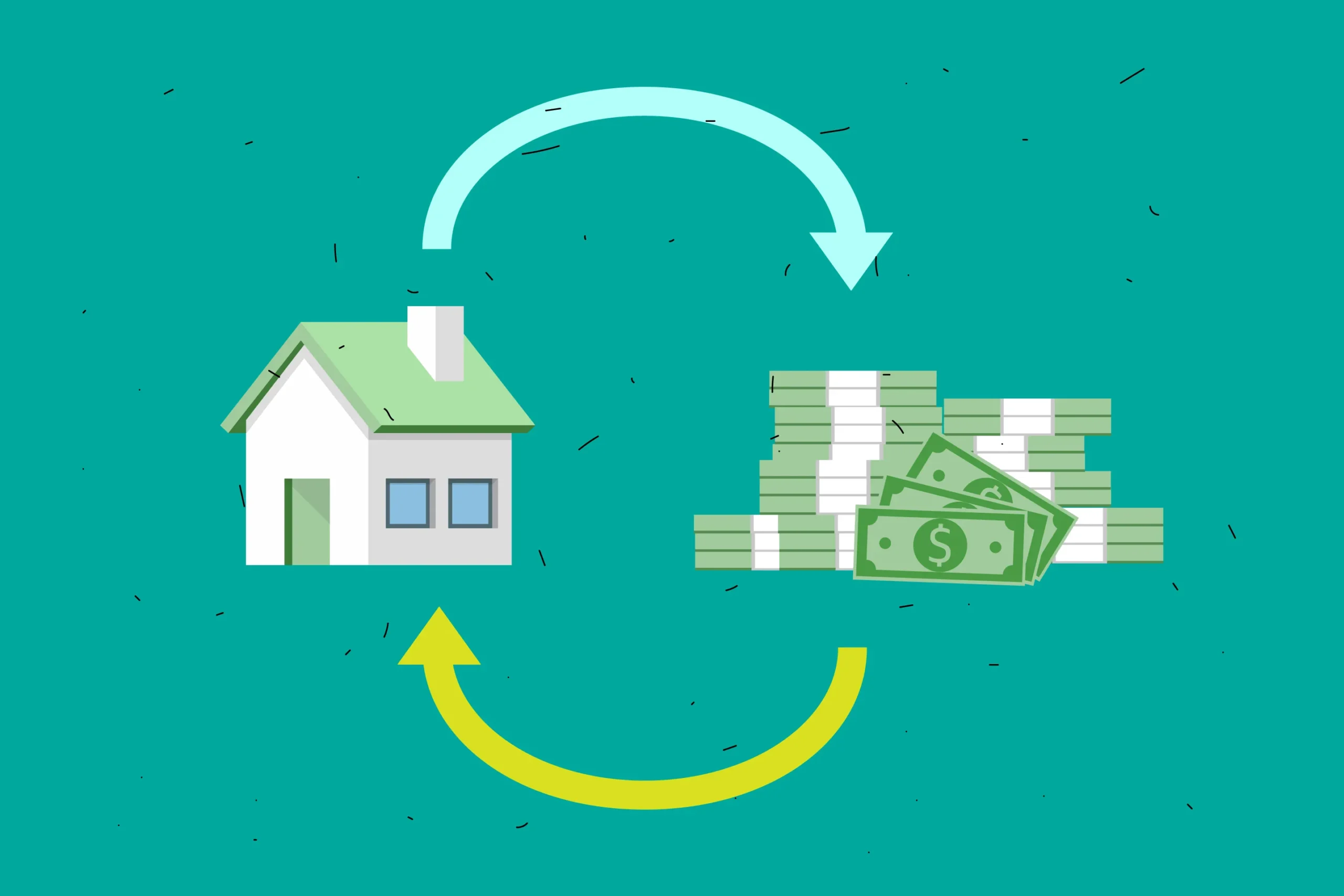
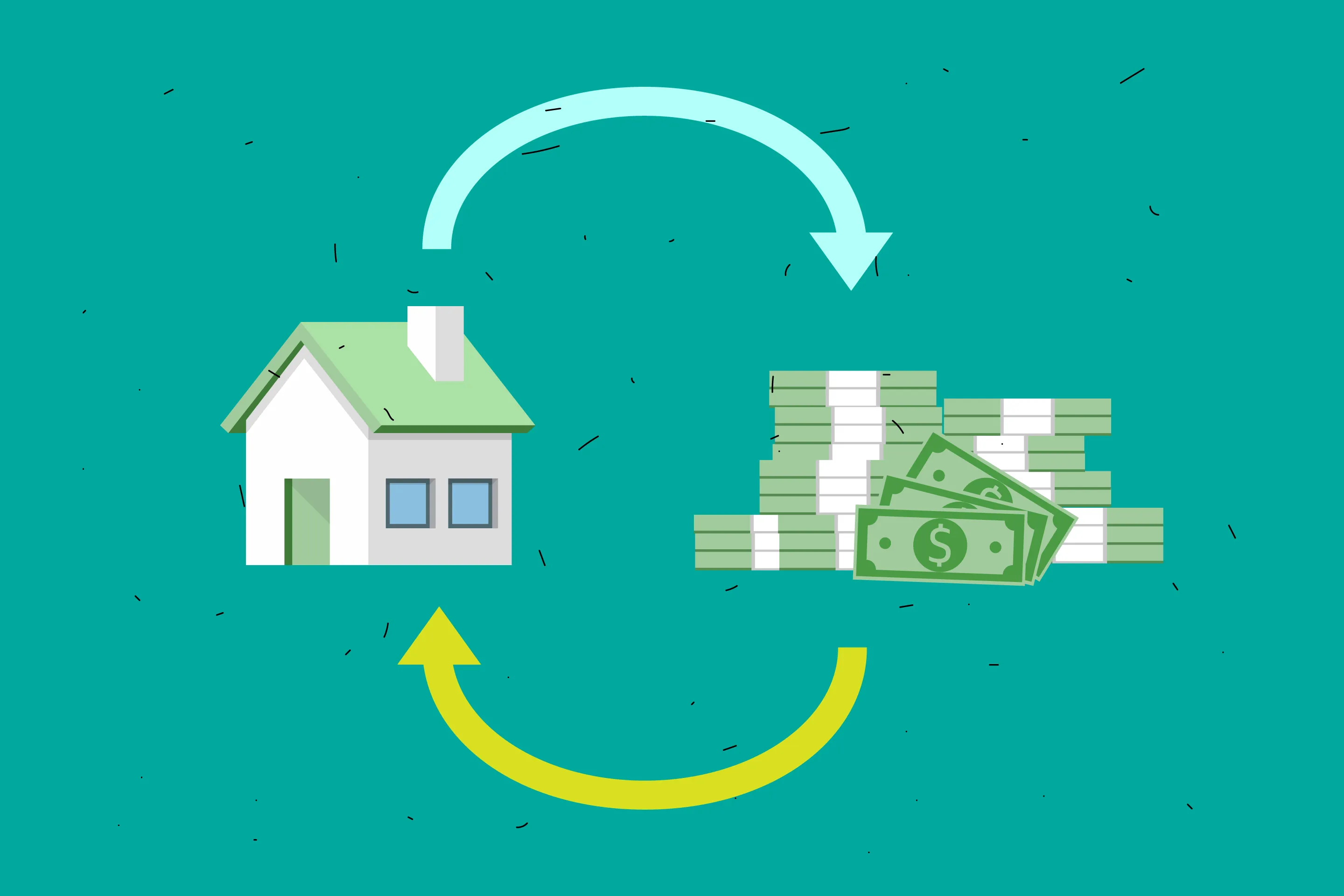
A reverse mortgage represents a distinctive financial instrument designed to allow older homeowners to convert a portion of their accumulated home equity into accessible cash without the obligation of making monthly mortgage payments. Unlike traditional forward mortgages, where the borrower makes regular payments to the lender, a reverse mortgage sees the lender pay the borrower. This financial arrangement can be structured in several ways: as regular monthly disbursements, through a flexible line of credit, or as a single lump sum payment at the loan’s closing. These loans are primarily intended for individuals typically aged 62 and older, though some private lenders have expanded eligibility to homeowners as young as 55. The primary motivations for homeowners to pursue a reverse mortgage often revolve around reducing their fixed monthly housing costs, supplementing their retirement income, or funding significant expenses like home repairs, medical bills, or debt consolidation. This comprehensive guide will delve into the intricacies of reverse mortgages, exploring their operational mechanics, various types, associated benefits and drawbacks, and their broader implications for retirement and estate planning.
The Evolution and Context of Reverse Mortgages
The concept of a reverse mortgage emerged in the United States in the early 1960s, with the first reverse mortgage being issued in 1961 by Nelson Haynes of Deering Savings & Loan in Portland, Maine. However, it wasn’t until the late 1980s that these loans gained significant traction and federal backing. The U.S. Congress, recognizing the growing demographic trend of "house rich, cash poor" seniors – individuals who owned substantial equity in their homes but struggled with liquid assets for daily expenses – authorized the creation of the Home Equity Conversion Mortgage (HECM) program in 1988. Administered by the Federal Housing Administration (FHA) under the U.S. Department of Housing and Urban Development (HUD), the HECM became the dominant form of reverse mortgage, offering federal insurance and standardized consumer protections.
This legislative action came at a crucial time as the baby boomer generation began approaching retirement age, facing longer lifespans, escalating healthcare costs, and often insufficient traditional retirement savings. Reverse mortgages offered a potential solution, allowing seniors to age in place while monetizing their most significant asset – their home – without having to sell it. The economic landscape, characterized by fluctuating interest rates and property values, further shaped the appeal and structure of these loans, leading to continuous adjustments in regulations and offerings to balance lender risk with consumer safeguard.
Understanding the Mechanics of a Reverse Mortgage
At its core, a reverse mortgage functions as an advance against the future sale of a home. The loan balance grows over time as interest accrues on the borrowed funds and as loan fees are added. Crucially, the homeowner retains the title to their home throughout the loan term, meaning they remain the legal owner. The lender merely places a lien on the property, similar to a traditional mortgage. The loan becomes due and payable when a specific "maturity event" occurs, which typically includes:
- The borrower (and any co-borrower) passes away.
- The home is sold.
- The borrower permanently moves out of the home (e.g., into a nursing home) for more than 12 consecutive months.
- The borrower fails to meet their ongoing obligations, such as paying property taxes, homeowners insurance premiums, or maintaining the property in good condition.
A critical protective feature of federally insured HECMs is their non-recourse nature. This means that the borrower or their heirs will never owe more than the home’s appraised value at the time of sale, even if the outstanding loan balance exceeds this amount. This protects the borrower’s other assets and ensures heirs are not personally liable for any shortfall. When the loan becomes due, the borrower or their estate can repay the loan, often by selling the home, or by refinancing it into a traditional mortgage. Any remaining equity after the loan is repaid belongs to the homeowner or their heirs.
However, the responsibility to maintain the home and pay property taxes and insurance is paramount. Failure to do so can lead to default, potentially resulting in foreclosure. To mitigate this risk, especially for HECMs, lenders conduct a financial assessment during the application process. In some cases, a "Life Expectancy Set-Aside" (LESA) may be required. A LESA allocates a portion of the loan proceeds to cover future property taxes and insurance, providing an added layer of security for both the borrower and the lender, ensuring these critical obligations are met for the expected duration of the borrower’s life in the home.
Diverse Types of Reverse Mortgages
The reverse mortgage market offers several product variations, each tailored to different needs and financial circumstances:
-
Home Equity Conversion Mortgage (HECM): This is the most prevalent type of reverse mortgage, backed and regulated by the FHA. Available only through HUD-approved lenders, HECMs offer robust consumer protections, including mandatory counseling. All HECM borrowers must be 62 or older and participate in a HUD-approved counseling session, where they learn about the program’s requirements, repayment options, and financial implications. HECMs are non-recourse loans and come with FHA insurance, which is paid through an upfront Mortgage Insurance Premium (MIP) of 2% of the home’s value (up to the FHA lending limit) and an annual MIP of 0.5% of the outstanding loan balance. HECMs provide flexible disbursement options:
- Tenure: Equal monthly payments for as long as at least one borrower lives in the home as a principal residence.
- Term: Equal monthly payments for a fixed period chosen by the borrower.
- Line of Credit: Funds are available for withdrawal as needed, with interest accruing only on the amount drawn. This option offers growth on the unused portion of the line of credit.
- Modified Tenure/Term: A combination of a line of credit with scheduled monthly payments.
- Lump Sum: A single, one-time disbursement at closing, typically chosen by borrowers seeking to pay off an existing mortgage or other significant debts.
HECMs have a maximum claim amount, which is the lesser of the appraised value of the home or the FHA maximum lending limit. For 2026, this limit is set at $1,249,125, although the actual amount a borrower qualifies for depends on factors such as their age, the home’s appraised value, and current interest rates.
-
HECM for Purchase: This specialized HECM allows qualified seniors (62+) to purchase a new home and obtain a reverse mortgage in a single transaction. It eliminates the need for future monthly mortgage payments on the new property. Borrowers typically use cash from the sale of their previous home or other savings for a substantial down payment (often between 40-60% of the purchase price), with the HECM covering the remaining balance. This option is particularly attractive for seniors looking to downsize, relocate closer to family, or move to a home better suited for their long-term needs, all while preserving liquid assets.
-
Proprietary Reverse Mortgages: Offered by private lenders, these loans are not government-insured and therefore do not adhere to HUD’s specific regulations, including age limits or loan maximums. Often referred to as "jumbo reverse mortgages," they cater to homeowners with high-value properties that exceed the HECM lending limit, with some proprietary products offering access to up to $4 million. While they lack federal insurance, which can sometimes translate to higher interest rates due to increased lender risk, they offer greater flexibility in terms and conditions. Some proprietary lenders may allow borrowers as young as 55. While HUD counseling is not mandated, some lenders or states may still require or strongly recommend it as a consumer protection measure.
-
Single-Purpose Reverse Mortgages: These are the least common type and are typically offered by state and local government agencies or non-profit organizations. As the name suggests, the funds from these loans can only be used for a specific, lender-approved purpose, such as paying property taxes, making essential home repairs, or improving accessibility. Eligibility requirements are generally less stringent than HECMs or proprietary loans, making them accessible to a broader range of seniors, particularly those with lower incomes. They often feature lower fees and interest rates, as their primary goal is community assistance rather than profit maximization.
Benefits and Drawbacks: A Balanced Perspective
Like any financial product, reverse mortgages come with a distinct set of advantages and disadvantages. Understanding both sides is crucial for an informed decision.
Advantages:
- Elimination of Monthly Mortgage Payments: This is arguably the most significant benefit, freeing up substantial cash flow that can be reallocated to other living expenses, savings, or investments.
- Access to Tax-Free Funds: The money received from a reverse mortgage is considered loan proceeds, not income, and is therefore tax-free. This can be a significant advantage for retirees managing their taxable income.
- Aging in Place: Reverse mortgages enable seniors to remain in their homes, a strong preference for many, preserving their community ties and familiar environment.
- Financial Flexibility: Funds can be used for any purpose – covering daily living expenses, paying off existing debts, funding home renovations, or building a financial safety net. A line of credit option can grow over time, offering increasing access to funds.
- Non-Recourse Protection (HECMs): This ensures that the borrower or their estate will never owe more than the home’s value, protecting other assets from liquidation to cover a loan shortfall.
- Preservation of Other Assets: By using home equity, seniors may avoid drawing down other retirement accounts (like 401(k)s or IRAs) during market downturns, potentially allowing those assets more time to recover.
Disadvantages:
- Loan Balance Growth: Interest accrues on the outstanding balance, causing the loan to grow over time. This reduces the home equity available to the borrower or their heirs.
- Impact on Inheritance: A reverse mortgage reduces the equity that can be passed down to heirs. While the non-recourse feature protects heirs from personal liability, the amount they receive from the home’s sale will be diminished by the loan repayment.
- Fees and Costs: Reverse mortgages can be expensive, involving upfront origination fees, FHA mortgage insurance premiums (for HECMs), closing costs (appraisal, title insurance, recording fees), and ongoing servicing fees. These costs can significantly reduce the net proceeds available to the borrower.
- Ongoing Obligations: Borrowers must continue to pay property taxes, homeowners insurance, and maintain the home. Failure to do so can lead to default and potential foreclosure, even if no monthly mortgage payments are required.
- Impact on Government Benefits: While reverse mortgage proceeds are generally tax-free, they can potentially affect eligibility for certain needs-based government benefits like Medicaid or Supplemental Security Income (SSI) if the funds are held as cash beyond allowable limits. It is critical to consult with a financial advisor specializing in elder care planning to understand these implications.
- Complexity and Potential for Scams: The complexity of reverse mortgages makes them susceptible to high-pressure sales tactics or outright scams. Borrowers should be wary of offers that pressure them to use proceeds for unsuitable investments, unnecessary repairs, or other products they do not fully understand.
The Application Process and Eligibility
Applying for a reverse mortgage, especially a federally insured HECM, involves a structured process designed to protect the borrower:
- Meet Eligibility Requirements:
- Age: At least 62 years old for HECMs (some proprietary loans allow 55+).
- Home Equity: Must own the home outright or have a significant amount of equity built up.
- Primary Residence: The home must be the borrower’s principal residence.
- Property Type: Must be an FHA-approved property type (e.g., single-family home, 2-4 unit property with one unit occupied by the borrower, FHA-approved condo).
- Financial Assessment: The lender will assess the borrower’s financial capacity to continue paying property taxes and insurance.
- Mandatory Counseling (HECMs): Before applying, prospective HECM borrowers must complete a counseling session with an independent, HUD-approved counselor. This session is designed to ensure the borrower fully understands the loan’s terms, costs, and alternatives.
- Choose a Lender: Research and compare offers from multiple HUD-approved lenders. For proprietary loans, compare private lenders.
- Submit Application: Provide necessary documentation, including identification, proof of homeownership, financial statements, and information about the property.
- Property Appraisal: An independent appraiser will determine the home’s current market value, which is a key factor in calculating the loan amount.
- Financial Assessment: The lender will conduct a thorough financial assessment to ensure the borrower has the means to fulfill their ongoing obligations (taxes, insurance, maintenance).
- Closing: If approved, the borrower signs the loan documents, and the funds are disbursed according to the chosen payment option.
Costs and Fees Associated with Reverse Mortgages
Reverse mortgages are not without cost, and understanding these expenses is vital for borrowers:
- Origination Fee: This fee covers the lender’s administrative costs for processing the loan. For HECMs, it is capped at the greater of $2,500 or 2% of the first $200,000 of the home’s value plus 1% of the amount over $200,000, up to a maximum of $6,000. Proprietary loans may have different caps.
- Mortgage Insurance Premium (MIP) (HECMs only):
- Upfront MIP: 2% of the maximum claim amount.
- Annual MIP: 0.5% of the outstanding loan balance, paid monthly as part of the accruing loan balance.
- Closing Costs: These include third-party fees such as:
- Appraisal Fee: To determine the home’s value.
- Title Search and Title Insurance: Ensures clear ownership and protects the lender.
- Escrow and Closing Fees: For managing the transaction.
- Recording Fees: To register the lien with the local government.
- Credit Report Fees: To check the borrower’s creditworthiness.
- Flood Determination and Monitoring Fees: If the property is in a flood zone.
- Servicing Fees: Some lenders may charge a monthly servicing fee (typically $30-$35 for HECMs) for managing the loan over its lifetime.
- Interest: Interest accrues on the borrowed funds, adding to the loan balance over time. The interest rate can be fixed or adjustable, influencing the total cost.
Many of these fees can be financed into the loan, meaning they are added to the loan balance, reducing the upfront cash needed but increasing the total amount owed over time. Due diligence and comparing loan estimates from multiple lenders are crucial to securing the most favorable terms.
Broader Implications for Retirement and Estate Planning
For many seniors, a reverse mortgage can be a powerful tool within a comprehensive retirement strategy. It offers a way to convert illiquid home equity into liquid funds, addressing the common challenge of maintaining cash flow in retirement without selling a beloved home. Financial planners sometimes recommend reverse mortgages as a strategic option to:
- Delay Social Security: By drawing on home equity, retirees can postpone claiming Social Security benefits, allowing those benefits to grow significantly (up to age 70).
- Manage Market Volatility: In periods of market downturns, a reverse mortgage line of credit can provide a buffer, allowing retirees to avoid selling investments at a loss.
- Fund Healthcare Costs: With rising medical expenses, a reverse mortgage can provide funds for in-home care, medical treatments, or adaptive home modifications.
However, the decision to pursue a reverse mortgage also carries significant implications for estate planning. While the non-recourse nature protects heirs from debt, it undeniably reduces the value of the estate passed down. Open communication with family and heirs about the decision and its potential impact on inheritance is highly recommended. Estate planning professionals can help integrate a reverse mortgage into an overall plan, ensuring the borrower’s wishes are respected while maximizing their financial security.
Conclusion: Navigating the Complexities with Informed Choices
Reverse mortgages, particularly federally insured HECMs, serve a vital role for a specific segment of the senior population. They offer a unique avenue for homeowners to unlock their home equity, providing financial relief and flexibility during retirement without relinquishing homeownership or incurring monthly mortgage payments. However, the decision is complex and multi-faceted, requiring careful consideration of the long-term financial implications, including the growth of the loan balance, the impact on heirs, and the various fees involved.
The mandatory counseling for HECMs, alongside the robust consumer protections offered by federal backing, underscores the importance of education and independent advice. Prospective borrowers are strongly encouraged to engage with a HUD-approved counselor, consult with a trusted financial advisor or attorney, and compare offers from multiple lenders. By thoroughly understanding the mechanics, types, benefits, and drawbacks, seniors can make an informed decision about whether a reverse mortgage aligns with their individual financial goals and retirement vision, ultimately empowering them to live out their golden years with greater peace of mind and financial security.