admin
admin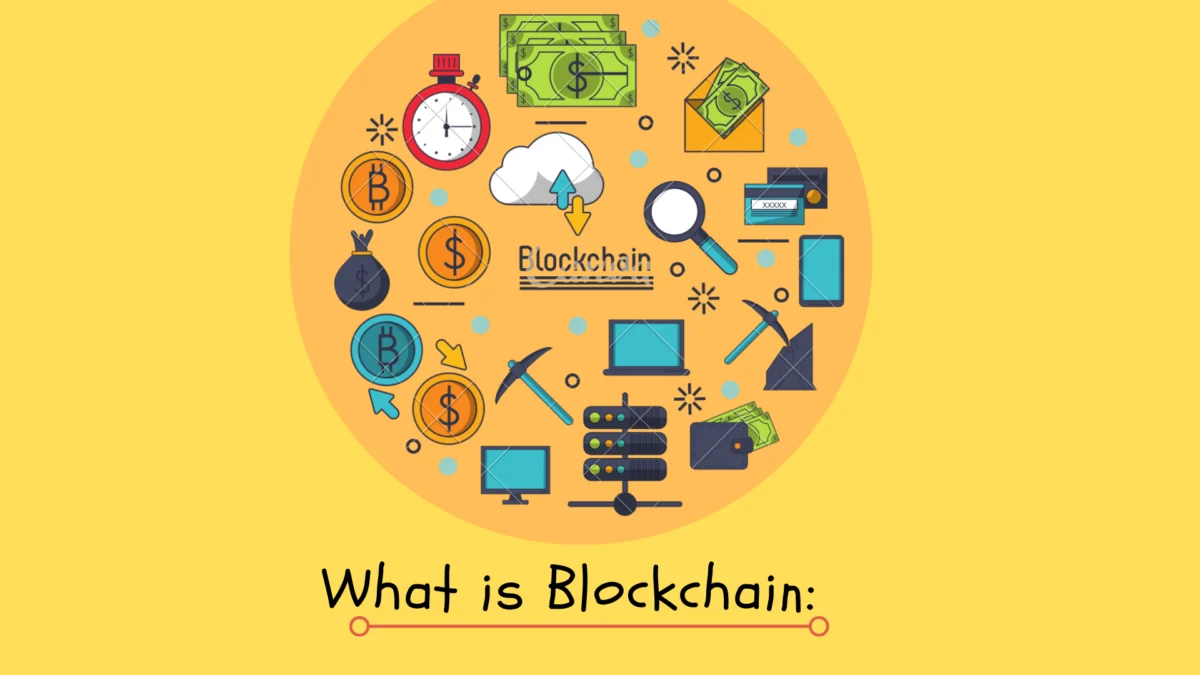
The traditional landscape of online transactions, heavily reliant on centralized intermediaries like banks and credit card companies, is poised for a significant paradigm shift with the accelerating rise of blockchain technology. For decades, conducting financial exchanges online has necessitated the registration of accounts, submission of sensitive personal data, and the use of credit cards or bank transfers. However, a new era is dawning where digital interactions, from payments to data management, could occur without the need for trusted third parties, offering unprecedented levels of security, transparency, and autonomy. This vision of a decentralized digital future is precisely what blockchain technology promises to deliver.
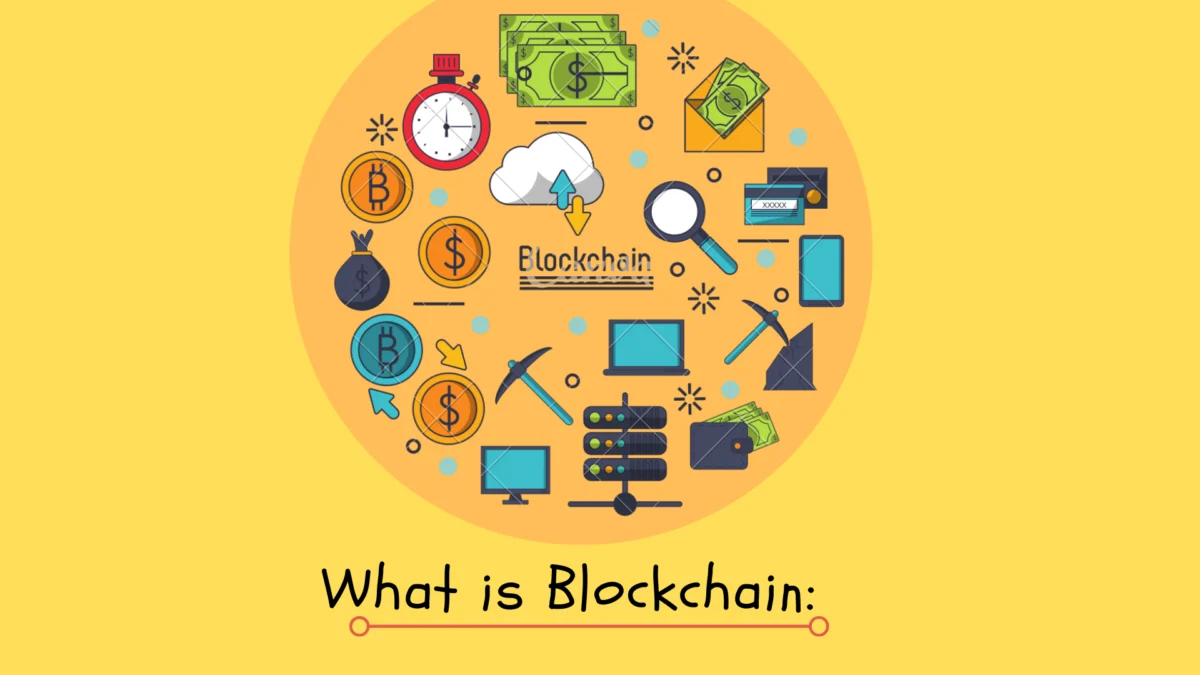
At its core, blockchain is a distributed ledger technology (DLT) that records information in digital blocks, which are then cryptographically linked together in a continuous, immutable chain. Unlike conventional databases where a central authority maintains and controls data, a blockchain’s ledger is distributed across a vast network of computers, known as nodes. Each node holds an identical copy of the ledger, and any new transaction or data entry must be validated by the network before being added as a new block. This decentralized and verifiable structure ensures the integrity and security of the data, making it exceptionally resistant to tampering and fraud.
A Brief History of Decentralized Trust
The foundational concepts underpinning blockchain technology trace back further than many realize, predating the advent of cryptocurrencies. In 1991, mathematicians Stuart Haber and W. Scot Stornetta laid crucial groundwork by proposing a system for cryptographically securing a chain of blocks, ensuring that document timestamps could not be altered. Their innovation was designed to create an unforgeable record, effectively providing an immutable audit trail for digital data. This early work introduced the concept of linking blocks using cryptographic hashes, where each block contains a timestamp and a hash of the previous block, making any alteration to past data immediately detectable.
A few years later, in 1998, computer scientist Nick Szabo independently conceptualized "Bit Gold," a decentralized digital currency system that incorporated elements similar to a blockchain. Although Bit Gold was never fully implemented, it outlined a mechanism for creating unforgeable proof-of-work chains to secure digital assets, foreshadowing many of the principles that would later define cryptocurrencies. However, it wasn’t until 2008, with the publication of a whitepaper by an anonymous entity known as Satoshi Nakamoto, that the first practical and widely adopted application of blockchain technology emerged: Bitcoin. Nakamoto’s innovation was to combine existing cryptographic techniques, including Haber and Stornetta’s chained blocks and Szabo’s proof-of-work ideas, to create a secure, peer-to-peer electronic cash system that operated without a central authority. The Bitcoin network officially launched in January 2009, marking the birth of both the first cryptocurrency and the first fully realized blockchain.
Understanding Blockchain’s Operational Mechanics
To grasp the revolutionary nature of blockchain, it is essential to understand its operational mechanics, which differ fundamentally from traditional data storage systems. When a transaction (or any data) occurs on a blockchain network, it initiates a multi-step process:
- Transaction Initiation: A user initiates a transaction, which is then broadcast to the network. This transaction could be a monetary transfer, a smart contract execution, or any other data interaction.
- Verification by Nodes: The network’s participating computers (nodes) verify the transaction. Depending on the blockchain’s consensus mechanism (e.g., Proof of Work, Proof of Stake), nodes compete or are selected to validate the legitimacy of the transaction, ensuring it adheres to network rules and that the sender has the necessary assets or permissions.
- Block Creation: Once a set of verified transactions is aggregated, it forms a "block." This block contains a timestamp, transaction data, and a cryptographic hash of the previous block, creating a chronological and tamper-proof link.
- Block Addition to the Chain: The newly created block is then added to the existing blockchain. This addition is immutable; once a block is added, its data cannot be altered or removed without invalidating all subsequent blocks in the chain.
- Distribution and Synchronization: The updated blockchain is then distributed across all participating nodes in the network, ensuring that every participant has an identical, up-to-date copy of the ledger. This constant synchronization is what gives blockchain its resilience against single points of failure and malicious attacks.
This entire process, while intricate in its technical details, can be executed remarkably quickly with modern computational power, often within minutes or even seconds, depending on the specific blockchain protocol. The continuous advancement in cryptographic algorithms and network architectures promises even greater speed and efficiency in the future.
Beyond Cryptocurrencies: Diverse Applications of Blockchain
While blockchain is inextricably linked with cryptocurrencies like Bitcoin and Ethereum, its utility extends far beyond digital money. Its core attributes – decentralization, immutability, transparency, and security – make it a powerful tool for various industries seeking to enhance data integrity, streamline processes, and build trust.
One of the most compelling applications is in supply chain management. Companies like Walmart, in collaboration with IBM’s Food Trust platform, utilize blockchain to meticulously track food products from farm to fork. This system logs every step of a product’s journey – cultivation, processing, packaging, shipping, and retail – creating an unalterable record. In cases of contamination outbreaks, such as E. coli or Salmonella, or the accidental introduction of allergens, this blockchain-enabled traceability dramatically reduces the time required to identify the source. What traditionally took weeks or months of manual investigation can now be accomplished in seconds, allowing for rapid recalls, minimizing consumer risk, and protecting brand reputation. This model is being adopted by major players like AIG, Siemens, Pfizer, and Unilever for their respective supply chains, demonstrating its value in ensuring product authenticity and safety.
In the financial sector, blockchain is revolutionizing more than just payments. Decentralized Finance (DeFi) platforms leverage blockchain and smart contracts to offer services like lending, borrowing, and trading without traditional banks. Asset tokenization, where real-world assets like real estate or art are represented as digital tokens on a blockchain, opens new avenues for fractional ownership and liquidity. The World Economic Forum estimates that blockchain technology could add $1.76 trillion in value to the global economy by 2027, with much of this growth stemming from financial services and supply chain optimization.
Healthcare stands to benefit from blockchain’s robust security features. Patient records can be stored on a blockchain, providing an immutable log of medical history, prescriptions, and treatments. This enhances data privacy, prevents tampering, and facilitates secure sharing of information among authorized medical professionals, improving coordinated care and reducing administrative overhead. Similarly, pharmaceutical companies can use blockchain to track drugs, combating counterfeiting and ensuring the integrity of the medication supply chain.
Other emerging applications include digital identity management, where individuals can control their personal data and grant access selectively; intellectual property protection, by timestamping creations to prove ownership; and even secure voting systems, offering transparent and verifiable election processes. The sheer breadth of these applications underscores blockchain’s potential to fundamentally transform how data is managed and trust is established in the digital age.
The Power of Decentralization: A Paradigm Shift in Data Security
One of the most critical advantages of blockchain technology is its inherent decentralization. In traditional centralized systems, all data is stored in a single location or a few interconnected servers, making them vulnerable to single points of failure, cyberattacks, and censorship. If a central server is compromised, all the data it holds is at risk.
Blockchain mitigates this risk by distributing the ledger across a vast network of independent computers. Each of these nodes holds a complete copy of the blockchain. If one node experiences a problem, or even if a malicious actor attempts to alter data on a single node, the integrity of the overall network remains uncompromised. The other nodes, by cross-referencing their identical copies of the ledger, can identify and reject any incorrect or fraudulent data. This distributed consensus mechanism ensures the authenticity and immutability of the data, providing a level of security that centralized systems struggle to match.
This decentralized architecture means that no single entity owns or controls the blockchain. Instead, it is maintained collectively by its network participants. This collective ownership fosters trust and transparency, as all transactions are publicly visible (though often pseudonymous) and verifiable by anyone on the network. For industries dealing with sensitive information, legal contracts, state identifications, or complex inventory management, blockchain offers a robust solution for data integrity and authenticity, eliminating reliance on vulnerable central authorities.
Advantages and Challenges: A Balanced Perspective
Like any transformative technology, blockchain presents a compelling array of advantages but also comes with its own set of challenges that need to be addressed for widespread adoption.
Advantages (Pros):
- Enhanced Security: Cryptographic hashing and decentralization make blockchains highly resistant to hacking and data tampering.
- Transparency and Immutability: All validated transactions are permanently recorded and visible to network participants, fostering trust and accountability.
- Decentralization: Eliminates the need for intermediaries, reducing costs, increasing efficiency, and mitigating single points of failure.
- Increased Efficiency: Automated processes via smart contracts can streamline operations and reduce transaction times.
- Reduced Costs: By removing intermediaries, transaction fees and operational overhead can be significantly lowered.
- Traceability: Provides a comprehensive and verifiable audit trail for assets and data, crucial for supply chains and regulatory compliance.
Challenges (Cons):
- Scalability Issues: Many current blockchain networks, particularly those relying on Proof of Work, struggle with transaction speed and volume compared to centralized systems. For example, Bitcoin processes far fewer transactions per second than Visa.
- Energy Consumption: Proof of Work consensus mechanisms, used by Bitcoin, consume significant amounts of energy due to the computational power required for mining, raising environmental concerns.
- Regulatory Uncertainty: The evolving and often fragmented regulatory landscape across different jurisdictions poses challenges for businesses seeking to implement blockchain solutions.
- Complexity and Adoption Barrier: The technical complexity of blockchain can be a barrier to entry for users and businesses, requiring specialized knowledge and infrastructure.
- Data Storage Limitations: Storing large amounts of data directly on-chain can be inefficient and expensive.
- Interoperability: Different blockchain networks often operate in isolation, making it difficult for them to communicate and exchange data seamlessly.
- 51% Attack Vulnerability: Theoretically, if a single entity or group gains control of over 50% of a blockchain’s mining or staking power, they could manipulate transactions, though this is extremely difficult on large, established networks.
Market Adoption and Future Outlook
Despite the challenges, the adoption curve for blockchain technology is steepening across various sectors. According to a 2023 report by Grand View Research, the global blockchain technology market size was valued at USD 11.12 billion in 2022 and is projected to grow at a compound annual growth rate (CAGR) of 85.9% from 2023 to 2030, reaching an estimated USD 1,460.67 billion. This indicates a strong institutional belief in its transformative power.
Major corporations continue to invest heavily. IBM, for instance, has been a pioneer in enterprise blockchain solutions, developing platforms like IBM Blockchain Platform and Hyperledger Fabric to assist businesses in building their own blockchain networks for supply chain, finance, and other applications. Financial institutions, initially wary, are now exploring blockchain for faster cross-border payments, clearing, and settlement. Central banks globally are also researching Central Bank Digital Currencies (CBDCs), which would leverage blockchain or DLT for national digital currencies.
The trajectory suggests that blockchain will move from niche applications to widespread integration across diverse industries within the next 5-10 years. From finance and healthcare to logistics, manufacturing, and even entertainment, blockchain’s ability to create trusted, transparent, and efficient systems will drive its proliferation. As the technology matures, addressing scalability and energy consumption through innovations like Proof of Stake and sharding, and as regulatory frameworks become clearer, the initial hesitation surrounding blockchain will diminish. Business leaders, CEOs, and entrepreneurs are increasingly recognizing the strategic advantages and competitive edge offered by blockchain solutions, poised to leverage them for enhanced operational efficiency, security, and novel business models.
In conclusion, blockchain technology represents more than just an innovation; it embodies a fundamental shift in how trust and data integrity are established in the digital realm. By empowering decentralized networks and disintermediating traditional gatekeepers, it opens up a world of possibilities for secure, transparent, and efficient digital interactions. While challenges remain, the ongoing evolution and increasing adoption across industries underscore blockchain’s profound potential to revolutionize our digital future.