Lina Irawan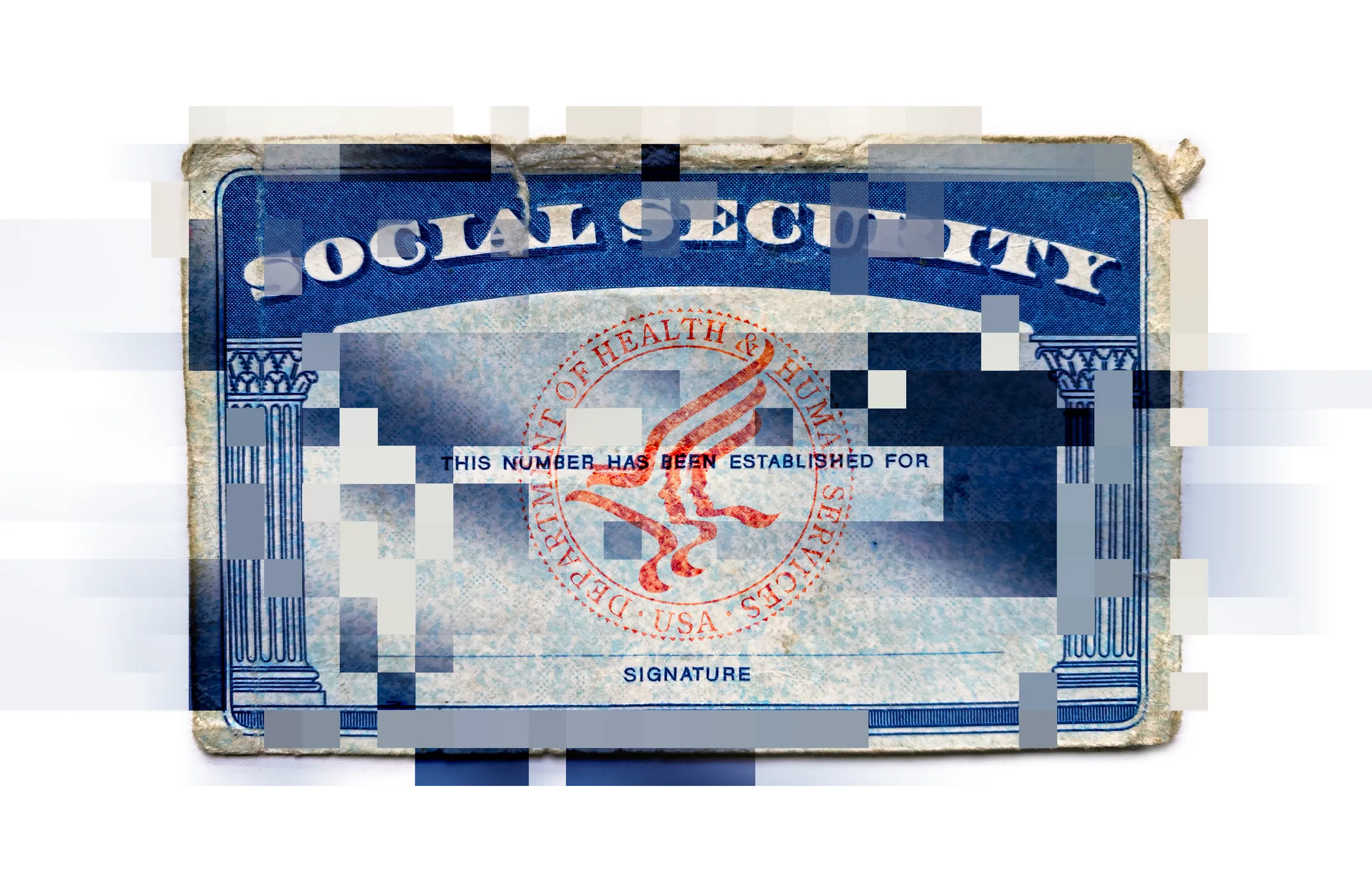
The Social Security Administration (SSA) categorically states that it will never contact individuals by phone to inform them that their Social Security number (SSN) has been suspended. This fundamental truth serves as a critical bulwark against a rapidly evolving landscape of sophisticated scams, which continue to defraud unsuspecting citizens of millions of dollars annually. As technological advancements empower fraudsters with increasingly convincing tactics, public awareness and vigilance have become paramount in protecting personal information and financial assets.
The Anatomy of a Persistent Threat: How Scammers Operate
The core premise of the "SSN suspension" scam revolves around creating a sense of urgency and panic. Scammers initiate unsolicited phone calls, often displaying caller ID information that has been "spoofed" to mimic legitimate government agencies, including the SSA, local police departments, or even the Department of Justice (DOJ). Upon connection, the caller, often using a pre-recorded message or a live voice, claims that the victim’s SSN has been suspended, revoked, or linked to severe criminal activity such as drug trafficking, money laundering, identity theft, or even an abandoned vehicle found with their personal details.
This initial shock tactic is designed to disarm the target, pushing them into a state of fear-driven decision-making. The scammer then presents "options" to resolve the fabricated issue, which invariably involve either providing sensitive personal information—including the SSN itself, bank account details, or online account passwords—or making an immediate payment. Payments are frequently demanded via unconventional and untraceable methods, such as gift cards, wire transfers, or cryptocurrency, all of which are hallmarks of fraudulent schemes. The Department of Justice’s Elder Justice Initiative has consistently warned the public about these predatory tactics, noting their particular impact on senior citizens, who are often targeted due to perceived vulnerability and trust in authority figures.
The Immutable Nature of Social Security Numbers
A cornerstone of combating these scams lies in understanding the administrative reality: a Social Security number is a unique, lifetime identifier assigned to individuals by the U.S. government. It is not a service or an account that can be "suspended," "blocked," or "revoked" due to alleged criminal activity. Unlike a driver’s license or a bank account, an SSN does not have a status that can be administratively altered or temporarily deactivated by the SSA based on a phone call. While certain Social Security benefits can be suspended under specific legal circumstances (e.g., incarceration, failure to report earnings), the underlying SSN itself remains valid and active. This crucial distinction is consistently overlooked by victims under duress, highlighting the effectiveness of the scammers’ fear-mongering approach.
The SSA’s official guidance explicitly states that the agency will never threaten arrest or demand payment to "restore" an SSN. Legitimate communications from the SSA are typically initiated via official mail for important matters, or if a beneficiary has an ongoing relationship with the agency and has provided consent for phone contact. Even in such cases, the SSA would never use threatening language or demand immediate payment through non-traditional means.
A Chronology of Deception: The Evolution of Government Impersonation Scams
Government impersonation scams, while evolving in methodology, are not a new phenomenon. Historically, fraudsters would impersonate IRS agents, threatening arrest for unpaid taxes. The shift towards Social Security numbers as the primary bait gained significant traction in the mid-to-late 2010s.
- Early 2010s: Initial scam attempts often involved simpler phone calls, sometimes with broken English, demanding payment for fabricated tax debts.
- Mid-2010s: The "IRS scam" became widespread, prompting significant public awareness campaigns. As the public became more aware of IRS scams, fraudsters began diversifying their tactics.
- Late 2010s (2018-2019 onwards): The "SSN suspension" scam surged, quickly becoming one of the most prevalent government impersonation schemes. The Federal Trade Commission (FTC) and the SSA Office of the Inspector General (OIG) began issuing frequent alerts about this specific threat, noting a significant uptick in complaints. This period also saw the increasing use of phone spoofing technology, making it harder for individuals to discern the legitimacy of a call based solely on the displayed number.
- Early 2020s to Present: Scammers have integrated even more sophisticated elements. The use of artificial intelligence (AI) to generate realistic voices, sometimes mimicking the voice of a family member or an official, has emerged. Fraudsters also employ fake credentials or official-looking documents sent via email or text to lend credibility to their fabricated claims. The tactic of transferring victims to a "second official" or "law enforcement officer" to escalate the threat has also become more common, creating a multi-layered deception.
This chronological evolution underscores the adaptability of criminal networks and the constant need for updated public education campaigns.
The Devastating Toll: Statistical Insights and Broader Impact
The financial and emotional toll of these scams is staggering. Data from both the FTC and the SSA OIG paint a grim picture:
- Financial Losses: According to the FTC, government impersonation scams, including those related to Social Security, were among the top reported fraud categories. In 2022, consumers reported losing nearly $2.6 billion to imposter scams, a significant portion of which involved government impersonators. While specific SSN suspension scam figures vary, they contribute substantially to these totals. The SSA OIG reported that from January 2020 to March 2021 alone, over 93,000 people reported SSN-related scam calls, with reported losses exceeding $48 million.
- Prevalence: Millions of unwanted scam calls are placed annually. While not all result in financial loss, the sheer volume indicates the persistent threat. The SSA OIG typically receives hundreds of thousands of reports of alleged SSA impersonation scams each year.
- Vulnerable Populations: While anyone can fall victim, older adults are disproportionately targeted and often suffer higher financial losses. Scammers prey on their respect for authority, potential lack of familiarity with evolving digital threats, and sometimes their accumulated savings. Younger demographics, however, are also increasingly targeted, particularly through text-based phishing attempts and social media.
Beyond the immediate financial loss, victims often experience profound emotional distress, shame, and a significant breach of trust. Identity theft, a common consequence of sharing sensitive information, can lead to years of financial instability and personal struggle, requiring extensive effort to rectify credit reports and reclaim digital identities. The broader societal implication is an erosion of trust in legitimate government communications, making it harder for agencies to disseminate vital information effectively.
Official Responses and Prevention Strategies
Both the SSA and the FTC have robust resources dedicated to educating the public and combating these scams:
- SSA Scam Guidance: The SSA’s dedicated scam guidance page (ssa.gov/scam) provides clear information on what the agency will and will not do, common scam tactics, and how to report suspicious activity. They emphasize that the SSA will never:
- Threaten arrest or legal action.
- Demand immediate payment via gift cards, wire transfers, or cryptocurrency.
- Ask for personal information over the phone unless the individual has initiated contact or has an ongoing relationship with the agency.
- Call to "suspend" an SSN.
- FTC Consumer Alerts: The FTC’s consumer guides (consumer.ftc.gov) offer broad protection advice against various scams, including government impersonation. Their alerts often highlight current trends and provide actionable steps for prevention and reporting.
- Department of Justice: The DOJ, through initiatives like the Elder Justice Initiative, actively prosecutes perpetrators of elder fraud and provides resources to protect vulnerable populations.
These agencies consistently advise that if a call seems suspicious, the safest course of action is to hang up immediately. Individuals should independently contact the SSA using the official phone number (1-800-772-1213) or by visiting their official website (ssa.gov) to verify any claims, rather than relying on information provided by the caller.
Identifying Red Flags: Beyond the Initial Call
While the "SSN suspension" claim is a major red flag, other warning signs can reveal a scam:
- Threats and Intimidation: Any caller threatening arrest, legal action, or dire consequences if immediate action isn’t taken is almost certainly a scammer. Legitimate government agencies operate within established legal frameworks and do not use intimidation tactics.
- Demands for Unusual Payment Methods: Requests for payment via gift cards (e.g., iTunes, Amazon), wire transfers (e.g., Western Union, MoneyGram), cryptocurrency, or cash mailed in packages are definitive indicators of fraud. These methods are chosen by scammers because they are difficult to trace and recover.
- Requests for Sensitive Personal Information: While the SSA may ask for certain verification details if you initiate contact, they will never demand your full SSN, bank account numbers, credit card details, account passwords, or verification codes during an unsolicited call.
- Transfers to "Other Agencies" or "Law Enforcement": Scammers often attempt to lend credibility by transferring the victim to a "supervisor," "investigator," or "local police department." This is a tactic to create a more elaborate illusion and escalate the pressure.
- Official-Looking Documents/Fake Credentials: The presence of seemingly official documents or badges sent via email or text should be treated with extreme skepticism. These are often easily fabricated.
- Artificial Intelligence (AI) Generated Voices: The increasing use of AI to clone voices or generate convincing robotic voices can make calls sound more professional but should not override other red flags.
Immediate Action: What to Do During and After a Scam Call
The response to a potential scam call should be swift and decisive:
- During the Call: The most effective action is to simply hang up. Do not engage, do not confirm any information, and do not try to reason with the scammer.
- After Hanging Up (No Information Shared): Even if no personal information was compromised, report the attempt. This helps law enforcement and agencies track trends and issue warnings.
- Report to the SSA Office of the Inspector General (oig.ssa.gov/report).
- Report to the Federal Trade Commission (reportfraud.ftc.gov).
- After Hanging Up (Information Shared): If you have unfortunately provided sensitive information or made a payment, immediate action is crucial to mitigate damage:
- Freeze Your Credit: Contact the three major credit bureaus—Equifax, Experian, and TransUnion—to freeze your credit. This prevents new accounts from being opened in your name.
- Alert Financial Institutions: Immediately contact your bank, credit card companies, or any other financial institution whose details you may have shared. Inform them of the breach and monitor your accounts for suspicious activity.
- Change Passwords: Change all compromised passwords across your online accounts, especially for banking, email, and any "my Social Security" account. Use strong, unique passwords and enable multi-factor authentication where available.
- Secure "my Social Security" Account: If you have a "my Social Security" account, secure it with a strong password. If you don’t have one, consider creating one to prevent a scammer from doing so in your name and potentially diverting benefits.
- Attempt Fund Recovery: If you sent money via wire transfer, gift card, or cryptocurrency, contact the respective service (e.g., Western Union, MoneyGram, the gift card company, or the crypto platform) immediately to report the fraud. While recovery is not guaranteed, acting quickly increases the slim chances.
- File a Police Report: Consider filing a report with your local police department, especially if identity theft is suspected.
Broader Implications: Erosion of Trust and Digital Vigilance
The pervasive nature of SSN suspension scams, alongside other government impersonation schemes, has far-reaching implications. It contributes to a general erosion of public trust in official communications, making it challenging for legitimate agencies to reach citizens with critical information. Furthermore, these scams highlight the growing need for digital literacy and heightened vigilance in an increasingly connected world. Citizens must develop a healthy skepticism towards unsolicited contacts and understand that verifying information through official, independently sourced channels is always the safest approach.
The ongoing battle against these sophisticated criminal enterprises requires a multi-pronged approach: continuous public education, robust law enforcement efforts, and technological advancements to counter scammer tools like spoofing and AI voice generation. Ultimately, an informed and vigilant public remains the strongest defense against those who seek to exploit fear and trust for financial gain.