Lina Irawan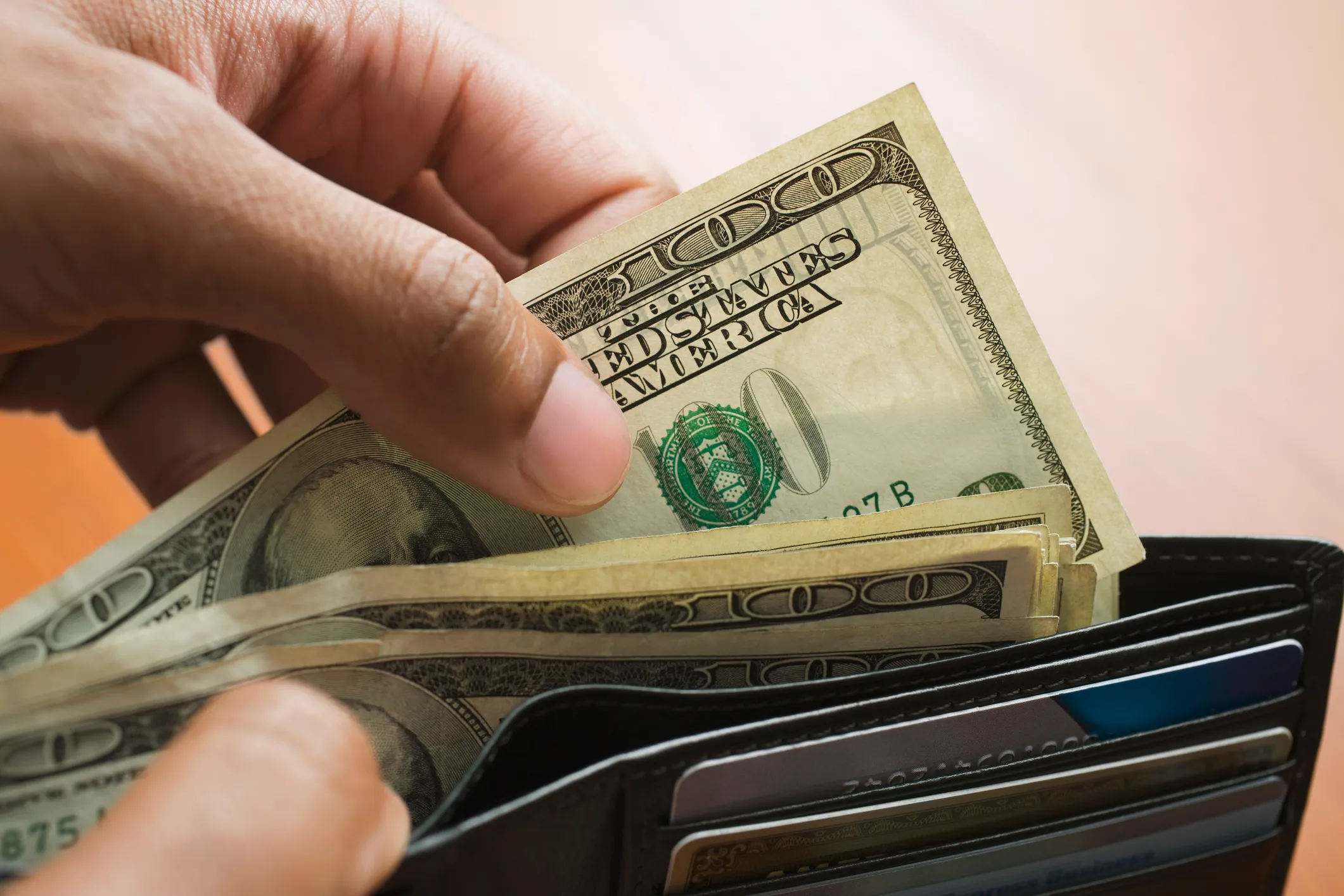
The landscape of personal finance has undergone a profound transformation in recent years, shifting from the tangible security of leather wallets brimming with cash and plastic cards to the ethereal convenience of digital payment systems integrated into our smartphones and wearable devices. This seismic shift, driven by technological advancements and evolving consumer preferences, has redefined how individuals conduct transactions, manage financial assets, and interact with the commercial world. The ubiquity of smartphones has positioned them as the central hub for an increasingly interconnected digital life, making the digital wallet a natural evolution in this technological progression.
From Physical Wallets to Digital Ecosystems: A Brief Chronology
The concept of mobile payments is not entirely new, with early attempts dating back to the late 1990s and early 2000s, often relying on SMS-based transactions or proprietary systems with limited adoption. The real inflection point arrived with the proliferation of smartphones and the integration of Near Field Communication (NFC) technology. Google Wallet, launched in 2011, was an early pioneer, demonstrating the potential for phones to replace physical cards. However, it was the introduction of Apple Pay in 2014 that truly catalyzed mainstream adoption, leveraging Apple’s vast user base and establishing a user-friendly, secure framework that quickly became a benchmark. Samsung Pay followed suit, and Google subsequently rebranded and refined its offering into Google Pay, solidifying a competitive ecosystem for mobile payment solutions.
This evolution can be charted as follows:
- Early 2000s: Primitive mobile payment experiments, often SMS-based or carrier-specific, with limited functionality and merchant acceptance.
- 2011: Google Wallet launches, integrating NFC for contactless payments, marking a significant step towards modern digital wallets.
- 2014: Apple Pay debuts, leveraging NFC, tokenization, and biometric authentication, significantly boosting consumer and merchant confidence.
- 2015: Samsung Pay enters the market, offering both NFC and Magnetic Secure Transmission (MST) technology, allowing compatibility with older card readers.
- Mid-2010s to Present: Rapid expansion of digital wallet features, including integration of loyalty programs, boarding passes, event tickets, digital IDs (in select regions), and peer-to-peer payment functionalities. Increased merchant adoption globally, particularly spurred by the demand for contactless transactions during the COVID-19 pandemic.
Enhanced Security: The Digital Fortress
One of the most compelling advantages of digital wallets, often overlooked by those accustomed to traditional payment methods, is the significantly enhanced security they offer. This superior protection stems primarily from two core technologies: tokenization and encryption.
When a credit or debit card is added to a digital wallet like Apple Pay or Google Pay, the actual 16-digit card number is not stored on the device or transmitted during a transaction. Instead, the payment system generates a unique, encrypted "token" – a device-specific account number – that is used in place of the real card number. This process, known as tokenization, ensures that even if a data breach occurs at a merchant’s point-of-sale system, hackers would only acquire these tokens, which are useless without the corresponding decryption key and context. They cannot be reverse-engineered to reveal the actual card number or used for subsequent fraudulent transactions.
Furthermore, every transaction initiated through a digital wallet is encrypted from end-to-end. This means the tokenized data is scrambled during transmission between the phone and the payment terminal, making it virtually impossible for malicious actors to intercept and decipher sensitive information. This multi-layered security approach stands in stark contrast to traditional physical card transactions, especially those relying on magnetic stripes, which transmit unencrypted card data, making them susceptible to skimming and data theft. Even chip cards, while more secure than magnetic stripes, still transmit the actual card number during a transaction, albeit with dynamic encryption for each use. Digital wallets add an extra layer of abstraction and encryption, making them generally safer.
Beyond tokenization and encryption, digital wallets typically incorporate biometric authentication (fingerprint recognition, facial recognition) or a secure passcode. This means that even if a smartphone is stolen, unauthorized individuals cannot initiate payments without bypassing these security measures, which are often more robust than a lost physical wallet. The risk of physical wallet theft, which exposes all contained cards, cash, and identification documents, is thus largely mitigated when relying on digital payments.
Unlocking Convenience and Maximizing Rewards
Beyond security, the convenience offered by digital wallets is a primary driver of their widespread adoption. The ability to complete transactions with a tap or a glance, without fumbling for physical cards or cash, streamlines the payment process. This efficiency is particularly noticeable in busy retail environments, public transport systems, and quick-service establishments.
For consumers who strategically manage multiple credit cards to maximize rewards, digital wallets present an invaluable tool. Many credit cards offer bonus cashback or points for spending in specific categories, such as 5% back on groceries, 3% on dining, or enhanced rewards for travel bookings. Juggling these various cards in a physical wallet can be cumbersome, leading many to default to a single card and miss out on potential savings. Digital wallets eliminate this friction. Users can store all their credit, debit, and loyalty cards digitally and, at the point of purchase, easily select the optimal card for that specific transaction to earn the maximum rewards. For instance, a user might select their "grocery card" for supermarket purchases and switch to their "travel card" when booking a flight, all within the same seamless interface.
Moreover, digital wallets transcend mere payment functionality. They serve as comprehensive digital organizers, capable of storing a wide array of digital assets:
- Loyalty and Membership Cards: Eliminating the need for a physical keychain full of plastic cards, these can be easily scanned from the phone.
- Boarding Passes and Event Tickets: Simplifying travel and entertainment, with real-time updates and easy access.
- Gift Cards: Consolidating various gift cards, reducing the chance of them being lost or forgotten.
- Digital IDs: In some jurisdictions, digital driver’s licenses or state IDs can be stored, offering a glimpse into a future of entirely digital personal identification.
This consolidation reduces clutter and ensures that essential documents and payment methods are always accessible as long as the smartphone is present and charged.
The Flip Side: Challenges and Limitations
Despite their numerous advantages, digital wallets are not without their drawbacks and limitations, which warrant consideration for a balanced perspective.
The most obvious dependency is the smartphone itself. A dead battery renders the digital wallet unusable, leaving the consumer unable to pay unless a physical backup is carried. Similarly, a damaged or lost phone creates a temporary impediment to transactions, albeit one mitigated by the ability to remotely wipe or lock the device for security. This reliance on a single device introduces a single point of failure that a traditional wallet, containing multiple physical items, does not entirely share.
Another significant hurdle is merchant acceptance. While contactless payment terminals have become increasingly common, particularly in urban areas and developed economies, a substantial number of smaller retailers, older establishments, or businesses in less technologically advanced regions may still lack the necessary NFC-enabled point-of-sale systems. This necessitates carrying a physical card or cash as a fallback, undermining the "phone-only" convenience that digital wallets promise. Merchant adoption rates vary widely by country and sector, impacting the overall utility for consumers. For example, while contactless payments are near-universal in countries like the UK and Australia, their penetration might be lower in certain parts of the United States or emerging markets.
Privacy concerns also loom. While digital wallets offer enhanced security against fraud, the centralized nature of transaction data raises questions about consumer privacy. Payment providers and associated technology companies collect vast amounts of anonymized (and sometimes identifiable) spending data, which can be used for analytics, targeted advertising, or other commercial purposes. While this data collection is often disclosed in terms of service agreements, the extent of its use and potential for de-anonymization remains a subject of ongoing debate and regulatory scrutiny.
Finally, the digital divide poses a challenge. Not everyone owns a smartphone, or has reliable internet access, or is comfortable with digital technologies. This can exclude segments of the population from the benefits of digital wallets, reinforcing existing inequalities in access to financial services.
Making the Most of Your Digital Wallet: Practical Steps
For those ready to embrace or optimize their digital wallet experience, a few practical steps can ensure maximum utility and security:
- Choose the Right Platform: The choice of digital wallet is largely dictated by your smartphone’s operating system. iPhone users will typically utilize Apple Wallet, while Android users will gravitate towards Google Wallet (or Samsung Pay for Samsung devices). Explore the features unique to each to ensure it aligns with your needs.
- Add Your Primary Cards: Begin by adding your most frequently used credit and debit cards. The setup process usually involves scanning the card or manually entering details, followed by a verification step (often via SMS or a banking app) to confirm ownership. Designate a default card for quick payments, which can always be overridden at the point of sale.
- Integrate Loyalty and Membership Programs: Maximize the organizational benefits by adding loyalty cards, gym memberships, library cards, and other digital IDs that support integration. This declutters your physical wallet and ensures you never miss out on points or benefits.
- Explore Additional Features: Many digital wallets support gift cards, transit passes (e.g., Oyster Card, Ventra), and event tickets. Leverage these features to consolidate more of your daily essentials into one digital hub.
- Prioritize Security Settings: Enable strong biometric authentication (Face ID, Touch ID, or fingerprint scanner) or a complex passcode for your device. Ensure your phone’s operating system is always updated to benefit from the latest security patches. Regularly review your transaction history within the wallet app or banking app for any suspicious activity.
- Maintain a Physical Backup: While the goal is to reduce reliance on physical items, it remains prudent to carry a physical credit card and some emergency cash, especially when traveling or visiting establishments where digital payment acceptance might be uncertain. This provides a reliable fallback for unforeseen circumstances.
- Understand Merchant Acceptance: Look for the contactless payment symbol (four curved lines) at checkout. Most modern payment terminals display this, indicating compatibility with digital wallets.
The Broader Impact and Future Trajectory
The rise of digital wallets is not merely a convenience but a harbinger of significant shifts in the financial ecosystem and consumer behavior.
Market Trends and Data:
Industry reports consistently highlight the exponential growth of digital wallet usage. According to various market intelligence firms (e.g., Statista, Juniper Research), mobile payment transaction values are projected to reach trillions of dollars globally within the next few years, with adoption rates in some regions, particularly Asia, already surpassing traditional payment methods. The COVID-19 pandemic significantly accelerated this trend, as consumers and merchants alike sought contactless solutions to minimize physical interaction. This surge in adoption has cemented digital wallets as a foundational element of modern commerce.
Implications for Financial Institutions:
Banks and credit card companies are increasingly integrating their services directly with digital wallet platforms, offering seamless onboarding and enhanced features. This collaboration is crucial for maintaining relevance in a rapidly evolving payment landscape. Furthermore, the rich transaction data generated by digital wallets provides valuable insights for financial product development and personalized offerings.
The "Super App" Phenomenon:
In many parts of the world, particularly Asia, digital wallets are evolving into "super apps" – platforms that integrate not only payments but also messaging, social media, e-commerce, food delivery, ride-hailing, and more. WeChat Pay and Alipay are prime examples of this trend, demonstrating a future where a single digital interface could manage nearly all aspects of a consumer’s digital life. While Western markets have not yet seen the same level of consolidation, the trajectory suggests a move towards more integrated digital experiences.
Regulatory Landscape:
As digital payments become more pervasive, regulators worldwide are grappling with issues related to consumer protection, data privacy, anti-money laundering (AML), and financial inclusion. The development of Central Bank Digital Currencies (CBDCs) in various nations could further intertwine with digital wallet infrastructure, potentially offering new forms of sovereign digital money accessible via these platforms.
Conclusion
Digital wallets represent a pivotal advancement in personal finance, offering a potent combination of security, convenience, and strategic financial management. While challenges related to universal merchant acceptance and reliance on device functionality persist, the continuous evolution of technology, increasing consumer adoption, and expanding feature sets underscore their growing importance. As these platforms mature, integrating more services and becoming even more integral to our daily lives, they are not just replacing physical wallets; they are redefining the very nature of transactions and ushering in a new era of digital-first finance. Understanding their mechanics, benefits, and limitations is essential for navigating the modern economic landscape effectively.