Pevita Pearce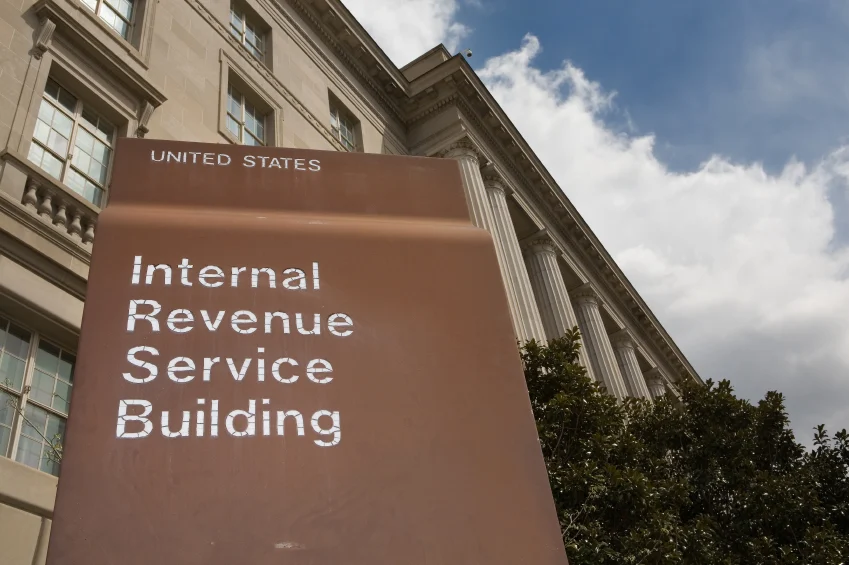
Colleges and universities across the nation are facing a significant technological and procedural shift as the Internal Revenue Service (IRS) prepares to retire its long-standing electronic filing system for information returns. The Filing Information Returns Electronically (FIRE) system, a standard for decades, will be replaced by the Information Returns Intake System (IRIS) for the 2027 tax season. This transition necessitates a comprehensive preparation strategy for higher education institutions, involving the acquisition of new IRS credentials, rigorous testing of updated processes, and ensuring the readiness of all third-party software vendors involved in tax compliance.
The implications of this overhaul extend far beyond the typical purview of bursar or tax offices. As highlighted in a January announcement by the National Association of College and University Business Officers (NACUBO), higher education institutions will require robust departmental coordination to navigate this transition effectively. The process demands proactive application for new IRS credentials and a strategic decision-making framework regarding the optimal utilization of IRIS’s enhanced capabilities.
Queenie Lee, general manager of 1099 reporting at tax compliance software company Avalara, emphasized the intricate nature of higher education filing workflows. "Higher-ed filing workflows involve multiple systems from ERPs, student information systems, middleware, 1098-T providers," Lee stated via email. "And each handoff is a potential failure point under [the new system’s] stricter validation." This inherent complexity underscores the critical need for meticulous planning and execution to avoid disruptions.
The FIRE to IRIS Transition: A Necessary Modernization
The IRS has officially announced that the FIRE system will cease operations at the end of 2026. The IRIS system, which was initially launched in 2022, will become the sole platform for electronic filing of information returns starting with the 2027 tax season. This modernization effort by the IRS is designed to streamline the reporting of tax information for businesses and organizations that handle substantial volumes of data. For colleges and universities, this is particularly relevant as they routinely submit thousands of Form 1098-T, Tuition Statement, for student tuition and fees, as well as numerous Form 1099s for payments made to vendors and contractors.
Institutions planning to file directly with the IRS through IRIS must secure a new IRIS Transmitter Control Code (TCC). This new credential will supersede the existing TCC used for the FIRE system. The IRS estimates that the process for obtaining a new TCC takes approximately 45 days on average, underscoring the urgency for institutions to initiate this application well in advance of the 2026 deadline.
Once registered, institutions will need to determine their preferred method for submitting information returns through IRIS. For smaller filers, the IRIS Taxpayer Portal offers a user-friendly interface for manually entering returns or uploading data via Comma Separated Values (CSV) files. This portal has a limit of up to 250 forms per batch. Larger institutions, however, will likely leverage the Application-to-Application (A2A) method. This advanced approach enables direct communication between tax software systems and the IRS, facilitating the transmission of high volumes of data with greater efficiency.
Navigating the Transition: Institutional Strategies and Preparations
Higher education institutions are adopting diverse strategies to prepare for the IRIS transition, reflecting their unique operational structures and data management capabilities. John Dickey, Finance Functional Lead at St. Louis Community College, anticipates a hybrid approach. The college, which annually generates approximately 25,000 Form 1098-T filings, typically utilizes its enterprise resource planning (ERP) software to produce these electronic files. For Form 1099 filings, which number around 30 annually, manual entry through the IRIS portal is expected to suffice.
At Iowa State University, Tax Analyst Matt Devick indicated that their current ERP system, Workday, already generates electronic files for Form 1099. The university is actively exploring the best options for their Form 1098-T filings. Regardless of the specific software or vendor chosen, Devick stressed the paramount importance of robust data evaluation and update processes. "Third-party companies that we use, they’re only able to submit what you give them," he stated, emphasizing the fundamental responsibility of the institution to ensure data accuracy before it is transmitted.
Experts widely anticipate that the IRIS system will represent a significant improvement over the FIRE system, particularly in data validation and error handling. Queenie Lee of Avalara explained that under the previous FIRE system, mismatches in Taxpayer Identification Numbers (TINs) could remain undetected for extended periods. When errors were eventually flagged, it often necessitated a review of the entire submission batch. In contrast, IRIS provides immediate feedback, categorizing individual records as accepted, accepted with errors, or rejected. This real-time validation capability allows for quicker identification and correction of errors, thereby minimizing downstream complications. Matt Devick echoed this sentiment, describing IRIS as "much more modern, much more straightforward and easy to use compared to the old FIRE system."
For smaller institutions with limited administrative resources, partnering with third-party vendors may offer the most straightforward path. Catherine Duriske, Controller at Monmouth University in New Jersey, noted that her institution relies on a tax consulting firm rather than a dedicated software vendor for their filing needs. However, even with such partnerships, Dickey of St. Louis Community College cautioned that institutions retain the ultimate responsibility for testing their tax filing workflows to ensure seamless integration with the new IRS system. "The big challenge is the vendor," Dickey remarked. "Getting the vendor’s new programming delivered to us, I think everybody’s going to be very anxious about that." This anxiety stems from the potential for delays or technical issues with vendor-provided software updates, which could impact an institution’s ability to meet IRS deadlines.
Third-Party Solutions and Vendor Readiness
The impending transition has spurred a significant demand for robust third-party solutions and a keen focus on vendor readiness. Avalara’s recent webinar on the FIRE-to-IRIS transition attracted over 1,400 registrants, with 45% identifying the change as their top compliance concern for 2026. This indicates a widespread awareness and concern within the higher education sector regarding the implications of the system overhaul. Avalara has proactively addressed these concerns by updating its filing tools to generate the XML format mandated by the IRS, incorporating new data fields for TIN type and separate names, and enhancing capabilities for managing IRIS TCCs.
Software providers are also aligning their offerings with the new IRIS requirements. Michael Hofherr, Senior Vice President and Group General Manager of Industry Product at Workday, stated that the company is developing direct IRIS integration for institutions utilizing Workday’s student information system for Form 1098-T filings. This integration aims to enable direct transmission of data from Workday to IRIS, eliminating the need for manual uploads. Workday already provides support for IRIS filing of Form 1099s through its financial management platform.
The consensus among experts is that institutions must conduct thorough due diligence when evaluating their tax-filing partners and tools. Queenie Lee strongly advises a proactive approach: "Ask every vendor involved in your 1099 or 1098-T workflow (your ERP, your student information system, your filing provider) whether they are IRIS-ready for Tax Year 2026," she urged. "Get a specific answer, not a general assurance." This emphasis on specific, verifiable assurances is crucial to mitigating risks associated with the transition.
Broader Implications and Future Outlook
The move from FIRE to IRIS represents a significant step in the IRS’s broader modernization initiative, aiming to enhance data security, improve efficiency, and provide more timely and accurate tax information. For higher education, this transition offers an opportunity to re-evaluate and optimize existing financial and administrative processes. The enhanced validation capabilities of IRIS, for instance, could lead to a reduction in reporting errors and penalties, ultimately saving institutions time and resources.
However, the success of this transition hinges on the preparedness of all stakeholders. Colleges and universities must not only secure new credentials and adapt their internal processes but also ensure that their technology vendors are fully compliant and ready to support the new system. The timeline for this transition is tight, with the end of 2026 marking the definitive retirement of the FIRE system. Institutions that delay their preparation risk facing significant challenges in meeting their tax filing obligations for the 2027 tax season.
The IRS has provided resources and guidance through its website, including detailed information on the IRIS system, TCC application procedures, and A2A specifications. However, the onus remains on each institution to interpret this information and translate it into actionable steps. The collaborative efforts between institutions, software vendors, and tax service providers will be critical in ensuring a smooth and successful transition to the IRIS platform, safeguarding financial compliance and operational continuity for higher education in the years to come. The investment in understanding and implementing the new system’s requirements now will pay dividends in terms of efficiency and accuracy in future tax seasons.
© 2026 Government Technology. Visit www.govtech.com. Distributed by Tribune Content Agency LLC.