Lina Irawan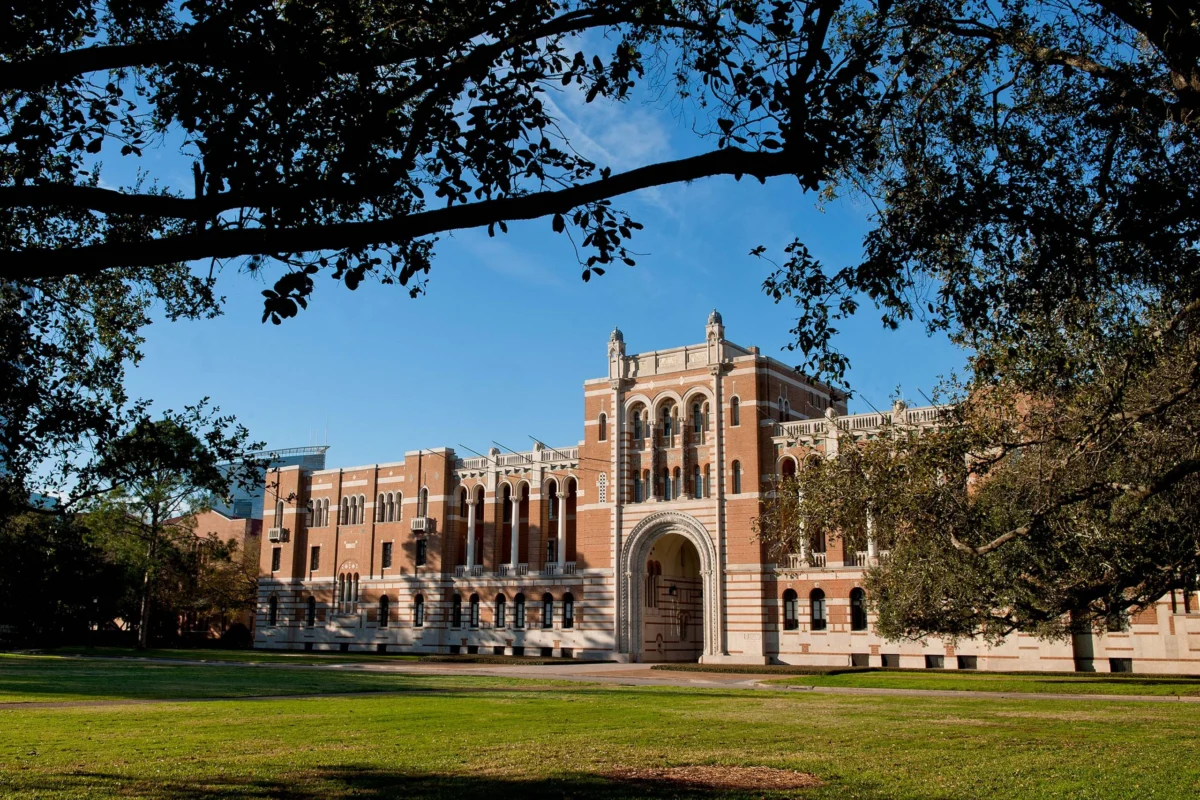
The landscape of higher education finance is undergoing a significant transformation, with a growing number of highly selective institutions leveraging their substantial endowments to make college more accessible for a wider range of students. This week, Rice University in Houston, Texas, announced a pivotal expansion of its signature financial aid program, "The Rice Investment," a move set to reshape affordability for middle-income families seeking a top-tier education.
Rice University’s Landmark Expansion of The Rice Investment Program
Beginning with students matriculating in the fall of 2027, Rice University will offer free tuition to families earning up to $200,000 annually. This substantial increase in the income threshold signifies a profound commitment to reducing the financial burden on middle-income households, who often find themselves in a challenging position—earning too much for significant federal aid but still struggling to meet the escalating costs of private university tuition. Furthermore, students from families earning less than $100,000 will receive comprehensive grants designed to cover not only tuition but also mandatory fees, room, and board. A cornerstone of Rice’s financial aid philosophy, the university will continue its policy of meeting 100% of demonstrated financial need without incorporating student loans into aid packages, allowing many graduates to enter the workforce unburdened by educational debt.
This expansion builds upon the program’s initial success and underscores a strategic decision by university leadership to enhance socio-economic diversity and ensure that a Rice education remains within reach for academically talented students regardless of their family’s financial standing. University officials emphasized that this initiative aligns with Rice’s mission to attract the brightest minds and foster an inclusive learning environment, recognizing that financial barriers can often deter exceptional candidates. The decision follows extensive analysis of economic trends, including the rising cost of living and the stagnant growth of middle-class incomes relative to educational expenses.
The Broader Context: A National Trend Towards Enhanced Affordability
Rice University’s announcement is not an isolated incident but rather a prominent example of a burgeoning trend among a select group of highly endowed colleges and universities across the United States. Faced with ever-increasing sticker prices—with published tuition at many private institutions now exceeding $65,000 per year—these schools are increasingly employing their robust financial reserves to reduce or even eliminate the cost of attendance for students from low- and middle-income backgrounds. This strategic shift is driven by multiple factors, including intense competition for top academic talent, a desire to promote social mobility, and a response to the national conversation surrounding student loan debt and college affordability.
For decades, the soaring cost of higher education has been a major concern for American families, leading to a national student loan debt crisis exceeding $1.7 trillion. In this environment, the proactive measures taken by institutions like Rice, Harvard, MIT, and Princeton offer a beacon of hope. They demonstrate that while the published tuition figure might be daunting, the actual "net price" paid by many admitted students can be substantially lower, or even zero, thanks to generous institutional grants and scholarships. This movement is also observed in certain public universities, which offer tuition waivers for in-state students, and in some mission-focused colleges that have championed free tuition models for generations.
Leading Institutions Expanding Access: A Detailed Overview
The following institutions represent a vanguard in the movement to enhance college affordability, each with distinct programs and eligibility criteria:
Harvard University
Harvard substantially expanded its aid program in 2025, solidifying its position as a leader in collegiate affordability. Students from families earning up to $200,000 generally qualify for free tuition. For many families earning $100,000 or less, the aid packages are comprehensive, covering not only tuition but also housing, food, health insurance, and even travel costs. Harvard’s commitment to a "no-loan" policy means financial aid packages do not include student loans, allowing a significant number of graduates to embark on their post-collegiate lives debt-free. This commitment to need-based aid, backed by one of the world’s largest university endowments, allows Harvard to attract a diverse cohort of students from various socio-economic backgrounds, fostering a richer academic and social environment.
Massachusetts Institute of Technology (MIT)
MIT, a global leader in science and technology, has also made significant strides in affordability. The institution now provides free tuition to students from families earning up to $200,000, assuming typical asset levels. Families with incomes below roughly $100,000 often receive packages that cover the full cost of attendance, encompassing housing, meals, and other essential expenses. MIT employs a need-blind admissions process for U.S. applicants, meaning an applicant’s financial situation has no bearing on their admission decision. Once admitted, the university pledges to meet 100% of their demonstrated financial need, ensuring that economic circumstances do not hinder access to its world-renowned programs. This approach reinforces MIT’s dedication to meritocracy and intellectual excellence.
Princeton University
Princeton has long been recognized as one of the nation’s most generous financial aid providers. Students from families earning up to approximately $150,000 typically receive grants that cover the entire cost of attendance. What sets Princeton apart is its extensive reach: even families with significantly higher incomes, including many earning well above $250,000, may still qualify for substantial grant aid depending on factors such as assets, family size, and other unique financial circumstances. Princeton was a pioneer in eliminating student loans from its financial aid packages more than two decades ago, a policy that has profoundly impacted its graduates by reducing post-commencement financial stress.
Yale University
Yale University also stands out for its highly generous need-based aid programs. Families earning under $100,000 generally pay nothing toward tuition, room, or board. Moreover, many middle-income families earning up to $250,000 can also receive free tuition. Like its Ivy League counterparts, Yale is committed to meeting 100% of demonstrated financial need without requiring student loans, ensuring that its diverse student body can pursue their academic and career aspirations without the burden of educational debt. This strategy has allowed Yale to attract a globally diverse and socio-economically varied student population, enriching its academic and campus life.
Duke University
Duke University, a prominent institution in the South, has focused its expanded financial aid efforts geographically. Beginning with students enrolling in fall 2023, Duke enhanced its aid for students from North Carolina and South Carolina. Families from these states earning up to $150,000 now qualify for free tuition. For those from the Carolinas with family incomes below $65,000, the university generally provides full financial support covering tuition, housing, and meals. While its most generous provisions are state-specific, Duke has also broadened aid for students from across the U.S., with eligibility varying based on income and assets, demonstrating a broader commitment to affordability.
Berea College
Unlike many of the highly selective universities on this list that have recently expanded aid, Berea College in Kentucky has championed free tuition for generations. Every admitted student receives a "Tuition Promise Scholarship" that covers 100% of tuition costs. While students are still responsible for housing, meals, and fees, financial aid often helps alleviate these additional expenses. Berea’s unique model also integrates a mandatory campus work program, providing every student with a paid job while enrolled. This not only helps offset costs but also instills a strong work ethic and provides valuable professional experience, aligning with the college’s founding mission of educating students of great promise with limited economic resources.
College of the Ozarks
Nestled in Missouri, the College of the Ozarks, affectionately known as "Hard Work U.," similarly charges no tuition to its full-time students. Instead, students participate in a required labor program, working on campus through various jobs that help offset their educational costs. This unique vocational model, deeply embedded in the college’s mission, means that many graduates leave with little to no student debt, a stark contrast to the national trend. The college’s emphasis on vocational training, patriotic education, and character development provides a distinctive educational experience rooted in self-sufficiency and service.
California Institute of Technology (Caltech)
Caltech, another world-renowned institution for science and engineering, recently expanded its financial aid commitment. It now joins the growing ranks of elite schools offering free tuition to many middle-income families. Students from families earning less than $200,000 annually, with typical assets, can generally anticipate financial aid packages that fully cover tuition. Those from families earning under $100,000 typically receive grants covering tuition, fees, housing, and meals, allowing many students to attend at little or no cost. Caltech’s steadfast commitment to meeting 100% of demonstrated financial need for all admitted students underscores its dedication to nurturing scientific talent irrespective of economic background.
Columbia University
Columbia University in New York City operates one of the nation’s most generous need-based financial aid programs. Beginning with students entering in fall 2025, families with annual incomes under $150,000, and typical assets, generally qualify for free tuition. For families with incomes below roughly $66,000, aid often covers the full cost of attendance, including housing and meals. Columbia also meets 100% of demonstrated financial need without requiring student loans, a crucial policy for students navigating the high cost of living in an urban environment. This robust aid program reflects Columbia’s commitment to access and diversity within its student body, attracting a global cohort to its intellectually vibrant campus.
Emory University
Emory University recently joined the expanding list of colleges enhancing aid to middle-income families with the introduction of its "Emory Advantage Plus" program. Starting in fall 2026, undergraduate students from families earning up to $200,000, with typical assets, will qualify for grants covering the full cost of tuition. This program encompasses Emory College, Oxford College, the undergraduate business program, and the nursing school, building upon Emory’s longstanding commitment to meeting demonstrated financial need. This initiative is expected to significantly broaden the university’s applicant pool and enhance its socio-economic diversity.
Tufts University
Tufts University introduced the "Tufts Tuition Pact" for students entering in fall 2026. Under this program, U.S. undergraduates from families earning less than $150,000 annually, with typical assets, will receive grants covering the full cost of tuition. Tufts continues to meet 100% of demonstrated financial need, with many lower-income students receiving additional aid for housing, meals, and other educational expenses. This strategic move aligns Tufts with its peers in ensuring that a highly selective education is not solely the purview of the wealthy but is accessible to talented students from a broad spectrum of economic backgrounds.
University of Chicago
The University of Chicago has steadily expanded its financial aid program, making its distinctive education more accessible. Starting in the fall of 2027, students from families earning less than $250,000 can attend tuition-free. For students from families earning up to $125,000, aid will also cover room, board, and other expenses. While the university offers generous need-based aid to students from across the country, this specific tuition guarantee particularly applies to qualifying Illinois residents, highlighting an effort to serve its local community while maintaining national competitiveness.
Public University Initiatives: University of Michigan and University of Virginia
Public universities, while typically having lower sticker prices than private institutions, also play a crucial role in affordability.
The University of Michigan, through its "Go Blue Guarantee," offers free tuition to eligible in-state students. Michigan residents whose families earn $125,000 or less and have assets below established limits qualify for four years of free tuition, regardless of their academic major. This program significantly enhances access for middle-class families within the state.
Similarly, the University of Virginia provides free tuition for qualifying Virginia residents through its "AccessUVA" financial aid program. In-state students from families earning less than $100,000 generally receive grants covering tuition and mandatory fees, with many also receiving assistance for housing and other expenses. The university commits to meeting 100% of demonstrated financial need without relying heavily on student loans, ensuring its status as a public institution of excellence remains accessible to Virginians.
Specialized Institutions: Curtis Institute of Music
The Curtis Institute of Music in Philadelphia, one of the most selective music conservatories globally, offers a truly unique model. Every admitted student receives a full-tuition scholarship, regardless of financial need. This is particularly rare and impactful in the specialized field of music education, where high costs for training and limited scholarship opportunities are common. While students are responsible for living expenses, the full tuition scholarship makes Curtis one of the few colleges in America where every student receives the same significant tuition benefit, fostering an environment where talent alone is the gateway to opportunity.
Beyond the Sticker Price: The Imperative of Understanding Net Cost
The climbing sticker prices of colleges and universities often present a misleading picture of the actual cost for many families. Elite private colleges are increasingly utilizing financial aid as a competitive tool to attract top talent, meaning that families with six-figure incomes, who might have been excluded from significant aid just a decade ago, may now qualify for substantial grants. Even households earning well above the national median income can sometimes receive free tuition or considerable discounts.
The critical takeaway for prospective students and their families is to look beyond the published price. Most colleges now offer "net price calculators" on their websites, which provide a personalized estimate of what a family would actually pay after grants and scholarships are factored in. These tools are invaluable for debunking the myth that highly selective, seemingly expensive colleges are out of reach. In many cases, the most expensive-looking college on paper may ultimately cost less than an in-state public university once a comprehensive financial aid package is applied. This shift empowers families to make informed decisions based on their specific financial circumstances rather than being deterred by initial sticker shock.
Broader Implications for Higher Education and Social Mobility
This growing trend among elite institutions to expand financial aid has profound implications for the future of higher education. Firstly, it directly addresses the issue of social mobility, enabling talented students from less affluent backgrounds to access educational opportunities that were once primarily reserved for the wealthy. By reducing financial barriers, these universities can attract a more diverse and intellectually vibrant student body, enriching the learning experience for everyone.
Secondly, it intensifies the competition among top colleges. As more institutions offer generous aid, the "best value" equation for students shifts, potentially compelling other universities to re-evaluate their own financial aid policies to remain competitive in attracting desirable applicants. This could lead to a virtuous cycle where affordability becomes a more central component of institutional strategy across the board.
Finally, these initiatives highlight the powerful role of endowments. While debates about the tax-exempt status and utilization of large university endowments persist, their deployment for significant financial aid expansion demonstrates a tangible commitment to public good and access. As the cost of education continues to be a national concern, the actions of these universities offer a compelling model for how institutional wealth can be leveraged to address one of society’s most pressing challenges. The expansion of free tuition programs by institutions like Rice University signals a promising future where academic excellence and socio-economic background are increasingly decoupled, paving the way for a more equitable and accessible higher education landscape.