Lina Irawan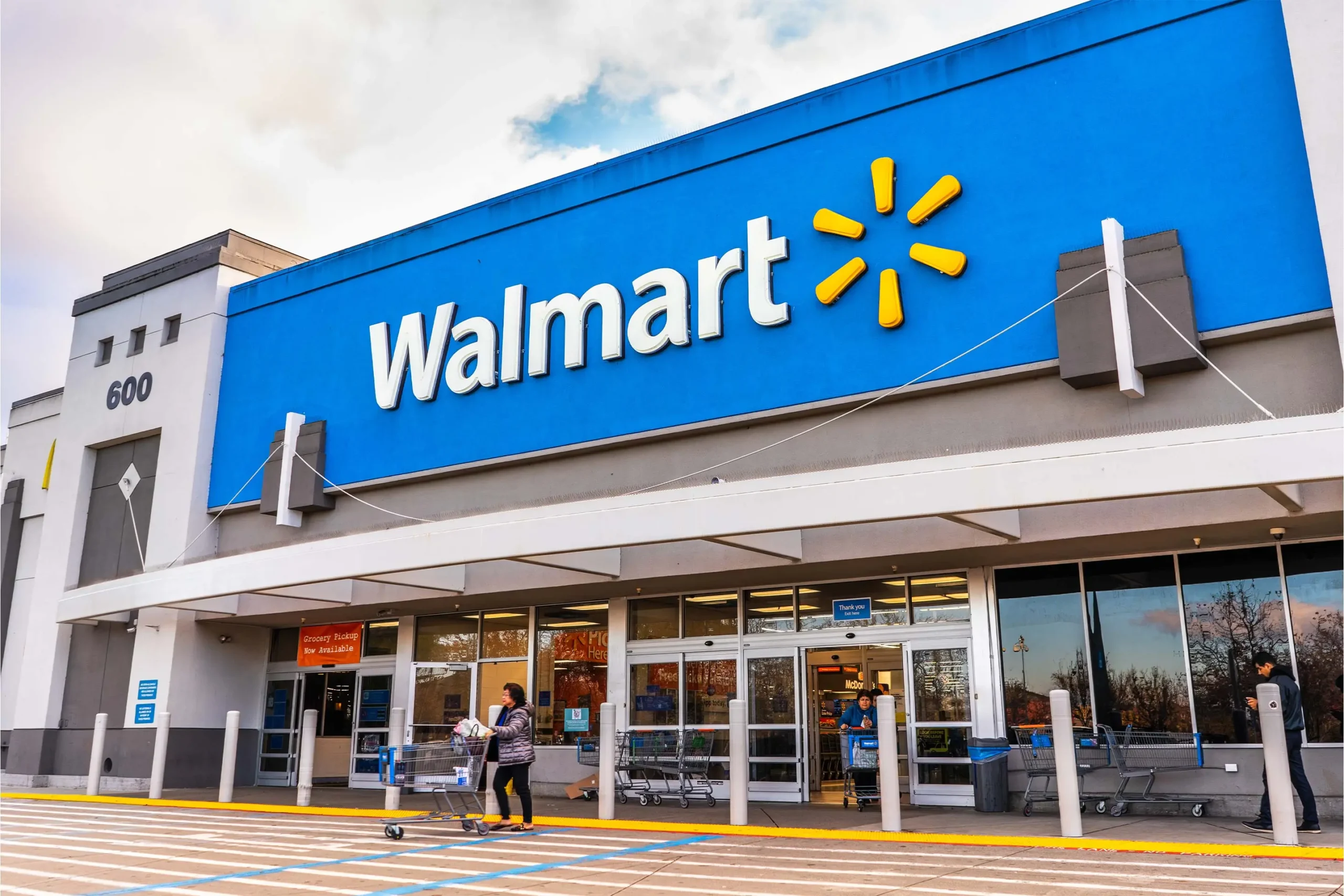
In a move long anticipated by consumers and financial technology experts alike, retail behemoth Walmart announced on Friday its intention to finally embrace tap-to-pay options across its vast network of U.S. stores, including its Sam’s Club wholesale locations. This significant shift, slated to begin its rollout on Monday, August 24, 2026, marks the end of an era for the retail giant, which had stood as one of the last major holdouts against the widespread adoption of contactless payment technology. For years, while nearly all other major retailers, small businesses, and even independent vendors at local farmers’ markets facilitated purchases with a simple wave of a mobile phone or contactless card, Walmart steadfastly maintained its alternative payment strategies.
The company’s official statement, released on Friday, August 21, 2026, confirmed that select U.S. Walmart stores would be the first to offer this enhanced payment flexibility, though specific locations were not immediately disclosed. The ambitious plan outlines a complete integration of tap-to-pay capabilities across all U.S. Walmart and Sam’s Club outlets by the close of 2026. Furthermore, the convenience is set to extend to Walmart and Sam’s Club gas stations by mid-2027, ensuring a comprehensive overhaul of the payment experience for millions of shoppers nationwide. "We want customers and members to have choice in how they pay, so they can check out in the way that works best for them," the company articulated in its news release, signaling a direct response to evolving consumer preferences and persistent market demand.
A Decades-Long Digital Payment Evolution and Walmart’s Stance
The journey towards ubiquitous contactless payments has been a gradual yet accelerating one, particularly in the United States. While European and Asian markets embraced Near Field Communication (NFC) technology for payments much earlier, the U.S. saw a significant push following the launch of Apple Pay in 2014 and Google Pay (originally Android Pay) in 2015. These platforms revolutionized mobile payments, allowing users to link their credit and debit cards to their smartphones and make secure transactions by simply tapping their device on a compatible terminal. The adoption rate surged, especially in the wake of the COVID-19 pandemic, which highlighted the hygienic benefits of contactless interactions. Data from the Federal Reserve Bank indicates a substantial increase in contactless card payments, growing from 18% of all card payments in 2019 to over 40% by 2025. Similarly, mobile wallet usage saw exponential growth, particularly among younger demographics.
Against this backdrop of rapid technological integration and shifting consumer habits, Walmart’s protracted resistance to third-party contactless payment options became an increasingly conspicuous anomaly. Shoppers, accustomed to the convenience offered by competitors like Target, Kroger, and even smaller local businesses, frequently voiced their frustration online. Social media platforms, including X (formerly Twitter), Reddit, and Facebook, became virtual sounding boards for a "torrent of memes and complaints." One exasperated user on X in January 2026 lamented, "Walmart not taking Apple Pay just speaks volumes. They are living in the early 2000s." Another Reddit user in April expressed the tangible business impact, stating, "The amount of customers each day with full carts of groceries that end up walking out because we don’t have Apple Pay is really high. And half the stuff in the carts is cold stuff which gets thrown out." The sentiment was clear: the lack of modern payment options was not just an inconvenience but a deterrent, alienating a significant segment of the consumer base, particularly younger shoppers. "Can’t they see that Gen Z don’t want to carry cards? Let alone cash," the Reddit user added, echoing findings from the Federal Reserve Bank’s 2026 Diary of Consumer Payments Choice, which underscored that individuals under 25 rarely use cash and strongly prefer mobile payments.
The Strategic Calculus Behind Walmart’s Delay
For years, analysts and industry observers speculated on the core reasons behind Walmart’s steadfast refusal to adopt mainstream tap-to-pay solutions. While some online conjectures pointed to the sheer logistical and financial challenge of upgrading checkout stations across over 4,600 U.S. locations, experts largely agreed that the decision was rooted in a more profound strategic imperative: data control and the promotion of its proprietary payment ecosystem.
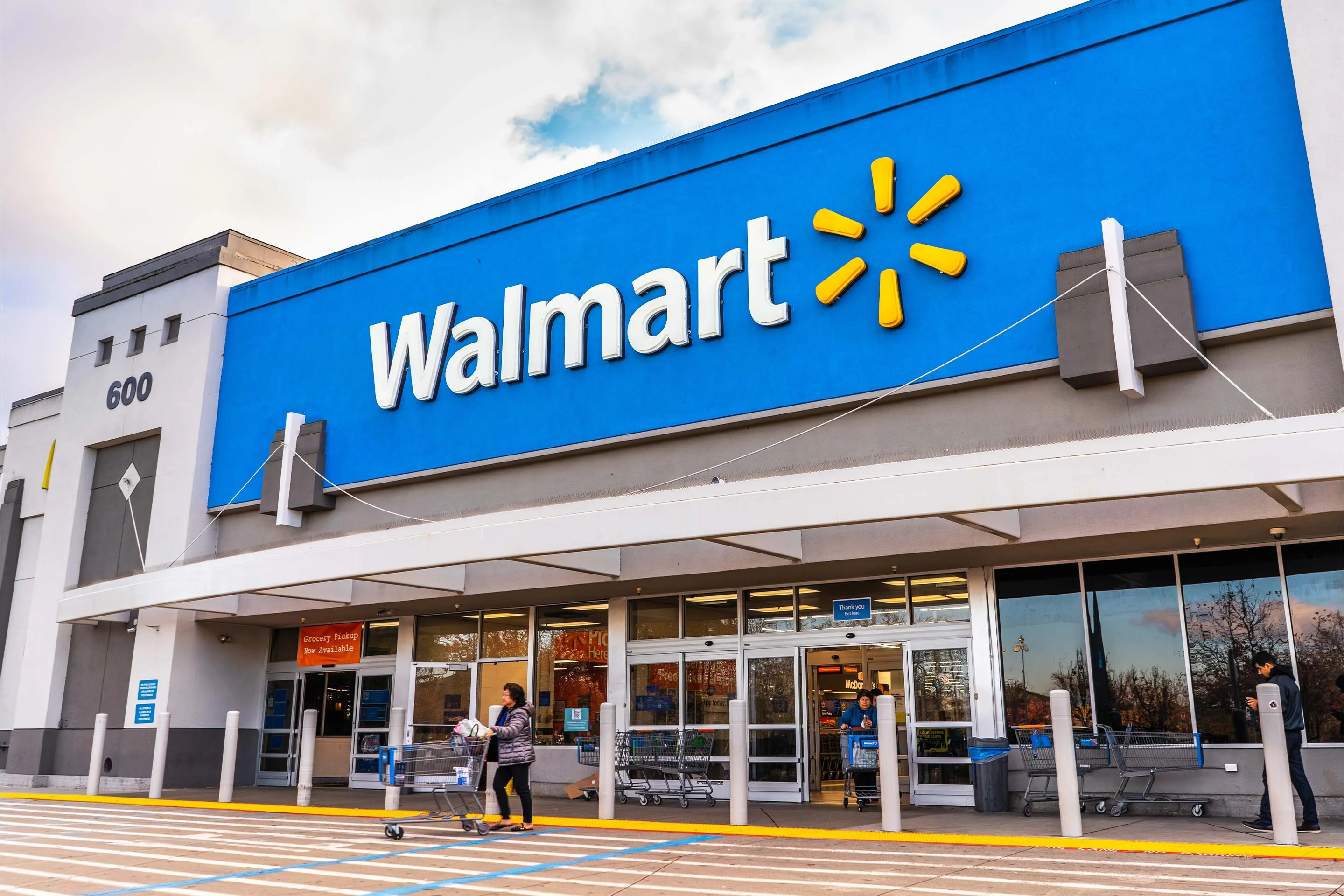
Walmart, much like other retail giants, places immense value on consumer data. Information gleaned from purchasing habits, frequency of visits, and payment methods provides invaluable insights for targeted marketing campaigns, inventory management, supply chain optimization, and the development of personalized loyalty programs. By steering customers toward its own payment methods, Walmart aimed to retain a direct pipeline to this rich trove of customer data, preventing it from being shared or controlled by third-party payment providers like Apple or Google. Retail analysts, as previously reported by Business Insider in December 2025, consistently highlighted this as a primary driver.
The retailer’s strategy manifested in the development and vigorous promotion of its own digital wallet solutions. Walmart Pay, launched in 2015, allowed customers to pay by scanning a QR code with their Walmart app. More recently, the company introduced OnePay, its latest fintech endeavor, also designed to facilitate contactless payments directly through the Walmart app. A Walmart spokesperson, when questioned by MacRumors in January of the previous year about the absence of Apple Pay, alluded to this strategy, stating that stores had "instead implemented convenient solutions" and "invested in innovative technologies that go beyond payments." These proprietary systems offered Walmart several advantages beyond data retention. Crucially, they allowed the company to bypass the transaction fees typically levied by credit card networks and third-party payment processors. For a company handling billions of transactions annually, even a fractional reduction in these interchange fees could translate into hundreds of millions of dollars in savings, directly impacting its bottom line.
The Tipping Point: Why Now?
The decision to finally embrace tap-to-pay signifies a strategic pivot for Walmart, indicating that the benefits of adoption now outweigh the costs of continued resistance. Several factors likely converged to push the retail giant across this threshold.
Firstly, the escalating consumer demand became undeniable. The vocal frustration on social media, coupled with anecdotal evidence of lost sales due to payment incompatibility, presented a compelling case for change. In an increasingly competitive retail landscape, customer convenience and experience are paramount. Ignoring a widely accepted and preferred payment method was no longer sustainable without risking further alienation of tech-savvy shoppers.
Secondly, the competitive pressure intensified. With virtually all of Walmart’s major competitors having long integrated tap-to-pay, Walmart’s outlier status became a distinct disadvantage. Consumers now expect a seamless, consistent payment experience across all retail environments. Maintaining an outdated system likely hampered Walmart’s ability to attract and retain certain customer segments, particularly younger demographics who are less inclined to carry physical wallets.
Thirdly, the financial implications may have played a significant role. The original article notes Walmart’s "disappointing earnings Thursday" and a sharp fall in its stock price. While the earnings call also mentioned nearly $3 billion in tariff refunds being directed toward price cuts to assist "cash-strapped shoppers," the timing suggests a broader strategy to revitalize sales and improve customer satisfaction. Enhanced payment options, alongside competitive pricing, can contribute to a more positive shopping experience, potentially boosting foot traffic and conversion rates. Industry analysts suggest that improving the checkout process can reduce cart abandonment, particularly for those who might opt out rather than use an unfamiliar payment method.
Moreover, the cost of technology integration may have decreased, or Walmart may have found more efficient ways to implement the necessary infrastructure while still safeguarding its data interests to some extent. It’s plausible that the return on investment for the upgrade now appears more favorable given the potential for increased sales and improved customer perception.

Implications and Future Outlook
The integration of tap-to-pay is poised to have a multifaceted impact on Walmart, its customers, and the broader retail landscape. For consumers, the immediate benefit is unparalleled convenience. Shoppers will now be able to use their preferred mobile wallets (Apple Pay, Google Pay, Samsung Pay) or contactless credit/debit cards, streamlining the checkout process and reducing friction. This enhanced convenience is expected to improve customer satisfaction and loyalty, potentially drawing back customers who had previously avoided Walmart due to its payment limitations.
From a security standpoint, contactless payments offer significant advantages. Utilizing tokenization and encryption, these methods generally provide a more secure transaction than traditional magnetic stripe cards, reducing the risk of fraud and data breaches. For Walmart, this means potentially fewer chargebacks and a more secure ecosystem overall.
The move also signals Walmart’s commitment to modernizing its in-store experience and aligning with global retail trends. While Walmart Pay and OnePay will likely continue to exist and be promoted for their unique benefits (such as personalized offers and loyalty rewards tied directly to the Walmart ecosystem), they will now operate alongside a universally accepted payment method. This hybrid approach allows Walmart to cater to a broader range of customer preferences while still offering incentives for using its proprietary solutions.
Looking ahead, the full rollout of tap-to-pay across all U.S. stores and gas stations by mid-2027 will cement Walmart’s position as a digitally progressive retailer, a crucial step in its ongoing omnichannel strategy. As the retail giant continues to integrate its online and offline experiences, a seamless payment process becomes foundational. This strategic shift could pave the way for further technological innovations in its stores, such as enhanced self-checkout options, personalized shopping experiences driven by real-time data, and even more advanced payment technologies like biometric authentication in the future.
In conclusion, Walmart’s decision to embrace tap-to-pay is more than just a technological upgrade; it represents a significant strategic recalibration in response to relentless consumer demand, evolving market dynamics, and the imperative to remain competitive in a rapidly changing retail environment. It underscores the power of consumer preference and the necessity for even the largest enterprises to adapt to the digital age, ensuring that convenience and choice remain at the forefront of the shopping experience.