Candice Horbacz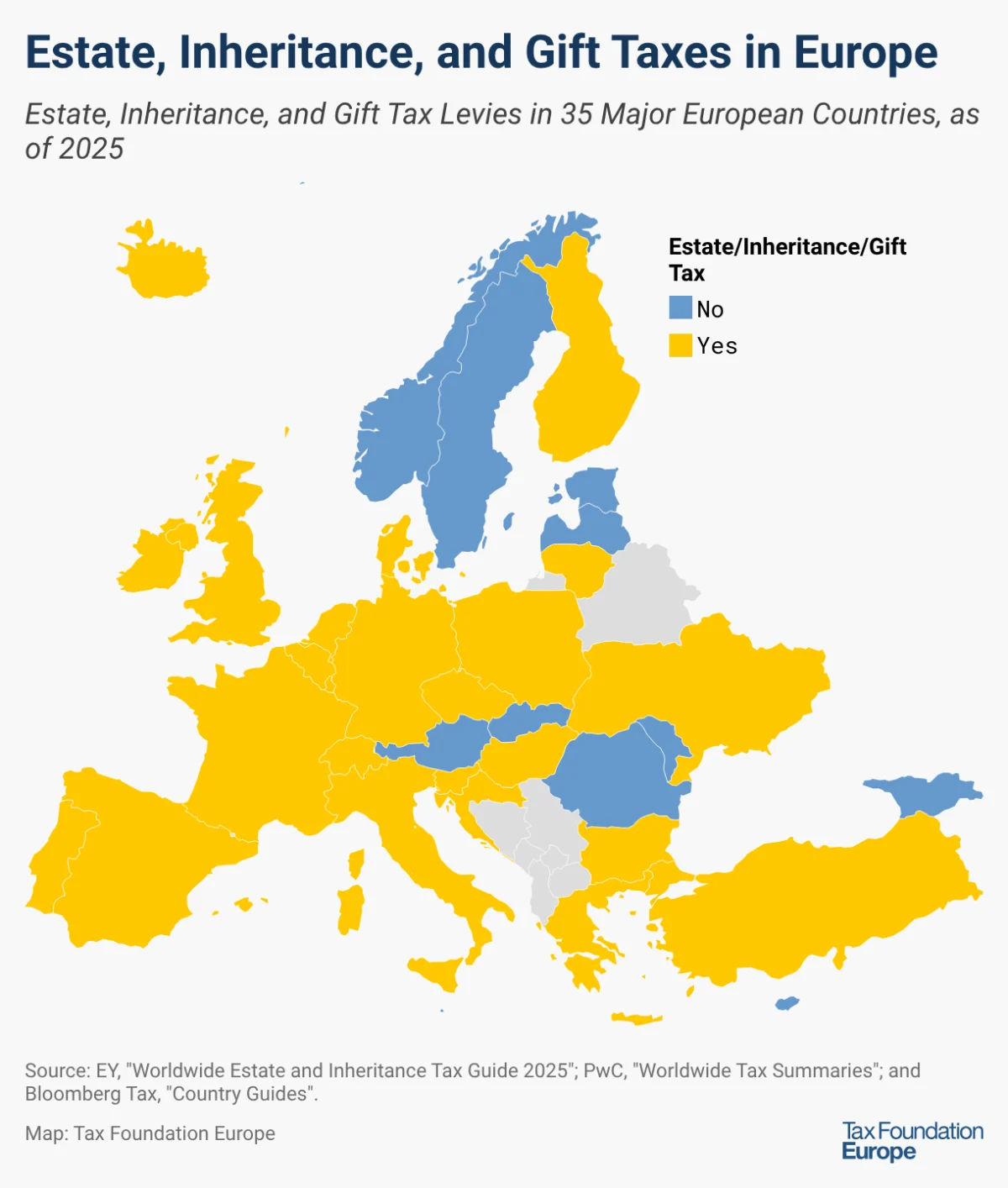
The tax rates applied to estates, inheritances, and gifts often depend on the level of familial closeness to the inheritor, as well as the specific amount of wealth to be transferred. This intricate system reflects a global approach to wealth redistribution and public finance, characterized by significant national and sometimes regional variations. In France, for instance, a tiered structure dictates that different rates are applied to transfers to ascendants and descendants, as well as transfers between siblings, blood relatives up to the fourth degree, and finally, everyone else. A common principle observed in many jurisdictions, including France for transfers to ascendants, descendants, and siblings, is the application of higher rates to larger sums of money, embodying a progressive taxation philosophy. This progressive scaling, coupled with varying exemptions and thresholds, forms a complex landscape for individuals and financial planners alike.
Beyond the variations based on kinship and value, some countries exhibit a further layer of complexity where estate, gift, and inheritance tax rates also vary significantly by region. Notable examples include Belgium, Spain, and Switzerland, where sub-national entities possess considerable autonomy in setting these fiscal parameters. This decentralization introduces additional considerations for residents and non-residents with assets or beneficiaries in these nations. Despite these complexities, a unifying characteristic across most European countries is the implementation of thresholds, meaning that transfers below a certain amount are generally not subject to taxation, aiming to protect smaller estates and simplify administration for minor bequests.
Understanding the Core Concepts: Estate, Inheritance, and Gift Taxes
To fully appreciate the nuances of wealth transfer taxation, it is crucial to distinguish between its primary forms. An estate tax is a levy on the total value of a deceased person’s assets before they are distributed to heirs. It is paid by the estate itself. Conversely, an inheritance tax is levied directly upon the value of inherited assets received by a beneficiary after a decedent’s death. This tax is paid by the recipient or heir based on the value of their specific bequest. Finally, a gift tax is imposed on transfers of property or assets made by a living individual to another without receiving full consideration in return. These three mechanisms, though distinct, collectively aim to tax the intergenerational transfer of wealth, serving various economic and social objectives.
The rationale behind these taxes is multifaceted. Historically, wealth transfer taxes have been a source of government revenue, though their contribution to national budgets often pales in comparison to income or consumption taxes. More significantly, they are viewed as tools to address wealth inequality, promote social mobility, and prevent the perpetuation of dynastic wealth across generations without a corresponding contribution from the recipients. Proponents argue that taxing inherited wealth, which is unearned by the recipient, is a matter of fairness and helps level the economic playing field. Critics, however, often contend that these taxes discourage savings, investment, and wealth creation, and can lead to capital flight or complex tax avoidance strategies.
The French Model: A Detailed Example of Kinship-Based Progression
France offers a compelling illustration of how familial relationships dictate tax liability. The French system, known as ‘droits de succession’ for inheritance and ‘droits de donation’ for gifts, applies distinct tax schedules based on the degree of kinship between the deceased/donor and the beneficiary. For direct line transfers (between parents and children, or grandparents and grandchildren), significant allowances are granted, currently €100,000 per child from each parent every 15 years, and a separate allowance for gifts. Beyond these allowances, progressive rates apply, starting at 5% for the lowest brackets and escalating up to 45% for amounts exceeding €1,805,677.
Transfers between siblings also benefit from an allowance (€15,932 every 15 years), but the tax rates are considerably higher: 35% for amounts up to €24,430 and 45% for amounts above this threshold. For blood relatives up to the fourth degree, the allowance drops significantly, and a flat rate of 55% is applied. Transfers to all other beneficiaries, including unrelated individuals, face the highest tax burden, with a flat rate of 60% after a minimal allowance of €1,594. This highly differentiated structure clearly prioritizes direct family lines, reflecting a societal value placed on protecting the intergenerational transfer within the nuclear family unit while heavily taxing transfers to more distant relatives or non-family members. The 15-year period for renewing allowances is a critical element, encouraging long-term estate planning through regular gifting.
Regional Variations: Belgium, Spain, and Switzerland
The concept of regional variation in wealth transfer taxes introduces another layer of complexity, particularly in federal or highly decentralized states.
Belgium: Belgium’s inheritance tax (known as ‘droits de succession’ in Wallonia and Brussels, and ‘erfbelasting’ in Flanders) is primarily a regional matter. Each of the three regions – Flanders, Wallonia, and Brussels-Capital – sets its own rates and allowances, leading to substantial differences. For example, while all regions apply progressive rates based on kinship, the specific thresholds and maximum rates can vary. Flanders, for instance, has often been perceived as having slightly more favorable rates for direct line inheritances compared to Wallonia, encouraging some internal migration or strategic planning. Spouses and direct descendants generally face the lowest rates, while unrelated individuals face the highest. Each region also has its own specific exemptions for certain assets, such as the family home under specific conditions, further complicating cross-regional comparisons.
Spain: Spain presents an even more pronounced example of regional autonomy. While there is a national framework for inheritance and gift tax (‘Impuesto sobre Sucesiones y Donaciones’), the 17 autonomous communities have significant powers to modify tax rates, allowances, and deductions. This has led to substantial disparities, with some communities effectively offering near-zero inheritance tax for close relatives through generous exemptions and bonuses, while others maintain much higher effective rates. For instance, Madrid, Andalusia, and Murcia have historically offered very high reductions (often 99% or more) for inheritances by direct descendants and spouses, making them attractive for wealth transfer. Conversely, regions like Catalonia or Valencia, while also offering some reductions, tend to have higher effective tax burdens for similar transfers. This fiscal decentralization can lead to "tax tourism," where individuals might establish residency in a more favorable autonomous community for tax planning purposes, sparking debates about fiscal harmonization and equity across the nation.
Switzerland: Switzerland’s highly decentralized political structure extends to its wealth transfer taxes. Inheritance and gift taxes are primarily levied at the cantonal level, with most cantons having their own laws and rates. The federal government does not levy these taxes. This results in 26 different systems (one for each canton and half-canton), each with unique provisions regarding exemptions, allowances, and progressive rates based on the relationship between the deceased/donor and the beneficiary. Some cantons, like Schwyz and Obwalden, have abolished inheritance and gift taxes for direct descendants, making them particularly attractive. Others, such as Geneva or Vaud, maintain progressive rates that can be substantial, especially for unrelated beneficiaries. This cantonal sovereignty means that the tax liability for an inheritance or gift can vary dramatically depending on where the deceased or donor was resident.
The Global Spectrum: Thresholds and Abolitions
The principle that "most European countries do not tax transfers below a certain amount" is a critical feature designed to ensure that smaller estates or gifts are not unduly burdened by administrative costs or disproportionate taxation. These thresholds, or allowances, can be substantial, particularly for spouses and direct descendants. For example, in the United Kingdom, the Inheritance Tax threshold is currently £325,000, meaning estates below this value are generally exempt. An additional "residence nil-rate band" can increase this to £500,000 for those passing on a home to direct descendants. Germany also provides generous allowances, with spouses receiving a €500,000 allowance and children €400,000 from each parent, renewed every ten years.
While many countries maintain some form of wealth transfer tax, there has been a notable trend in some jurisdictions towards their abolition or significant reduction. Sweden famously abolished its inheritance and gift tax in 2004, citing concerns about capital flight, administrative burden, and its perceived unfairness. Norway followed suit in 2014. Portugal currently applies a stamp duty on certain wealth transfers rather than a direct inheritance tax. These decisions are often driven by economic philosophies that prioritize capital accumulation and discourage perceived "double taxation" (where wealth has already been taxed as income). However, the debate about their reintroduction or strengthening often resurfaces during periods of increased wealth inequality or fiscal pressure.
Historical Context and Evolution
Wealth transfer taxes are not a modern invention. Early forms can be traced back to ancient Egypt and Rome, where duties were levied on inheritances. In medieval Europe, feudal systems often involved payments to lords upon the transfer of land or titles. Modern inheritance taxes gained prominence in the 19th and early 20th centuries, particularly in response to industrialization and the accumulation of vast private fortunes. Countries like the United Kingdom and the United States implemented estate duties to fund wars and address social inequities. The 20th century saw a broad adoption of these taxes across developed economies, often with highly progressive rates.
However, the late 20th and early 21st centuries witnessed a period of retrenchment in some countries, driven by globalization, concerns about international competitiveness, and powerful lobbying efforts against what was often termed the "death tax." This led to the aforementioned abolitions in some Nordic countries and significant increases in exemptions in others, such as the United States, where the federal estate tax exemption has risen dramatically over the past two decades to over $13 million per individual in 2024, effectively limiting its impact to only the wealthiest estates. This dynamic evolution underscores the ongoing political and economic debate surrounding the role and scope of wealth transfer taxation.
Broader Impact and Implications
The varied application of estate, inheritance, and gift taxes has profound economic and social implications.
Impact on Wealth Distribution and Inequality: While a primary goal is to reduce wealth inequality, the actual effectiveness is a subject of ongoing debate among economists. High exemptions can limit their reach to only the very rich, potentially blunting their redistributive impact. Moreover, sophisticated estate planning by wealthy individuals can often mitigate the tax burden, sometimes leading to the perception that these taxes disproportionately affect the "asset-rich, cash-poor" middle class or those without access to expert advice.
Revenue Generation: For most governments, wealth transfer taxes represent a relatively small percentage of total tax revenue, often in the low single digits. However, in absolute terms, these sums can be significant and contribute to funding public services. The debate often centers on whether the revenue generated justifies the administrative complexity and potential disincentives to saving and investment.
Behavioral Responses and Estate Planning: The existence of these taxes invariably influences behavior. Individuals with significant assets engage in extensive estate planning, which can include gifting strategies, setting up trusts, relocating assets, or even changing residency to jurisdictions with more favorable tax regimes. This can lead to a complex and often costly industry of legal and financial advisors, and in some cases, can result in capital flight if tax rates are perceived as excessively high compared to neighboring countries.
Political and Social Debate: Wealth transfer taxes are often highly contentious, provoking strong emotional responses. Opponents frequently frame them as "death taxes" that penalize hard work and savings, arguing that wealth has already been taxed during its accumulation. Proponents emphasize the principle of fairness, arguing that inherited wealth, being unearned, should contribute to the public good, and that these taxes can help prevent the concentration of economic and political power in the hands of a few families. This enduring debate reflects fundamental disagreements about economic justice, individual liberty, and the role of the state in wealth redistribution.
Statements and Reactions
Governments that maintain robust wealth transfer taxes often justify them on grounds of fiscal stability, social equity, and the promotion of a more level playing field for economic opportunity. For instance, officials in countries like France frequently highlight the progressive nature of their system as a reflection of republican values. In regions with high regional autonomy, such as Spain’s autonomous communities, decisions to lower or raise these taxes are often politically driven, aimed at attracting residents or businesses, or responding to local fiscal needs and political ideologies.
Economists offer diverse perspectives. Some, like Thomas Piketty, argue for significantly higher global wealth and inheritance taxes to combat runaway inequality. Others, from more classical liberal traditions, warn of the economic distortions and disincentives to wealth creation. Tax policy think tanks, such as the Tax Foundation, regularly analyze these taxes, often highlighting their complexity and potential for inefficiency, advocating for simpler, more neutral tax codes. Public opinion remains divided, with polls often showing strong opposition to "death taxes" when framed as such, but more nuanced support when presented as a mechanism to fund public services or reduce inequality.
In conclusion, the global landscape of wealth transfer taxation is a rich tapestry woven with threads of national sovereignty, regional autonomy, familial relationships, and economic philosophy. From the intricate kinship-based progression in France to the diverse cantonal systems of Switzerland and the regionally fragmented approaches in Belgium and Spain, these taxes reflect deeply held societal values about wealth, inheritance, and the state’s role in their transfer. The ongoing debates, historical evolution, and varied implementation underscore their enduring significance in public finance and social policy, continuing to shape economic behavior and political discourse worldwide.