Pevita Pearce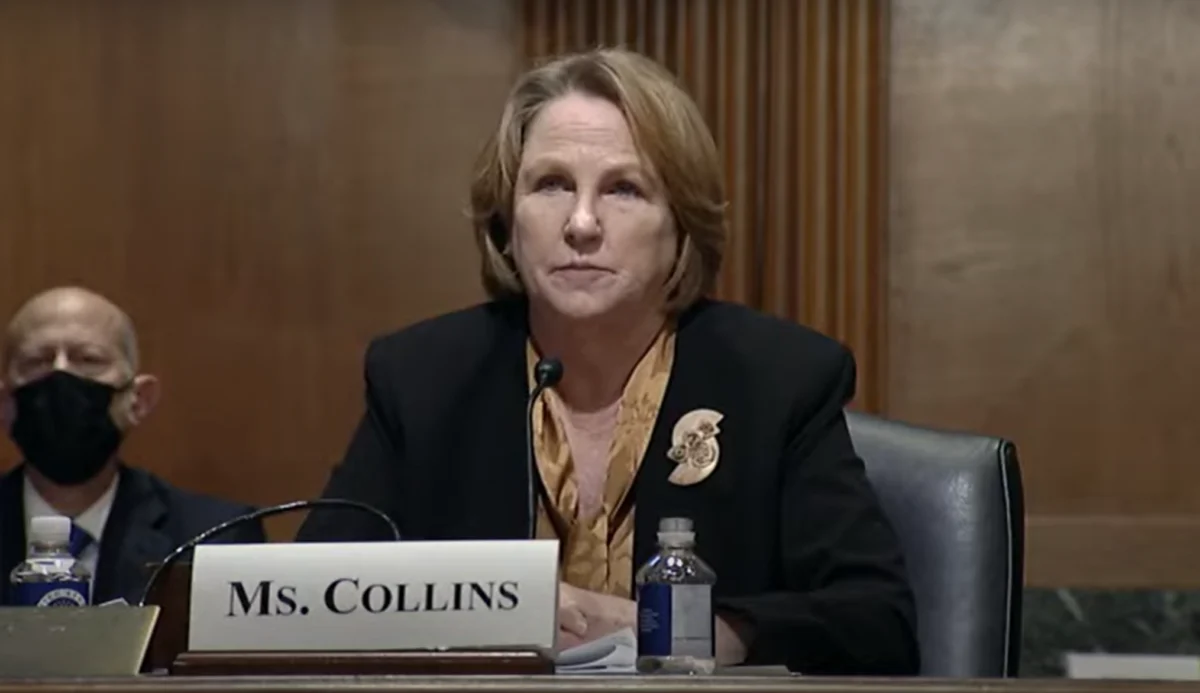
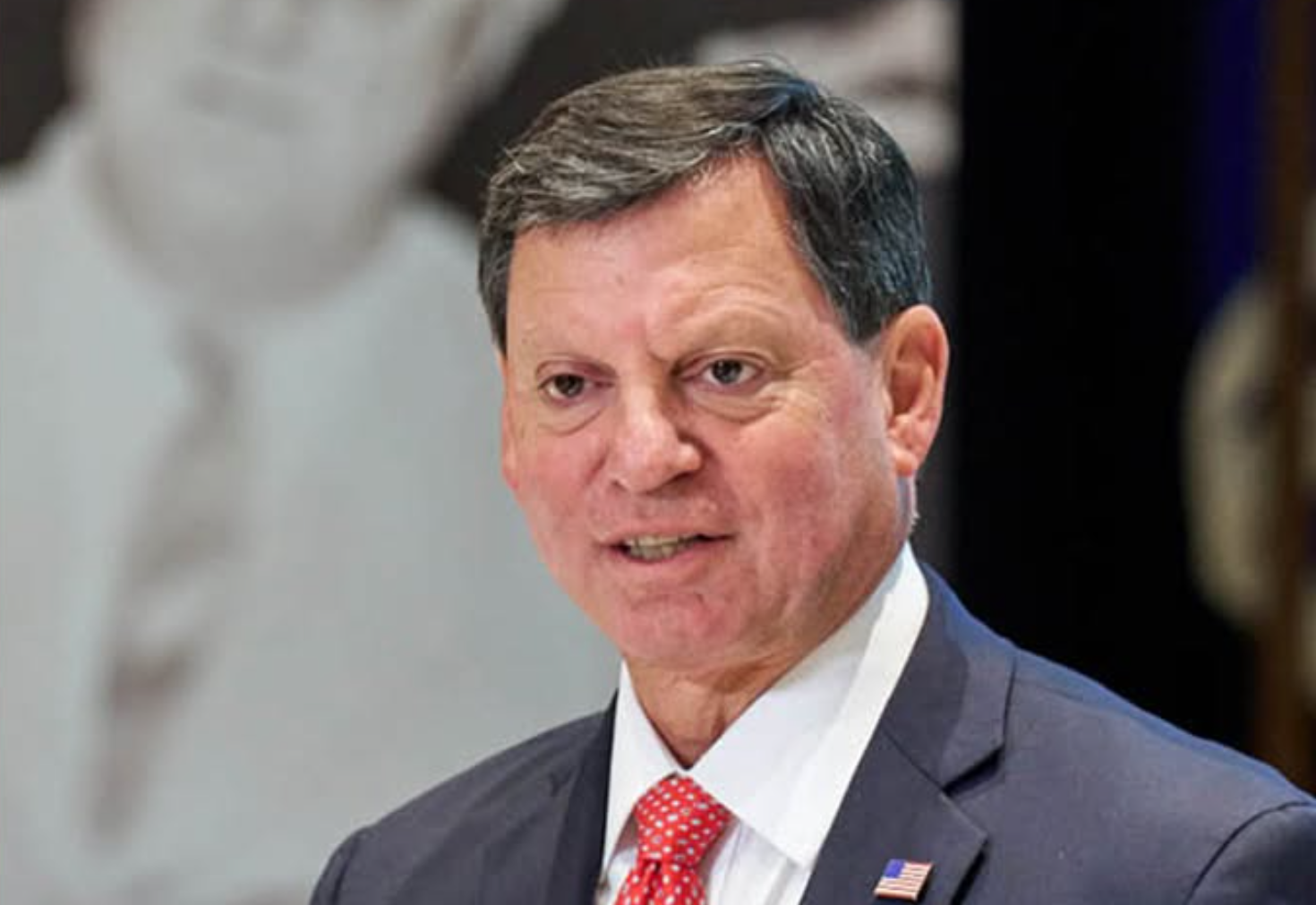
Internal Revenue Service (IRS) Chief Executive Officer Frank Bisignano recently convened with tax professionals at the IRS Nationwide Tax Forum in New York City, marking a significant step in the agency’s ongoing commitment to fostering robust dialogue with taxpayers and their representatives. The forum, a premier educational and networking event for tax practitioners, took place from August 18th to 20th, offering a platform for critical discussions on tax administration, recent filing season performance, and anticipated future developments. Additional forums are scheduled to be held in Orlando and San Diego in September, both of which have reported sold-out attendance, underscoring the keen interest within the tax professional community to engage directly with IRS leadership.
The New York City session provided a crucial opportunity for Bisignano, who also oversees the Social Security Administration, to engage in substantive conversations with tax professionals. Key topics on the agenda included the implementation strategies for "Trump Accounts," a potentially significant initiative within the tax system. Discussions also delved into the latest guidance surrounding the "One Big Beautiful Bill Act," a legislative proposal now being referred to by Republicans as the "Working Families Tax Cuts." Furthermore, the forum served as a retrospective and forward-looking platform, examining the lessons learned from the recently concluded 2026 tax filing season and setting expectations for the upcoming 2027 filing season, according to official IRS statements.
Bisignano emphasized the indispensable role of tax practitioners in enhancing the efficiency and effectiveness of tax collection and administration. "The input and feedback that the IRS receives from tax practitioners improves the tax collection and administration process," Bisignano stated. He further elaborated on their critical function: "Tax professionals play a critical role in our tax system by providing an important link between the Service and the taxpaying public, helping them to understand and meet their tax obligations." This sentiment highlights the IRS’s recognition of the symbiotic relationship between the agency and the professionals who guide millions of Americans through complex tax requirements.
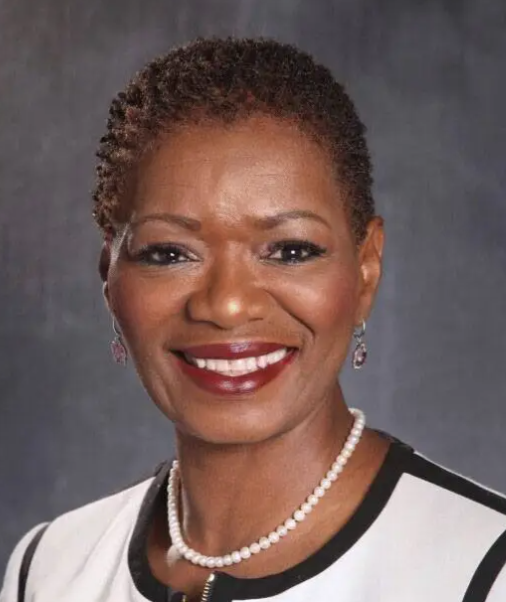
The presence of Bisignano at these forums signals a concerted effort by the IRS to bridge communication gaps and strengthen relationships with key stakeholders. Orumé Hays, president-elect of the New York State Society of CPAs (NYSCPA), commented on the significance of this engagement. "Having the opportunity to meet with Bisignano demonstrates the strong relationship between the IRS and the stakeholder community," Hays remarked. She further elaborated on the tangible benefits of such collaborations, drawing from her extensive experience. "Through my years of participation on the NYCPA’s Relations with the IRS Committee, I have witnessed firsthand the benefits of this collaboration. It has helped foster open communication, strengthen mutual understanding, and support our shared commitment to effective tax administration and quality service to taxpayers," she stated on August 25th, reflecting a sentiment likely shared by many attendees.
A Successful 2026 Filing Season Fueled by Technology
The 2026 tax filing season demonstrated notable successes, with the IRS processing an impressive volume of over 144 million income tax returns. A significant majority of these returns, specifically 98%, saw refunds delivered electronically, reflecting the agency’s continued push towards digital solutions. The average refund amount saw an 11% increase compared to the prior year, providing a welcome financial boost to many taxpayers. These statistics were further contextualized by the National Taxpayer Advocate, Erin Collins, in her midyear report to Congress.
Collins attributed the IRS’s performance during this filing season largely to its sustained investment in technology transformation. Her report indicated that the overwhelming majority of returns were processed efficiently through automated systems, minimizing errors and delays for most taxpayers seeking to file and receive their refunds promptly. This technological advancement has been a cornerstone of the IRS’s strategy to modernize its operations and improve taxpayer experience.
Enhanced Digital Services Bolster Taxpayer Self-Service
Further underscoring the impact of technology, the IRS has significantly expanded its online account functionalities, offering taxpayers more robust self-service options. During the 2026 filing season, taxpayers accessed their Individual Online Accounts nearly 121 million times. These enhanced features allow taxpayers to perform a range of tasks, including uploading documents in response to specific notices, receiving real-time refund status notifications, updating direct deposit information under certain conditions, and accessing a broader spectrum of account details. The accessibility of tax documents through these online platforms also proved invaluable, with taxpayers accessing information returns more than 3.7 million times to aid in the preparation of their returns.
The "Where’s My Refund?" tool, a consistently popular resource, saw an approximate 9% increase in usage compared to the previous year, with taxpayers checking their refund status around 346 million times during the filing season. This heightened engagement with digital tools reflects a growing taxpayer comfort and reliance on the IRS’s online infrastructure for managing their tax obligations and inquiries.
Collins acknowledged the historical perception of the IRS as a bastion of outdated technology, but emphasized the agency’s progressive improvements. "The IRS is often held up as the poster child for antiquated government technology infrastructure, and there is certainly some truth to that characterization. But the IRS has been improving its technology year by year, and as long as it gets the IT right, most taxpayers file their returns and receive their refunds without delay," she noted in her report. This statement suggests a strategic focus on IT infrastructure as a foundational element for delivering timely and accurate tax services.
Looking Ahead: Continued Engagement and Future Tax Reforms
The discussions at the IRS Nationwide Tax Forum in New York City, and those planned for upcoming sessions, underscore a broader IRS strategy to remain attuned to the needs and challenges faced by tax professionals and, by extension, the wider taxpaying public. The agency has committed to continuing these engagements, recognizing them as vital for refining tax administration processes and ensuring a responsive and effective tax system for the future.
The focus on legislative initiatives like "Trump Accounts" and the "Working Families Tax Cuts" indicates the IRS’s role in preparing for and implementing potential policy changes. Understanding the practical implications of these proposals, and gathering feedback from those who will be instrumental in their application, is a critical preparatory step. The IRS’s proactive approach in soliciting insights from tax professionals before legislative measures are fully enacted can help mitigate implementation challenges and ensure smoother transitions for taxpayers.
The success of the 2026 filing season, largely attributed to technological advancements and improved taxpayer self-service options, sets a positive precedent for future operations. As the IRS continues its modernization efforts, the collaborative spirit fostered through events like the Nationwide Tax Forum will be instrumental in navigating the complexities of tax administration, adapting to evolving legislative landscapes, and ultimately serving the American public more effectively. The agency’s commitment to soliciting feedback from tax practitioners reinforces its dedication to a transparent and efficient tax system, where the insights of those on the front lines are valued and integrated into its operational strategies. The sold-out status of upcoming forums further emphasizes the critical need for these dialogue channels and the desire within the professional community to actively participate in shaping the future of tax administration.