Julia Chirkova
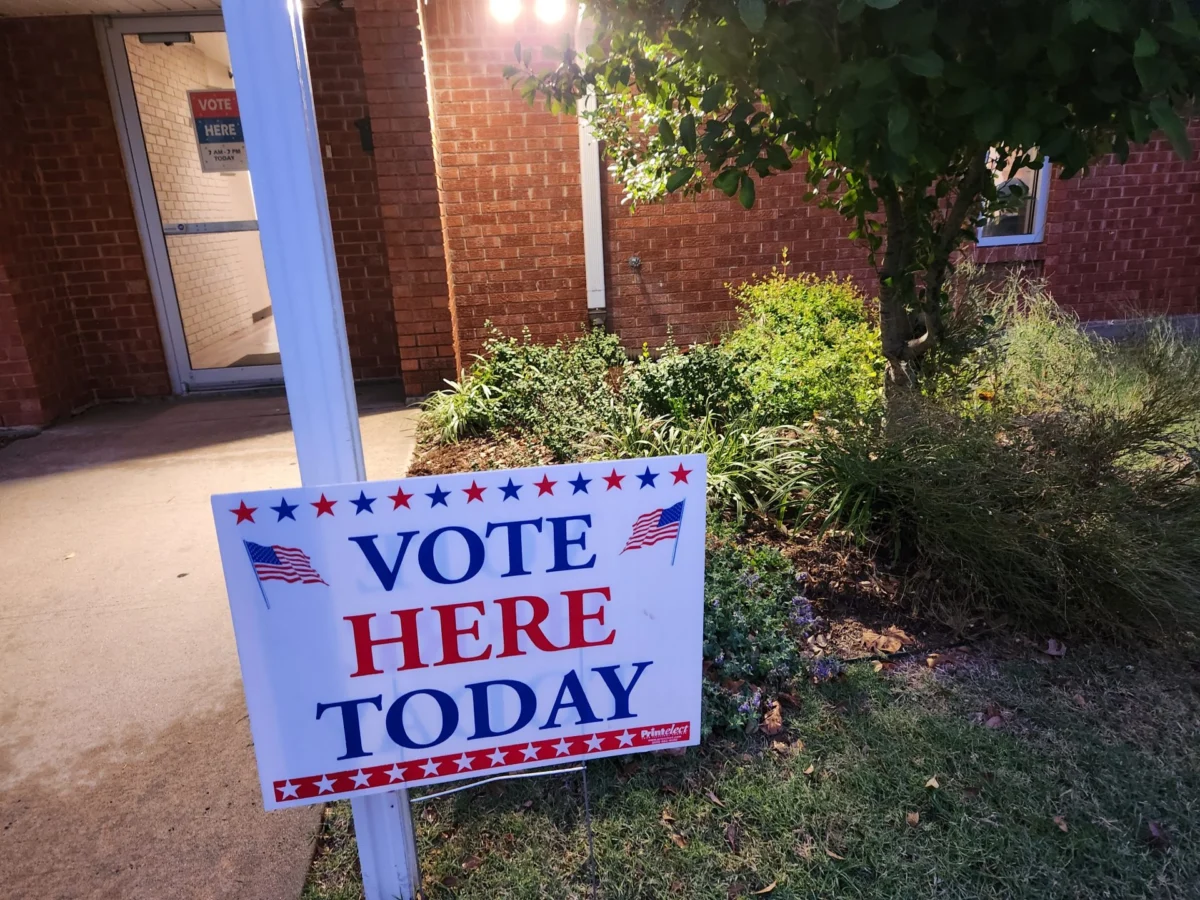
Seattle, WA – This fall, Seattle voters will face a pivotal decision that could significantly reshape the city’s public transportation landscape. They will be asked to approve a ballot measure that proposes to double the current transit-dedicated sales tax, a move aimed at expanding bus services and providing increased access to free transit passes for low-income residents. Given the city’s demonstrated commitment to public transit and the strong endorsement of similar measures in the past, the proposal, championed by Mayor Katie Wilson, is likely to find favor among the electorate, despite broader concerns about rising costs of living.
The measure, formally known as the Seattle Transit Measure Renewal, seeks to increase the transit sales tax from its current 0.15 percent to 0.3 percent. This dedicated funding stream, if approved, would be implemented for a decade. The primary objective is to secure more bus service from King County Metro, the regional public transit authority. City officials project that this increase would translate into an additional 100,000 bus trips annually, alongside 12,000 free transit passes for low-income individuals. These enhancements would build upon the foundation laid by the original measure, overwhelmingly approved by voters in 2020, which already provides 180,000 bus trips and 10,000 free passes each year. Without this renewal and increase, the city faces the prospect of service cuts due to escalating operational costs. The proposed 0.3 percent tax represents the maximum allowable rate under Washington state law for such dedicated transit funding.
A Mandate for Enhanced Mobility
Alex Hudson, a senior policy advisor for transportation and livability in the Mayor’s office, underscored the necessity of the proposed tax hike. "We were going to need to ask people to increase that tax amount just to maintain the level of service they were enjoying right now," Hudson stated. "We decided to move forward with asking voters to do the full investment over the full amount of time." This proactive approach aims to not only sustain current service levels but also to facilitate significant expansion, reflecting a commitment to a robust and accessible transit network.
The history of public support for transit funding in Seattle provides a strong indicator of potential voter sentiment. In 2020, the Seattle Transit Measure garnered an extraordinary endorsement, with over 80 percent of voters approving it. This landslide victory was recognized as the largest margin of victory for any transit tax measure in U.S. history, highlighting a deep-seated public trust in and reliance on the city’s transit system. Since its inception, Seattle’s transit network, already considered one of the nation’s finest, has continued to evolve and improve.
Ridership Trends and System Enhancements
While transit ridership across major urban centers, including Seattle, has not yet fully rebounded to pre-pandemic 2019 levels, the trend in Seattle has been one of consistent growth since 2020. Notably, ridership has seen particular expansion during evenings, weekends, and other off-peak hours, a testament to the system’s investment in round-the-clock service. This expanded accessibility has been complemented by significant infrastructure developments. The city’s newest light rail link, for instance, has achieved the highest ridership of any light rail service nationwide, according to recent reports. Concurrently, Sound Transit, the regional transit authority, is undertaking a comprehensive and ambitious light rail expansion project throughout the metropolitan area, signaling a long-term vision for enhanced regional connectivity.
The Mayor’s Vision and Council Deliberations
The political landscape in Seattle has also shifted in favor of transit advocacy. Last year, voters elected Katie Wilson as mayor. A co-founder of the Transit Riders Union, Mayor Wilson’s campaign platform centered on improving transit, tackling the housing affordability crisis, and reducing the overall cost of living for residents. Her early actions as mayor included issuing executive orders to expand emergency shelter for the unhoused population and to implement a dedicated bus lane on Denny Way, a key arterial road frequently experiencing traffic congestion. Furthermore, she has actively supported the "Taller Denser Faster" initiative, a plan designed to expedite the permitting process for multifamily housing developments, aiming to increase housing supply and potentially lower housing costs.
Before reaching the ballot, the transit measure renewal underwent scrutiny by the Seattle City Council. Several council members expressed reservations about proposing a tax increase at a time when many residents are acutely focused on economic affordability. Debates ensued, with one member proposing a more modest increase to a 0.2 percent sales tax, while another suggested a shorter implementation period of six years. Ultimately, the council approved the measure with minimal alterations, incorporating additional reporting requirements for the Seattle Department of Transportation. Proponents, including Mayor Wilson’s office, argued that the measure would, in fact, contribute to affordability by offering a viable and cost-effective alternative to car ownership. They emphasized the substantial expenses associated with owning and maintaining a vehicle in the Seattle area, presenting enhanced public transit as a financial relief for many households.
"We were really confident that what we were putting forward is an affordability measure," Hudson reiterated. "It does save people a ton of money by creating an option that allows them to drive less often or less far, or to have a life where you don’t need to drive or bear that expense at all." This perspective frames the tax increase not as an additional burden, but as an investment that yields long-term savings for individuals and families by providing a dependable and accessible public transportation system.
A National Trend of Transit Funding Debates
Seattle’s decision on transit funding is part of a broader national conversation regarding the sustainability and expansion of public transportation systems. Across the country, other cities are grappling with similar challenges and exploring diverse funding mechanisms. In Texas, earlier this year, several Dallas suburbs considered ballot measures that would have altered their participation in Dallas Area Rapid Transit (DART) services. While two suburbs opted to remain with DART, one elected to withdraw. In Arizona, Pima County, encompassing Tucson, recently voted to renew a sales tax measure dedicated to funding transportation projects.
The fall ballot in the San Francisco Bay Area will feature two significant transit funding initiatives. One aims to generate $160 million annually to support Muni, San Francisco’s municipal transit agency. The other, dubbed "Connect Bay Area," seeks to raise $1 billion each year to bolster the financial stability of Bay Area Rapid Transit (BART) and other regional transit systems that have experienced substantial financial losses since the onset of the pandemic.
Local Context and Future Implications
Closer to home, Spokane, Washington, voters narrowly approved a measure to renew an existing 0.2 percent sales tax for transit for two decades. Looking ahead, Pierce County, Washington, will decide in November whether to implement a 0.3 percent sales tax to expand bus services in its jurisdiction. Kirk Hovenkotter, executive director of the Transportation Choices Coalition, a Seattle-based advocacy group, suggests that campaigns in areas like Pierce County may face greater challenges than Seattle’s upcoming vote. He points out that while these areas have significant transit needs, residents may not yet perceive public transit as a practical alternative to private vehicles, unlike in Seattle.
"Transit is here. It’s not a novelty. It really is essential to our city," Hovenkotter commented. "You’re seeing the Seattle Transit Measure as a response to that." This sentiment reflects a deeply ingrained understanding in Seattle of transit’s vital role in urban mobility, economic opportunity, and quality of life. The proposed measure, therefore, can be viewed not just as a funding mechanism, but as a reaffirmation of Seattle’s commitment to a future where public transportation is robust, equitable, and accessible to all residents. The outcome of the vote will undoubtedly have lasting implications for the city’s transit network, its environmental sustainability goals, and the daily lives of its citizens.
Photo credit: Roberto Nickson/Unsplash
© 2026 Governing. Visit www.governing.com. Distributed by Tribune Content Agency LLC.