Nila Kartika Wati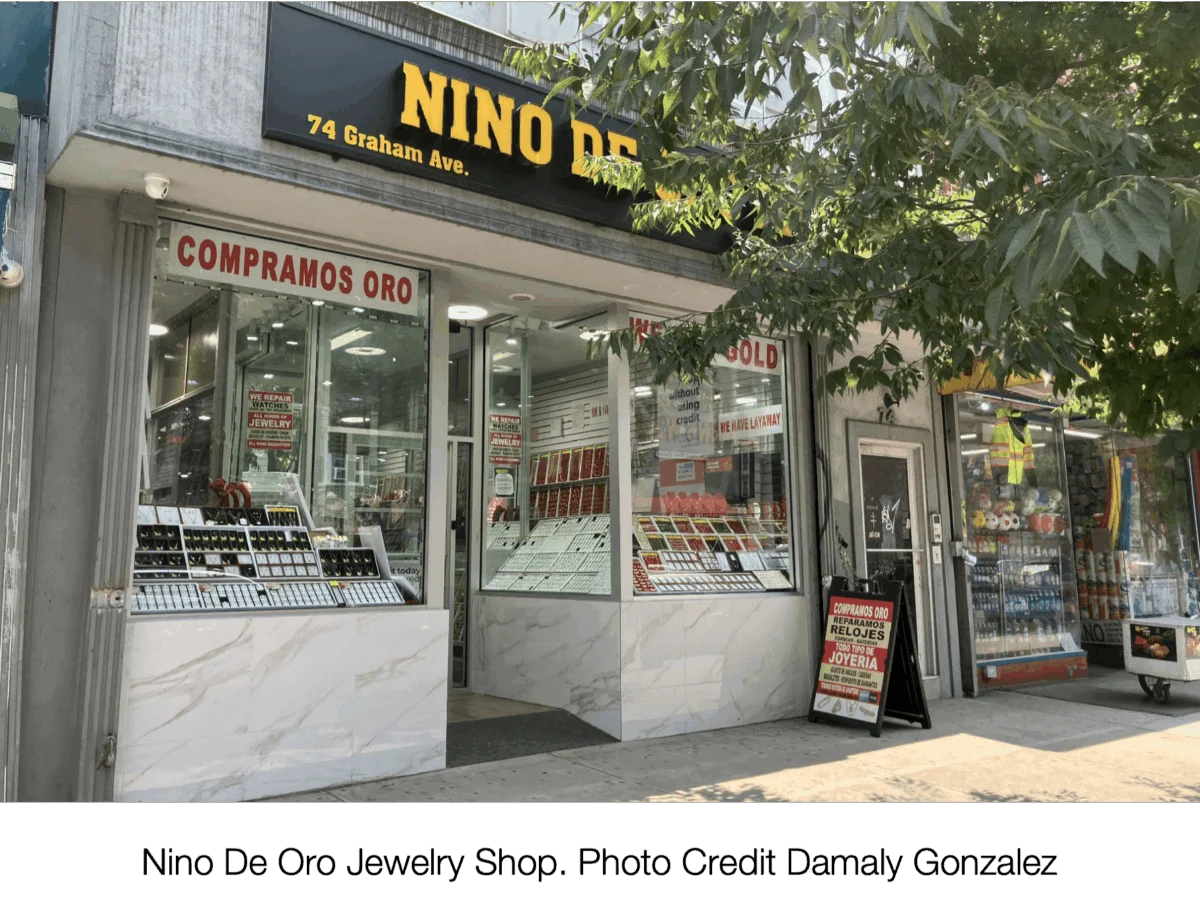
At 791A Grand Street in the Williamsburg neighborhood of Brooklyn, the steady hum of urban renewal—marked by high-end coffee shops and luxury condominiums—clashes with the quiet, desperate transactions occurring inside Grand Jewelry Pawn Shop. Arthur Abayev, the shop’s owner since 2006, frequently navigates the linguistic and economic complexities of a neighborhood in flux. During a recent afternoon, a customer entered seeking to sell an item, speaking in Spanish to Abayev, who admitted he did not speak the language but understood the underlying need. This interaction is a microcosm of a broader, often overlooked narrative: despite the skyrocketing Area Median Income (AMI) and the visible "upscaling" of North Brooklyn, a significant portion of the population remains tethered to a survival economy where pawn shops serve as the lender of last resort.
The persistence of pawn shops in Williamsburg, Bushwick, and Bedford-Stuyvesant (Bed-Stuy) offers a stark counter-narrative to the region’s gentrification. While these neighborhoods were historically defined by working-class and immigrant enclaves, the rapid influx of wealth over the last two decades has not lifted all boats. Instead, it has created a bifurcated reality where long-term residents struggle to meet basic living expenses in an environment where the cost of existence has doubled or tripled. The presence of shops like Abayev’s is not merely a relic of the past but a functional necessity for those whom traditional banking systems have left behind.
The Evolution of Williamsburg: From Working-Class Enclave to Luxury Destination
The historical trajectory of Williamsburg provides essential context for the current economic landscape. Throughout the 1970s and 1980s, the neighborhood was a patchwork of distinct ethnic and racial communities, often segregated by block and industry. South Williamsburg, known as "Los Sures," was a stronghold for Puerto Rican families. Areas south of Grand Street saw a growing population of Dominican and other Latin American immigrants. To the north and east, Italian American and Polish communities thrived, while the Hasidic Jewish community maintained a deep-rooted presence around Lee Avenue and south of Broadway.
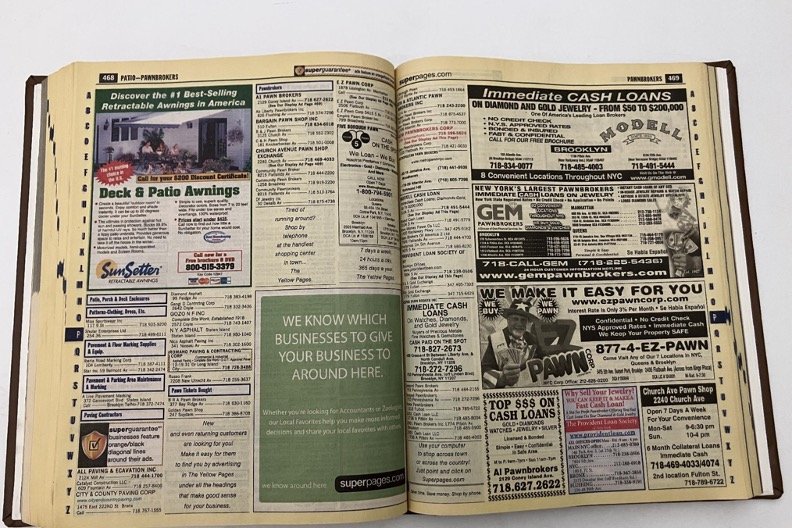
During this era, pawn shops were integrated into the fabric of daily commerce. Archives from the Brooklyn Central Public Library’s Yellow Pages reveal that in the 1970s, three prominent pawn shops operated on the very street where Abayev’s shop stands today: Acme Dunbar Pawnbrokers, Bruckheimer & Sons, and Chas. Kleinbaum Inc. These establishments were tailored to their specific demographics; for instance, Bruckheimer & Sons frequently advertised in Vienybė Lietuvninkų, a primary newspaper for the Lithuanian immigrant community. Chas. Kleinbaum Inc., a Jewish-owned business established in 1900, stood as a testament to the longevity of pawnbroking as a community service.
The 1990s brought a wave of artists and young professionals, but it was the rezoning of the waterfront in 2005 that catalyzed the hyper-gentrification seen today. As property values soared, the demographic makeup shifted toward high-earning individuals from the Midwest and abroad. However, this wealth has not been distributive. The displacement of longtime residents is reflected in the closing of traditional pawn shops. For example, Brooklyn Pawn Broker at 799 Broadway and Crown Pawnbrokers at 74 Graham Avenue have since disappeared or transitioned into standard jewelry stores, signaling a loss of accessible credit for the neighborhood’s remaining low-income residents.
The Economics of Necessity: Why Pawn Shops Thrive Amidst Rising Incomes
National economic trends mirror the local struggles in Brooklyn. Across the United States, pawn shops are experiencing a resurgence as Americans grapple with persistent inflation and a cost-of-living crisis. While the practice of granting short-term credit based on collateral dates back 3,000 years to ancient China, its modern application is a direct response to the "unbanked" or "underbanked" status of the working class. According to recent financial reports, nearly 55 percent of Americans live paycheck to paycheck, and for those with poor credit scores, traditional personal loans are unattainable.
Abayev notes that his clientele is not defined by race or ethnicity but by a shared inability to keep pace with New York City’s inflation. "Rents have gone up. People have changed here," Abayev observed. "A lot of things have gone up in price, and people can’t afford it. It’s nothing to do with Black, White, Hispanic—just regular people." He explains that his customers often sell or pawn luxury items—diamonds, gold, silver, or high-end electronics like iPhones and iPads—not for reinvestment, but to cover the fundamental costs of survival: rent, car payments, and utility bills.
The transition of Grand Jewelry Pawn Shop is particularly telling. Originally opened as a jewelry store in 2006, Abayev did not enter the pawning business until 2016, when he noticed a surge in neighbors seeking fast cash. However, by 2023, he decided to stop offering pawn loans entirely, shifting back to a buy-and-sell model. The reason was systemic: as the local economy tightened, more customers defaulted on their loans. Because pawn shops often borrow from banks to fund their operations, they must charge interest to cover their own costs. When customers cannot pay, the pawn shop is forced to seize the collateral, a process that Abayev found emotionally and socially taxing.
The Limits of Philanthropy: Identifying Gaps in Community-Based Support
A critical question arises from the continued reliance on pawn shops: why are local Community-Based Organizations (CBOs) unable to fill these financial gaps? In the zip codes encompassing Williamsburg and Bushwick (11206, 11211, and 11249), several prominent CBOs provide vital services, yet none are equipped to offer the immediate, liquid capital that a pawn shop provides.
For instance, North Brooklyn Angels operates a highly successful soup kitchen and mobile food program, addressing food insecurity. Southside United H.D.F.C. (Los Sures) focuses on the preservation of affordable housing and senior services. St. Nicks Alliance provides adult workforce development and home care, while Build Up Justice offers legal aid for housing and domestic violence survivors. While these services are essential, they do not address the "emergency cash" crisis.
When a resident is $200 short on a utility bill to avoid a shut-off, or needs $500 for an immediate car repair to keep their job, the bureaucratic hurdles of city programs often prove insurmountable. The New York City "One Shot Deal" (OSD) is a social service meant to cover such emergencies, but the application process is notoriously long and arbitrary. Similarly, the Home Energy Assistance Program (HEAP) provides a one-time payment, but it is limited in scope and timing. For many, selling a piece of jewelry at Abayev’s shop is the only way to obtain cash within the hour.
Broader Implications: Recidivism and the Cycle of Poverty
The economic desperation seen in Brooklyn’s pawn shops also has a documented link to the criminal legal system. Abayev mentioned that some of his former customers were individuals struggling to reintegrate after incarceration. Data from the New York State Division of Criminal Justice Services indicates a troubling trend: approximately 42 percent of New York residents sentenced to probation are rearrested within three years.
Financial instability is a primary driver of recidivism. Without access to legal, short-term credit, individuals in the "re-entry" phase of their lives are often forced back into the informal or illegal economy to meet basic needs. The lack of emergency relief funds within CBOs means that the pawn shop—or the predatory payday lender—becomes the only alternative to crime. When pawn shops close or stop offering loans due to high default rates, even this "safety net" disappears, leaving the most vulnerable residents with no recourse.
Conclusion: The Future of Urban Financial Stability
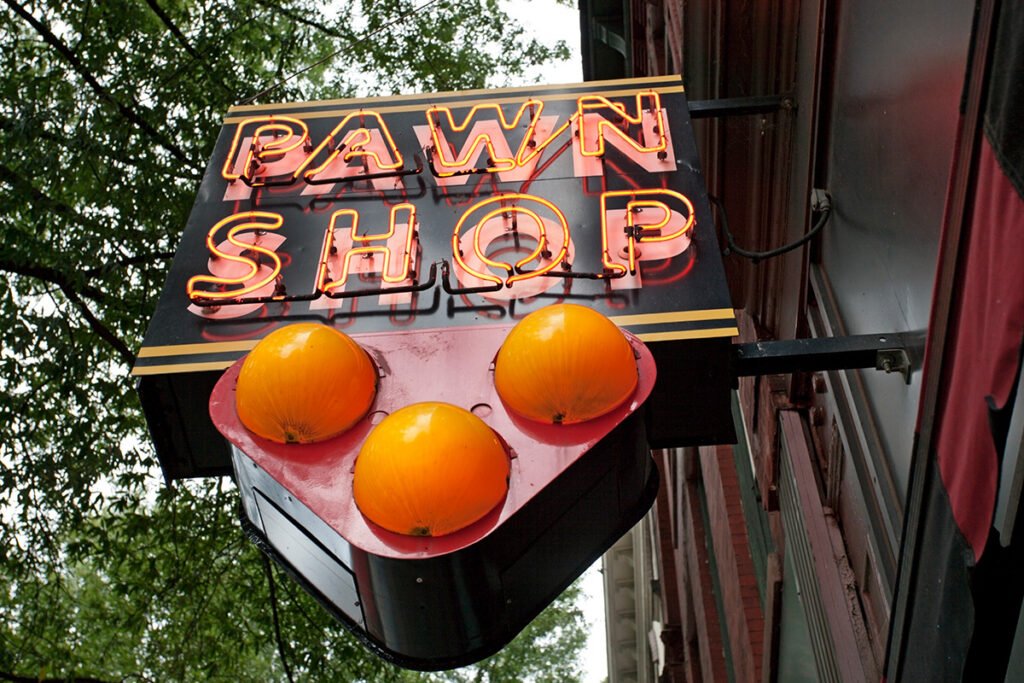
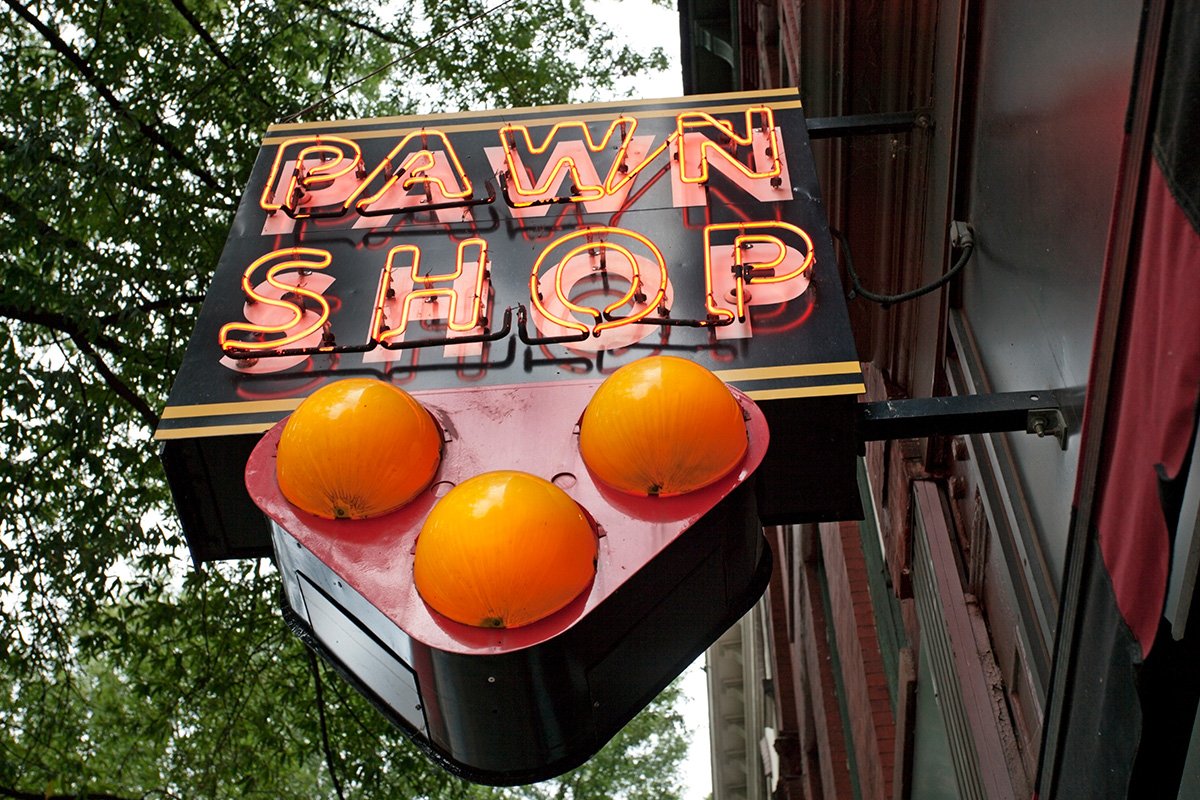
The story of Arthur Abayev and the Grand Jewelry Pawn Shop is a reminder that neighborhood "revitalization" is often a surface-level phenomenon. While the neon signs of pawn shops may seem out of place next to artisanal bakeries, they are an essential barometer of a community’s true health. The surge in pawn shop usage nationwide, coupled with the rising default rates that are driving small lenders out of the credit business, suggests a deepening economic fragility.
For Williamsburg and similar neighborhoods, the path forward requires a recognition that housing and food assistance, while necessary, are not sufficient. There is a glaring need for localized, low-barrier emergency fund programs that can provide micro-grants or interest-free loans to prevent the "cascading disasters" of poverty—where a single missed bill leads to an eviction or a loss of employment. Until such gaps are filled by public policy or philanthropic innovation, the pawn shop will remain a vital, if misunderstood, pillar of the urban landscape, reflecting the persistent struggle of those living in the shadows of the city’s new wealth.