Nila Kartika Wati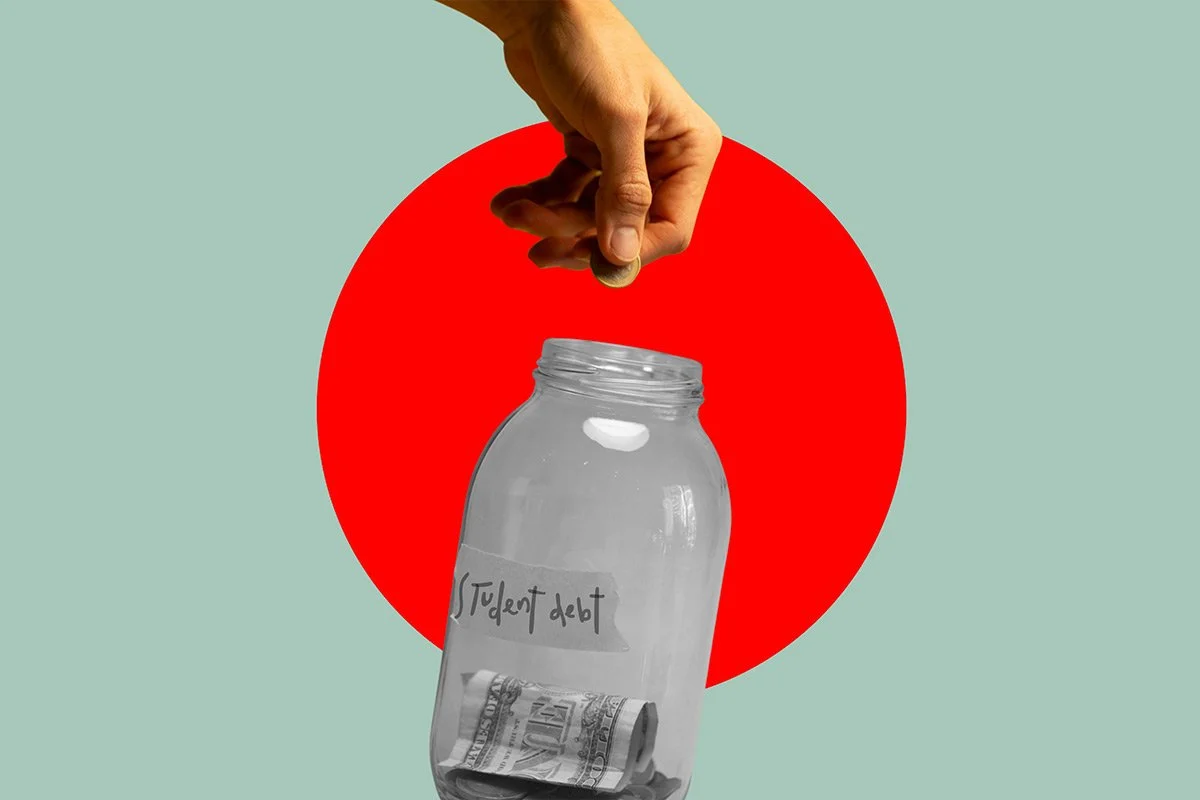
The United States is currently grappling with an unprecedented surge in student loan defaults, a crisis triggered by the end of a multi-year payment pause and exacerbated by a series of systemic administrative failures. Millions of Americans, who previously benefited from the suspension of payments and interest during the COVID-19 pandemic, are now confronting monthly obligations that frequently rival or exceed the cost of housing and transportation. As the federal student loan system undergoes its most significant transformation in decades, advocacy groups and economic experts warn that the current trajectory poses a severe threat to the nation’s broader economic stability.
For more than three years, the suspension of student loan payments provided a critical financial buffer for approximately 40 million borrowers. However, the resumption of these obligations has coincided with the implementation of more restrictive repayment terms and a series of legal setbacks for debt relief programs. The result is a chaotic landscape where borrowers are struggling not only with the financial burden of the debt itself but also with a management system plagued by inaccurate balances, inflated payment demands, and a lack of accessible support.
A Chronology of the Student Loan Crisis: 2020–2026
The current state of the student loan market is the culmination of six years of shifting policy and judicial intervention. To understand the depth of the current crisis, it is essential to trace the timeline of events that led to the present surge in defaults.
The timeline began in March 2020, when the Trump administration first implemented a pause on federal student loan payments and interest accrual in response to the economic shock of the COVID-19 pandemic. This measure, originally intended to be temporary, was extended multiple times by both the Trump and Biden administrations, providing years of relief that allowed borrowers to redirect funds toward savings, housing, and essential living expenses.
By 2023, the landscape began to shift. In June of that year, the Supreme Court of the United States struck down the Biden administration’s plan for broad-based student loan forgiveness, which would have canceled up to $20,000 in debt for millions of low- and middle-income borrowers. Following this ruling, the multi-year payment pause officially ended in late 2023, forcing borrowers back into a system that many had not engaged with for years.
The most significant legislative shift occurred in 2025 with the passage of the "One Big Beautiful Bill" under the second Trump administration. This legislation profoundly reshaped the federal student loan system by imposing strict borrowing limits and eliminating several popular repayment options. The volatility continued into 2026, when the Supreme Court dismantled the SAVE (Saving on a Valuable Education) plan, a program designed to provide more affordable, income-linked payments. This decision forced approximately seven million borrowers to transition into less favorable repayment programs, often resulting in immediate and substantial increases in their monthly bills.
The "One Big Beautiful Bill" and the New Regulatory Landscape
The 2025 legislative overhaul, colloquially known as the "One Big Beautiful Bill," introduced several structural changes that have fundamentally altered the cost of higher education for American families. One of the most impactful provisions was the establishment of a lifetime borrowing cap of $257,500, covering both undergraduate and graduate studies. While proponents argued the cap would curb tuition inflation, critics point out that it creates significant hurdles for students in high-cost professional fields such as medicine, law, and advanced engineering.
Furthermore, the law streamlined the repayment system by eliminating the Pay As You Earn (PAYE) and Income-Contingent Repayment (ICR) programs. For new borrowers, this has left a more rigid set of options with harsher terms. Many borrowers are now expected to remain in repayment for 20 to 30 years, a significant extension compared to previous standards.
Mary-Pat Hector, CEO of the advocacy group Rise, noted that these changes often feel like a betrayal to "everyday Americans" who find themselves crushed by predatory terms while other sectors of the economy receive government support. "When you look at bills like the Big Beautiful Bill, what we’ve seen is bailouts for corporations and investments in billionaires, but no real effort to provide relief for everyday Americans," Hector told the Nonprofit Quarterly (NPQ).
Administrative Failures and Systemic Errors
Beyond the legislative changes, the actual mechanics of the student loan system have come under intense scrutiny. Reports from advocacy groups like the Debt Collective suggest that the system is currently riddled with administrative errors that prevent even willing borrowers from making accurate payments.
Common issues reported by borrowers include:
- Incorrect Balances: Many borrowers have reported that their total debt amounts do not reflect previous payments or interest adjustments.
- Inaccurate Delinquency Notices: Automated systems have been sending out notices of default to borrowers who are either current on their payments or eligible for deferment.
- Inflated Payment Demands: Administrative glitches have resulted in monthly bill calculations that are significantly higher than what is required under federal law.
- Processing Backlogs: Borrowers attempting to enroll in Income-Driven Repayment (IDR) plans face months of delays, during which interest continues to accrue.
Mike Pierce, Executive Director and co-founder of Protect Borrowers, emphasized that the current wave of defaults is not a matter of personal irresponsibility. "It’s happening because they simply can’t afford to—and because the system itself prevents them from keeping up with their payments," Pierce said. He argued that the administration must recognize these systemic failures and reinstate a pause until the errors can be rectified.
The Remaining Lifelines: PSLF and IDR
Despite the dismantling of broad forgiveness programs, two primary avenues for debt relief remain: Public Service Loan Forgiveness (PSLF) and Income-Driven Repayment (IDR). These programs have become the focus of intense advocacy as they represent the last remaining safeguards for millions of borrowers.
The PSLF program cancels the remaining balance of federal Direct Loans after a borrower has made 120 qualifying monthly payments while working full-time for a government or nonprofit employer. This program is essential for the retention of teachers, nurses, social workers, and military personnel. Verna Williams, CEO of Equal Justice Works, highlighted the importance of sharing the personal stories of those impacted by PSLF to protect the program from future legislative cuts. "We show how important Public Service Loan Forgiveness is by sharing the stories of those impacted… so people can truly see what it means," Williams explained.
Similarly, IDR plans allow for debt cancellation after 20 or 25 years of payments adjusted to the borrower’s income level. While these programs offer a path to eventual relief, the recent elimination of the SAVE plan has made the remaining IDR options more expensive for the average household.
Socioeconomic Implications and the "Affordability" Debate
The student loan crisis is not merely a financial issue; it is a social one with deep implications for the American middle class. Data suggests that the resumption of payments is forcing families to delay major life milestones. The "expense hike" associated with the return of student loan bills has surpassed the rising costs of housing and healthcare for many households, leading to a reduction in consumer spending and a slowdown in small business formation.
The crisis also has a disproportionate impact on marginalized communities. Braxton Brewington, a spokesperson for the Debt Collective, pointed out that the current debt-based model of education became the norm only after college access expanded to include women and people of color. "It wasn’t until women, Black Americans… and Latinos began attending college that higher education suddenly became a gap," Brewington noted, suggesting that the current system reinforces structural barriers to economic advancement.
Furthermore, the burden is not limited to young graduates. A growing number of older Americans are entering retirement with student debt, often seeing their Social Security benefits garnished to cover unpaid loans. This "intergenerational debt" has prompted grassroots movements to link student loan reform to the broader national debate on economic affordability.
Future Outlook: The Call for Structural Reform
As the default rate continues to climb, the debate over the future of higher education in the United States has reached a fever pitch. There is a growing movement advocating for a return to a system where higher education is treated as a public good rather than a private commodity.
Advocates point to the historical precedent of tuition-free or highly subsidized public colleges in the U.S., as well as the models used by other developed nations. Mike Pierce of Protect Borrowers suggested that the current failure to make life affordable for borrowers is sparking a backlash that could lead to a renewed federal commitment to "free health care, free college, and free childcare."
In the immediate term, the focus of advocacy groups remains on pressuring the administration to address the administrative chaos and provide temporary relief to those caught in the "default wave." Without significant intervention, the student loan crisis is poised to remain one of the most pressing economic challenges for the foreseeable future, impacting the financial health of over 40 million Americans and the stability of the national economy.