admin
admin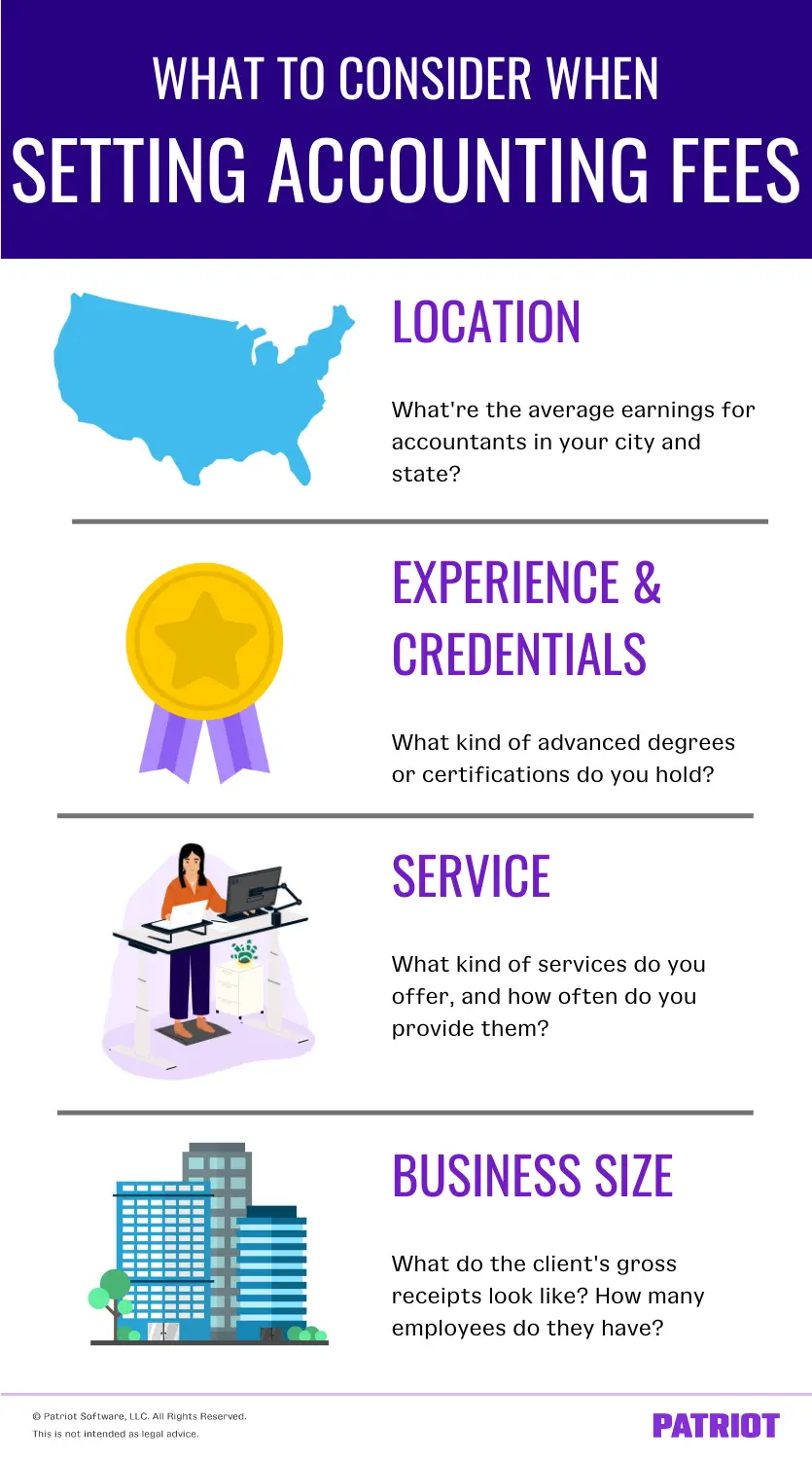
Setting accounting service rates, whether for a nascent practice or an established firm updating its fee structure, stands as a pivotal strategic decision impacting sustainability and growth. The critical inquiry, "How much do accountants charge?" delves into the core of sustainable business operations. Establishing a pricing model that is both reasonable and highly competitive is fundamental to the dual objectives of client acquisition and retention. An inflated fee schedule risks alienating potential clients, potentially driving them towards competitors. Conversely, a significantly undervalued service offering not only imperils the firm’s bottom line but also diminishes the perceived professional worth and expertise of the accountant. This intricate balance underscores the critical nature of a well-conceived pricing strategy in a competitive market.
The landscape of professional accounting fees is dynamic, largely influenced by the chosen methodology for client billing. Historically, the hourly rate dominated the industry, a straightforward approach linking time spent to revenue. However, evolving client expectations and a greater emphasis on tangible outcomes have spurred the adoption of diverse pricing structures. Understanding these options is the first step towards crafting an effective strategy. Common models include the traditional hourly rate, fixed-fee arrangements, retainer agreements, value-based pricing, and tiered or package pricing. The selection of an appropriate structure hinges on several variables, including the ongoing nature of the services, the anticipated time commitment, and the specific value proposition for each client.
Industry Benchmarks and Average Accounting Rates
To effectively position one’s services, accountants frequently seek industry benchmarks. While a definitive, universal figure remains elusive due to the multitude of influencing factors, examining national averages provides a crucial starting point. Average rates and earnings fluctuate significantly based on geographic location, specialization, experience level, and the chosen pricing model.
For instance, national data points offer a broad perspective. Entry-level accountants might command hourly rates starting from $50-$75, while highly specialized or senior professionals in major metropolitan areas could charge upwards of $300-$500 per hour, especially for complex advisory, forensic, or M&A-related services. According to recent reports, the median annual salary for accountants and auditors in the United States often hovers around $78,000 to $85,000. However, this figure can surge past $150,000 for experienced CPAs in leadership roles or those specializing in high-demand fields such as international tax or cybersecurity auditing.
When looking at specific services, the disparity becomes even more pronounced. Basic individual tax preparation might range from $150 to $400, whereas complex business tax returns could easily exceed $1,000. Comprehensive tax planning or audit services for mid-sized corporations can run into tens of thousands. Bookkeeping services, often offered on a monthly retainer, can range from $200 for micro-businesses to over $1,000 for businesses with high transaction volumes. Payroll services might be structured per employee per pay period, or as a fixed monthly fee, typically starting around $50-$100 per month for a small business and increasing with employee count. These figures, while informative, serve merely as a foundational reference. The true art of pricing lies in understanding the specific value an accountant brings to their unique client base, alongside a meticulous assessment of internal costs and external market conditions.
Four Critical Factors Influencing Accounting Fees
Beyond national averages, four primary factors critically shape an accountant’s fee structure. A thorough evaluation of these elements is essential to avoid the pitfalls of underpricing, which erodes profitability, and overpricing, which deters clients.
1. Location: The Geographic Imperative
The adage "location, location, location" holds significant weight in the accounting profession. The geographic locale of both the accounting firm and its client base profoundly influences prevailing fee structures. Firms operating in major metropolitan areas, characterized by higher costs of living and doing business, typically command higher fees than those in suburban or rural settings. This is a direct reflection of elevated operational expenses, including rent, utilities, and employee salaries.
For example, data from platforms like Indeed indicates that accountants in high-cost-of-living areas such as Los Angeles, CA, earn an average of $78,530 annually, compared to Houston, TX, at $68,627. This disparity extends directly to service charges. A complex tax return or an audit engagement in New York City or San Francisco will likely carry a substantially higher price tag than an identical service performed in a smaller Midwestern city. Even with the rise of virtual accounting services, client location remains a consideration; firms often adjust rates to align with the economic realities and competitive landscape of their clients’ regions. A robust market analysis of local competitors and average income levels within the target client demographic is therefore indispensable.
2. Experience, Credentials, and Specialization: The Value of Expertise
An accountant’s professional journey, marked by years of experience, educational attainment, and specialized certifications, directly correlates with their perceived value and, consequently, their fee structure. Seasoned professionals, having navigated a myriad of complex financial scenarios and possessing a deeper understanding of intricate tax codes and regulatory frameworks, naturally command higher rates. Their extensive track record instills greater confidence in clients, who are often willing to pay a premium for proven expertise and peace of mind.
Advanced degrees and professional certifications serve as tangible markers of elevated competence and commitment. The Certified Public Accountant (CPA) designation is perhaps the most widely recognized and respected credential, often enabling practitioners to charge significantly more due to its rigorous examination and experience requirements, alongside the expanded scope of services it authorizes. Other valuable certifications include:
- Certified Management Accountant (CMA): Expertise in financial planning, analysis, control, and decision support.
- Enrolled Agent (EA): Federally authorized tax practitioners who can represent taxpayers before the IRS.
- Certified Financial Planner (CFP): Focuses on personal financial planning, estate planning, and retirement.
- Certified Fraud Examiner (CFE): Essential for forensic accounting and fraud investigation.
- Accredited Business Valuator (ABV): For CPAs performing business valuations.
Firms should actively market these credentials, as they build trust, enhance credibility, and justify higher professional fees. Investment in continuous professional development not only elevates an accountant’s skill set but also provides a strong foundation for strategic fee increases.
3. Scope and Complexity of Services: Tailoring the Offering

The specific nature and frequency of services provided are arguably the most direct determinants of accounting fees. As highlighted by sources like Yelp, fees vary dramatically across different service categories:
- Bookkeeping: Typically ranges from $100 – $300 per month for basic services, escalating with transaction volume.
- Payroll Services: Often $50 – $150 per month plus a per-employee fee.
- Tax Preparation (Individual): From $150 for simple returns to $500+ for complex filings.
- Tax Preparation (Business): Can range from $500 to several thousands, depending on entity type and transactional volume.
- Audit Services: Generally the most expensive, often starting from several thousands and potentially reaching six figures for larger entities.
- Financial Consulting/Advisory: Often billed hourly at a premium rate ($150-$500+ per hour) or as a project-based fee.
The more specialized, intricate, or time-consuming a service, the higher the justified charge. For instance, forensic accounting, M&A due diligence, or international tax planning demand a higher premium due to specialized knowledge and intensive analytical work. Conversely, routine data entry or basic compliance tasks command lower rates. Accountants must also consider the timing of service delivery; urgent requests or last-minute filings often warrant expedited service fees. Furthermore, the frequency of engagement can influence pricing; ongoing clients requiring regular services might receive a discounted rate compared to one-off projects, fostering long-term relationships and predictable revenue streams.
4. Business Size and Complexity of the Client: Scalable Solutions
The scale and inherent complexity of a client’s business operations are paramount in determining appropriate accounting fees. Larger enterprises with higher transaction volumes, more intricate organizational structures, multiple revenue streams, diverse employee bases, and complex regulatory compliance requirements inevitably demand more extensive and sophisticated accounting services.
Key considerations related to business size include:
- Revenue and Transaction Volume: Higher revenue and greater transaction numbers require more intensive bookkeeping and financial reporting.
- Number of Employees: Directly impacts payroll processing complexity and HR compliance.
- Number of Entities: Clients operating multiple legal entities necessitate consolidated financial reporting and complex tax structures.
- Industry Specificity: Certain industries have unique accounting standards and regulatory burdens.
- Audit Requirements: Public companies or those seeking significant financing often require annual audits.
Many accounting firms address this variability by implementing tiered service packages tailored to small, medium, and large business clients. This allows for a scalable pricing model where services and fees align with the specific needs and operational footprint of each client segment, ensuring fairness and profitability.
Evolving Pricing Models: Beyond the Hourly Rate
While hourly billing remains a staple, the accounting profession has shifted towards alternative pricing structures, driven by client demand for transparency, predictability, and value-driven outcomes.
- Fixed-Fee Engagements: Gaining popularity, fixed fees provide clients with cost certainty for a clearly defined scope of work. This model incentivizes efficiency and process optimization, requiring meticulous scoping and clear communication of deliverables.
- Retainer Agreements: Ideal for ongoing advisory, CFO services, or regular compliance tasks, retainers offer clients continuous access to professional expertise for a recurring fee, providing predictable revenue for the firm and consistent support for the client.
- Value-Based Pricing: This advanced model prices services based on the perceived or actual value delivered to the client, rather than the time spent. For instance, if an accountant helps a client save $100,000 in taxes, the fee might be a percentage of that savings, irrespective of the hours worked. Industry experts, such as Ron Baker, a prominent advocate for value pricing, emphasize that this model fosters a partnership approach.
- Tiered or Package Pricing: Firms often create service bundles (e.g., "Basic Compliance," "Growth Package," "Executive Advisory") with escalating features and corresponding price points. This allows clients to select a package that best fits their needs and budget, simplifying the decision-making process.
Many firms adopt a hybrid approach, using fixed fees for routine compliance, value-based pricing for strategic advisory, and hourly rates for unforeseen or highly variable tasks.
Strategic Fee-Setting: Practical Implementation Tips
Developing a robust pricing strategy is an iterative process demanding careful consideration and ongoing refinement. It is not a "set it and forget it" endeavor but rather a dynamic component of business management.
- Conduct Comprehensive Market Research: Delve into local and niche market rates. Utilize industry surveys from organizations like the AICPA, state CPA societies, and regional accounting associations. Understand what competitors are charging for similar services and how they are pricing them.
- Calculate Your Costs Meticulously: Understand your true cost of doing business, including direct and indirect costs. Factor in your desired profit margin to establish a "cost-plus" baseline, ensuring every service contributes positively to your bottom line.
- Define Your Value Proposition Clearly: Articulate the unique benefits clients receive from your services. Quantify these benefits whenever possible. Clients are willing to pay more for tangible value and peace of mind.
- Communicate Your Pricing Transparently: Be upfront about your fee structure. For fixed or package pricing, clearly outline what is included and what constitutes an out-of-scope service. This transparency builds trust and minimizes potential disputes.
- Offer Strategic Free Consultations: A complimentary initial consultation can be a powerful marketing tool. It allows prospective clients to articulate their needs and for the accountant to demonstrate expertise, establish rapport, and highlight the value they can provide, such as identifying potential savings or preventing costly errors. This is an opportunity to "sell the value, not the time."
- Review and Adjust Regularly: Market conditions, your firm’s expertise, and operational costs evolve. Schedule annual or semi-annual reviews of your pricing strategy. Be prepared to adjust fees upwards as your experience grows and your services become more specialized.
- Embrace Technology for Efficiency: Leverage accounting software, automation tools, and client portals to streamline processes. Increased efficiency allows you to deliver services more cost-effectively, potentially increasing profit margins even if fees remain constant, or allowing you to offer more competitive rates.
Broader Impact and Future Outlook
The strategic setting of accounting fees has far-reaching implications, extending beyond the individual firm to the broader economic landscape. For accounting professionals, a well-calibrated pricing strategy is fundamental to profitability, enabling reinvestment in technology, staff development, and business expansion. It directly influences the ability to attract and retain top talent by offering competitive salaries and benefits. For clients, transparent and value-driven pricing fosters trust and allows for better financial planning. The competitive nature of accounting fees also drives innovation within the industry, pushing firms to differentiate through specialized services, superior client experience, and technological integration.
As the accounting profession continuously evolves, with artificial intelligence and automation poised to handle more routine tasks, there will likely be an even greater premium on advisory, analytical, and strategic services. Consequently, pricing models will need to adapt further, emphasizing the intellectual capital and problem-solving capabilities of accountants rather than just transactional processing. The challenge and opportunity lie in effectively communicating this evolving value proposition to a discerning client base, ensuring both profitability for firms and demonstrable value for clients.
This article has been updated from its original publication date of June 8, 2022, to reflect current industry trends and best practices.
This information is not intended as legal or financial advice; for specific guidance, please consult a qualified professional.