Nila Kartika Wati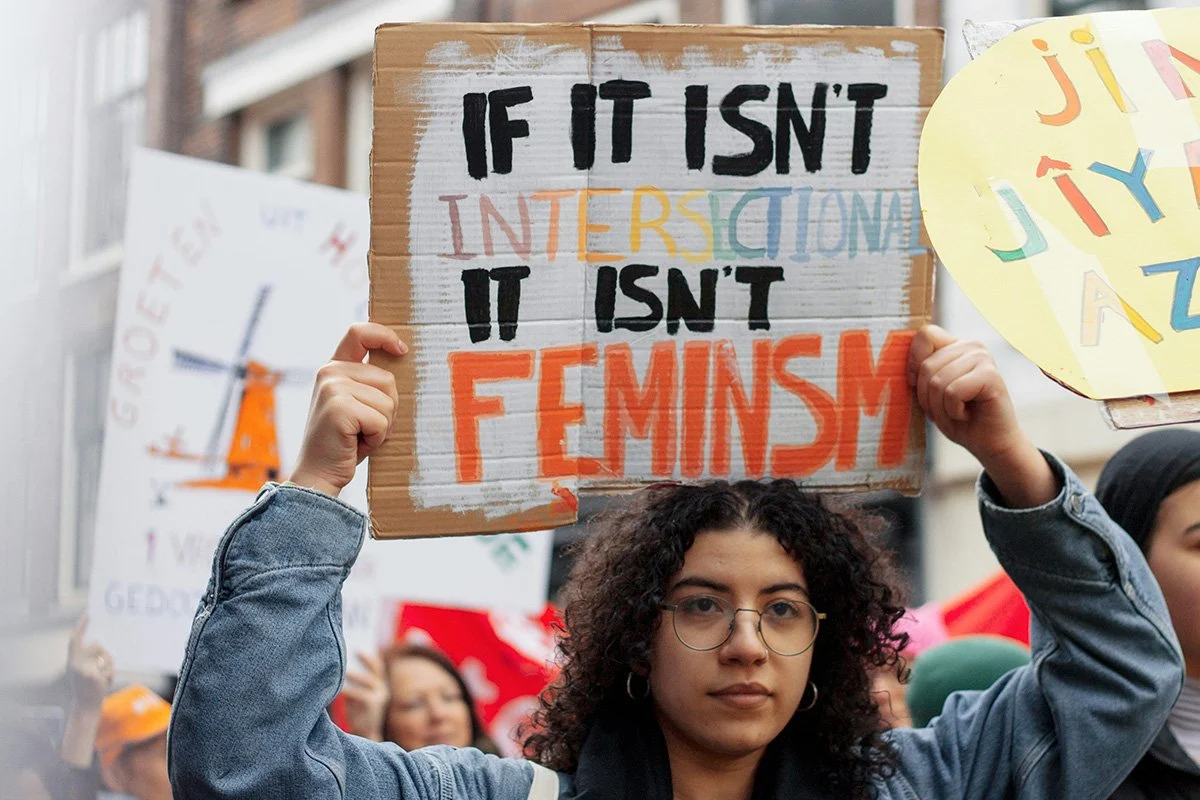
The intersection of gender equity, racial justice, and democratic stability has emerged as a central focal point for civil rights organizers as the United States approaches the 250th anniversary of the signing of the Declaration of Independence. In a series of recent convenings held in Memphis, Tennessee, movement leaders from the American South and Midwest gathered to evaluate the current state of the nation’s democratic institutions. The consensus among these organizers suggests that the health of a democracy is inextricably linked to the bodily autonomy of its citizens. This perspective, rooted in the traditions of multiracial feminism, posits that the struggle for voting rights, reproductive freedom, and gender-affirming care are not disparate political battles but are instead deeply intertwined components of a singular effort to build a more inclusive governance structure.
The Convergence of Grassroots Organizing in the American South
The recent gathering in Memphis highlighted the work of local organizations that serve as microcosms of a broader democratic vision. Two primary entities, My Sistah’s House and CHOICES: Center for Reproductive Health, were identified as critical infrastructure for this evolving movement. My Sistah’s House focuses on providing permanent housing and community support for Black transgender individuals, a demographic that historically faces high rates of housing insecurity and exclusion from public systems. By establishing stable living conditions, the organization argues that it provides the necessary foundation for political and social participation.
Simultaneously, CHOICES has expanded its mission to provide comprehensive reproductive and gender-affirming healthcare. Following the 2022 Supreme Court decision in Dobbs v. Jackson Women’s Health Organization, which overturned the constitutional right to abortion, Memphis has become a strategic center for healthcare access in a region where such services are increasingly restricted. These organizations operate under the philosophy that democracy cannot flourish if individuals are denied the power to make fundamental decisions regarding their own bodies and families.
A Chronology of the Struggle for Inclusive Democracy
The history of American democracy is often characterized as a linear progression toward greater liberty; however, historical analysis reveals a more fragmented reality. The expansion of rights has frequently been uneven, prioritizing those closest to existing power structures while leaving marginalized groups to navigate systemic barriers for decades.
In 1776, the Declaration of Independence established the foundational principles of self-government, yet these promises were largely restricted to White, property-owning men. It took nearly 150 years for the 19th Amendment to be ratified in 1920, granting White women the right to vote. However, for Black women in the South, the right to the ballot remained a theoretical concept due to the implementation of Jim Crow laws, literacy tests, and poll taxes. It was not until the passage of the Voting Rights Act of 1965 that many of these barriers were legally dismantled.
Similarly, Indigenous women navigated complex jurisdictional hurdles related to citizenship and sovereignty, often remaining excluded from the democratic process long after 1920. Asian immigrants were largely barred from citizenship—and thus voting—under federal laws that were not fully repealed until the mid-20th century. Puerto Ricans, despite holding U.S. citizenship since 1917, continue to lack full voting representation in Congress, illustrating the ongoing nature of democratic exclusion.
The Combahee River Collective and the Rise of Intersectionality
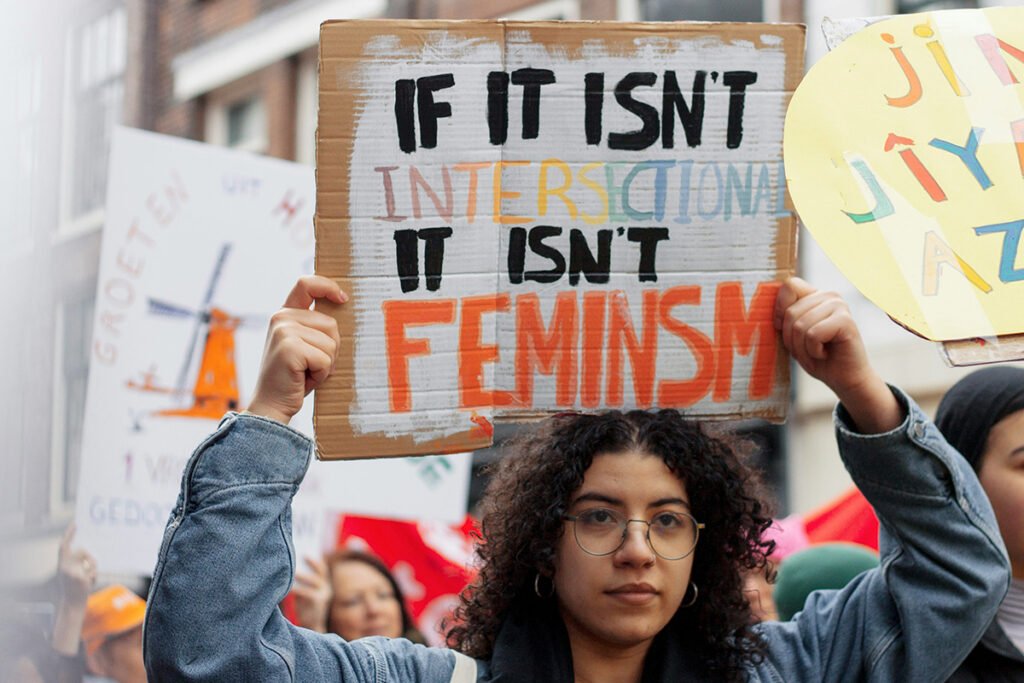
The conceptual framework for current multiracial feminist organizing can be traced back to the 1970s. In 1977, the Combahee River Collective, a group of Black feminists, released a landmark statement arguing that systems of oppression—including racism, sexism, heterosexism, and classism—are interlocking. This analysis moved beyond academic theory and was born out of the practical necessity of organizing communities that lived at the intersections of these identities.
The Collective’s work laid the groundwork for the "Reproductive Justice" framework, developed by Black women in the 1990s. This framework shifted the conversation from a narrow focus on "choice" to a broader demand for the "conditions" necessary to exercise autonomy. This includes access to healthcare, safe housing, living wages, and environments free from state violence. By framing these needs as democratic requirements, organizers have redefined what it means to be a "free" participant in a democratic society.
Supporting Data: Disparities in Health, Housing, and Political Agency
Modern data underscores the urgency of the issues raised by multiracial feminist leaders. According to the Centers for Disease Control and Prevention (CDC), Black women are three times more likely to die from pregnancy-related causes than White women, a disparity that persists regardless of income or education level. This statistic is often cited by activists as evidence that the state is failing to protect the most basic rights of a significant portion of its citizenry.
In the realm of housing, a 2021 report from the National Center for Transgender Equality found that one in three transgender people has experienced homelessness at some point in their lives, with the rate significantly higher for Black transgender women. When individuals lack stable housing, their ability to maintain voter registration, attend town halls, or participate in community organizing is severely compromised.
Furthermore, the legislative landscape regarding bodily autonomy has shifted dramatically. Since the Dobbs decision, 14 states have enacted near-total abortion bans, while over 20 states have introduced or passed legislation restricting gender-affirming care for minors and, in some cases, adults. Civil rights analysts suggest that these restrictions disproportionately affect low-income communities and people of color, further entrenching existing inequalities in political power.
Official Responses and Political Implications
The debate over the role of feminism in democracy has drawn reactions from various political sectors. Proponents of multiracial feminism argue that authoritarianism often uses gender and reproductive control as a lever of power. They point to historical precedents where the restriction of women’s rights served as a precursor to broader democratic backsliding.
In contrast, some political traditionalists argue that democracy should focus primarily on the mechanics of governance—such as election integrity and the rule of law—rather than social issues like reproductive health. However, the Memphis convenings served as a rebuttal to this view. Leaders there argued that "formal rights" are insufficient if the "material conditions" for exercising those rights are absent.
"Democracy is not merely a political system; it is about how power is distributed in everyday life," stated one report summarizing the Memphis sessions. This sentiment reflects a growing trend among progressive organizers to treat healthcare and housing as "democratic infrastructure."
The Impact of Intersectionality on Future Governance
As the United States looks toward its 250th anniversary, the work of multiracial feminists offers a blueprint for what a more inclusive democracy might look like. This vision moves beyond the "steady march toward progress" narrative and acknowledges that rights are often won through sustained struggle rather than granted by institutions.
The implications of this movement are significant for the future of American policy. If the principles of multiracial feminism are adopted more broadly, the following shifts could occur in the national discourse:
- Redefining Security: National security and community safety may be reframed to include protection from domestic violence, maternal mortality, and economic precarity.
- Institutional Reform: There may be increased pressure to reform voting systems to ensure that those in the most marginalized communities have a meaningful say in governance, moving beyond simple ballot access to addressing the barriers of "racial terror" and intimidation.
- Holistic Policy Making: Legislative agendas may increasingly link reproductive rights with economic policy, recognizing that the ability to plan a family is a key driver of economic stability and public participation.
The innovations in democracy seen in Memphis—where housing for trans women and reproductive clinics are viewed as essential democratic sites—suggest that the next phase of American governance may be defined by those who have historically been excluded from its promises. By centering the experiences of those at the intersections of multiple systems of power, these movements are attempting to build a version of democracy where belonging is synonymous with the power to be free.
Conclusion: Beyond the 250th Anniversary
The marking of 250 years of American independence serves as both a commemoration of the past and a challenge for the future. The fireworks and celebrations of the anniversary provide a temporary focus on national identity, but the structural work of building an inclusive democracy remains an ongoing process.
Multiracial feminism provides a lens through which to measure the success of this process. It asks the nation to evaluate its democratic health not just by the frequency of its elections or the stability of its courts, but by the degree to which every individual has meaningful power over their body, their family, and their community. As the leaders in Memphis concluded, the question for the next century is not simply who belongs in the democracy, but what the nation is willing to build to ensure that such belonging includes the fundamental right to autonomy and self-determination. The work of the next 250 years will likely be defined by the resolution of these intertwined struggles for justice.