Dwi Wanna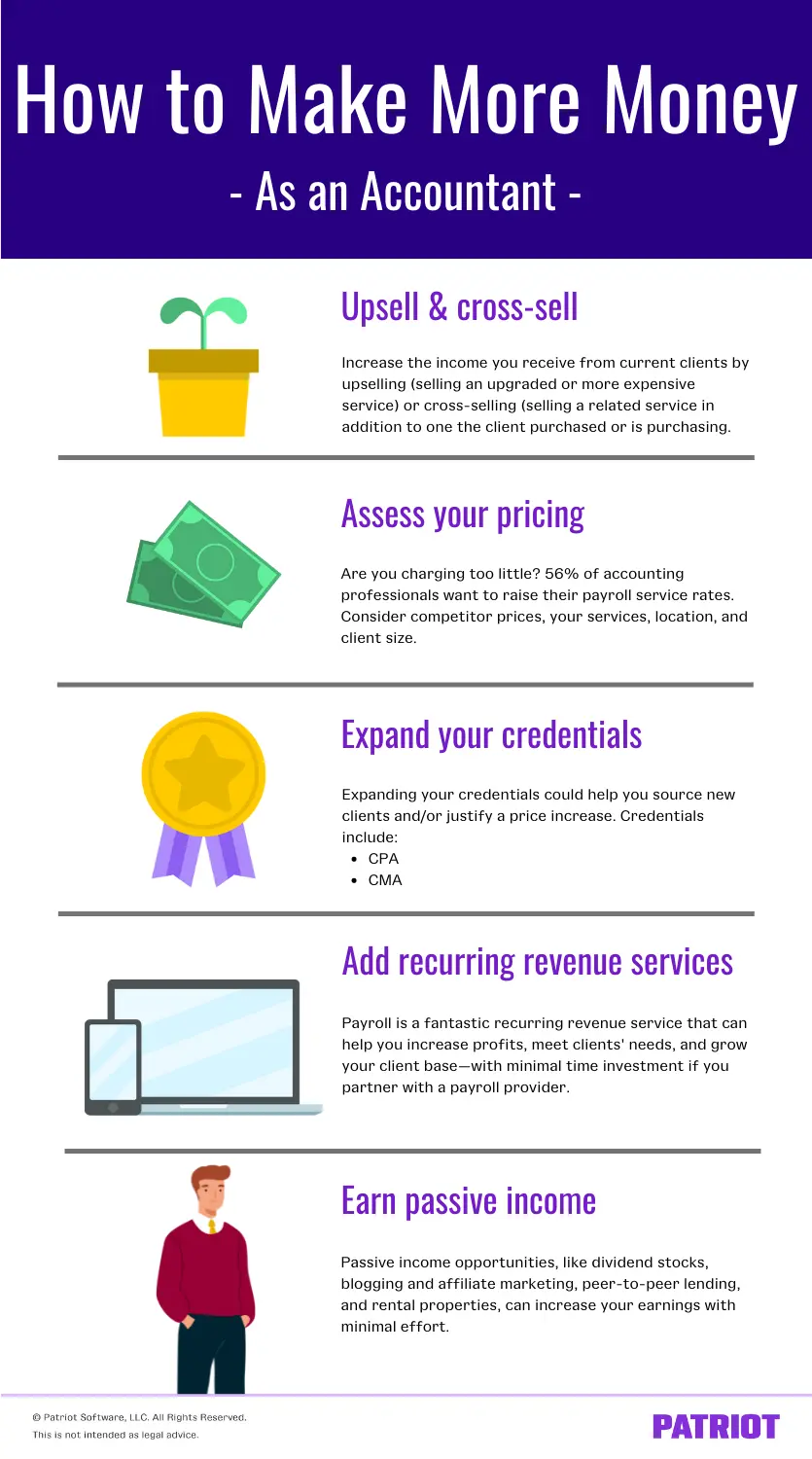
Strategies for Increasing Income and Earning Potential in the Accounting and Auditing Profession have become a focal point for financial specialists as new data from the Bureau of Labor Statistics (BLS) highlights a widening gap between median earners and the industry’s top performers. According to 2024 federal labor data, the median annual wage for accountants and auditors reached $83,680, yet the top 10% of practitioners in the field are now commanding salaries in excess of $144,090. This significant disparity of over $60,000 between the median and the upper decile has prompted a shift in how professionals approach their career trajectories, moving away from traditional tenure-based raises toward more aggressive, value-driven income strategies.
The accounting industry is currently navigating a period of profound transition. While factors such as geographic location and years of service remain influential in determining salary, the modern fiscal landscape offers unprecedented opportunities for professionals to influence their own earning power through specialization, technological integration, and diversified service offerings. As the "Great Resignation" and a subsequent talent shortage in the CPA (Certified Public Accountant) pipeline continue to affect the market, firms and independent practitioners are finding that they have more leverage than in previous decades to redefine their financial worth.
The Evolution of the Accounting Market: A Chronological Context
To understand the current earning potential for accountants, one must look at the trajectory of the profession over the last five years. In 2019, the median pay for accountants was approximately $71,550. The subsequent global pandemic in 2020 served as a catalyst for rapid digital transformation, forcing firms to adopt cloud-based solutions and remote work almost overnight. By 2022, the role of the accountant had shifted from a "compliance-only" function to that of a "strategic advisor," as businesses looked to their financial experts to navigate government relief programs and economic instability.
In 2023, the industry saw a marked increase in the demand for specialized audits and forensic accounting due to a rise in digital financial crimes and complex ESG (Environmental, Social, and Governance) reporting requirements. Entering 2024, the primary challenge remains a shrinking supply of new talent entering the field, coupled with an aging workforce nearing retirement. This supply-demand imbalance has created a "seller’s market" for accounting services, providing a unique window for professionals to optimize their revenue streams.
Strategic Upselling and Cross-Selling to Existing Client Bases
One of the most immediate methods for increasing firm revenue is the optimization of the current client list. Industry analysts note that the cost of acquiring a new client can be five to 25 times more expensive than retaining an existing one. Therefore, the practices of upselling and cross-selling have moved from the periphery of sales into the core of accounting firm management.
Upselling involves encouraging a client to purchase a higher-end version of a service they are already using—for example, moving a client from basic annual tax preparation to a monthly "concierge" bookkeeping and advisory package. Cross-selling, conversely, involves offering a different category of service that complements the current engagement, such as providing tax planning for a client who originally only hired the firm for payroll.
Recent sales data indicates that nearly 74% of professionals who actively engage in cross-selling see it account for up to 30% of their total revenue. In a journalistic analysis of these figures, it becomes clear that many accountants are leaving money on the table by failing to communicate the full breadth of their expertise to their current clients. By positioning themselves as "Total Solution Providers," accountants can increase their "wallet share" without the marketing overhead required to find new leads.
The Shift Toward Value-Based Pricing and Rate Assessment
The traditional hourly billing model is increasingly viewed as an impediment to high-level earnings. Professional organizations, including the American Institute of CPAs (AICPA), have frequently discussed the benefits of value-based pricing, where fees are set based on the perceived value to the client rather than the time spent by the accountant.
A 2023 survey of accounting professionals revealed that 56% of respondents felt their current rates—specifically for payroll and administrative services—were below market value. To bridge this gap, experts recommend a rigorous annual assessment of pricing structures. This assessment must factor in:
- Competitor Benchmarking: Analysis of what firms of similar size and specialization are charging in the same geographic region.
- Cost-of-Living Adjustments (COLA): Ensuring that inflation and rising operational costs (such as software subscriptions and office space) are passed through to the service price.
- Client Complexity: Moving away from flat rates for all clients and instead tiering prices based on the volume of transactions or the complexity of the regulatory environment the client operates within.
By adjusting rates to reflect current market realities, an accountant can see a significant boost in net income without increasing their total hours worked.
Expanding Credentials and Specialization ROI
The path to the top 10% of earners often requires a commitment to continuing education that goes beyond the minimum requirements for licensure. In the current market, generalists are seeing their margins squeezed by automated software, whereas specialists are seeing their rates soar.

Expanding credentials serves two purposes: it increases the practitioner’s credibility and allows them to enter high-barrier-to-entry markets. Notable certifications that correlate with higher earning potential include:
- Certified Public Accountant (CPA): Still the gold standard, often resulting in a 10-15% salary premium over non-certified peers.
- Certified Management Accountant (CMA): Focused on corporate finance and strategy, often leading to executive-level roles.
- Certified Information Systems Auditor (CISA): High demand due to the focus on cybersecurity and data integrity.
- Enrolled Agent (EA): Specifically for tax experts who wish to represent clients before the IRS.
The investment in these credentials often pays for itself within 18 to 24 months through higher billable rates or promotion opportunities within larger firms.
Leveraging Technology for Recurring Revenue Streams
The integration of cloud-based payroll and bookkeeping software has revolutionized the ability of small-to-medium-sized firms to generate recurring revenue. Historically, payroll was considered a low-margin, high-hassle service. However, with modern automated platforms, the "labor per dollar" ratio has shifted dramatically.
By offering payroll as a recurring service, accountants create a "sticky" relationship with the client, ensuring consistent monthly cash flow. Automated systems now handle tax rate updates, multi-state filings, and direct deposits with minimal manual intervention. This allows the accountant to focus on high-level advisory work while the software manages the routine compliance tasks.
From a strategic standpoint, adding recurring services reduces the seasonal "feast and famine" cycle typical of the tax season. It provides a stable financial foundation that allows firms to invest in further growth or technology upgrades, ultimately driving the professional toward the six-figure earning bracket.
The Rise of Passive Income and the Gig Economy for Financial Experts
Beyond traditional client services, accountants are increasingly exploring passive income streams that leverage their intellectual property. The "Creator Economy" has reached the professional services sector, with accountants producing online courses, webinars, and specialized financial templates for sale to the general public or other professionals.
Furthermore, the rise of "Fractional CFO" roles allows experienced accountants to work with multiple startups or small businesses on a part-time basis. This model often yields a higher hourly rate than full-time employment, as the accountant provides high-level strategic oversight without the overhead of a full-time executive salary for the client.
Affiliate marketing and referral partnerships also present opportunities. When an accountant recommends a specific software or insurance product to a client, they may be eligible for referral fees (subject to ethical guidelines and disclosure requirements). While these amounts may be small individually, they contribute to a diversified income portfolio that is less dependent on billable hours.
Broader Implications and Industry Outlook
The trend toward higher earnings in the accounting sector reflects a broader economic shift toward the "knowledge economy." As artificial intelligence (AI) begins to automate basic data entry and reconciliation, the value of the human accountant is being redefined. The accountants who will occupy the top 10% of the pay scale in the coming years will not be those who can calculate the fastest, but those who can interpret data most effectively to drive business growth for their clients.
Industry leaders suggest that the traditional firm structure is evolving. We are seeing a move toward "Boutique Specialization," where firms focus exclusively on high-value niches like R&D tax credits, international estate planning, or cryptocurrency taxation.
In conclusion, while the median pay for accountants remains healthy at $83,680, the ceiling for the profession is being pushed higher by those who embrace technology, specialized credentials, and innovative pricing models. The transition from a compliance-focused practitioner to a strategic financial partner appears to be the most viable path for those seeking to reach and exceed the $144,090 threshold. As the 2024 fiscal year progresses, the gap between those who adapt to these new market realities and those who rely on traditional methods is expected to widen further, marking a new era of financial opportunity in the accounting and auditing profession.