Julia Chirkova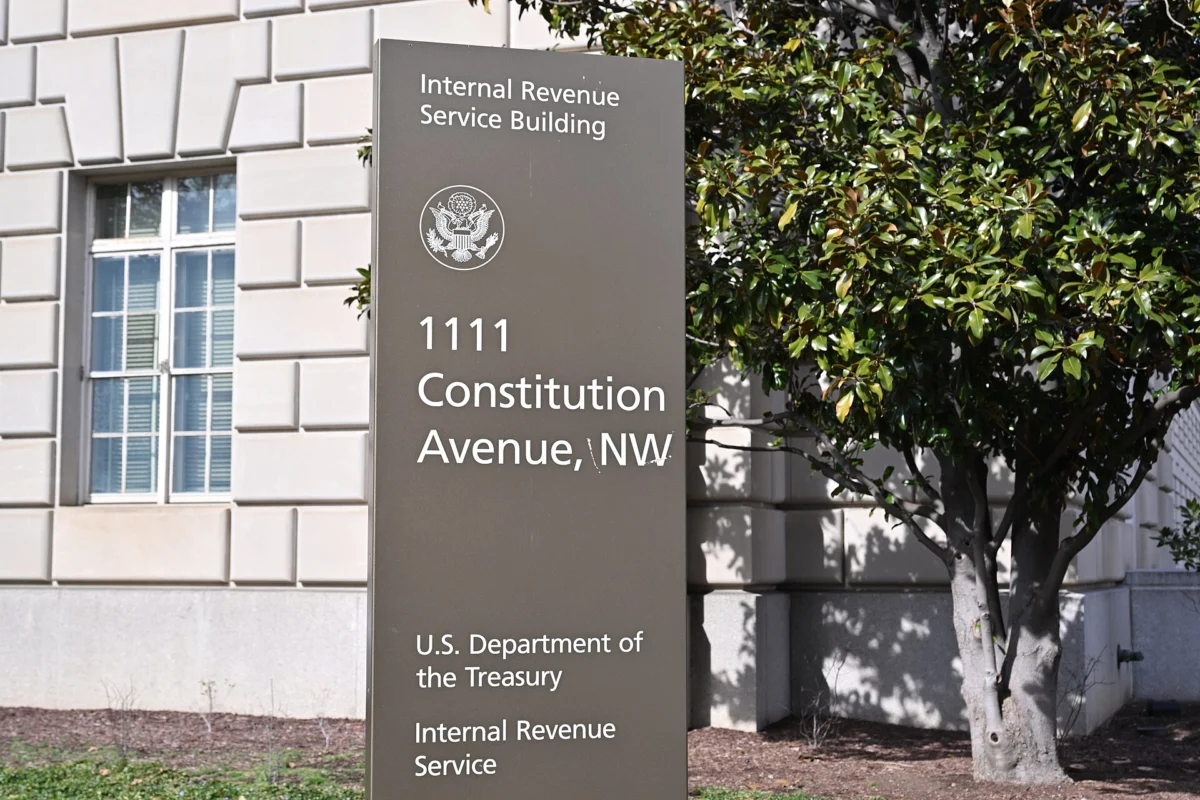
Nearly a dozen Senate Democrats are strongly urging IRS CEO Frank Bisignano to retract a newly proposed citizenship and work authorization checkbox from the final iteration of the 2026 Form 1040, citing significant concerns about its potential impact on tax compliance, immigrant communities, and the IRS’s core mission. The contentious question, which appears in a new "Other Information" section on the draft version of the 2026 federal income tax return, asks: "At the time you file your return, are you, and your spouse if filing jointly, a U.S. citizen, U.S. national, or an alien lawfully authorized to work in the U.S.?" Taxpayers are presented with "Yes" or "No" options for themselves and their spouse if filing jointly.
This proposed addition has ignited immediate alarm among immigration advocates, who fear that the responses could be leveraged by federal agencies to identify and deport individuals or their spouses who are residing in the United States without proper authorization. The senators argue that the inclusion of such a question represents a significant departure from the IRS’s primary function of tax administration and could inadvertently create a mechanism for immigration enforcement within the tax system, a move they believe is both detrimental and unnecessary.
The bipartisan pushback is spearheaded by a group of 11 Senate Democrats, including prominent figures such as Elizabeth Warren of Massachusetts, Ron Wyden of Oregon, and Ben Ray Luján of New Mexico. In a strongly worded letter addressed to Bisignano, the senators articulated their position, stating that the introduction of an immigration-related question for the first time on the standard tax form "appears to serve no legitimate tax administration purpose and risks increasing the tax gap by hundreds of billions of dollars."
Concerns Over Tax Compliance and IRS Mission
The core of the senators’ argument rests on the assertion that the IRS possesses existing mechanisms to manage tax filings from non-residents and to verify work authorization without resorting to a broad citizenship and work status query on the primary income tax form. "The Internal Revenue Service (IRS) does not need this checkbox to collect taxes," the letter unequivocally states. "Nonresidents already file Form 1040-NR, and the agency checks work authorization against Social Security Administration data."
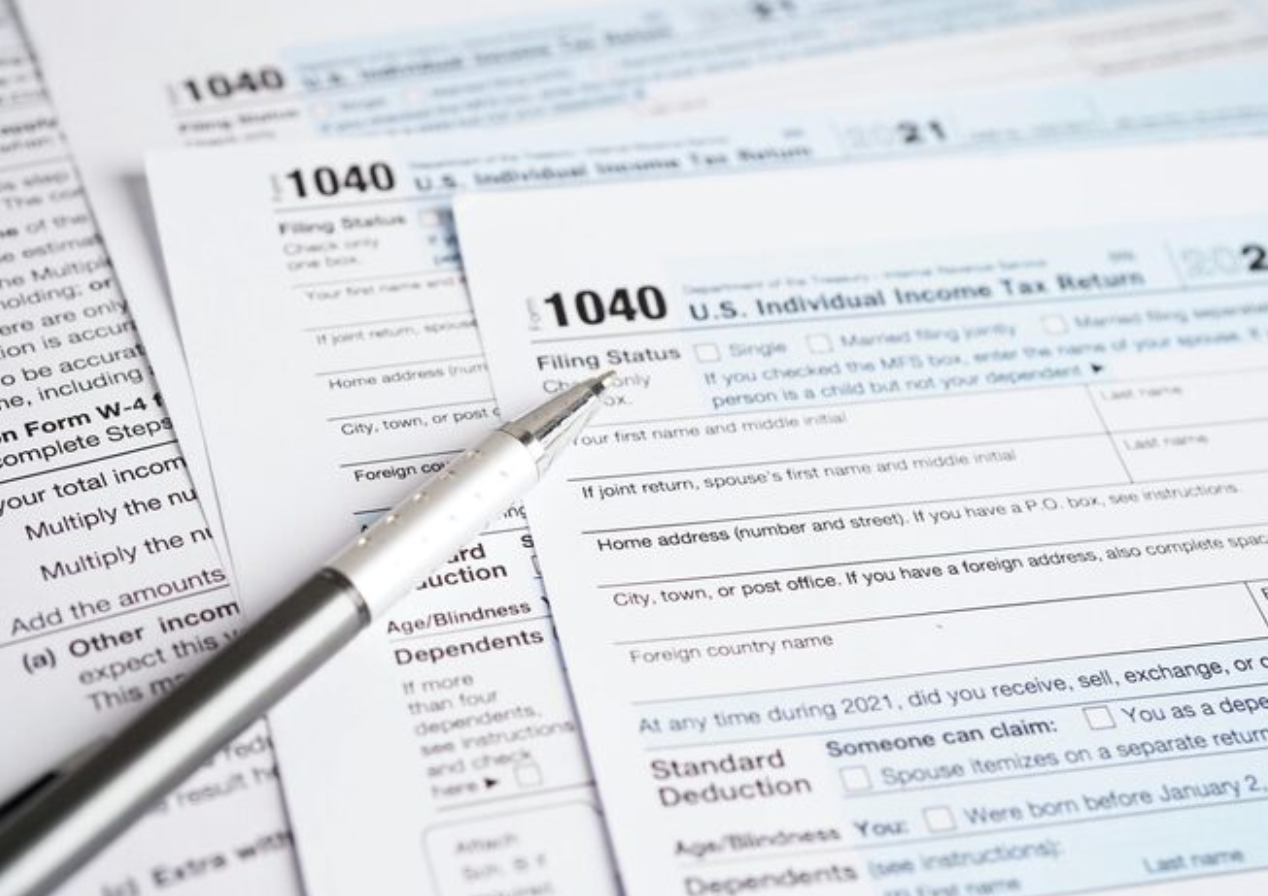
The lawmakers contend that integrating immigration status into the tax filing process fundamentally alters the IRS’s role and could have a chilling effect on voluntary tax compliance. "Turning the 1040 into an immigration tracker actively sabotages voluntary tax compliance and undermines the IRS’s core tax collection responsibilities," the senators warned. They further highlighted the erosion of public trust in the IRS, particularly in light of past incidents where the agency was reported to have shared private taxpayer data with Immigration and Customs Enforcement (ICE). A specific instance mentioned involved the IRS allegedly and illegally handing over the private data of more than 42,000 taxpayers to ICE. The senators believe that placing this new question prominently on the Form 1040 will exacerbate this distrust and discourage individuals, including those with lawful status, from filing their taxes altogether.
Economic Implications and the Tax Gap
Beyond the immediate concerns for immigrant communities, the senators’ letter also addresses the significant economic repercussions of incorporating such a question. Citing estimates from the Yale Budget Lab, the lawmakers project that "weaponizing tax filing" could result in a substantial loss to the federal government, potentially amounting to $313 billion over the next decade. This figure is attributed to the expected decrease in tax compliance.
Furthermore, the senators expressed alarm over the potential endangerment of the substantial tax revenue currently generated by unauthorized workers. Yale Budget Lab estimates suggest that these individuals contribute approximately $66 billion annually in taxes. A climate of fear and uncertainty fostered by the proposed change could lead to a significant reduction in this revenue stream, further impacting federal finances.
Delayed Tax Gap Report and Potential Omissions
The letter also draws attention to the IRS’s delayed release of its updated tax gap estimate. The tax gap, representing the difference between taxes legally owed and taxes voluntarily paid, is a crucial metric for understanding tax compliance and identifying areas for improvement. The last comprehensive report from the IRS, released in October 2024, estimated the tax gap for the tax year 2022 to be approximately $700 billion annually. The subsequent report, which was expected to cover the tax year 2023 and was anticipated in the fall of 2025, has yet to be published. The senators have suggested that this delay might be intentional, potentially to obscure the full scope of tax evasion and underreporting.
Moreover, the senators have raised suspicions that the IRS may be deliberately omitting certain categories of income from its tax gap calculations. They hinted that significant portions of the tax gap attributable to corporate income tax, income from flow-through entities (such as partnerships and S-corporations), foreign activities, and digital assets might have been excluded from recent estimates. This alleged omission could significantly underestimate the true scale of the tax gap and weaken the case for enhanced IRS enforcement and resources.
A Precedent of Data Sharing and Erosion of Trust
The senators’ concerns are deeply rooted in past instances of data sharing between the IRS and ICE. While an appeals court has reportedly upheld a block on a specific IRS-ICE taxpayer data-sharing agreement, the memory of previous collaborations, such as the alleged illegal sharing of data impacting over 42,000 taxpayers, looms large. This history has fostered a deep-seated distrust among various communities, particularly those with vulnerable immigration statuses. Introducing a question that directly probes immigration status on a document as fundamental as the tax return is perceived as a direct escalation of this trend, potentially transforming the IRS into an unwitting immigration enforcement arm.
The senators leading this charge, in addition to Warren, Wyden, and Luján, include Catherine Cortez Masto of Nevada, Alex Padilla of California, Peter Welch of Vermont, Martin Heinrich of New Mexico, Chris Van Hollen of Maryland, Jacky Rosen of Nevada, Patty Murray of Washington, and Cory Booker of New Jersey. Their collective action underscores a significant level of concern within the Democratic caucus regarding the potential ramifications of this proposed tax form change.
The Broader Impact on Tax Administration
The inclusion of a citizenship and work authorization question on the Form 1040 could have far-reaching implications for the IRS’s operational effectiveness and public perception. Historically, the IRS has strived to maintain a degree of separation between tax administration and immigration enforcement to encourage voluntary compliance. Introducing a direct query about immigration status risks blurring these lines, potentially leading to:

- Reduced Voluntary Compliance: Individuals who are undocumented or uncertain about their immigration status may forgo filing taxes altogether to avoid potential scrutiny, thereby increasing the tax gap and reducing government revenue.
- Increased Burden on Taxpayers: The question could create confusion and anxiety for legitimate taxpayers, particularly those who are recent immigrants or have complex family situations involving mixed immigration statuses.
- Undermining Tax Audits: If the IRS begins using this information for immigration enforcement, it could compromise its ability to conduct neutral and objective tax audits, as taxpayers might become less forthcoming with information for fear of immigration repercussions.
- Erosion of Public Trust: The perception of the IRS as a neutral revenue collector could be severely damaged, making it more challenging for the agency to secure taxpayer cooperation in the future.
The senators’ letter represents a critical intervention, urging the IRS to reconsider a policy that they believe could inflict significant damage on both the tax system and the communities it serves. The IRS has not yet issued a formal public response to the senators’ letter, but the strong bipartisan opposition suggests that the agency will face considerable pressure to address these concerns before finalizing the 2026 Form 1040. The outcome of this debate will likely shape the future relationship between tax administration and immigration policy in the United States.
The timely release of the updated tax gap report also remains a critical point of contention. A comprehensive and transparent assessment of the tax gap is essential for informed policy decisions and for demonstrating the effectiveness of IRS enforcement efforts. The ongoing delay and the senators’ allegations of potential omissions further fuel the debate surrounding the IRS’s commitment to transparency and accurate reporting.
Ultimately, the proposed addition to the 2026 Form 1040 highlights a complex intersection of tax policy, immigration law, and public trust. The senators’ plea to remove the question underscores a fundamental belief that the IRS should remain focused on its core mission of tax collection, free from the pressures and potential harms associated with immigration enforcement activities. The coming weeks will be crucial in determining whether the IRS heeds this urgent call and maintains the integrity of the tax filing system.