Lana Rhoades
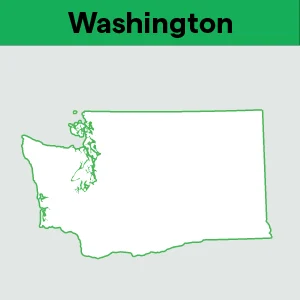
Washington State’s Department of Revenue (DOR) maintains a unique regulatory environment that distinguishes it from many other U.S. jurisdictions, primarily because the state does not levy a personal or corporate income tax. Consequently, the state relies heavily on consumption-based taxes and gross receipts taxes to fund public services. For businesses operating within the state or reaching a specific economic threshold from afar, the primary gateway to compliance is the Washington Business License. Unlike many states that issue a standalone "seller’s permit," Washington integrates its sales tax registration into a broader business licensing system. This comprehensive approach ensures that the Department of Revenue can track both the Retail Sales Tax and the Business and Occupation (B&O) tax, the latter of which is a tax on gross receipts that applies to almost all business activities in the state.
The Regulatory Framework of Washington Business Licensing
The requirement to obtain a Washington business license is triggered by several factors, including the location of the business, the nature of the products sold, and the volume of revenue generated. Under the Revised Code of Washington (RCW), any entity conducting business in the state must register if they meet specific criteria, such as having a physical presence (nexus), grossing more than $12,000 annually in Washington-based income, or being required to collect retail sales tax.
For remote sellers—those with no physical presence in the state—the landscape shifted significantly following the 2018 U.S. Supreme Court decision in South Dakota v. Wayfair, Inc. This ruling allowed states to mandate tax collection based on economic activity rather than physical location. Washington was an early adopter of these standards, establishing an economic nexus threshold of $100,000 in cumulative gross receipts from Washington customers during the current or previous calendar year. Once this threshold is surpassed, a remote seller is legally obligated to register with the DOR, collect sales tax, and pay the B&O tax.
Chronology of the Registration Process
The transition from a prospective business idea to a fully compliant entity follows a structured timeline managed by the Washington Business Licensing Service (BLS).
- The Planning Phase: Before filing, a business must determine its legal structure (e.g., LLC, Corporation, Sole Proprietorship). Out-of-state corporations must also ensure they are registered with the Washington Secretary of State if they intend to "do business" in a way that requires legal standing in state courts.
- The Application Filing: Most businesses utilize the "My DOR" online portal, which serves as a centralized hub for tax filings and license renewals. The online application is typically processed within 10 business days. For those choosing to submit via paper mail, the processing time extends significantly, often taking three to six weeks depending on seasonal volume.
- The Fee Assessment: Washington utilizes a variable fee system. While tax registration itself does not carry a specific "permit fee," the Business License Application requires a processing fee. As of 2024, the standard fee for opening a new business is $50, though opening a secondary location or adding specialized endorsements (such as liquor, tobacco, or lottery sales) incurs additional costs.
- Issuance and Notification: Once the application is approved, the business receives a Unified Business Identifier (UBI) number. This nine-digit number is the cornerstone of the business’s identity in Washington, used for everything from opening bank accounts to filing monthly or quarterly tax returns.
- Ongoing Maintenance: The business license is not a "one-and-done" document. It must be renewed annually. The DOR typically sends a renewal notice approximately 45 days before the expiration date printed on the license. Failure to renew on time results in a $10 penalty or, in extreme cases, the cancellation of the license, which can lead to legal injunctions against business operations.
Supporting Data and Economic Context
Washington’s reliance on sales tax is evident in its fiscal data. The state’s standard sales tax rate is 6.5%, but local jurisdictions add their own percentages, leading to combined rates that often exceed 10% in high-traffic areas like Seattle, Tacoma, and Bellevue. According to data from the Washington Department of Revenue, sales tax and B&O tax combined account for more than 70% of the state’s General Fund revenue.
The B&O tax is particularly noteworthy for new registrants. Unlike sales tax, which is paid by the consumer and remitted by the business, the B&O tax is a "cost of doing business" tax. It is calculated on gross receipts with no deductions for labor, materials, or other costs of goods sold. Rates vary by classification:
- Retailing: 0.471%
- Wholesaling: 0.484%
- Manufacturing: 0.484%
- Service and Other Activities: 1.5% (for businesses with gross income over $1 million) or 1.75% (standard).
For a remote seller hitting the $100,000 threshold, this means they are not only collecting the 6.5%+ sales tax from their customers but are also liable for approximately $471 in B&O tax for every $100,000 in retail sales.
The Role of Marketplace Facilitators
A significant portion of modern e-commerce occurs through "marketplace facilitators" such as Amazon, eBay, Etsy, and Walmart. Washington law requires these facilitators to collect and remit retail sales tax on behalf of their third-party sellers. This has led to a common misconception among small business owners that they do not need to register if they only sell through these platforms.
However, the Department of Revenue maintains that if a seller meets the economic nexus threshold of $100,000, they must still register for a Washington business license. While they may not need to remit the sales tax (as the facilitator has already done so), they are still liable for the B&O tax on those gross receipts. On the tax return, the seller reports their total Washington gross sales and then takes a "Marketplace Facilitator" deduction for the sales tax portion, ensuring they are only taxed on the B&O side of the transaction.
Official Responses and Policy Implications
State officials and tax experts emphasize that the integration of business licensing and tax registration is designed to reduce the "tax gap"—the difference between taxes owed and taxes collected. By requiring a unified license, the state can ensure that any entity collecting sales tax is also registered for the B&O tax.
In statements regarding compliance, the DOR has historically encouraged "Voluntary Disclosure Agreements" (VDAs). For businesses that realize they have had nexus in Washington for several years but failed to register, a VDA allows them to come forward, pay back taxes and interest, and usually receive a waiver of penalties. This proactive approach is preferred over an audit, where the state may look back further into the business’s history and apply heavy delinquency penalties.
Industry analysts suggest that Washington’s model is becoming a blueprint for other states looking to modernize their revenue collection in the digital age. The focus is shifting away from "where the office is" to "where the customer is." This "destination-based" sourcing means that for every sale made to a Washington resident, the tax rate is determined by the delivery address, not the seller’s location.
Broader Impact and Business Implications
The administrative burden of managing Washington’s requirements can be substantial for small to mid-sized enterprises (SMEs). The necessity of tracking sales by individual zip codes to apply the correct local tax rates requires robust accounting software or the use of automated compliance services like TaxJar or Avalara.
Furthermore, the annual renewal process serves as a recurring compliance check. If a business falls behind on its tax payments, the BLS can withhold the renewal of the business license, effectively shutting down the business’s legal right to operate. This creates a high-stakes environment for compliance.
For the broader economy, Washington’s tax structure creates a stable revenue stream that funds major infrastructure and education projects without the volatility often associated with state income taxes. However, it also places a higher relative tax burden on high-volume, low-margin businesses (such as grocery stores or wholesalers) because the B&O tax is levied on gross revenue rather than net profit.
In conclusion, registering for a sales tax permit in Washington—officially known as obtaining a Business License with a tax registration endorsement—is a multi-faceted process that requires a deep understanding of both physical and economic nexus. Whether a business is a local boutique in Spokane or a remote software provider in New York, the $100,000 threshold and the dual obligation of Sales Tax and B&O tax remain the pillars of Washington’s commercial regulatory landscape. As e-commerce continues to evolve, the state’s rigorous enforcement and integrated licensing system serve as a definitive model for state-level revenue management in the 21st century.