Lana Rhoades

The regulatory landscape governing commercial transactions in the United States necessitates a precise understanding of tax documentation, particularly the distinction between sales tax permits and resale certificates. For retailers and e-commerce entities, these documents serve as the foundation of tax-compliant operations. While a sales tax permit grants a business the legal authority to collect tax from end consumers on behalf of a state, a resale certificate—also known as an exemption certificate—is a document that allows a registered retailer to purchase inventory for the purpose of resale without paying sales tax to the supplier. Failure to distinguish between these two can lead to significant financial liabilities, including the overpayment of taxes or, conversely, severe penalties during a state audit.
As the digital economy continues to expand, the complexity of managing these certificates has increased. Since each state maintains sovereign authority over its sales tax laws, the requirements for obtaining and presenting a resale certificate vary significantly across borders. This variability often requires businesses to maintain a nexus-based strategy, ensuring they are registered in every state where they meet the economic or physical thresholds for tax collection.
Historical Context and the Shift to Economic Nexus
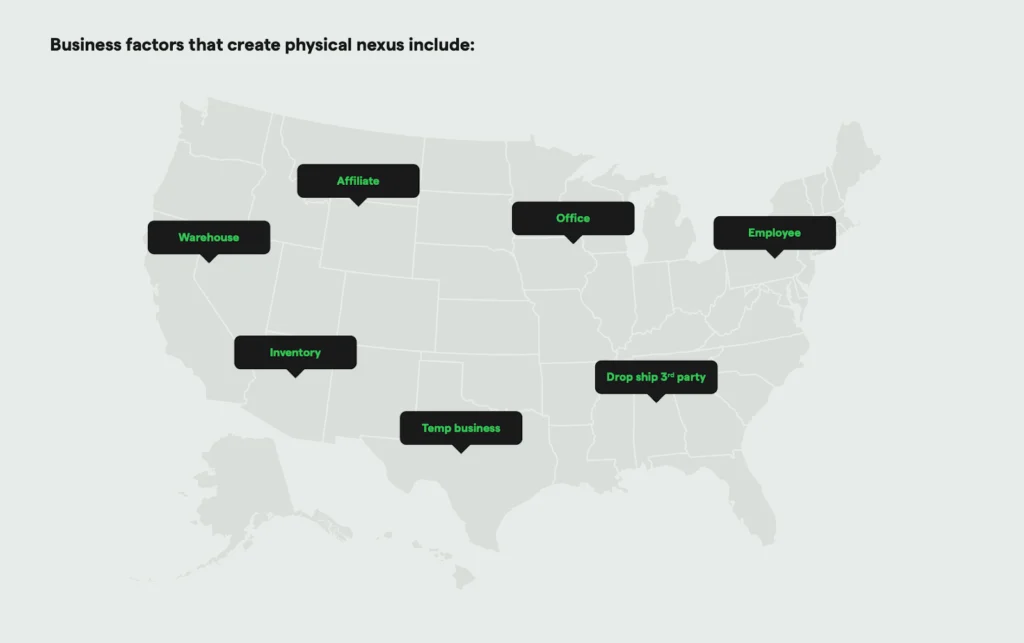
The current urgency surrounding resale certificates is largely a result of the landmark 2018 Supreme Court decision in South Dakota v. Wayfair, Inc. Prior to this ruling, the "physical presence" rule established in Quill Corp. v. North Dakota (1992) dictated that states could only require businesses to collect sales tax if they had a physical location, warehouse, or employees within that state. The Wayfair decision overturned this precedent, allowing states to mandate tax collection based on "economic nexus"—typically defined by a specific dollar amount of sales (often $100,000) or a specific number of transactions (often 200) within a calendar year.
This shift transformed resale certificates from localized documents into a national compliance requirement for even small-to-medium-sized enterprises (SMEs). When a business reaches an economic nexus threshold in a new state, it must register for a sales tax permit. Once registered, it often seeks to use a resale certificate to purchase inventory from suppliers located in that state or shipping to that state, thereby avoiding the "double taxation" of goods intended for the end-user.
The Economic Impact of Sales Tax Compliance
According to data from the U.S. Census Bureau and various state revenue departments, sales and gross receipts taxes account for approximately 30% of total state tax collections nationwide. In fiscal year 2023, state and local governments collected over $500 billion in sales-related taxes. Given the volume of revenue at stake, state revenue agencies have become increasingly aggressive in auditing businesses to ensure that tax-exempt sales are supported by valid, up-to-date resale certificates.
For a supplier, accepting an invalid or expired resale certificate can be a costly error. If a state auditor determines that a sale was improperly exempted, the supplier is held liable for the uncollected tax, plus interest and penalties. Consequently, many large-scale wholesalers now utilize automated verification systems to check the validity of a buyer’s certificate against state databases in real-time.
Multistate Standardization Efforts
To mitigate the burden on businesses operating in dozens of jurisdictions, two major initiatives provide standardized forms: the Streamlined Sales Tax (SST) Governing Board and the Multistate Tax Commission (MTC).
- Streamlined Sales Tax (SST) Exemption Certificate: Currently accepted by 24 member states, this form simplifies the process by providing a single document that can be used across multiple jurisdictions.
- Multistate Tax Commission (MTC) Uniform Certificate: This is a "blanket" certificate accepted by many states, though some states have specific caveats regarding its use for certain types of property or services.
While these forms offer convenience, tax experts warn that using them can sometimes signal to a state that a business has a tax-collecting responsibility there. Businesses are advised to analyze their "nexus" footprint before submitting multistate documentation.
State-by-State Requirements for Resale Certificates
The following directory outlines the specific procedures and forms required to obtain or provide a resale certificate in each jurisdiction.
Alabama
To buy items for resale tax-free in Alabama, businesses must apply for a Certificate of Exemption (Form ST-EX-A1) through the Alabama Department of Revenue. This is typically required for entities that are regularly engaged in the business of selling tangible personal property.
Alaska
Alaska remains one of the five states without a statewide sales tax. However, because many local municipalities (such as Juneau or Kenai Peninsula Borough) levy their own taxes, businesses may need to apply for local-level exemptions. The Alaska Remote Seller Sales Tax Commission (ARSSTC) provides a directory for these localized statuses.
Arizona
Arizona utilizes the "Transaction Privilege Tax" (TPT) system. Sellers can provide an Arizona Resale Certificate (Form 5000A) to vendors. The state also recognizes the MTC Uniform Sales and Use Tax Certificate and the Border States Uniform Sale for Resale Certificate for transactions involving neighboring states.
Arkansas
Arkansas, a member of the SST, allows the use of the Streamlined Exemption Certificate Form. Alternatively, businesses may use the Arkansas Exemption Certificate (Form ST 391) provided by the Department of Finance and Administration.
California
California is known for its rigorous enforcement of tax laws. To obtain an exemption, a buyer must provide a California General Resale Certificate (CDTFA-230). The California Department of Tax and Fee Administration (CDTFA) requires that the certificate contain the purchaser’s name, address, and sales tax permit number.
Colorado
In a departure from many other states, Colorado does not issue a specific "resale certificate" document. Instead, a business’s standard Colorado sales tax permit serves as the certificate. Colorado is also notable for accepting out-of-state resale certificates, easing the burden on non-resident wholesalers.
Connecticut
The Connecticut Department of Revenue Services requires the completion of the Connecticut Sales & Use Tax Resale Certificate. This form must be renewed periodically and kept on file by the seller for at least six years.
District of Columbia
For transactions in the nation’s capital, businesses must complete the OTR-368 Certificate of Resale. This form is essential for maintaining compliance with the District’s Office of Tax and Revenue.
Florida
Florida maintains a unique system where the state Department of Revenue automatically issues an Annual Resale Certificate to every business that registers for a sales tax permit. Florida is strictly "nexus-based," meaning it generally does not accept out-of-state resale certificates; businesses must be registered in Florida to buy tax-free within the state.
Georgia
Georgia retailers utilize the Georgia Certificate of Exemption (ST-5). For businesses not required to register with the state, Georgia typically accepts the MTC Uniform Certificate.
Hawaii
In Hawaii, the General Excise Tax (GET) is levied on the business rather than the consumer. To qualify for the wholesale rate (0.5% instead of 4%), buyers must provide a Resale Certificate (Forms G-17, G-18, or G-19) to their suppliers.
Idaho
The Idaho State Tax Commission requires the Idaho Sales Tax Resale or Exemption Certificate (Form ST-101). This is a multi-purpose form used for both resale and other statutory exemptions.
Illinois
The Illinois Department of Revenue mandates the use of the Illinois Certificate of Resale (CRT-61). Illinois is particularly strict regarding the inclusion of the buyer’s registration number or resale number on all documentation.
Indiana
As an SST member state, Indiana accepts the SST certificate. However, the standard state form is the Indiana General Sales Tax Exemption Certificate (ST-105).
Iowa
Iowa requires the Sales/Use/Excise Tax Exemption Certificate (Form 31-014). The Iowa Department of Revenue allows this form to be used as a "blanket" certificate for recurring purchases.
Kansas
Kansas offers several options, including the Kansas Resale Exemption Certificate (ST-28A) and the Multi-Jurisdiction Exemption Certificate (ST-28M). Kansas is also a member of the SST.
Kentucky
The Kentucky Department of Revenue requires the Kentucky Resale Certificate (Form 51A105). Like many other states, Kentucky requires that the certificate be presented at the time of purchase.
Louisiana
Louisiana is a "home rule" state, meaning local parishes have significant tax authority. To obtain a state resale certificate, businesses must register through the Louisiana Department of Revenue’s online portal and meet specific revenue or activity thresholds.
Maine
Maine Revenue Services automatically issues a resale certificate to businesses that report at least $3,000 in annual gross sales. Businesses that do not meet this threshold must use the MTC Uniform Sales & Use Tax Certificate.
Maryland
Maryland does not provide a government-printed resale certificate. Instead, the Comptroller of Maryland provides a "suggested" format that businesses can use to create their own certificates, provided they include the buyer’s Maryland sales tax registration number.
Massachusetts
To purchase tax-free in the Commonwealth, a buyer must be registered with the Massachusetts Department of Revenue and provide the Sales Tax Resale Certificate (Form ST-4).
Michigan
Michigan utilizes the Sales and Use Tax Certificate of Exemption (Form 3372). Michigan allows this form to be used for a single purchase or as a blanket certificate valid for up to four years.
Minnesota
The Minnesota Department of Revenue requires Form ST3, the Certificate of Exemption. Minnesota is an SST member and accepts the standardized SST form as well.
Mississippi
Mississippi does not use a separate resale certificate form. Instead, a business provides a copy of its Mississippi Sales Tax Permit to the vendor to document the exemption.
Missouri
The Missouri Department of Revenue requires Form 149, the Sales and Use Tax Exemption Certificate. This form must be updated regularly to ensure the seller remains protected during audits.
Nebraska
Nebraska retailers must use the Nebraska Resale or Exempt Sale Certificate (Form 13). Nebraska is also a participant in the Streamlined Sales Tax Agreement.
Nevada
The Nevada Department of Taxation provides a specific Nevada Resale Certificate. Nevada law requires that the purchaser provide the certificate to the seller "at the time of purchase" or the sale is presumed taxable.
New Jersey
New Jersey offers Form ST-3 for in-state sellers and Form ST-3NR for non-New Jersey sellers. This distinction helps the state track out-of-state entities doing business within its borders.
New Mexico
New Mexico utilizes a Gross Receipts Tax system. To buy tax-free, businesses must apply for a Nontaxable Transaction Certificate (NTTC) through the New Mexico Taxation and Revenue Department.
New York
New York is highly proactive in tax enforcement. Sellers must obtain a New York Resale Certificate (Form ST-120) from buyers. The state provides a verification tool for sellers to ensure the buyer’s certificate ID is valid.
North Carolina
North Carolina requires the Streamlined Sales and Use Tax Agreement Certificate of Exemption (Form E-595E). This reflects the state’s commitment to the SST standards.
North Dakota
The North Dakota Office of State Tax Commissioner requires the Certificate of Resale (SFN 21950). As an SST state, North Dakota also accepts the standardized SST form.
Ohio
The Ohio Department of Taxation utilizes the Sales and Use Blanket Exemption Certificate (Form STEC B). This form covers all purchases from a specific vendor until revoked.
Oklahoma
Oklahoma primarily utilizes the Streamlined Exemption Certificate Form for resale purposes. The Oklahoma Tax Commission requires that businesses be registered for a sales tax permit before issuing certificates.
Pennsylvania
The Pennsylvania Department of Revenue requires the Pennsylvania Exemption Certificate (Form REV-1220). This form is used for a wide variety of exemptions, including resale, manufacturing, and farming.
Rhode Island
Rhode Island provides a state-specific Resale Certificate but also accepts the SST certificate. The state requires that the buyer’s signature be present for the document to be valid.
South Carolina
The South Carolina Department of Revenue requires Form ST-8A, the South Carolina Resale Certificate. Businesses must be registered for a retail license to use this form.
South Dakota
South Dakota, the state that catalyzed the Wayfair decision, requires the South Dakota Exemption Certificate (Form 2040). The state is a prominent member of the SST.
Tennessee
The Tennessee Department of Revenue requires a Certificate of Exemption. Tennessee recently transitioned to becoming a full member of the SST, simplifying its compliance forms.
Texas
The Texas Comptroller of Public Accounts requires Form 01-339, the Texas Sales and Use Tax Resale Certificate. Texas law is strict regarding the "misuse" of resale certificates, which can lead to criminal penalties.
Utah
Utah allows for the use of the Utah Exemption Certificate (Form TC-721), the SST certificate, or the MTC Uniform Certificate. This flexibility reflects Utah’s business-friendly tax environment.
Vermont
The Vermont Department of Taxes requires Form S-3, the Sales Tax Exemption Certificate for Purchases for Resale.
Virginia
Virginia utilizes Form ST-10, the Sales and Use Tax Certificate of Exemption. Virginia is one of the few states that does not participate in the SST but maintains a relatively straightforward exemption process.
Washington
Washington State issues "Reseller Permits" to businesses. Unlike certificates that a business fills out itself, the Reseller Permit is an official document issued by the Washington Department of Revenue. Non-resident businesses may use the SST certificate.
West Virginia
West Virginia is an SST state and primarily utilizes the Streamlined Sales and Use Tax Exemption Certificate.
Wisconsin
The Wisconsin Department of Revenue requires Form S-211, the Wisconsin Sales and Use Tax Exemption Certificate.
Wyoming
Wyoming utilizes the Streamlined Sales Tax Agreement Certificate of Exemption for all resale transactions.
Implications of Non-Compliance and Future Outlook
The landscape of American sales tax is moving toward greater transparency and automation. For businesses, the implications of mismanaging resale certificates are profound. In an era where data-sharing between state revenue departments is increasing, a discrepancy in one state can trigger a "nexus study" or audit in another.
Furthermore, the rise of "Marketplace Facilitator" laws—which require platforms like Amazon and eBay to collect tax on behalf of third-party sellers—has added another layer of complexity. Sellers must often provide their resale certificates to these platforms to avoid being charged tax on their own inventory acquisitions.
As the economy moves further into the 2020s, tax experts anticipate that more states will adopt the "Real-Time Reporting" models currently seen in Europe and South America. This would require every transaction, and its accompanying exemption certificate, to be validated by the state at the moment the sale occurs. Until such technology is universal, the diligent maintenance of state-specific resale certificates remains a critical, albeit labor-intensive, pillar of corporate governance in the United States.