Lina Irawan
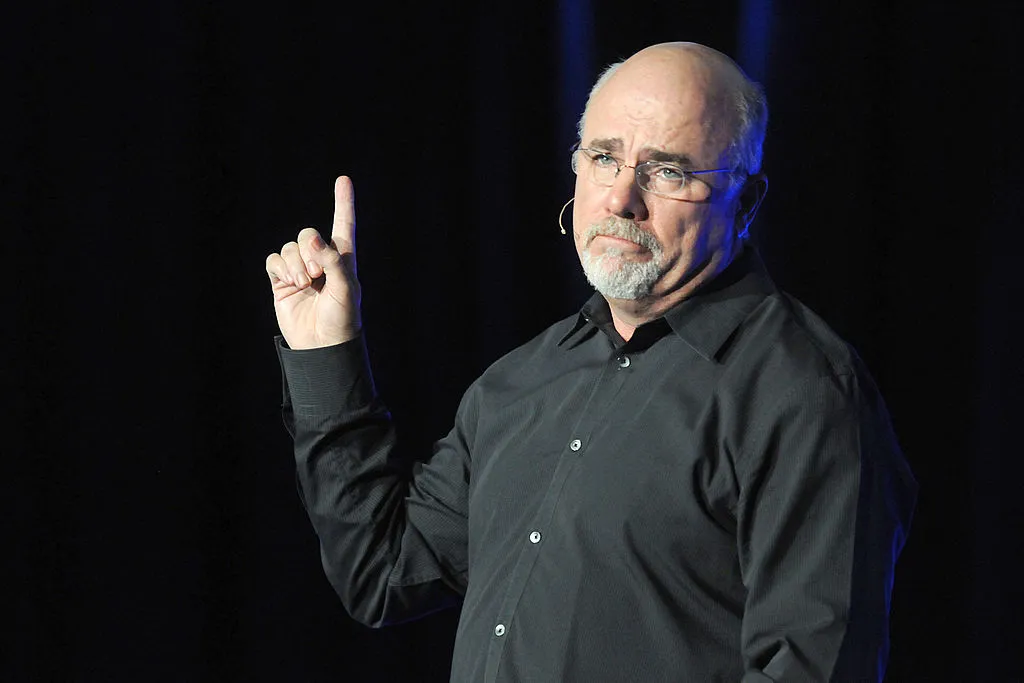
As individuals navigate the complex landscape of personal finance, the period leading up to retirement emerges as a uniquely critical juncture. The decisions made during one’s 50s and early 60s can profoundly shape the quality, security, and longevity of their post-career life. While financial planning is a lifelong endeavor, its importance intensifies dramatically as the retirement horizon draws near, demanding meticulous attention to detail and a proactive approach to wealth management. Within this context, the insights of popular personal finance authority Dave Ramsey offer a stark and often uncompromising framework for achieving financial independence. Known for his fervent anti-debt stance and advocacy for disciplined budgeting, Ramsey has consistently articulated common missteps that can derail even well-intentioned retirement plans. His counsel, disseminated through radio shows, books, and educational programs, emphasizes foundational principles aimed at cultivating lasting financial stability. This article delves into three pivotal mistakes Ramsey warns aspiring retirees to avoid, enriching the discussion with relevant data, background context, and an analysis of their broader implications for a truly secure retirement.
The Peril of Retiring with Debt: A Foundation for Instability
Dave Ramsey’s most emphatic warning to those nearing retirement is unequivocal: do not retire with debt. His philosophy posits that any form of outstanding obligation—be it a mortgage, car loan, credit card balance, or student loan—acts as an anchor, severely restricting financial freedom and introducing unnecessary risk during a phase of life typically characterized by reduced income and increased vulnerability to unexpected expenses. Ramsey advocates for an aggressive, all-out assault on debt in the years preceding retirement, viewing a debt-free status as the bedrock of a peaceful and flexible post-career existence.
The Landscape of Retiree Debt:
The notion of retiring debt-free, while ideal, stands in contrast to the financial realities for many older Americans. Data consistently reveals a significant portion of retirees and near-retirees still carrying various forms of debt. For instance, a 2023 study by TransUnion indicated that the average mortgage debt for consumers aged 60-69 could easily exceed $200,000, representing a substantial portion of their assets and a recurring monthly obligation that drains fixed retirement incomes. Similarly, Experian reported that average credit card debt for individuals over 65, while fluctuating, often hovers around $5,800, a sum that, when compounded by high interest rates, can become a persistent burden. Auto loans and even outstanding student loan debt, either for personal education or parent PLUS loans for children, further complicate this picture, often extending well into what should be a debt-free retirement.
Impact on Retirement Security and Quality of Life:
The implications of carrying debt into retirement are far-reaching. Firstly, it directly erodes disposable income. Every dollar allocated to debt payments is a dollar that cannot be used for living expenses, leisure activities, or unforeseen medical costs. This can lead to a feeling of being "strapped" or financially constrained, directly contradicting the goal of enjoying one’s golden years. Secondly, debt magnifies financial vulnerability. Retirees often rely on fixed incomes from Social Security, pensions, and investment withdrawals. A sudden, large medical bill—a common occurrence in older age—or an unexpected home repair could easily lead to missed debt payments, triggering late fees, damaged credit, and even foreclosure in extreme cases. The psychological burden of debt also cannot be overstated; the constant worry about making payments can significantly detract from mental well-being and the enjoyment of retirement.
Ramsey’s "Debt Snowball" Strategy and its Rationale:
To combat this, Ramsey champions his "Debt Snowball" method, an approach that prioritizes psychological momentum over mathematical efficiency. It involves listing all debts from smallest balance to largest, making minimum payments on all but the smallest debt, and aggressively paying off that smallest debt. Once the smallest debt is eliminated, the payment amount (plus the previous minimum payment) is rolled into the next smallest debt, creating a "snowball" effect. While mathematically the "debt avalanche" (paying highest interest first) might save more money, Ramsey argues that the rapid succession of small victories provided by the snowball method keeps individuals motivated and committed to the often-arduous process of becoming debt-free. By eliminating debt before retirement, individuals not only free up significant monthly cash flow but also create a buffer against future economic uncertainties and unexpected expenses, ensuring greater flexibility and peace of mind.
Opportunity Cost of Debt:
Beyond the direct financial drain, carrying debt into retirement incurs a substantial opportunity cost. The money used for debt payments could otherwise be invested, benefiting from compound interest over several years. Those "extra few years of asset gains," as Ramsey highlights, can provide a significant boost to a retirement nest egg. For example, if a retiree frees up $1,000 per month from debt payments and invests it for five years at a modest 6% annual return, they could accumulate over $69,000. This sum represents a considerable enhancement to their financial security, providing greater discretionary spending power or a larger emergency fund, illustrating the profound long-term benefits of eliminating debt sooner rather than later.
The Indispensable Role of Budgeting in Retirement Preparedness
Beyond the elimination of debt, Ramsey identifies living without a budget as another critical error for those planning their retirement. While budgeting is a fundamental principle for financial health at any age, its importance escalates dramatically when transitioning to a fixed income and managing a finite pool of savings. Ramsey often reframes budgeting not as a punitive restriction but as "permission to spend," a tool that empowers individuals to consciously allocate their resources in alignment with their values and long-term financial objectives, including the overarching goal of a secure retirement.
Prevalence of Budgeting (or Lack Thereof):
Despite its evident benefits, consistent budgeting remains a challenge for many. A 2022 survey by the FINRA Investor Education Foundation found that only about half of American adults reported maintaining a budget. This statistic suggests a widespread gap in financial management practices, particularly concerning for those approaching retirement. Without a clear understanding of income and expenses, individuals are prone to "lifestyle creep" – the gradual increase in spending as income rises – and impulse purchases that can derail savings goals. This lack of oversight can lead to overspending on categories like housing, vehicles, or discretionary items, often resulting in insufficient funds for retirement contributions.
Consequences of Unmanaged Spending:
The absence of a budget in the years leading up to retirement can have severe consequences. Without a detailed spending plan, it becomes exceedingly difficult to accurately project future retirement expenses, a crucial component of effective retirement planning. People might unknowingly spend more than they can afford on their homes, opting for larger properties that incur higher taxes, maintenance, and utility costs, or purchase luxury vehicles that depreciate rapidly and demand significant insurance and upkeep. These decisions, made without a clear budgetary framework, directly impact the ability to save aggressively for retirement, potentially delaying the target retirement date or forcing a reduction in planned retirement lifestyle. The cumulative effect of unmanaged spending can be a significant shortfall in retirement savings, creating financial stress and limiting choices in later life.
Practical Budgeting Approaches and Tools:
Ramsey’s preferred budgeting method, often referred to as "zero-based budgeting," involves assigning every dollar of income a specific job (saving, spending, debt repayment) until zero dollars remain. This ensures that every financial decision is intentional. Other popular methods include the "50/30/20 rule," which allocates 50% of income to needs, 30% to wants, and 20% to savings and debt repayment. Regardless of the specific methodology, the core principle remains the same: gain conscious control over your money. Modern technology has also made budgeting more accessible than ever. Numerous apps and software solutions (e.g., Mint, YNAB – You Need A Budget) can automate expense tracking, categorize spending, and provide visual representations of financial health, simplifying the process and making it easier to adhere to a budget.
Aligning Spending with Long-Term Goals:
Ultimately, budgeting serves as a powerful mechanism for aligning daily spending decisions with long-term financial aspirations. By regularly reviewing income and expenditures, individuals can identify areas of wasteful spending, reallocate funds towards retirement savings, and ensure that their financial behavior supports their goal of a comfortable and secure retirement. When key expenses, debt payments, and investment contributions are prioritized, the remaining funds can be spent guilt-free on discretionary items, knowing that the foundational financial goals are being met. This proactive management of finances not only builds a robust retirement fund but also instills a sense of control and confidence, which are invaluable assets as one transitions into retirement.
Understanding and Not Overestimating Social Security’s Role
The third significant mistake Dave Ramsey highlights is overestimating the role and sufficiency of Social Security benefits in retirement planning. While Social Security serves as a vital safety net for millions of Americans, providing a foundational layer of income, Ramsey adamantly advises against relying on it as the sole or even primary source of funding for one’s retirement years. This caution is rooted in the understanding that Social Security benefits alone are often insufficient to cover all living expenses, particularly given rising costs and the specific dynamics of the program.
Current Social Security Benefits and Mechanics:
In early 2024, the average monthly Social Security benefit for retired workers was approximately $1,907. While this provides a steady income stream, it often falls far short of the amount needed to maintain a comfortable lifestyle, especially in areas with a high cost of living or for individuals with significant medical expenses. The benefit amount an individual receives is determined by their lifetime earnings and the age at which they claim benefits. The "Full Retirement Age" (FRA) — the age at which an individual is entitled to 100% of their primary insurance amount (PIA) — currently ranges from 66 to 67, depending on the birth year. Claiming benefits before FRA results in a permanent reduction in monthly payments, while delaying benefits beyond FRA (up to age 70) results in an increase of approximately 8% per year. Many people, either out of necessity or lack of understanding, claim benefits as early as age 62, accepting a reduced payment for life, which further diminishes Social Security’s ability to cover essential costs.
Long-Term Solvency Outlook:
Adding to the complexity is the long-term solvency outlook for the Social Security program. According to the 2023 Trustees’ Report, the Social Security trust funds are projected to be able to pay 100% of scheduled benefits until the mid-2030s. At that point, if Congress does not act, the program would be able to pay about 80% of scheduled benefits. While this does not mean the program will disappear, it introduces uncertainty regarding the future purchasing power of benefits, making it even more imperative for individuals to build robust personal savings.
The Escalating Burden of Healthcare Costs in Retirement:
Perhaps the most significant factor amplifying Ramsey’s warning is the escalating cost of healthcare in retirement. Even with Medicare, which covers many medical expenses for those aged 65 and older, retirees face substantial out-of-pocket costs. These include premiums for Medicare Part B (medical insurance) and Part D (prescription drug coverage), deductibles, co-payments, and co-insurance. Furthermore, Medicare does not cover all services, such as routine dental, vision, or hearing care, and critically, it generally does not cover long-term care, which can be astronomically expensive. Fidelity’s 2023 Retiree Health Care Cost Estimate suggests that an average retired couple aged 65 in 2023 may need approximately $315,000 saved (after tax) to cover healthcare expenses throughout their retirement, a figure that continues to rise annually due to medical inflation. This enormous financial burden underscores why Social Security, designed primarily as an income replacement program, cannot adequately address the entirety of a retiree’s financial needs.
Diversifying Income Streams Beyond Social Security:
Given these realities, Ramsey strongly advocates for building a substantial personal nest egg through diversified savings vehicles such as 401(k)s, IRAs, and other investment accounts. This ensures that Social Security becomes a supplementary income source rather than the cornerstone of one’s financial lifestyle. By actively saving and investing, aspiring retirees can create multiple streams of income, providing greater financial resilience against rising costs, potential changes to Social Security, and unforeseen expenses. This proactive approach allows Social Security to provide additional funds for discretionary spending, travel, or unexpected needs, rather than struggling to cover essential living expenses. The focus should shift from merely when one can retire to how one can retire securely, with a clear understanding of projected expenses and a comprehensive plan to meet them.
A Holistic Approach to Retirement Security
While Dave Ramsey’s three warnings—avoiding debt, embracing budgeting, and not overestimating Social Security—form a powerful triumvirate for pre-retirement planning, a truly secure retirement necessitates a holistic approach that considers a broader spectrum of financial dynamics and potential risks. These include managing inflation, preparing for longevity, and navigating market volatility.
Beyond the Three Pitfalls: Inflation, Longevity, and Market Volatility:
Inflation, the insidious erosion of purchasing power over time, poses a significant threat to fixed retirement incomes. A dollar today will buy less in 20 or 30 years, making it crucial for retirement savings to grow at a rate that outpaces inflation. Similarly, increased longevity, while a societal triumph, presents a financial challenge. People are living longer, healthier lives, meaning retirement savings must stretch further, potentially for 25, 30, or even 40 years. This "longevity risk" necessitates a larger nest egg and careful withdrawal strategies. Finally, market volatility can impact investment portfolios, requiring retirees to have a well-diversified portfolio and a clear understanding of their risk tolerance, often guided by professional advice.
The Value of Professional Financial Guidance:
Navigating these complexities can be daunting, which is why professional financial guidance becomes invaluable. A qualified financial advisor can help individuals assess their current financial situation, project future expenses, create a personalized retirement plan, and choose appropriate investment vehicles. They can also assist in developing strategies for tax-efficient withdrawals, estate planning, and managing healthcare costs, providing a comprehensive roadmap to retirement security that goes beyond the foundational principles.
The Psychological Dividend of Financial Preparedness:
Ultimately, the goal of comprehensive pre-retirement planning, as advocated by Dave Ramsey and reinforced by broader financial principles, extends beyond mere monetary accumulation. It is about achieving financial peace—a state where financial worries are minimized, allowing retirees to fully enjoy their post-career years. The psychological dividend of knowing one is debt-free, living within a well-managed budget, and possessing ample diversified savings is immeasurable. It provides the freedom to pursue passions, spend time with loved ones, travel, or simply relax, unburdened by the anxieties of financial insecurity.
In conclusion, the journey to a secure and fulfilling retirement is paved with intentional choices and disciplined execution. Dave Ramsey’s unwavering emphasis on avoiding debt, embracing budgeting, and realistically assessing Social Security serves as a vital framework for individuals approaching this pivotal life stage. By addressing these critical financial pitfalls proactively, aspiring retirees can lay a robust foundation, not just for financial stability, but for a retirement characterized by freedom, peace, and the sustained ability to pursue their aspirations. The transition from active employment to retirement demands not just a shift in lifestyle but a profound reorientation of financial strategy, ensuring that the golden years are truly golden.