Nila Kartika Wati
On July 21, the federal government officially extended the protections of the Endangered Species Act to three rare reptiles endemic to South Florida, marking the first time species have been added to the protected list during the current administration’s second term. The Florida Keys mole skink, the Key ringneck snake, and the rim rock crown snake were designated as endangered following more than a decade of advocacy and litigation by environmental groups. While the move provides a higher level of federal oversight for these specific animals, it comes against a backdrop of significant regulatory changes that critics argue have fundamentally weakened the very law intended to prevent their extinction.
The Center for Biological Diversity (CBD), a non-profit organization that has spearheaded the push for these listings since the early 2010s, noted that this action ended the longest period any presidential administration has gone without listing a new species since the Endangered Species Act (ESA) was signed into law in 1973. However, the victory for conservationists is tempered by the administration’s concurrent finalization of rules that redefine how the law is enforced, particularly concerning habitat preservation and the definition of environmental "harm."
The Species at Risk: Ecology and Threats
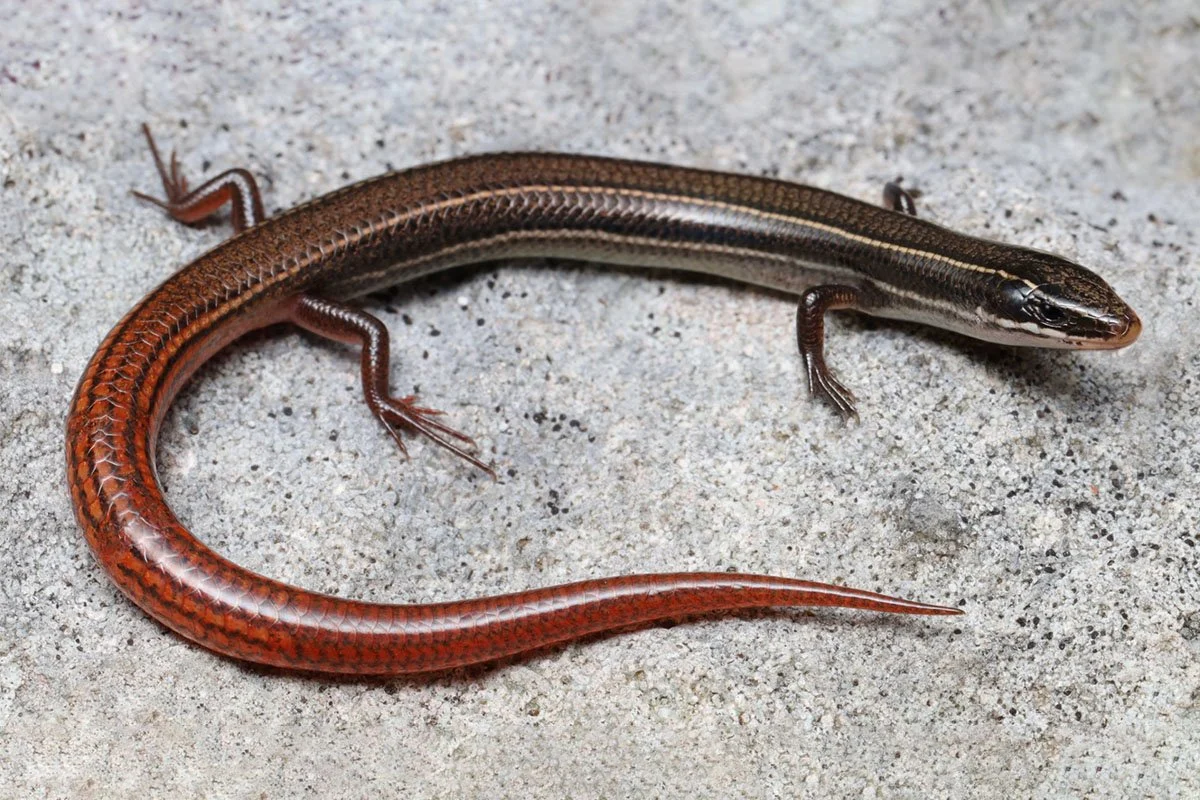
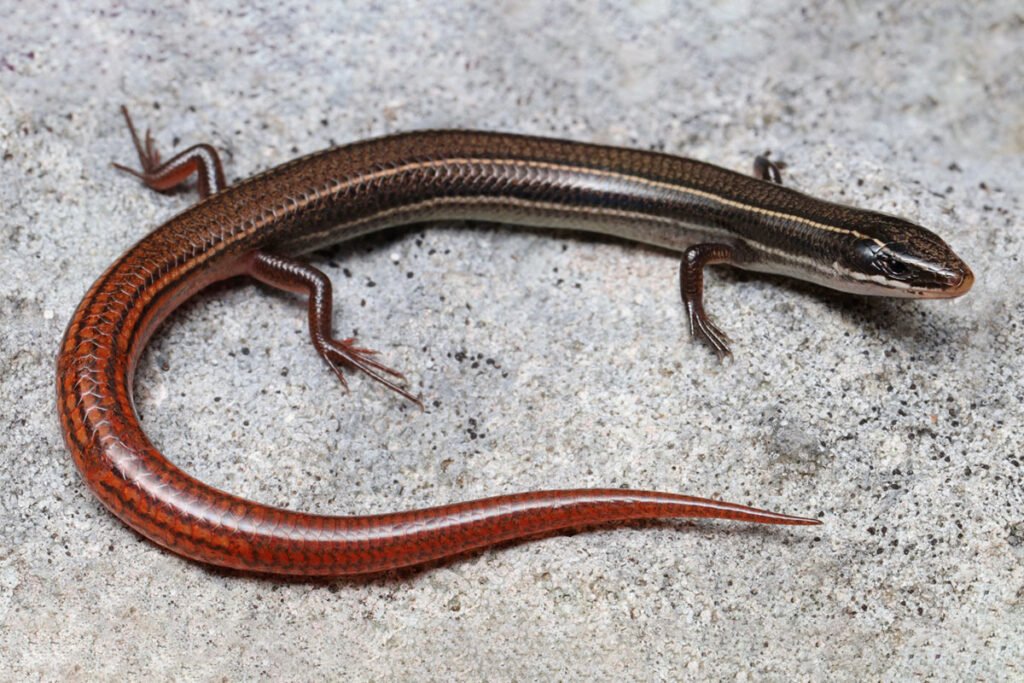
The three newly listed reptiles are found in highly restricted and fragile ecosystems within the Florida Keys and Miami-Dade County. The Florida Keys mole skink is a small, shiny, cylindrical lizard characterized by a striking color gradient that shifts from black at the head to a vibrant red at the tail. It lives primarily in sandy coastal areas and rocky shorelines. The Key ringneck snake and the rim rock crown snake are elusive, specialized serpents that inhabit pine rocklands and rockland hammocks—ecosystems that are among the most endangered in North America.
According to filings from the U.S. Fish and Wildlife Service (FWS), these species face a "polycrisis" of environmental pressures. Primary among these is the loss of habitat due to commercial and residential development in one of the most sought-after real estate markets in the United States. Furthermore, the low-lying nature of their habitat makes them uniquely vulnerable to climate change. Sea-level rise, saltwater intrusion into freshwater lenses, and the increasing frequency and intensity of tropical storms pose existential threats to the remaining populations. Without federal intervention, biologists warned that these reptiles were on a certain path toward extinction.
A Chronology of Regulatory Reform
The listing of these reptiles is inextricably linked to a series of administrative actions designed to overhaul the implementation of the ESA. In the days surrounding the July 21 announcement, the administration finalized three major rules that have shifted the legal landscape for conservation.
First, the administration eliminated the "blanket rule" under Section 4(d) of the ESA. For decades, this rule automatically extended the same protections afforded to "endangered" species to those listed as "threatened." Under the new framework, protections for threatened species will be determined on a case-by-case basis. Proponents of the change, including Secretary of the Interior Doug Burgum, argue this allows for more "tailored" conservation and reduces the regulatory burden on landowners. Critics, however, contend it creates unnecessary administrative delays and leaves vulnerable species without immediate protection.
Second, a new rule established stricter criteria for designating "critical habitat." This change allows the government to exclude certain areas from protection if the economic or national security impacts are deemed too high. Environmentalists argue this provides a loophole for industrial activities—such as mining, logging, and drilling—to proceed in areas essential for species recovery.
Third, and perhaps most controversially, the administration rescinded the long-standing regulatory definition of "harm." Since the 1970s, "harm" under the ESA included significant habitat modification or degradation that kills or injures wildlife by impairing essential behavioral patterns. The administration’s new interpretation seeks to narrow this definition, relying on a dissenting opinion from the late Supreme Court Justice Antonin Scalia in the 1995 case Babbitt v. Sweet Home Chapter of Communities for a Great Oregon. By narrowing what constitutes "harm," the government reduces the legal liability for corporations whose projects might destroy the environments these species depend on.
Legal Challenges and Indigenous Opposition
The reaction from the environmental and legal communities has been swift. A coalition of organizations, led by Earthjustice and Defenders of Wildlife, filed a lawsuit in the U.S. District Court for the Western District of Washington shortly after the rules were finalized. The plaintiffs argue that the administration’s actions are "arbitrary and capricious" and violate the core mandate of the ESA.
"The administration is attempting to weaken and circumvent requirements that have been the bedrock of American conservation for fifty years," said Benjamin Levitan, a senior attorney at Earthjustice. "Rescinding the definition of harm contradicts scientific understanding. You cannot protect a species if you do not protect the place where it lives."
The legal battle has also seen unprecedented involvement from Indigenous tribes. The Swinomish Indian Tribal Community and the Squaxin Island Tribe have filed their own lawsuits, noting that the regulatory rollbacks will severely hinder the recovery of Chinook salmon in the Puget Sound and Skagit River. In April 2026, these tribes submitted over 20,000 pages of scientific evidence and traditional ecological knowledge to the federal record, arguing that the changes ignore the interconnectedness of species and their environments. Ryan Shannon, an attorney with Defenders of Wildlife, noted that tribal participation marks a significant shift in the coalition fighting to preserve the ESA’s integrity.
Broader Environmental Implications
The changes to the ESA do not exist in a vacuum; they are part of a broader strategy to streamline industrial activity on federal lands. The administration has moved to weaken the National Environmental Policy Act (NEPA) by introducing "categorical exclusions" for certain projects. One such proposal would allow for seismic surveys and exploratory oil and gas drilling in Alaska’s National Petroleum Reserve without the need for project-specific environmental reviews.
Furthermore, the administration has taken steps to:
- Repeal the Roadless Rule: This would open millions of acres of pristine forest to logging and road construction.
- Modify National Monuments: Efforts to shrink the boundaries of Bears Ears National Monument continue to be a point of contention with tribal leaders and conservationists.
- Lift Mining Bans: Protections that previously blocked mining in the Superior National Forest near Minnesota’s Boundary Waters have been rescinded, potentially exposing the watershed to acid mine drainage.
- Expand Off-Road Access: Restrictions on off-road vehicle use on public lands have been loosened, which biologists warn will lead to increased soil erosion and disturbance of nesting sites.
Analysis: The Economic vs. Ecological Divide
The administration’s philosophy, as articulated by Secretary Burgum, is that the ESA has been "weaponized" to stall infrastructure and energy projects. From this perspective, the recent listings of the Florida reptiles are a demonstration that the law can still function while being "reformed" to favor economic growth. By listing the species but failing to designate critical habitat for them simultaneously, the administration effectively places the reptiles on a list without providing the geographical protections necessary for their actual survival.
Noah Greenwald, endangered species co-director at the Center for Biological Diversity, argues that this approach is fundamentally flawed. A 2026 study led by Greenwald found that 92 percent of species currently identified as needing protection are threatened primarily by habitat destruction. "Once habitat is destroyed, it is often gone forever," Greenwald said. "The administration’s focus on short-term monetary gain ignores the long-term value of biodiversity and the health of the ecosystems that support human life as well."
The future of the Florida Keys mole skink, the Key ringneck snake, and the rim rock crown snake now rests in the hands of the judiciary. While their status as "endangered" provides a theoretical shield against direct killing, the broader survival of their species depends on whether the courts uphold the traditional, broader interpretations of the Endangered Species Act. As the cases move toward the appellate level and potentially the Supreme Court, the outcome will determine not just the fate of three small reptiles in South Florida, but the standard of wildlife protection for the entire nation.