Nila Kartika Wati
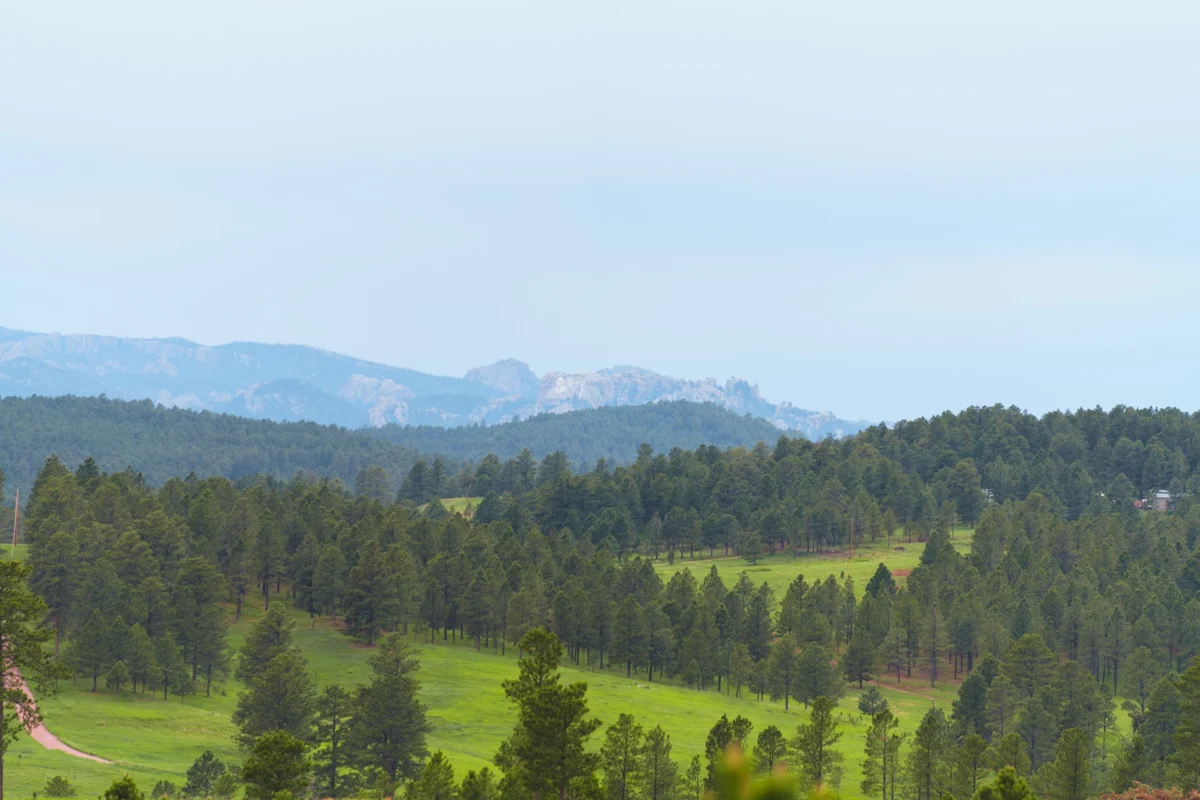
The NDN Collective and a unified coalition of tribal nations have introduced a legislative framework known as the Sacred He Sapa Restoration Act, a landmark proposal aimed at returning federal public lands within the Black Hills of South Dakota to the Lakota people. This legislative push, also referred to as the Black Hills Restoration Act, seeks to compel the United States Congress to relinquish federal control over approximately 80 percent of the land in the Black Hills, a region known to the Oceti Sakowin (Great Sioux Nation) as He Sapa. The movement represents one of the most significant efforts in modern history to address long-standing treaty violations and restore Indigenous stewardship over sacred territories.
The initiative gained substantial momentum following a historic display of unity among the nine federally recognized tribes of South Dakota. In June 2026, all nine tribes passed formal resolutions supporting the development and introduction of federal legislation to return these lands. This consensus marks a pivotal shift in the regional political landscape, as tribal leaders prioritize land return as a primary mechanism for protecting natural resources, preserving cultural heritage, and asserting sovereign rights that have been contested for over 150 years.
Historical Foundations and the Treaty of 1868
The legal and moral basis for the Sacred He Sapa Restoration Act is rooted in the Fort Laramie Treaty of 1868. This agreement between the United States government and the Great Sioux Nation established the Great Sioux Reservation, which included the entirety of the Black Hills. Under the terms of the treaty, the land was set aside for the absolute and undisturbed use and occupation of the Sioux. Furthermore, the treaty stipulated that no cession of land would be valid unless signed by at least three-fourths of the adult male Native American population.
However, the discovery of gold in the mid-1870s led to an influx of white settlers and miners, prompting the U.S. government to pressure tribal leaders to cede the Black Hills. When the tribes refused, Congress passed the Act of February 28, 1877, which unilaterally seized the Black Hills and removed them from the reservation. This act has long been viewed by legal scholars and Indigenous leaders as a clear violation of the 1868 treaty and the U.S. Constitution’s Fifth Amendment regarding just compensation and due process.
The dispute reached the United States Supreme Court in 1980 in the landmark case United States v. Sioux Nation of Indians. The Court ruled that the 1877 seizure was illegal, stating that "a more ripe and rank case of dishonorable dealings will never, in all probability, be found in our history." While the Court awarded the Sioux Nation $106 million in compensation, the tribes collectively refused the payment. The funds, which have since grown to over $2 billion in a trust account due to interest, remain untouched as the Oceti Sakowin maintain that the land was never for sale and that only the return of the land itself can rectify the historical injustice.

The Sacred He Sapa Restoration Act: Objectives and Scope
The proposed legislation focuses specifically on federal lands currently managed by the United States Forest Service and the Bureau of Land Management. By targeting 80 percent of the Black Hills region, the Act aims to transfer management and title back to the tribes of the Oceti Sakowin. Proponents of the Act, including Nick Tilsen, President and CEO of NDN Collective, emphasize that the goal is not to displace private homeowners or disrupt valid private property rights, but rather to return the massive tracts of public land that are currently under federal jurisdiction.
The Act is designed to address several critical areas of tribal and regional concern:
- Protection of Drinking Water: The Black Hills serve as a primary watershed for Western South Dakota. Tribal leaders argue that Indigenous stewardship is essential to protecting these water sources from industrial contamination.
- Preservation of Sacred Sites: He Sapa contains numerous sites of profound spiritual significance, such as Pe’ Sla. The Act would ensure these sites are managed according to traditional protocols rather than federal administrative guidelines.
- Cultural Revitalization: Returning the land is seen as a prerequisite for the full restoration of the Lakota language, traditional ecological knowledge, and ceremonial practices.
- Economic Development: The Act envisions a new model of tribal-led economic growth, including sustainable tourism, land management jobs, and resource protection initiatives.
Current Landscape of Mining and Environmental Protection
The push for land return coincides with heightened concerns over extractive industries in the region. The Black Hills Clean Water Alliance recently released data showing a significant shift in mining activity. Between September 2025 and July 2026, the number of active mining claims in the Black Hills decreased by 20 percent. While this decline is viewed as a victory for local organizers and environmental advocates, approximately 17 percent of the Black Hills remains under active mining claims as of mid-2026.
Gold mining, which was the original catalyst for the seizure of the Black Hills in 1877, remains a point of contention. Modern mining techniques, including large-scale exploration for gold, lithium, and uranium, pose significant risks to the region’s aquifers. Richard Moves Camp, a respected spiritual leader and medicine man, has noted that while gold has always been present in the Black Hills, it was traditionally viewed with respect as a natural element rather than a commodity to be exploited at the expense of the earth.
Organizers have urged the public to participate in federal comment periods regarding drilling and mining permits. By raising formal objections based on treaty rights and environmental impact, community members have successfully slowed the expansion of several industrial projects, creating a window of opportunity for the Sacred He Sapa Restoration Act to gain legislative traction.
Chronology of Modern Advocacy
The current legislative effort is the culmination of decades of grassroots organizing and legal challenges.

- 1980: The Supreme Court confirms the illegal taking of the Black Hills; the Sioux Nation refuses the monetary settlement.
- 2012: The United Nations Special Rapporteur on the Rights of Indigenous Peoples recommends the return of the Black Hills to the Lakota.
- 2020: The NDN Collective officially launches the LANDBACK campaign, bringing national and international attention to the Black Hills.
- 2025: High-profile public discussions and the "He Sapa LANDBACK" podcast episodes feature elders like Robert Two Crow and Richard Moves Camp, bridging the gap between traditional knowledge and modern policy.
- June 2026: A historic milestone is reached when all nine tribes in South Dakota pass unified resolutions in support of the Sacred He Sapa Restoration Act.
Joseph Brings Plenty Sr., a Council Representative for the Cheyenne River Sioux Tribe, characterized the current moment as a fight for existence. "Together, we are strong," he stated following the passage of the tribal resolutions. "We need to be stronger than ever because we are fighting for our existence on our very own land."
Broader Implications and Future Outlook
The success of the Sacred He Sapa Restoration Act would set a significant precedent for the LandBack movement across Turtle Island (North America). It challenges the doctrine of federal "public lands" by arguing that such lands are often unceded Indigenous territories held in trust by a government that has failed to uphold its treaty obligations.
Critics of the proposal often cite concerns regarding public access and the potential loss of federal funding for land management. However, NDN Collective and tribal representatives have countered these concerns by highlighting tribal nations’ proven track records in conservation and their ability to enter into co-management agreements that could maintain public access while prioritizing ecological and spiritual integrity.
The strategy for the Act involves not only federal lobbying but also a "bottom-up" approach to political engagement. Organizers are encouraging citizens to question political candidates at town halls and forums regarding their stance on the return of the Black Hills. By making land return a standard litmus test for regional political office, advocates hope to shift the political center of gravity in South Dakota and Washington, D.C.
As the drafting of the Sacred He Sapa Restoration Act continues, the focus remains on the intergenerational nature of the struggle. For leaders like Robert Two Crow and Anissa Martin, the movement is as much about the future as it is about the past. Martin describes LandBack as a "responsibility to the land and to the water as a relative." By framing the return of the Black Hills as a restoration of a kinship bond between the people and the earth, the movement seeks to move beyond legalistic disputes toward a comprehensive model of Indigenous-led environmental and social justice.
The coming months will be critical as the Oceti Sakowin and their allies prepare to present the Act to the U.S. Congress. While the legislative path remains arduous, the unprecedented unity of the nine tribes and the measurable decrease in industrial mining claims suggest a shifting tide in the century-long battle for the heart of the Lakota nation.