Lina Irawan
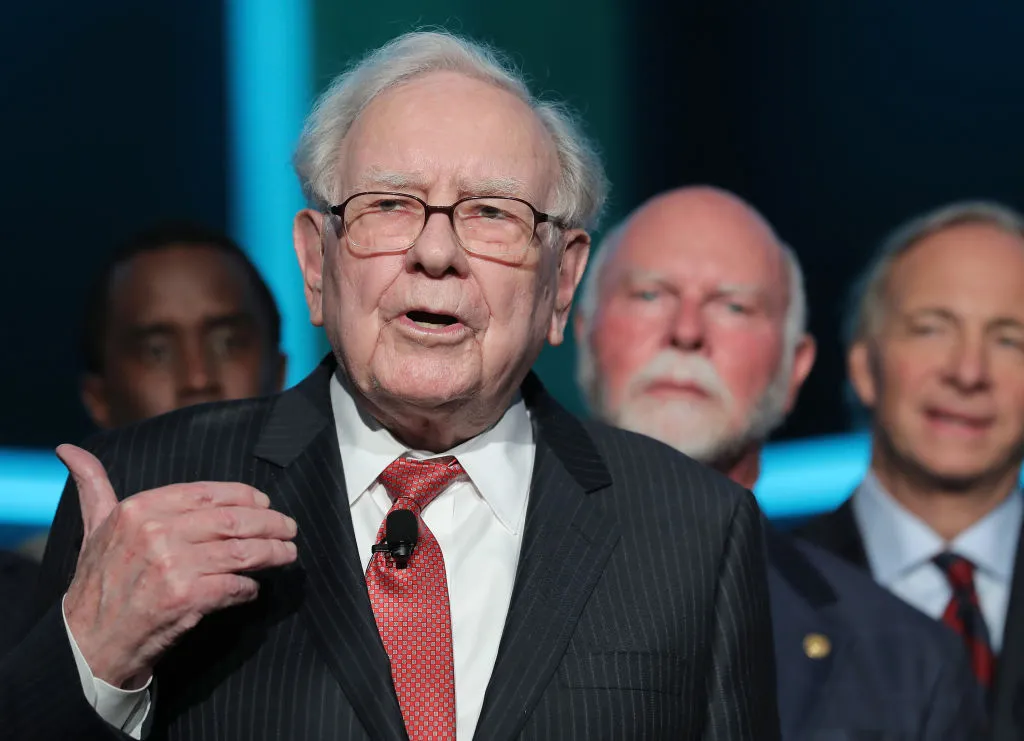
Famed investor Warren Buffett is slated to relinquish his role as Chief Executive Officer of the sprawling conglomerate Berkshire Hathaway at the close of 2025, a momentous decision that will coincide with his 95th birthday. This planned departure marks the culmination of an unparalleled tenure at the helm of a company he meticulously built into a global financial powerhouse, now boasting a market capitalization exceeding $1 trillion. His retirement will initiate a new chapter for one of the world’s most influential businesses, while leaving behind an expansive and deeply impactful collection of investment philosophies and life lessons that have shaped generations of investors and ordinary families alike.
A Legacy Forged Over Decades: The Oracle’s Reign
Warren Buffett’s journey with Berkshire Hathaway began in 1965 when he gained control of the struggling textile manufacturer. Through a series of shrewd investments and strategic acquisitions, he systematically transformed the company into a diversified holding conglomerate, shedding its original textile operations. Under his leadership, Berkshire Hathaway evolved from a modest entity into a titan encompassing a vast array of businesses, from insurance giants like GEICO and General Re, to energy utilities like Berkshire Hathaway Energy, freight railroads such as BNSF, and consumer brands including Dairy Queen, See’s Candies, and Fruit of the Loom. This eclectic portfolio, managed with a long-term, value-oriented approach, became the envy of the financial world.
Buffett, often dubbed the "Oracle of Omaha" for his uncanny ability to identify undervalued assets and his clear, accessible communication style, cultivated a corporate culture rooted in trust, decentralization, and unwavering ethical standards. His annual shareholder letters became must-reads, offering not just financial disclosures but profound insights into economics, human behavior, and the principles of sound decision-making. His personal wealth, estimated at $150 billion, is a testament to his investing acumen, but his influence extends far beyond mere accumulation of capital. He championed a philosophy that prioritized intrinsic value over market speculation, patience over quick gains, and understanding over complexity.
The Succession Plan: A Meticulous Transition
While the formal announcement of his 2025 retirement as CEO specifies an end date, discussions around Buffett’s succession have been a perennial topic in financial circles for years. Buffett himself has been transparent about the company’s succession planning, aiming to ensure stability and continuity. The designated successor for the CEO role is Greg Abel, who currently serves as Vice Chairman of Non-Insurance Operations. Abel, a Canadian executive who joined Berkshire Hathaway Energy (formerly MidAmerican Energy Holdings) in 1992, has steadily risen through the ranks, demonstrating a keen understanding of Berkshire’s diverse businesses and its unique corporate ethos. His appointment as Vice Chairman in 2018, alongside Ajit Jain (Vice Chairman of Insurance Operations), solidified their roles as key figures in the company’s future leadership.
This structured succession plan reflects Buffett’s characteristic foresight. The gradual elevation of Abel and Jain has allowed for an extended period of mentorship and integration into the highest levels of Berkshire’s strategic planning. While Buffett will step down as CEO, it is widely anticipated that he will retain his position as Chairman of the Board, providing continued guidance and stewardship, albeit in a less operational capacity. This phased transition aims to mitigate the "Buffett premium" – the perceived added value investors place on Berkshire due to Buffett’s personal involvement – and assure stakeholders of a smooth handover of leadership responsibilities.
Berkshire Hathaway’s Unprecedented Growth: A Statistical Overview
The statistics underpinning Buffett’s leadership are nothing short of extraordinary. From 1965 through 2022, Berkshire Hathaway’s per-share market value increased at a compound annual growth rate (CAGR) of 19.8%, significantly outperforming the S&P 500’s CAGR of 9.9% (including dividends) over the same period. This consistent outperformance, sustained over nearly six decades, is a testament to his investment philosophy and operational excellence. The company’s market capitalization, now north of $1 trillion, reflects its massive scale and the value creation achieved under his watch.
Berkshire Hathaway’s balance sheet is famously robust, characterized by substantial cash reserves – often tens of billions of dollars – which Buffett refers to as "dry powder" for opportunistic acquisitions. This conservative approach to capital management, coupled with a focus on businesses with strong competitive advantages (what Buffett famously calls "moats"), has provided a formidable bulwark against economic downturns and allowed for strategic expansion during periods of market uncertainty. The company’s diverse revenue streams, spanning from insurance underwriting profits to railroad freight volumes and energy production, provide a level of resilience few other conglomerates can match.
The Broader Impact: Beyond Financial Returns
Buffett’s legacy extends far beyond mere financial metrics. He has been a profound advocate for ethical capitalism, emphasizing integrity, transparency, and a long-term perspective in business dealings. His disdain for short-term speculation and excessive corporate debt became a guiding principle for many aspiring investors. He consistently encouraged shareholders to think like business owners, focusing on the underlying value and future earnings potential of companies rather than fleeting stock price movements.
Moreover, Buffett is a prominent philanthropist. In 2006, he pledged the vast majority of his wealth to the Bill & Melinda Gates Foundation, as well as to foundations established by his children, marking one of the largest charitable commitments in history. This act underscored his belief that immense wealth carries with it a responsibility to contribute to societal well-being, further solidifying his image as a leader who balanced extraordinary financial success with a deep sense of social responsibility. His philanthropic endeavors are projected to continue for decades, leveraging the power of compounding for global good.
Buffett’s Enduring Wisdom: A Guide for All
While his business achievements are monumental, Buffett’s greatest gift to the public might be his distilled wisdom, accessible to everyone, regardless of their financial status. He consistently articulated principles that resonate with ordinary American families striving to manage their finances wisely.
-
On Savings and Compounding: Buffett frequently emphasized the "miracle" of compound interest. He famously stated, "Do not save what is left after spending, but spend what is left after saving." This simple maxim underscores the importance of prioritizing savings and allowing time and consistent contributions to work their magic. For a typical family, this translates to establishing an emergency fund, regularly contributing to retirement accounts like 401(k)s or IRAs, and letting those investments grow over decades, mirroring his own long-term approach. He often highlighted the discipline required to defer gratification, a cornerstone of successful saving.
-
On Value and Consumer Choices: While known for spotting value in companies, Buffett’s insights apply equally to personal spending. His own famously frugal lifestyle – living in the same modest home for decades, driving non-luxury cars, and enjoying simple pleasures – reflected his belief in living below one’s means. He advised, "Price is what you pay. Value is what you get." This applies whether purchasing a stock or a household item. For consumers, it means seeking quality and durability, understanding unit costs, and avoiding impulsive purchases driven by marketing rather than genuine need or long-term utility.
-
On Debt: A Cautious Approach: Buffett has consistently warned against the perils of high-interest debt, particularly consumer debt. "I’ve seen more people fail because of liquor and leverage," he once remarked. His business operations at Berkshire Hathaway are characterized by minimal debt relative to equity, a stark contrast to many highly leveraged corporations. For individuals, this translates to avoiding credit card debt, payday loans, and other high-cost borrowings that erode wealth. He advocates for financial prudence, understanding that debt can be a powerful tool when used wisely (like for a productive asset) but a destructive force when used carelessly.
-
On Homeownership: A Nuanced View: While wary of most debt, Buffett made a distinction for mortgages, recognizing homeownership as a significant asset for most Americans. He once stated that a fixed-rate mortgage was "the best instrument in the world." His advice implicitly suggests careful consideration of affordability, ensuring that mortgage payments do not overburden a family’s budget. He emphasized understanding the long-term commitment and the potential for a home to be both a valuable asset and a significant expense, urging buyers to be pragmatic rather than aspirational in their choices.
-
On Moderation and Simplicity: Beyond strict financial rules, Buffett’s wisdom also embraced a balanced approach. He wasn’t advocating for asceticism but for thoughtful choices. His life exemplified moderation in consumption, focus on what truly matters, and a deep understanding that financial success is often a byproduct of patience, discipline, and avoiding unnecessary complications. This philosophy encourages individuals to define their own version of "enough" and to find contentment outside of endless acquisition, a stark contrast to much of modern consumer culture.
The Road Ahead for Berkshire Hathaway
As 2025 approaches, the financial world will keenly observe the transition at Berkshire Hathaway. While Greg Abel is a seasoned leader, filling the shoes of a legend like Warren Buffett is an immense challenge. The "Oracle’s" unique blend of investment genius, ethical leadership, and charismatic communication has been integral to Berkshire’s identity. The future leadership will need to maintain the core principles of value investing and disciplined capital allocation while navigating an increasingly complex global economic landscape.
Market analysts largely anticipate a stable transition, given the meticulous planning and the strength of Berkshire’s underlying businesses. However, the psychological impact of Buffett’s full departure from daily operational leadership, particularly for a company so deeply personified by its founder, will be a significant factor. The post-Buffett era will test the resilience of Berkshire’s decentralized management structure and the enduring power of the culture he so carefully cultivated.
Ultimately, Warren Buffett’s retirement as CEO at 95 will be more than just a leadership change; it will be a historical inflection point. It signifies the end of an extraordinary era of personal leadership and the beginning of a new chapter for a company built on enduring principles. His legacy, both as an investor and a sage, will continue to inspire and guide for generations to come, reminding us that true financial wisdom often lies in simplicity, patience, and unwavering common sense.