Nila Kartika Wati
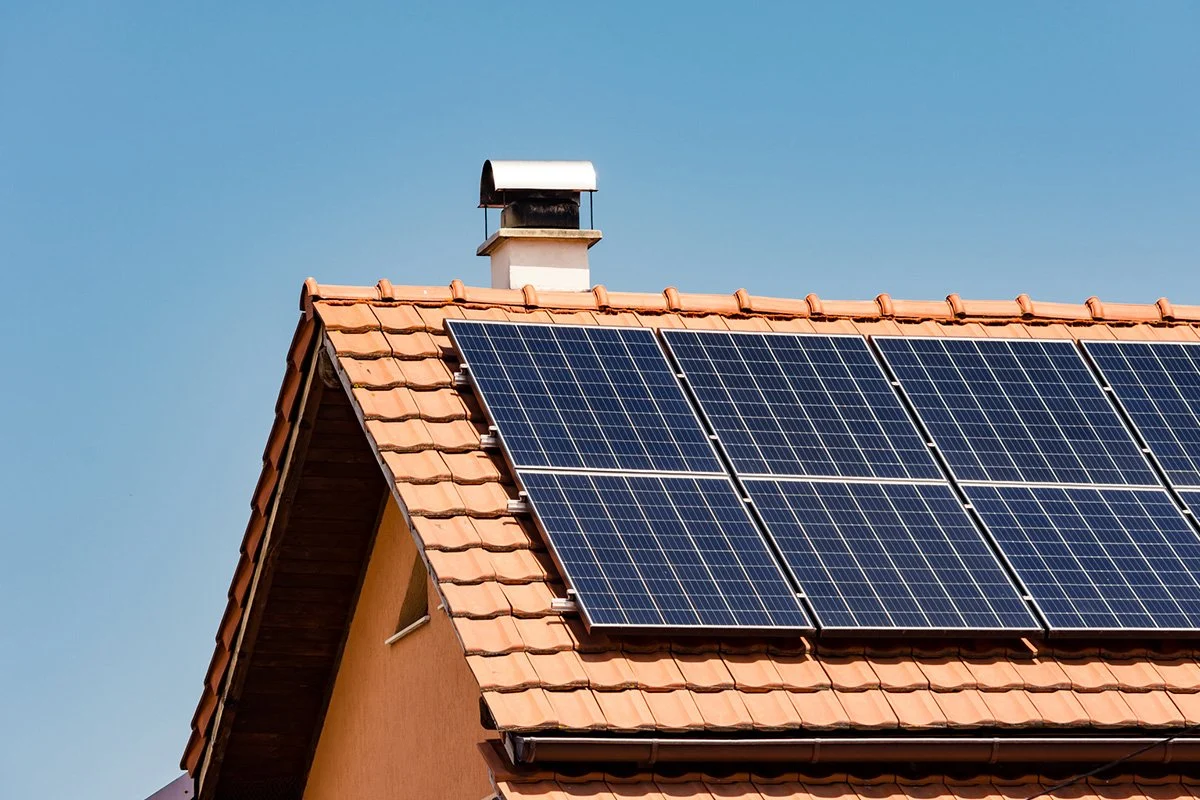
The landscape of American renewable energy policy shifted dramatically this week as a federal judge ordered the immediate restoration of the Solar for All program, a $7 billion initiative aimed at bringing solar power to low-income and disadvantaged communities. The ruling, delivered by U.S. District Judge Mary McElroy on September 18, 2026, marks a significant defeat for the Environmental Protection Agency (EPA) under Administrator Lee Zeldin, who had moved to terminate the program just weeks earlier. The court’s decision not only reinstates billions in federal funding but also highlights the complex "civic infrastructure" that has developed around federal climate grants, involving a diverse coalition of nonprofits, labor unions, private businesses, and individual homeowners.
The legal battle began in August 2026, when Administrator Zeldin announced the abrupt termination of Solar for All. At the time, Zeldin characterized the program as an unsustainable "boondoggle," asserting that the EPA no longer possessed the legal authority to administer the funds or maintain the initiative. This move was part of a broader effort by the administration to claw back funds authorized under previous climate legislation, specifically targeting the Greenhouse Gas Reduction Fund (GGRF). However, the termination sent shockwaves through a network of stakeholders who had already begun deploying resources, hiring staff, and signing up households for solar installations.
The Origins and Architecture of Solar for All
To understand the weight of the court’s decision, it is necessary to examine the scale and intent of the Solar for All program. Established as a cornerstone of federal environmental justice efforts, the $7 billion initiative was designed to provide subsidies, grants, and low-interest loans to enable approximately 900,000 households in underserved areas to transition to solar energy. The program sought to bridge the "green divide," ensuring that the financial benefits of renewable energy—such as lower monthly utility bills and increased energy independence—were not reserved solely for affluent homeowners.
The funding was distributed through competitive grants to states, territories, Tribal governments, and "clean energy accelerators" (nonprofit intermediaries). One of the most prominent recipients was the Capital Good Fund, a nonprofit Community Development Financial Institution (CDFI), which was awarded $156 million to lead the Georgia BRIGHT Communities program. Georgia BRIGHT served as a model for the national initiative, offering rooftop solar arrays at no cost to households earning 80 percent or less of their area’s median income (AMI).
By mid-2026, the program had evolved from a mere financial grant into a robust ecosystem of local partnerships. This "civic infrastructure" included Community Advisory Boards, workforce development programs for solar installers, and educational outreach conducted by municipal governments. When the EPA moved to cancel the program, it did more than just stop a cash flow; it threatened to dismantle a year’s worth of organizational labor and community trust.
A Coalition of Plaintiffs: Beyond Advocacy
The lawsuit against the EPA was notable for the diversity of its plaintiffs, reflecting the broad reach of the Solar for All initiative. The legal challenge was led by Lawyers for Good Government (L4GG) and represented a coalition that spanned the socio-economic spectrum. Plaintiffs included the Rhode Island AFL-CIO, the Rhode Island Center for Justice, Solar United Neighbors (SUN), and several private solar development firms, such as Sunpath Consulting, 2KB Energy Services, and Black Sun Light Sustainability.
Among the individual plaintiffs was Anh Nguyen, an Atlanta homeowner who had applied for a no-cost solar installation through Georgia BRIGHT. For Nguyen and thousands of others, the program represented a tangible path toward financial stability in the face of rising energy costs. "For more than a year, families and communities have seen higher energy bills while billions of dollars intended to lower electricity costs sat out of reach," stated Jillian Blanchard, Senior Vice President of Climate Change and Environmental Justice at Lawyers for Good Government.
The inclusion of labor unions like the AFL-CIO and private businesses highlighted the economic stakes of the program. In the legal filings, solar energy companies testified that they had already made significant capital investments based on the federal awards. These investments included hiring and training new personnel, purchasing specialized equipment, and developing software systems to manage large-scale residential deployments. The sudden termination of the program left these businesses facing potential insolvency and forced them to halt projects that were already in the pipeline.
Chronology of the Legal Conflict
The timeline of the Solar for All dispute illustrates the volatility of federal climate policy in the current political climate:
- Early 2024: The EPA announces the first round of Solar for All grant awards, including the $156 million grant to Capital Good Fund for Georgia.
- Late 2024 – Mid 2025: Local programs like Georgia BRIGHT establish Community Advisory Boards and begin accepting applications from low-income residents. Solar companies expand operations to meet anticipated demand.
- February 2026: An executive order from President Donald Trump freezes several federal green energy funds, including Solar for All.
- March 2026: Following intense lobbying and legal pressure, the funds are temporarily unfrozen, allowing programs to resume.
- August 2026: EPA Administrator Lee Zeldin officially terminates the program, claiming a lack of authority and labeling it a "boondoggle."
- Late August 2026: The coalition of nonprofits, labor unions, and businesses files a federal lawsuit challenging the termination under the Administrative Procedure Act (APA).
- September 18, 2026: Judge Mary McElroy rules the termination unlawful and restores the program.
The Court’s Reasoning: A Violation of the APA
In her ruling, Judge McElroy focused on the procedural and statutory limits of executive power. The court found that the EPA’s decision to terminate the program was "arbitrary and capricious" under the Administrative Procedure Act. While the administration argued that Congress had rescinded certain unobligated funds, the judge clarified that the $7 billion in question had already been "obligated"—meaning the funds were legally committed to specific grantees through signed agreements.
The court determined that the EPA did not have the unilateral authority to cancel grants that had already been awarded and for which the recipients had already begun performance. Judge McElroy’s decision emphasized that once a federal agency enters into a binding grant agreement, it cannot simply withdraw those funds without a specific mandate from Congress or a valid legal reason, neither of which the EPA provided in this instance.
This distinction between "obligated" and "unobligated" funds is a critical point of federal budget law. By ruling that the Solar for All grants were obligated, the court protected the recipients from the immediate threat of clawbacks, providing a degree of legal security for the nonprofits and businesses that form the backbone of the program.
Georgia BRIGHT: A Case Study in Civic Disruption
The impact of the EPA’s short-lived termination was perhaps most visible in Georgia. The Georgia BRIGHT Communities program had spent nearly two years building a network designed to translate federal dollars into local capacity. This included a 40-member Community Advisory Board comprising residents, community leaders, and solar installers. The board was responsible for ensuring that the program’s design met the specific needs of Georgia’s diverse climate and economic landscape.
When the EPA announced the termination in August, Georgia BRIGHT was forced to pause its operations. This pause had immediate cascading effects: rooftop installations were postponed, workers were put on furlough, and the trust that community organizers had spent months building with skeptical residents began to erode.
The program was not just about hardware; it was about workforce development. Many of the solar installers involved were small businesses that had hired trainees from disadvantaged backgrounds, intending to provide them with long-term careers in the renewable energy sector. The federal withdrawal threatened to extinguish these opportunities before they could fully mature.
Broader Implications for Federal-Nonprofit Partnerships
The restoration of Solar for All serves as a cautionary tale for the nonprofit sector and the broader civil society. It underscores the inherent risks of "connective tissue" roles, where nonprofits act as the primary bridge between federal policy and community implementation. When federal commitments waver, the entire local infrastructure—built on the promise of those funds—is placed in jeopardy.
Financial analysts suggest that while the court victory is significant, the period of uncertainty has already caused damage. Momentum has been lost, and some private investors who might have provided "bridge" financing to solar companies may now view federal green energy programs as high-risk ventures. Furthermore, the EPA is currently reviewing the decision and considering an appeal, which means the legal cloud over the program has not entirely dissipated.
The primary lesson for civil society organizations is the necessity of institutional resilience. The Solar for All coalition succeeded because it was broad and multifaceted, involving not just environmentalists but also organized labor and the private sector. This diversity made the program more difficult to dismiss as a niche ideological project and provided the legal standing necessary to challenge the government in court.
Looking Ahead: The Future of Distributed Energy
As the Solar for All program resumes, the focus will likely shift toward rapid deployment to protect the funds from future legislative or executive challenges. Grantees are expected to accelerate their installation schedules and solidify their community partnerships to make the program’s benefits "too big to fail."
The success of the lawsuit has also set a potential precedent for other programs funded under the Inflation Reduction Act. If other agencies attempt to claw back obligated funds, they may find themselves facing similar legal hurdles and organized opposition from a coalition of stakeholders who have already integrated those funds into their local economies.
For homeowners like Anh Nguyen, the court’s ruling is a return to a promise made. For the solar industry, it is a reprieve that allows for continued growth. However, for the federal government, the ruling is a reminder that the "civic infrastructure" built by communities is a powerful force that cannot be dismantled by administrative fiat alone. The battle over Solar for All may be far from over, but for now, the panels are once again slated for the rooftops of those who need them most.