Nila Kartika Wati
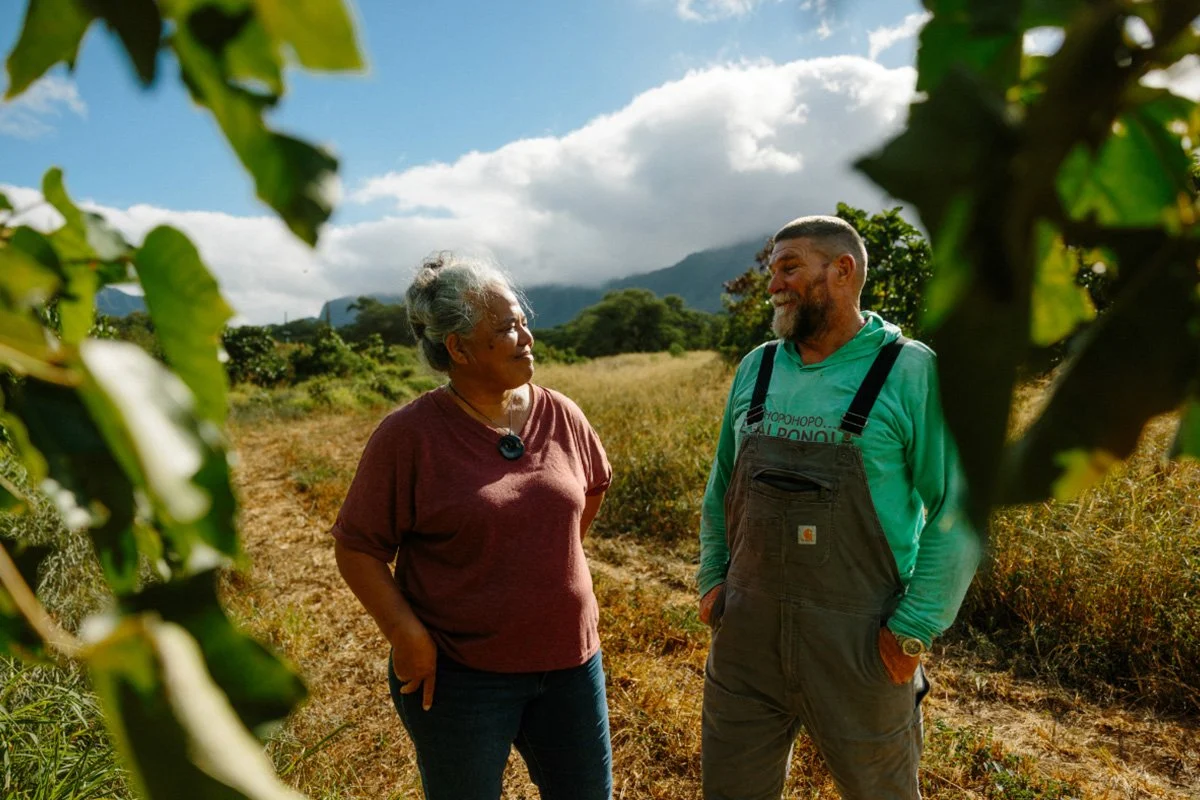
In the Wai’anae Valley on the island of Oahu, a radical experiment in social enterprise and indigenous land stewardship is redrawing the map of Hawaiian food security. MA’O Organic Farms, an acronym for Mala ʻAi ʻOpio—which translates to "the youth food garden"—has evolved from a modest community project into one of the most significant organic agricultural operations in the state of Hawaii. By centering the relationship between the land and the youth, the organization is addressing a dual crisis: the state’s extreme dependence on imported food and the systemic educational and economic barriers facing young Native Hawaiians. The project operates on a foundational philosophy that the land is not merely a resource to be exploited, but a leader that dictates the values, practices, and leadership structures of those who tend it.
The Restoration of Indigenous Food Sovereignty
The impetus for MA’O Organic Farms is rooted in a historical reclamation of Hawaiian self-sufficiency. Before European contact, the Hawaiian Islands maintained a population estimated between 400,000 and nearly one million people, all of whom were sustained by a sophisticated, 100 percent self-sufficient food system. This system was built upon the ahupua’a, a traditional land division that typically ran from the mountains (mauka) to the sea (makai). This vertical slice of the island ensured that every community had access to a diverse range of resources, from forest products and upland crops like taro (kalo) to coastal fishponds and salt.
The ahupua’a was more than a boundary; it was a management philosophy. Native Hawaiians understood the hydrological cycle with scientific precision, recognizing that the health of the upland forests directly dictated the fertility of the lowlands and the vitality of the reefs. By protecting the watershed in the 1500s, ancient Hawaiians created a circular economy that thrived for centuries. Today, Hawaii imports approximately 85 to 90 percent of its food, leaving the archipelago vulnerable to global supply chain disruptions and climate change. MA’O Organic Farms seeks to reverse this trend by re-implementing these ancient engineered systems and values, proving that indigenous wisdom offers a viable blueprint for modern regenerative agriculture.
A Chronology of Growth and Vision
The journey of MA’O Organic Farms began in the late 1990s, spearheaded by Maunakea Forth and a group of community leaders in Wai’anae. The region, while rich in cultural heritage, has long faced economic marginalization and a lack of educational opportunities for its youth. The founders envisioned an organization that would solve two problems simultaneously: the lack of local organic produce and the high dropout rates among local college students.
In 2001, the farm officially took root on five acres of leased land. The initial goal was simple yet ambitious: create a space where young people could work, earn a living, and receive support for their higher education. By 2005, the farm had established its signature Youth Leadership Training (YLT) program. This initiative was designed as a "work-study" model where interns would spend two years working on the farm while attending Leeward Community College or the University of Hawaii West Oahu.
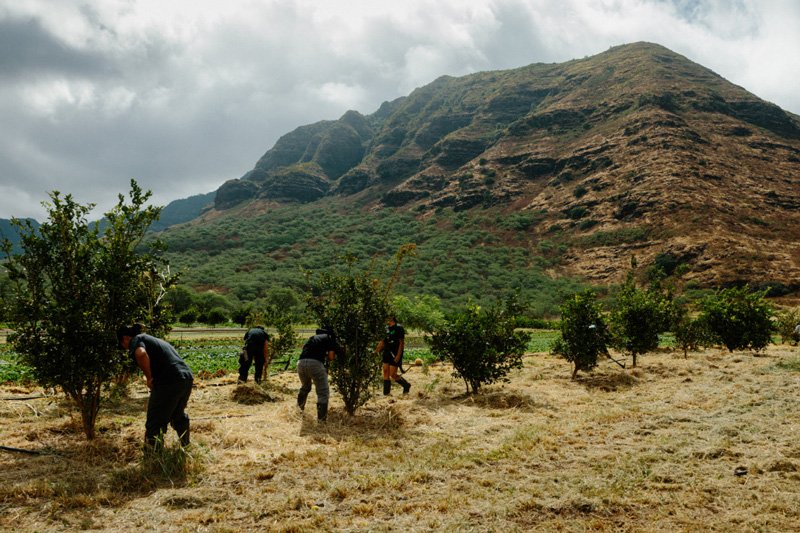
The farm’s physical footprint expanded significantly over the next two decades. Through a series of strategic land acquisitions and partnerships with organizations like the Trust for Public Land, MA’O grew from five acres to over 280 acres. This expansion allowed the farm to scale its production of high-quality organic greens, root vegetables, and fruits, which are now staples in Hawaii’s premier restaurants and grocery stores. More importantly, the expansion provided the "living laboratory" necessary to train hundreds of young "farm-preneurs" and community leaders.
Data-Driven Impact and Social Metrics
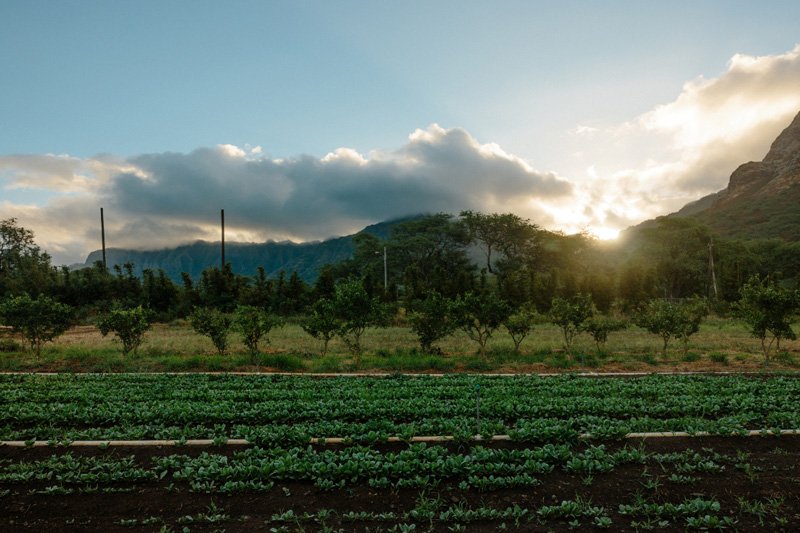
The success of MA’O Organic Farms is quantifiable through both its agricultural output and its social outcomes. As one of the largest organic farms in the state, MA’O produces over 2 tons of organic produce every week. This output includes more than 40 different varieties of fruits and vegetables, ranging from the farm’s famous "Sassy Salad" mix to traditional crops like kalo and ‘uala (sweet potato).
However, the organization’s most significant data points are found in its educational metrics. Since the inception of the YLT program, MA’O has awarded millions of dollars in tuition waivers and stipends. The program boasts a college persistence and graduation rate that significantly exceeds the national average for first-generation college students and students from low-income backgrounds. Participants are not merely laborers; they are co-managers of a complex multi-million dollar enterprise. They learn every facet of the business, from soil science and heavy machinery operation to logistics, marketing, and financial management.
The economic model is built on a "triple bottom line" approach: social equity, environmental health, and financial viability. By selling produce to high-end markets and institutional buyers, the farm generates a significant portion of its operating budget, which is then reinvested into the youth programs. This creates a virtuous cycle where the labor of the youth heals the land, and the bounty of the land funds the future of the youth.
The Philosophy of Aloha ʻĀina and Kuleana
At the heart of the farm’s operations is the concept of Aloha ʻĀina—the love of the land which feeds us. In a modern context, this term is often translated as "patriotism" or "environmentalism," but within the farm’s gates, it is a daily practice. It represents a spiritual and physical commitment to the land’s well-being. Coupled with this is the concept of kuleana, or responsibility.
The leadership at MA’O has observed that young people are uniquely motivated by kuleana when it is framed as a collective endeavor rather than an individual burden. The farm discourages the industrial model of monocropping—growing a single product for profit—because it fails to engage the intellectual and emotional curiosity of the workers. Instead, the farm’s diverse ecosystem mirrors the diversity of the youth it employs.
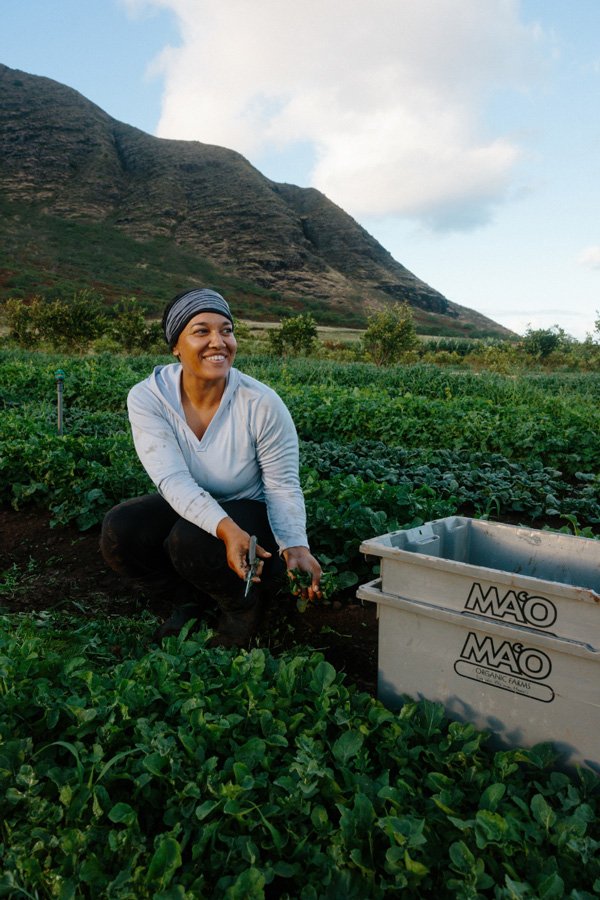
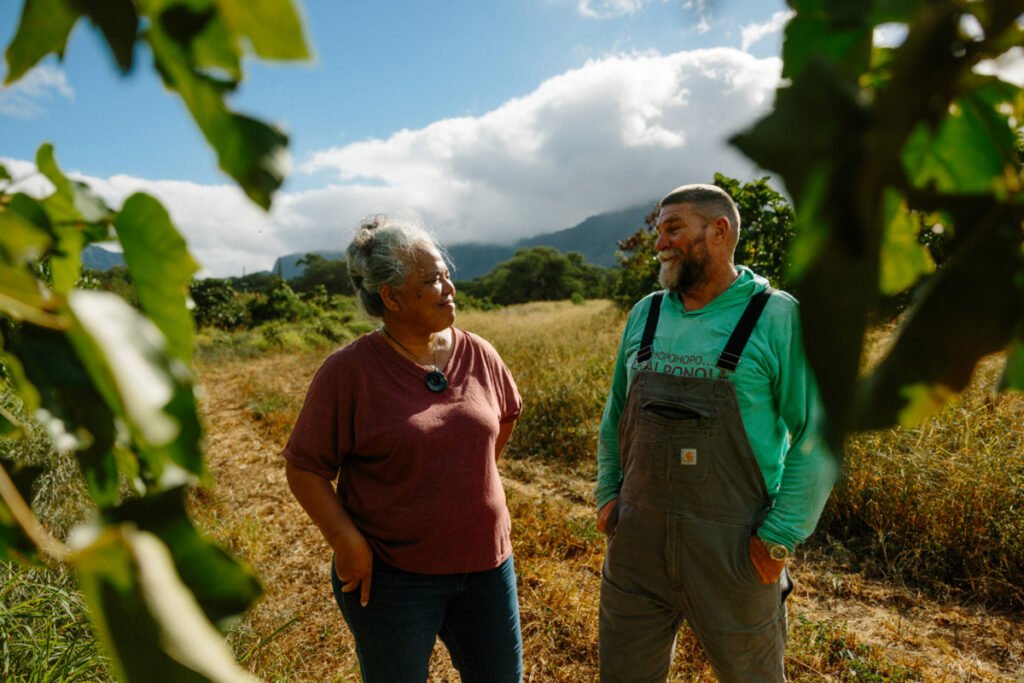
Mentorship at MA’O is structured as a peer-to-peer network. While elder mentors provide the foundational knowledge, the day-to-day operations are often led by senior interns who train their newer counterparts. This "near-peer" mentoring builds a sense of agency and leadership that is often missing in traditional classroom settings. When a young person is entrusted with the operation of a $50,000 piece of heavy equipment or the management of a 10-acre planting schedule, the connection between land and leadership becomes tangible.
Regenerative Agriculture as a Tool for Climate Resilience
As the global climate crisis intensifies, the regenerative practices at MA’O Organic Farms have taken on new urgency. Regenerative agriculture goes beyond "sustainable" farming; it seeks to actively improve the health of the ecosystem. This includes increasing soil organic matter, improving the water-holding capacity of the earth, and enhancing biodiversity.
The farm’s use of compost is a primary example of this. By converting green waste into nutrient-rich soil amendments, the farm sequesters carbon and reduces the need for external inputs. This practice is a modern iteration of the ahupua’a system’s focus on nutrient cycling. In the traditional system, nutrients from the mountains flowed down into the taro patches and eventually into the fishponds. At MA’O, the youth act as the conduits for this nutrient flow, ensuring that the soil is healthier for the next generation than it was for the last.
Analysis of Hawaii’s agricultural future suggests that models like MA’O are essential for survival in a volatile global economy. The reliance on long-distance shipping for food is not only an ecological disaster in terms of carbon footprint but also a major security risk. By proving that organic, youth-led farming can be scaled and profitable, MA’O is providing a template for other communities across the Pacific and the mainland United States.
Official Responses and Broader Implications
The success of MA’O has garnered attention from the highest levels of government and philanthropy. State officials have frequently cited the farm as a model for the "Hawaii 2050 Sustainability Plan," which aims to double local food production. Educational leaders have also looked to the farm’s YLT program as a blueprint for experiential learning and workforce development.
Observers note that the farm’s impact extends far beyond the borders of Wai’anae. It challenges the prevailing narrative that farming is a "dead-end" career for young people. By professionalizing agriculture and linking it to higher education, MA’O is elevating the status of the farmer to that of a community leader and an environmental scientist.
The broader implications of the MA’O model suggest that land restoration and social restoration are inseparable. You cannot heal the land without healing the people, and you cannot empower a community without providing them with the means to feed themselves. As the farm continues to grow, it serves as a living testament to the idea that the land is indeed the leader. If the people listen to the land, it will provide the education, the economy, and the leadership necessary to thrive in an uncertain future.
In the words of the farm’s leadership, the connection between the youth and the land is the definition of leadership itself. It is a leadership born of sweat, science, and a deep-seated love for the soil of one’s home. As Hawaii looks toward the next century, the lessons learned in the rows of MA’O Organic Farms may well be the key to the islands’ resilience and self-determination.