Lana Rhoades
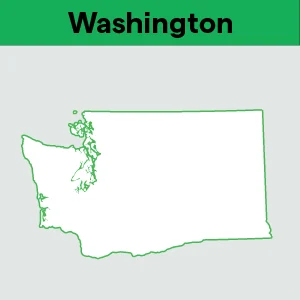
The State of Washington operates a tax system that differs significantly from many other U.S. jurisdictions. Rather than issuing a standalone "seller’s permit" or "sales tax ID," the Washington Department of Revenue (DOR) integrates tax registration into the broader state business licensing process. This comprehensive approach ensures that any entity conducting business within the state is simultaneously registered for all applicable state-level obligations, including the Retail Sales Tax and the Business and Occupation (B&O) tax. For businesses ranging from local startups to global e-commerce giants, understanding the nuances of this registration process is critical to maintaining legal standing and avoiding the steep penalties associated with non-compliance.
The Integrated Nature of Washington Tax Registration
In Washington, the business license acts as the primary vehicle for tax administration. When a business applies for a license through the Department of Revenue’s Business Licensing Service (BLS), it is automatically evaluated for tax liability. If the business activities involve selling tangible personal property or providing taxable services, the DOR assigns a Unified Business Identifier (UBI) number. This nine-digit number serves as the business’s tax registration ID, permit number, and general license identifier.
The necessity of this registration is rooted in Washington’s reliance on consumption taxes. According to recent fiscal data from the Washington Department of Revenue, sales and use taxes account for over 50% of the state’s general fund revenue. Consequently, the state maintains a proactive stance on registration and enforcement. Businesses are required to register if they meet any of the following criteria:
- The business is required to have a city or state endorsement.
- The business generates gross income of $12,000 or more annually.
- The business is required to collect and remit retail sales tax.
- The business is a "marketplace facilitator" or a remote seller meeting economic nexus thresholds.
Determining Nexus: The Gateway to Compliance
Before initiating the registration process, a business must determine if it has "nexus"—a legal term for a sufficient physical or economic connection to the state that triggers tax obligations.
Physical Nexus: This is established through traditional means, such as having an office, warehouse, or retail store in Washington. It also includes having employees, independent contractors, or sales representatives operating within state lines, or even maintaining inventory in a fulfillment center (such as Amazon FBA) located in the state.
Economic Nexus: Following the landmark 2018 Supreme Court decision in South Dakota v. Wayfair, Inc., Washington implemented economic nexus standards. As of 2026, the threshold for out-of-state sellers is $100,000 in cumulative gross receipts from sales into Washington during the current or previous calendar year. Notably, Washington simplified its requirements in recent years by removing the "200 transactions" count that many other states originally utilized, focusing instead on the dollar volume of sales to streamline administration for smaller vendors.
The Chronological Evolution of Washington’s Tax Policy
The current regulatory landscape is the result of a decade-long shift toward capturing revenue from the digital economy.
- 2017: Washington became one of the first states to pass marketplace facilitator legislation, requiring platforms like eBay and Amazon to collect tax on behalf of third-party sellers.
- 2018: The Wayfair decision allowed Washington to enforce economic nexus, expanding the tax base to include remote sellers without a physical presence.
- 2019-2020: The state unified its nexus thresholds, setting a consistent $100,000 standard across various tax types, including the B&O tax.
- 2024-2026: The Department of Revenue introduced significant updates to the "My DOR" online portal, utilizing AI-driven assistance to help businesses categorize their activities correctly and avoid common filing errors.
The Application Process: A Technical Breakdown
The registration process can be completed through two primary channels: the My DOR online portal or paper-based mail-in applications. The state strongly encourages online registration, as it significantly reduces processing times.
Step 1: Information Gathering
Applicants must provide detailed information, including:
- The legal structure of the business (Sole Proprietorship, LLC, Corporation, etc.).
- The Federal Employer Identification Number (FEIN) or Social Security Number (SSN).
- The names and contact information of all governing persons (partners, officers, or owners).
- The physical address of the business and a mailing address.
- The estimated annual gross income for the business.
- The North American Industry Classification System (NAICS) code, which determines specific tax rates and requirements.
Step 2: Submission and Fees
While tax registration itself is technically free, the business license application incurs a variable processing fee. For a new business license, this fee typically ranges from $50 to $90, depending on the specific endorsements required. Additional city-level fees may apply if the business operates within certain municipal jurisdictions like Seattle, Tacoma, or Spokane.
Step 3: Processing Timelines
Online applications are generally processed within 10 business days. Upon approval, the business receives its UBI number and a physical Business License document. Paper applications, conversely, can take upwards of three to six weeks due to manual data entry and mailing times.
Financial Obligations: Sales Tax vs. Business & Occupation (B&O) Tax
A critical distinction for any business registered in Washington is the dual obligation of Sales Tax and B&O Tax.
Retail Sales Tax: This is a "pass-through" tax collected from the consumer at the point of sale. The statewide rate is 6.5%, but local jurisdictions add their own percentages. In high-density areas, the total combined sales tax rate can exceed 10%. Businesses act as trustees for the state, holding these funds until they are remitted during the filing period (monthly, quarterly, or annually).
B&O Tax: Unlike sales tax, the B&O tax is a gross receipts tax on the business itself. There are no deductions for labor, materials, or other costs of doing business. The rate varies depending on the classification of the activity (e.g., Retailing at 0.471%, Wholesaling at 0.484%, or Service and Other Activities at 1.5%). Most businesses that are required to collect sales tax are also required to pay the retailing B&O tax.
Maintenance and Regulatory Oversight
Registration is not a one-time event; it requires ongoing maintenance. Washington business licenses must be renewed annually. The Business Licensing Service sends renewal notices approximately 45 days before the expiration date.
Failure to renew can result in a late penalty of up to 50% of the renewal fee and may lead to the business being listed as "inactive." Operating with an inactive license is a legal violation that can result in cease-and-desist orders or criminal charges in extreme cases of tax evasion. Furthermore, businesses must update their registration if there is a change in ownership, business structure, or location.
The Role of Marketplace Facilitators and Remote Sellers
For e-commerce sellers using platforms like Amazon, Etsy, or Walmart Marketplace, the registration requirement remains even if the platform handles the actual tax collection. These "marketplace sellers" must still hold a Washington business license if they have nexus.
The rationale provided by the Department of Revenue is that while the marketplace collects the sales tax, the individual seller is still responsible for the B&O tax on their gross receipts. This "double-layer" compliance ensures that the state captures revenue from the business activity itself, not just the consumer transaction.
Economic Implications and Policy Analysis
The Washington model of integrated licensing and gross receipts taxation provides a stable revenue stream that is less volatile than income-tax-based systems. However, it places a higher administrative burden on small businesses and high-volume, low-margin retailers.
Economists note that Washington’s aggressive pursuit of remote seller registration has been a windfall for the state’s infrastructure and education budgets. In the 2024-2025 fiscal year, remote seller and marketplace facilitator collections contributed an estimated $1.2 billion to the state treasury. Analysts suggest that the continued refinement of the My DOR system and the potential for future interstate tax compacts will further simplify this process, though the underlying requirement for a comprehensive business license is expected to remain a permanent fixture of the Washington economic landscape.
In conclusion, registering for a sales tax permit in Washington is a multi-faceted process that requires a clear understanding of both state-level licensing and specific tax obligations. By adhering to the Department of Revenue’s guidelines and maintaining proactive renewal habits, businesses can successfully navigate one of the most unique tax environments in the United States.