Julia Chirkova

More than one in four unemployed Americans are now classified as long-term unemployed, a stark indicator of a cooling labor market where hiring has significantly decelerated. This concerning trend is highlighted in "The Long Shutout," a new report commissioned by MyPerfectResume, an online resume-building service, which analyzed 23 federal data sets. The study reveals that during the first seven months of 2026, a substantial 25.9% of unemployed individuals had been out of work for 27 weeks or longer. This marks a significant increase from 18.9% in 2023, with the absolute number of long-term unemployed workers climbing from 1.1 million to 1.9 million over the same period.
This shift in the labor landscape is occurring even as overall layoff rates remain relatively low, a paradox that can mask the difficulties faced by those actively seeking employment. "Low layoffs can make the job market look stable, but that does not tell the full story for people who are already out of work," stated Dr. Jasmine Escalera, Career Expert at MyPerfectResume. "More unemployed Americans are spending months looking for work at the same time employers are hiring at a slower pace." This suggests a potential mismatch between the skills of the unemployed and the available positions, or simply a reduced demand for labor across various sectors.
The Persistent Rise of Long-Term Unemployment
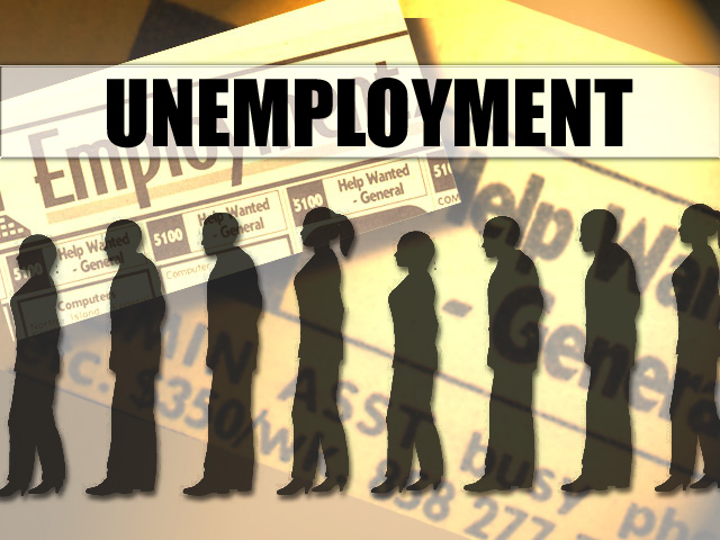
The data paints a clear picture of a worsening situation for individuals struggling to re-enter the workforce. Long-term unemployment has seen a consistent year-over-year increase since 2023. This upward trend is not only reflected in the percentage of unemployed individuals falling into the long-term category but also in the duration of unemployment itself. The median duration of unemployment, the midpoint at which half of unemployed individuals find work and half remain jobless, rose from 8.9 weeks in 2023 to 11.1 weeks by 2026. Similarly, the average duration of unemployment, which accounts for outliers, increased from 20.4 weeks to 25.1 weeks in the same timeframe. This signifies that once individuals lose their jobs, they are experiencing longer periods of joblessness.
The implications of prolonged unemployment are multifaceted. Beyond the immediate financial strain, extended joblessness can lead to a decline in skills, a loss of professional networks, and a detrimental impact on mental health. As individuals remain out of work for extended periods, their resumes may appear less competitive to prospective employers, creating a challenging cycle. The societal cost also includes reduced consumer spending, lower tax revenues, and increased demand for social services.
Hiring Slowdown Without a Surge in Layoffs: A Complex Dynamic
The MyPerfectResume report identifies a crucial trend: a slowdown in hiring occurring independently of a significant increase in layoffs. Employer data indicates a labor market characterized by fewer new hires and a reduced rate of voluntary job departures, often referred to as "quits." Between 2023 and 2026, both hiring and quit rates reached their lowest points within the period under study. Concurrently, layoff rates have remained below their pre-pandemic levels, suggesting that companies are not shedding workers at an alarming rate.

This scenario suggests that the primary driver of increased long-term unemployment is not a sudden wave of firings, but rather a more gradual cooling of demand for labor. Employers may be more cautious in their hiring decisions, taking longer to fill open positions or reducing the number of roles they are actively recruiting for. This could be influenced by a variety of factors, including economic uncertainty, shifts in consumer demand, technological advancements that increase efficiency, or a strategic re-evaluation of workforce needs.
While the data doesn’t definitively prove a causal link, the simultaneous occurrence of slower hiring and rising long-term unemployment points to a correlation that warrants close examination. The reduced outflow of workers through quits also contributes to a less dynamic job market. When fewer people leave their jobs, there are fewer openings for others to fill. This "stickiness" in the labor market can exacerbate the challenges for those already unemployed, as opportunities become scarcer and competition for available roles intensifies.
Worker Participation Remains Strong, But Unemployment Rises Among Specific Demographics
A notable finding from "The Long Shutout" report is that prime-age workers, typically defined as those aged 25-54, are not the primary drivers of the increase in long-term unemployment. In fact, labor force participation among this critical demographic remained robust, with 83.7% actively working or seeking employment in 2026 – the highest rate observed in the study. This indicates a continued willingness among the core working-age population to engage with the labor market.

However, the report does highlight an increase in unemployment across several other demographic groups. Notably, adults aged 25-34 experienced the largest surge in unemployment when compared to 2019 levels among the age brackets examined. This age group, often early in their careers and potentially more susceptible to economic downturns, faces significant hurdles in establishing and maintaining employment. The reasons for this could be varied, including entry-level job market saturation, competition from more experienced workers, or a disproportionate impact of industry-specific slowdowns on roles typically held by younger professionals.
Further analysis of unemployment trends within specific sectors and for different age groups would provide a more granular understanding of where the labor market is faltering. The report suggests that while the overall participation rate among prime-age workers is healthy, specific segments of the population are bearing a heavier burden of joblessness, with longer durations of unemployment.
Background and Context
The current labor market conditions follow a period of unprecedented stimulus and rapid recovery following the COVID-19 pandemic. In 2020 and 2021, the U.S. experienced significant job losses, followed by a strong rebound driven by pent-up demand and extensive government support. This led to a tight labor market with record-low unemployment rates and high wage growth in many sectors. However, as inflation surged and the Federal Reserve implemented interest rate hikes to cool the economy, businesses began to adjust their strategies.

The shift observed in "The Long Shutout" report can be seen as a natural progression of an economy moving from an overheating phase to a more balanced, albeit slower, growth trajectory. The transition from a seller’s market for labor to a more employer-favored environment is a complex process with significant implications for individuals and the broader economy.
Broader Impact and Implications
The rise in long-term unemployment carries significant implications for both individuals and the nation’s economic health. For individuals, the extended period of joblessness can lead to a depletion of savings, increased debt, and a potential need to accept lower-paying jobs or alter career paths. This can have long-lasting effects on earning potential and financial security.
Economically, a growing number of long-term unemployed individuals can dampen consumer spending, as those without income are less likely to purchase goods and services. This can create a feedback loop, further slowing economic growth. Furthermore, a larger pool of unemployed individuals can exert downward pressure on wages for those who are employed, as employers have a greater selection of candidates.
The report’s findings also underscore the importance of effective workforce development programs, retraining initiatives, and robust social safety nets. As the labor market evolves, continuous adaptation and support for workers are crucial to mitigate the adverse effects of unemployment and ensure a more resilient economy. The data from "The Long Shutout" serves as a critical signal for policymakers, employers, and job seekers alike, highlighting the need for proactive strategies to address the growing challenge of long-term joblessness.
The full report, "The Long Shutout," can be accessed on the MyPerfectResume website. This analysis, drawing on extensive federal data, provides valuable insights into the current state of the U.S. labor market and the critical challenges faced by a growing segment of the unemployed population.