Nila Kartika Wati
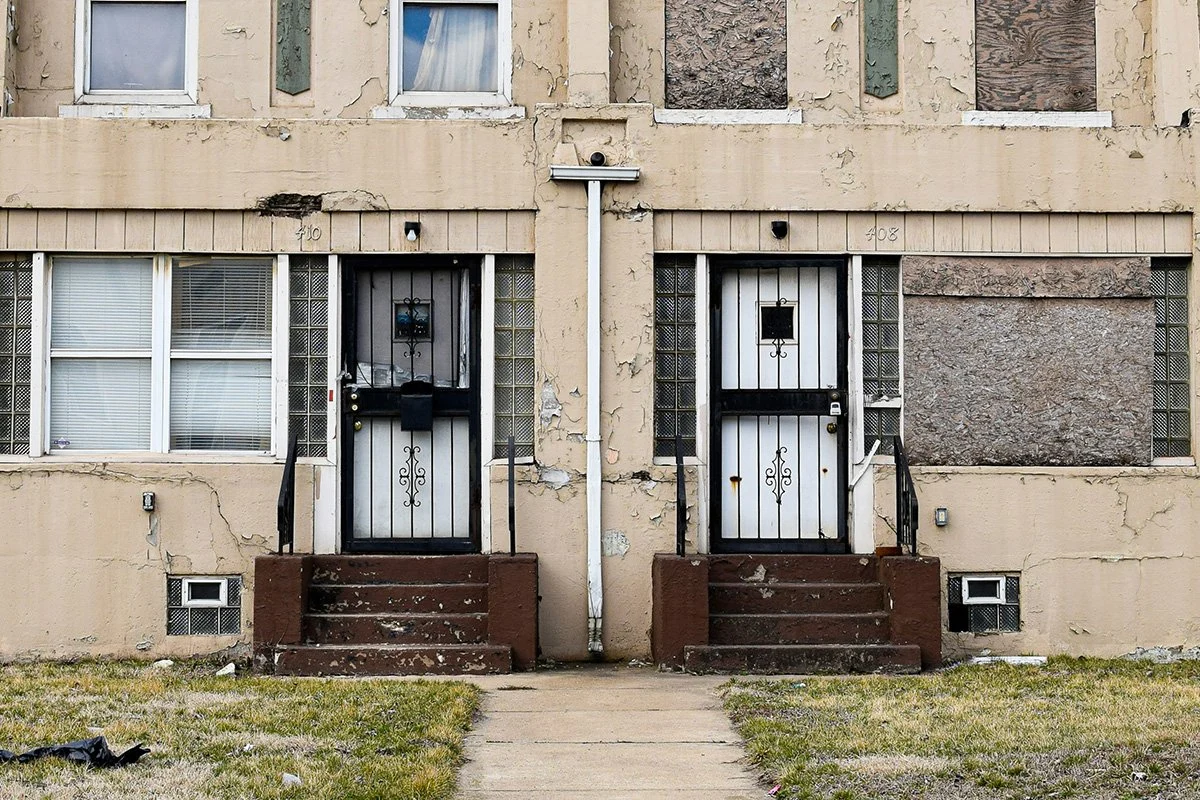
The fundamental expectation of a residential lease is the provision of a safe and habitable environment, yet for the residents of the North Lawn apartments in Kansas City, MO, this expectation has remained unfulfilled for over a decade. What began as a series of maintenance failures in 2013 evolved into a systemic humanitarian crisis by the summer of 2026, forcing a confrontation between a marginalized tenant population, a negligent landlord, and a municipal government struggling to balance emergency intervention with long-term housing stability. The trajectory of the North Lawn crisis serves as a definitive case study in the efficacy of tenant unions and the complexities of municipal housing policy when faced with private-sector infrastructure collapse.
A Decade of Deterioration: The Path to Crisis
The decline of the North Lawn complex was not a sudden event but a documented, multi-year erosion of living standards. Records indicate that as early as 2013, the buildings were plagued by critical infrastructure failures. That year, a significant electrical fire deprived families of heat during a period of extreme cold, highlighting the vulnerability of the complex’s utility systems. Over the subsequent twelve years, the list of grievances grew to include chronic sewage backups in basements, persistent pest infestations, unsecured exterior entryways, and frequent failures of both hot water and electrical services.
By the summer of 2026, the situation reached a breaking point. Amidst record-breaking temperatures, dozens of tenants were left without functioning air conditioning or electricity for weeks. The psychological and physical toll on the residents—many of whom are low-income families and elderly individuals—prompted a shift from individual complaints to collective action. Recognizing that the traditional code enforcement process was failing to produce results, residents sought the assistance of KC Tenants, a prominent housing justice organization in the region.
The Rise of the North Lawn Tenant Union
The partnership with KC Tenants led to the formation of the North Lawn Tenant Union, a formal collective bargaining unit. In a rare display of labor-style organizing applied to the housing sector, the union achieved a 94 percent affiliation rate among the residents of the three-building complex. This "supermajority" status provided the residents with significant leverage, which they immediately exercised by launching a rent strike.
In a public statement released during the campaign’s launch, the union detailed the harrowing conditions that necessitated their radical stance. The announcement noted that while some issues, such as pest control and security, were universal across the units, others were life-threatening. The lack of working heat in the winter and the presence of raw sewage in common areas were cited as primary drivers for the strike. The union’s objective was clear: they would withhold rent until the landlord or the city guaranteed comprehensive repairs and permanent habitability.
Municipal Policy Shifts: From Repair to Relocation
The City of Kansas City initially responded to the union’s demands with a legislative effort to save the buildings. In July 2026, the City Council approved an ordinance directing City Manager Mario Vasquez to intervene. The legislation allocated $500,000 from the city’s Housing Trust Fund—a resource typically reserved for the development of new affordable housing—to facilitate emergency repairs. Councilmember Johnathan Duncan, a former community organizer, championed the move, characterizing the repairs as an immediate emergency necessity to prevent displacement.
However, the city’s strategy underwent a drastic reversal in August 2026. Upon further inspection by structural engineers and utility experts, the estimated cost to bring the North Lawn apartments up to modern safety codes was revealed to be approximately $6 million. City officials determined that the $500,000 allocation was insufficient to address the core structural and electrical failures.
Consequently, the city redirected the funds from building repairs to resident relocation assistance. On August 21, 2026, the city issued an emergency evacuation order. Residents, many of whom claimed they received no prior warning, were met by police and city officials informing them they had to vacate the premises immediately. This sudden displacement turned a fight for "home" into a desperate scramble for survival, testing the resilience of the newly formed union.
The Bargaining Table: Securing Immediate and Long-term Protections
In the wake of the evacuation, the North Lawn Tenant Union pivoted its strategy. Rather than disbanding after being forced from their homes, the union members intensified their negotiations with Mayor Quinton Lucas and other city leadership. Within days of the displacement, the union secured a landmark agreement that utilized the redirected $500,000 to mitigate the financial shock of the move.
The agreement included several critical provisions:
- Rental Assistance: Funding to cover three months of rent at new locations.
- Security Deposits: Direct payment of deposits for new apartments, which often serve as the primary barrier to housing for low-income tenants.
- Moving Logistics: Coverage of costs for moving services and temporary storage units.
- Basic Needs: Provision of groceries and emergency supplies, including mattresses and bedding, facilitated through local service providers.
Beyond immediate relief from the city, the union successfully engaged in formal bargaining with the property’s new ownership group. This negotiation resulted in a signed, legally binding contract that provides long-term safeguards. Key among these is a "Right to Return," which guarantees that displaced tenants will have the first priority to move back into the North Lawn complex once repairs are completed. Furthermore, the agreement established a fixed schedule for major repairs, rent stabilization measures to prevent price gouging upon the residents’ return, and a commitment to relocation support should any future displacements occur.
Comparative Analysis: A National Trend of Neglect
The crisis at North Lawn is not an isolated incident but part of a growing trend of "disinvestment-driven displacement" seen in urban centers across the United States. A comparable situation occurred in Detroit at the Leland House in 2025. There, an electrical failure similarly forced the evacuation of a senior living facility. Much like the North Lawn residents, the Leland House tenants faced months of uncertainty and were forced to organize alongside the Detroit Tenants Union to demand accountability from city leaders who had ignored years of building code violations.
Data from the National Low Income Housing Coalition (NLIHC) suggests that the loss of naturally occurring affordable housing due to "demolition by neglect" is accelerating. When landlords fail to maintain properties, and cities fail to enforce codes until a catastrophe occurs, the result is almost always the displacement of the most vulnerable populations. The North Lawn case highlights a critical policy gap: the delay between the reporting of a violation and the execution of an enforcement action often allows a building’s condition to deteriorate beyond the point of affordable repair.
Implications for Housing Justice and Municipal Governance
The North Lawn Tenant Union’s victory is significant, yet it remains bittersweet. While the collective bargaining process secured financial protections that individual tenants could never have obtained alone, the social and emotional cost of displacement cannot be fully compensated. The disruption of community ties, the interruption of children’s schooling, and the trauma of an abrupt, police-escorted evacuation represent failures of the urban housing safety net.
From a governance perspective, the Kansas City experience suggests that municipal authorities must develop more proactive intervention strategies. The $6 million repair estimate serves as a cautionary figure; had the city intervened with smaller, subsidized repair grants or stricter code enforcement in 2013 or 2018, the total collapse of the building’s systems might have been averted.
Furthermore, the role of the Housing Trust Fund in this crisis raises questions about the best use of limited public resources. While using the fund for relocation saved hundreds from potential homelessness, it did not add to the city’s affordable housing stock. Instead, it functioned as a "bailout" for a crisis created by private-sector neglect.
Conclusion: The Power of Collective Leverage
The most enduring lesson of the North Lawn campaign is the transformative power of the tenant union model. In the absence of the union, it is highly probable that the residents would have been displaced with nothing more than a list of local shelters. By organizing into a supermajority and aligning with a sophisticated advocacy group like KC Tenants, the residents forced the city and the landlord to treat them as stakeholders rather than liabilities.
As the North Lawn residents settle into temporary housing and wait for the promised repairs to their original homes, the housing market continues to watch the implementation of their hard-won agreement. The success of this model will ultimately be measured by whether the "Right to Return" is honored and whether the new owner adheres to the negotiated repair schedule. For now, North Lawn stands as a testament to the fact that while a building may fail, a community that stands together can secure a measure of justice in the face of systemic collapse.