Nila Kartika Wati
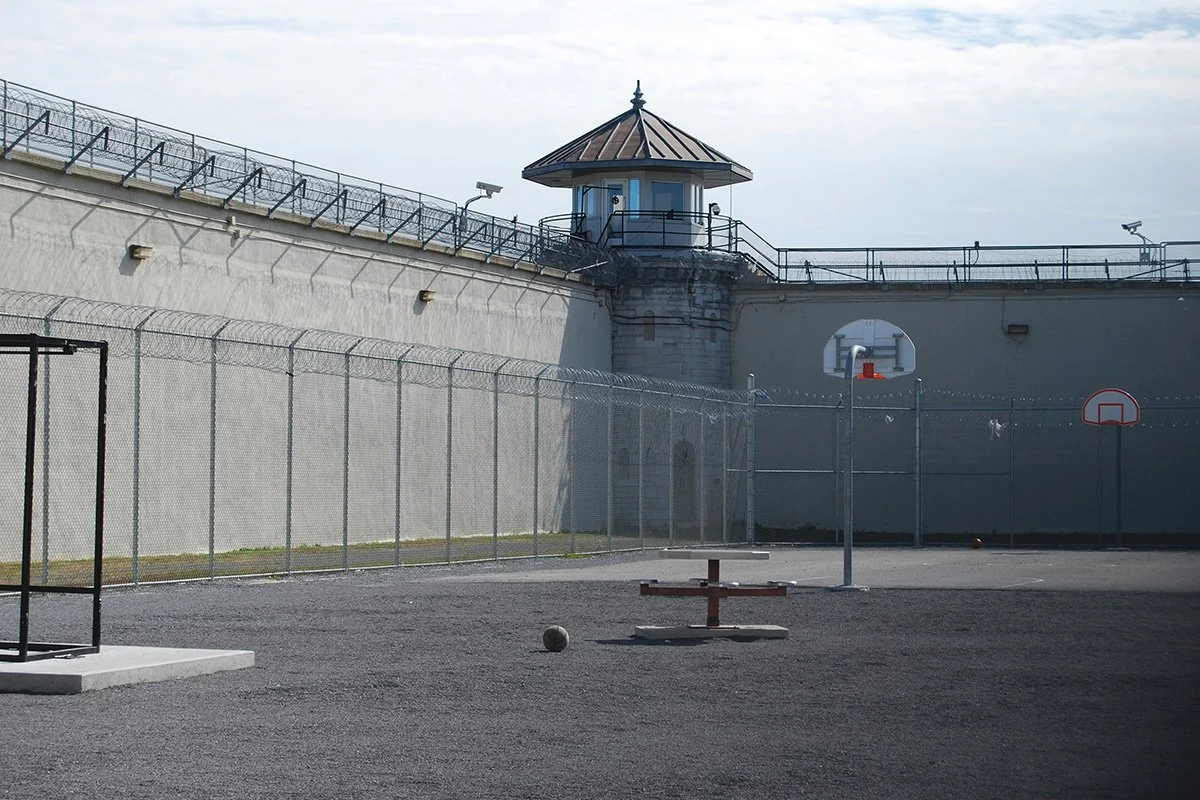
In a move that signals a historic shift in the landscape of American criminal justice reform, Kerwin Pittman, a man who spent over a decade behind bars, has completed the purchase of a former state prison with the intent of converting the facility into a comprehensive reentry campus. The acquisition of the former Wayne Correctional Center in Goldsboro, North Carolina, represents the first time in United States history that a formerly incarcerated individual has purchased a prison for the express purpose of repurposing it into a center for rehabilitation and community reintegration. Purchased for $275,000 in November 2025, the 80,000-square-foot property is slated to become a beacon of hope for the thousands of individuals who transition from the state’s correctional system back into society each year.
The project, spearheaded by Pittman’s nonprofit organization, Recidivism Reduction Educational Program Services (RREPS), aims to address the systemic barriers that often lead to high rates of recidivism. By transforming a site of confinement into a site of opportunity, Pittman is challenging the traditional paradigms of justice and providing a blueprint for how lived experience can drive institutional change. The facility, which once housed 400 inmates, is expected to begin welcoming its first residents by 2028, following an extensive renovation process designed to replace cell blocks with classrooms, vocational workshops, and transitional housing units.
The Scale of the Reentry Challenge in North Carolina
The urgency of Pittman’s mission is underscored by the sheer volume of individuals navigating the transition from prison to the community. In North Carolina alone, more than 18,000 people are released from state prisons annually. For many, the day of release marks the beginning of a different kind of struggle—one characterized by a lack of stable housing, limited employment opportunities, and insufficient access to healthcare.
A 2026 study conducted by the Wilson Center for Science and Justice at Duke University highlighted the necessity of personalized, ongoing support for those reentering society. The study found that the initial months following release are the most critical; without a stable foundation, individuals are significantly more likely to return to the justice system. Pittman, who served 11 and a half years for conspiracy to commit murder before his release in 2018, understands these statistics not just as data points, but as lived realities.
"I had family support, so I had housing," Pittman noted during a recent briefing on the project. "But a lot of my friends didn’t have any place to go. Or if they did, there was a time limit on how long they could stay." This gap in support is where RREPS intends to intervene, providing a "soft landing" that combines the security of housing with the resources necessary for long-term independence.
From Wayne Correctional to the RREPS Campus: A Chronology
The Wayne Correctional Center has a storied history within the North Carolina Department of Adult Correction. For decades, it functioned as a medium-custody facility until it was shuttered in October 2013. Its closure was not the result of a decrease in the crime rate, but rather a consequence of state budget cuts and a mandate from the North Carolina General Assembly to reduce overall prison capacity to save costs.
For over a decade, the facility sat dormant, a decaying monument to the state’s punitive past. During this time, Pittman was building the foundation for what would eventually become the RREPS reentry model. After his release in 2018, Pittman dedicated himself to advocacy and program development, focusing on how to ease the reintegration process for others.
The timeline of the acquisition began in earnest in early 2025. After months of negotiations and bureaucratic hurdles, the sale was presented to the North Carolina Council of State. The Council, which includes the Governor and other high-ranking state officials, approved the sale of the property for $275,000—a fraction of the cost required to build such a facility from the ground up, but a significant investment for a grassroots nonprofit. The deal officially closed in November 2025, marking the beginning of the project’s two-year construction and renovation phase.
A Holistic Model for Rehabilitation
The vision for the RREPS campus extends far beyond simple shelter. Pittman and his strategic partner, Louis L. Reed—a nationally recognized criminal justice reform expert—have designed a hybrid model that can accommodate up to 250 residents. The campus is structured around four primary pillars: housing, workforce development, education, and holistic health.
- Workforce Development and Vocational Training: Central to the campus will be a workforce center offering certifications in high-demand trades. By partnering with local businesses and community colleges, the program aims to provide residents with marketable skills that lead to living-wage jobs.
- Comprehensive Education: Beyond vocational skills, the campus will offer GED preparation, STEM education for justice-involved youth, and literacy programs.
- Health and Wellness: Recognizing the high rates of trauma and substance use disorders among the incarcerated population, the facility will include on-site access to mental health professionals, cognitive behavioral therapy, and general medical care.
- Youth Intervention: A unique aspect of the project is its focus on justice-involved youth. Pittman intends to dedicate space for career pathways and art therapy specifically for younger individuals, aiming to break the cycle of incarceration before it becomes a lifelong pattern.
The Economic Case for Reentry Investment
The financial implications of Pittman’s project are as significant as the social ones. Data from the Chamber of Commerce of the United States reveals a stark economic reality: six out of every ten formerly incarcerated individuals remain unemployed four years after their release. This lack of employment is the primary driver of recidivism.
However, the Chamber’s research also indicates a clear solution. Formerly incarcerated individuals who maintain employment for at least one year post-release see their recidivism rate drop to just 16%. By providing the training and job-placement support necessary to reach that one-year milestone, the RREPS campus could save the state of North Carolina millions of dollars in future incarceration costs. The average cost to house an inmate in North Carolina is estimated at over $40,000 per year; by contrast, the cost of supporting a resident through a reentry program is a fraction of that amount, with the added benefit of turning a tax consumer into a tax-paying citizen.
Navigating the $10 Million Fundraising Milestone
Despite the successful purchase of the property, the road ahead is fraught with financial challenges. Pittman has set an ambitious fundraising goal of $10 million to cover the costs of renovation, staffing, and initial operating expenses.
The project’s financial strategy is multi-faceted. It relies on a combination of philanthropic contributions, public grants aligned with workforce development, and private sector partnerships. Pittman is also exploring "earned revenue" models, such as leasing portions of the 80,000-square-foot facility to other community organizations or social enterprises that align with the mission of RREPS.
Additionally, the project is positioned to take advantage of federal and state programs designed to incentivize investment in distressed communities. "Transforming a former correctional facility into a campus will require financial resources, infrastructure, and organizational partnerships," Pittman admitted. "But we aren’t just asking for charity; we are asking for an investment in a safer, more productive North Carolina."
Lived Experience as a Leadership Asset
One of the most compelling aspects of the Wayne Correctional Center project is its leadership. In the nonprofit sector, there is a growing movement toward "lived-experience leadership"—the idea that those who have been most impacted by a problem are best equipped to design its solution.
Pittman’s background provides him with a level of credibility and insight that traditional administrators may lack. He understands the psychological toll of living in a cell and the disorientation that follows release. This perspective informs every aspect of the campus design, from the removal of traditional prison bars to the implementation of "peer-to-peer" mentoring programs.
Louis L. Reed, who has been instrumental in the project’s strategic planning, emphasizes that this is a radical departure from the status quo. "This is not about reentry as we’ve known it," Reed stated. "This is about reimagining justice in America and building infrastructure that supports real second chances. We are taking the very tools of punishment and turning them into tools of empowerment."
Broader Implications for Criminal Justice Reform
The success or failure of the RREPS campus will likely have national implications. If Pittman can successfully navigate the complexities of renovating a prison and achieving measurable reductions in recidivism, his model could be replicated in other states facing similar prison-capacity and reentry challenges.
The project also poses a challenge to the philanthropic community. While many foundations have pledged to support criminal justice reform, the majority of funding still flows to large, established organizations rather than those led by formerly incarcerated individuals. Pittman’s $10 million campaign will be a litmus test for whether the nonprofit sector is ready to provide substantial capital to leaders with lived experience.
As construction begins and the 2028 opening date approaches, the eyes of the nation will be on Goldsboro. The transformation of the Wayne Correctional Center is more than a construction project; it is a symbolic reclamation. It suggests that if a place built for punishment can be repurposed for healing, then perhaps the individuals who were once held within its walls can also be transformed. For Kerwin Pittman and the thousands of people he hopes to serve, this project is the ultimate evidence that a person’s past does not have to dictate their future, and that even the most formidable walls can be broken down to build a bridge home.