Julia Chirkova
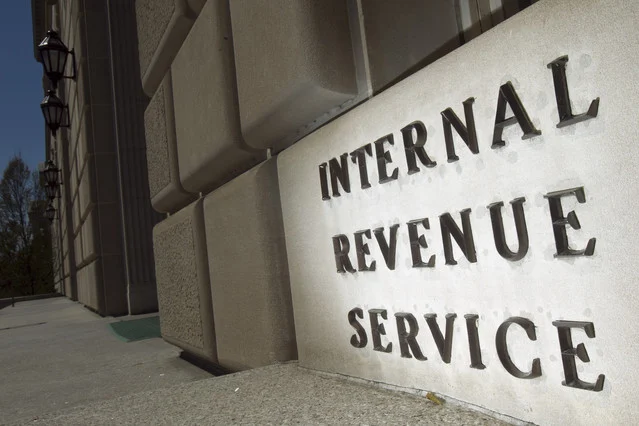
The U.S. Department of the Treasury and the Internal Revenue Service (IRS) have issued final regulations that provide crucial guidance for employers regarding the automatic enrollment requirements for 401(k) and 403(b) retirement plans, a key provision of the SECURE 2.0 Act. This development marks a significant step in enhancing retirement savings opportunities for millions of American workers. The final rules, published on Tuesday, aim to clarify obligations for plan sponsors and streamline participant notifications, ensuring a smoother implementation of this important retirement security measure.
Background: The SECURE 2.0 Act and its Aims
The Setting Every Community Up for Retirement Enhancement 2.0 Act, commonly known as SECURE 2.0, was signed into law on December 29, 2022. This comprehensive legislation builds upon the foundational improvements introduced by the original SECURE Act of 2019, further strengthening the retirement landscape for individual savers. A central tenet of SECURE 2.0 is the promotion of automatic enrollment in workplace retirement plans, a strategy widely recognized by financial experts as an effective method for increasing participation and bolstering long-term savings. The rationale behind automatic enrollment is rooted in behavioral economics; by defaulting individuals into saving, it leverages inertia to encourage consistent contributions, overcoming procrastination and decision fatigue.
The latest regulations specifically address Section 414a of the Internal Revenue Code, as amended by SECURE 2.0, mandating automatic enrollment for newly established 401(k) and 403(b) plans. This provision is designed to capture a larger segment of the workforce into retirement savings, particularly those who might otherwise delay or neglect to enroll in employer-sponsored plans.
Key Provisions of the Final Regulations
The newly released final rules establish clear parameters for employers concerning the implementation of automatic enrollment. For newly established 401(k) and 403(b) plans, the regulations stipulate that eligible employees must be automatically enrolled at a minimum contribution rate of 3% of their compensation. Beyond the initial enrollment, these plans must also incorporate an automatic escalation feature. This feature requires that the employee’s savings rate increase by 1% annually, progressively boosting their contributions. This annual increase continues until it reaches a predetermined cap, which can be either 10% or 15% of compensation, depending on the specific plan design.
Crucially, the regulations emphasize that employees retain control over their retirement savings decisions. While automatically enrolled, participants have the explicit right to opt out of the plan entirely or to elect a different contribution rate that aligns better with their individual financial circumstances. This flexibility ensures that the automatic enrollment mechanism serves as an encouragement rather than a mandate, respecting individual autonomy in financial planning.
It is important to note the distinction between 401(k) and 403(b) plans. While both are employer-sponsored retirement savings vehicles, 401(k) plans are typically offered by for-profit companies, whereas 403(b) plans are generally designed for employees of tax-exempt organizations, such as charities, and public educational institutions. The SECURE 2.0 Act’s automatic enrollment provisions apply to both types of plans, aiming for broad applicability across different sectors of the economy.
Projected Impact on Retirement Savings
The Treasury Department has projected a significant positive impact on national retirement savings as a direct result of SECURE 2.0’s automatic enrollment expansion. The department estimates that this provision alone will lead to an increase in retirement savings averaging approximately $4.2 billion annually over the 2023-2032 period. This substantial figure underscores the potential of automatic enrollment to significantly bolster the retirement security of a broad spectrum of American workers, contributing to a more financially stable future for many.
This projected increase is a testament to the power of systematic saving. Even modest, automatically increasing contributions can compound significantly over decades, creating a substantial nest egg for retirement. For individuals who might otherwise struggle to initiate or maintain savings, this provision offers a structured pathway to accumulating wealth.
Official Statements and Endorsements
The release of these final regulations has been met with positive reactions from key figures within the U.S. government, highlighting the administration’s commitment to improving retirement security.
Treasury Secretary Scott Bessent articulated the administration’s vision, stating, "A financially secure retirement is a cornerstone of the American Dream, and every worker deserves the opportunity to achieve it. Today’s rules help more American families and workers build retirement savings while keeping them in control of their contributions and give employers the clarity and flexibility to invest in their employees’ futures." This statement emphasizes both the individual benefits of enhanced savings and the supportive role of employers in facilitating these opportunities.
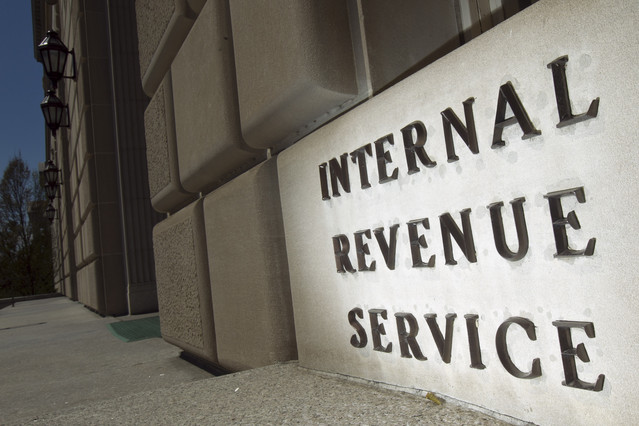
IRS Chief Executive Officer Frank Bisignano also expressed optimism regarding the impact of the regulations. He remarked, "With the SECURE 2.0 regulations in place, American families will be able to boost their savings and keep more of their hard-earned money through their automatic enrollment in a retirement account. These regulations reduce the administrative burden placed on taxpayers when making long-term financial decisions. More broadly, they further the IRS goal of improving taxpayer service by making interactions with the Service simpler and easier." Bisignano’s comments highlight the dual benefits of increased savings and simplified administrative processes for both individuals and the IRS.
These statements collectively reinforce the administration’s view that the SECURE 2.0 automatic enrollment provisions represent a win-win scenario: empowering individuals to save more effectively while providing employers with clear, manageable guidelines.
Implementation Timeline and Employer Considerations
To allow ample time for plan sponsors to adapt to the new requirements and make necessary administrative adjustments, the final regulations will generally apply to retirement plan years beginning after December 31, 2027. This phased implementation provides a window of approximately four years for employers to review their existing plans, update their systems, and ensure compliance with the new automatic enrollment and auto-escalation mandates.
Employers will need to:
- Review Plan Documents: Ensure that plan documents accurately reflect the automatic enrollment and auto-escalation provisions.
- Update Enrollment Procedures: Revise onboarding processes to incorporate automatic enrollment for newly eligible employees.
- Communicate with Employees: Develop clear and comprehensive notices to inform employees about the automatic enrollment process, their contribution options, and the auto-escalation feature.
- Adjust Recordkeeping Systems: Ensure that payroll and recordkeeping systems are capable of managing automatic contributions and annual escalations.
- Consider Opt-Out Procedures: Establish clear and accessible procedures for employees who wish to opt out or adjust their contribution rates.
The extended effective date is a crucial element, acknowledging the operational complexities involved in modifying retirement plan administration. It allows for a thoughtful and deliberate transition, minimizing potential disruptions for both employers and employees.
Broader Implications for Retirement Security
The implementation of SECURE 2.0’s automatic enrollment provisions has far-reaching implications for the long-term retirement security of the American workforce. By making saving the default, these regulations have the potential to significantly close retirement savings gaps, particularly among lower- and middle-income workers who have historically faced greater challenges in accumulating adequate retirement assets.
The auto-escalation feature is equally critical. It ensures that savings grow over time, even if initial contributions are modest. This gradual increase helps individuals build a more substantial retirement fund without feeling an immediate, overwhelming financial strain. It also accounts for potential salary increases over a career, ensuring that savings keep pace with earning potential.
Furthermore, the clarity provided by the final regulations is invaluable for employers. Ambiguity in retirement plan regulations can lead to compliance issues and administrative burdens. By offering definitive guidance, the Treasury Department and IRS are enabling employers to implement these provisions with confidence, fostering a more stable and predictable retirement plan environment.
The focus on 403(b) plans also addresses a critical segment of the workforce. Employees in public education and non-profit sectors often have different benefit structures, and extending robust automatic enrollment provisions to these plans ensures a more equitable approach to retirement security across the nation.
In essence, these final rules represent a proactive and significant step towards strengthening the retirement preparedness of millions of Americans. By leveraging proven strategies like automatic enrollment and auto-escalation, and providing clear guidance to employers, the SECURE 2.0 Act, through these regulations, is poised to make a tangible positive difference in the financial futures of countless individuals and families. The emphasis on employee control ensures that this enhancement to retirement savings is achieved in a manner that respects individual choice, a hallmark of effective public policy.