Nila Kartika Wati
In the South Bronx zip code of 10454, located within the most economically challenged congressional district in the United States, a pioneering initiative is redefining the methodology of combating food insecurity through a blend of ecological agriculture, scientific research, and community-led education. Known as LEAF—Leading an Ecological and Accessible Food System—the program represents a four-year collaboration between the Stone Barns Center for Food & Agriculture and the Columbia Climate School. By integrating the distribution of regeneratively grown produce with comprehensive nutritional and horticultural education, LEAF seeks to move beyond traditional charity models toward a sustainable, climate-aligned food system that prioritizes both human health and environmental stewardship.
The Socioeconomic Landscape of the South Bronx
The Bronx’s 10454 zip code serves as a critical backdrop for the LEAF program’s mission. As part of New York’s 15th Congressional District, the area has long been identified as the poorest in the nation. According to demographic data, the neighborhood faces a 44 percent poverty rate, with a population that is predominantly Black and Latino. These residents navigate a complex landscape of food insecurity, often characterized by "food swamps"—areas where high-calorie, low-nutrient processed foods are abundant, while fresh, affordable produce remains scarce.
The health implications of this environment are stark. The South Bronx consistently reports some of the highest rates of diet-related illnesses in New York City, including diabetes, hypertension, and obesity. The LEAF program was established not merely to provide calories, but to address the systemic lack of access to nutrient-dense foods and the knowledge required to integrate them into daily life.
Chronology and Evolution of the LEAF Program
The foundations of LEAF were laid four years ago following a visit by Stone Barns Center board members to the neighborhood of Carolina Saavedra, the center’s community education manager. Saavedra, a prominent figure in the Bronx community as a sous chef at the mutual aid kitchen La Morada and a steward of the Bruckner Mott Haven Garden, highlighted the urgent need for a program that respected the cultural and economic realities of the South Bronx.
Stone Barns Center, which manages 80 acres of farmland in Tarrytown, New York, committed the necessary capital and agricultural resources to the project. The center’s partnership with the Columbia Climate School added a rigorous research component, forming a consortium focused on the intersection of food systems and climate change.
In its first year, the program focused on establishing trust and logistical frameworks for food distribution. By the second year, the initiative saw a 99 percent participant retention rate, a figure that researchers noted as exceptionally high for community-based interventions. The program has since expanded its reach, serving 480 households to date. This expansion included a two-year pilot in Sleepy Hollow, New York, demonstrating the model’s adaptability to different demographic settings, even as funding fluctuations impacted specific regional extensions.
A Holistic Approach to Distribution and Education
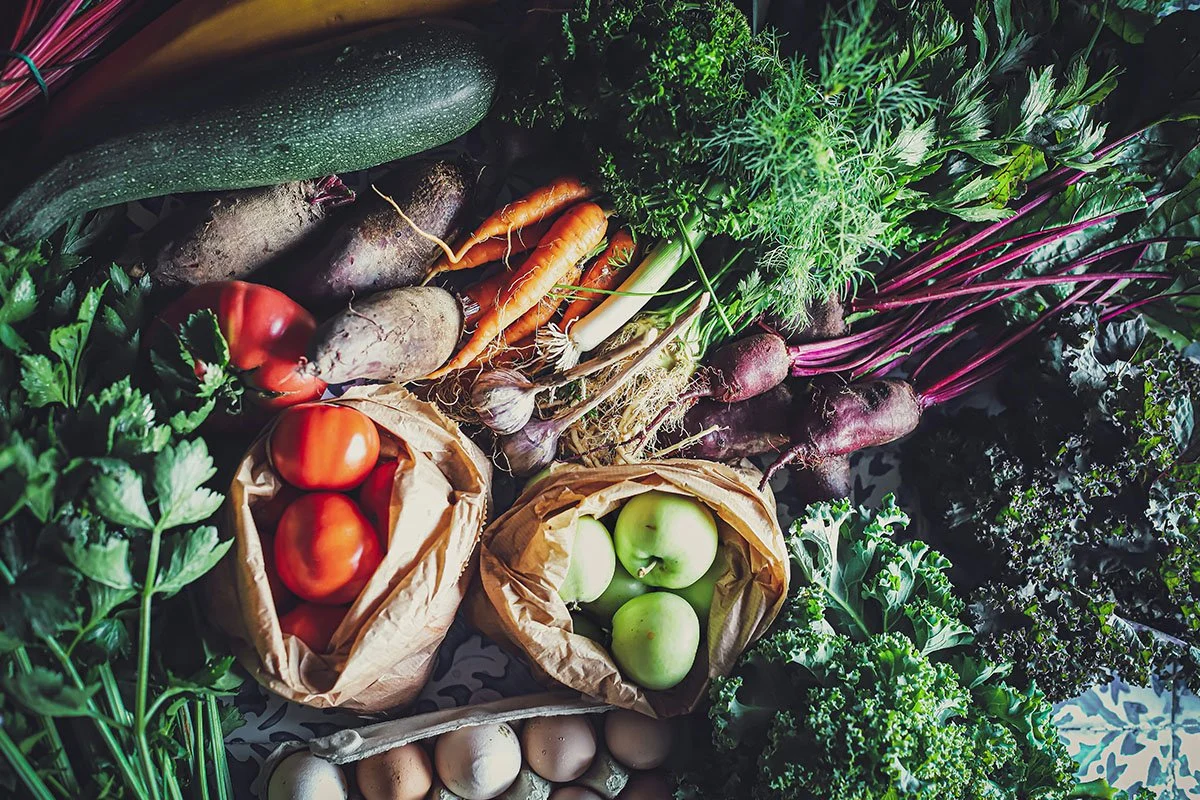
The LEAF model operates on a bi-weekly distribution cycle during the growing season. Participants receive high-quality, regeneratively produced items from Stone Barns, including eggs, grass-fed beef, onions, and rye berries. Unlike traditional food pantries that often rely on donated surplus from industrial chains, LEAF provides food grown with a focus on soil health and carbon sequestration.
Parallel to the food distribution, the program provides home gardening kits. These kits include seedlings for greens, herbs, and vegetables—such as lunchbox peppers—distributed in three phases (April, June, and September) to align with the Northeast planting calendar. To ensure the resources are utilized effectively, LEAF provides bilingual digital and printed materials covering:
- Horticultural Guidance: Step-by-step instructions for urban gardening in small spaces.
- Nutritional Education: Information on the health benefits of specific vegetables.
- Culinary Application: Recipes tested at Blue Hill at Stone Barns, the center’s world-renowned partner restaurant, ensuring that unfamiliar produce like zucchini or rye berries can be prepared deliciously and efficiently.
Empirical Findings: The Sustainability Study
The effectiveness of the LEAF program has been documented in a peer-reviewed study published in the journal Sustainability in January. Lead researcher Natalie Greaves-Peters, a behavioral nutritionist, analyzed data from the first two years of the program to track changes in participant behavior and attitudes.
The data revealed that while behavioral changes were not statistically significant after the first year, the cumulative impact after two years was profound. The study identified statistically significant increases in:
- Produce Consumption: A measurable rise in the daily intake of fruits and vegetables.
- Gardening Self-Efficacy: Increased comfort and skill levels in growing food at home.
- SNAP Participation: A higher rate of enrollment in the Supplemental Nutrition Assistance Program (SNAP), as the LEAF program helped demystify the application process and provided a supportive environment for low-income families.
Greaves-Peters emphasized that these results underscore the necessity of long-term, sustained engagement. "We can’t think our work is done once we hand food over," she stated, noting that the holistic approach—combining the "what" (food) with the "how" (gardening and cooking)—is what drives lasting change.
Community Participation and Human-Centric Design
A hallmark of LEAF is its commitment to Community-Based Participatory Research (CBPR). This methodology ensures that the community is not merely a subject of study but a partner in the program’s design. Listening sessions led to Stone Barns growing specific crops, such as hot peppers, at the request of participants, fostering a sense of agency and respect.
Local organizations have played a vital role in the program’s infrastructure. Entities such as WordUp (a bookshop and arts space), the Bruckner Mott Haven Garden, and the Brook Park community garden serve as distribution hubs. These locations were chosen for their proximity to schools, allowing for convenient pickups during school dismissal times.
The program has also fostered an organic social network. A dedicated WhatsApp group has become a hub for participants to share photos of their harvests, exchange recipes, and offer mutual aid. In some instances, members have used the platform to coordinate food pickups for neighbors or share information on other social services, such as English as a Second Language (ESL) classes.
Analysis of Implications and Future Research
The success of LEAF comes at a time of increasing volatility for federal food assistance programs. As budget cuts threaten the stability of SNAP and WIC (Women, Infants, and Children) benefits, local initiatives like LEAF offer a blueprint for community resilience.
Jason Grauer, Executive Director at Stone Barns, argues that the program is a vital step toward creating "healthier food citizens." By proving that ecological farming can directly benefit underserved urban populations, the LEAF consortium aims to influence broader policy.
Looking ahead, the research is expanding from an observational study to a quasi-experimental model. This next phase will incorporate:
- Qualitative Focus Groups: To better understand the emotional and social barriers to healthy eating.
- Carotenoid Testing: Using non-invasive technology to measure carotenoid levels in participants’ skin. Because carotenoids are pigments found in fruits and vegetables, their levels serve as a biological marker for actual produce consumption, providing an objective data point to supplement self-reported surveys.
Conclusion: A Replicable Model for Food Sovereignty
The LEAF program demonstrates that food insecurity is not merely a problem of scarcity, but one of access, education, and dignity. By treating participants with "kindness and humanity"—a sentiment echoed by program participant Maria Pena—LEAF has built a foundation of trust that traditional institutional interventions often lack.
The consortium intends to publish its future findings as open-source data, encouraging other municipalities and agricultural organizations to replicate the LEAF model. As the "food is medicine" movement gains traction within the healthcare sector, programs that integrate regenerative agriculture with community-led nutrition education may become essential components of public health strategy.
Through the co-creation of solutions between rural farmers, Ivy League researchers, and South Bronx residents, LEAF is proving that a more equitable and ecological food system is not only possible but measurable. As Carolina Saavedra noted, the goal is to provide the choice and the space for people to reclaim their relationship with the land and their health. With the science to back these efforts, the voices of the South Bronx are increasingly being heard in the national conversation on food justice.