
 Candice Horbacz
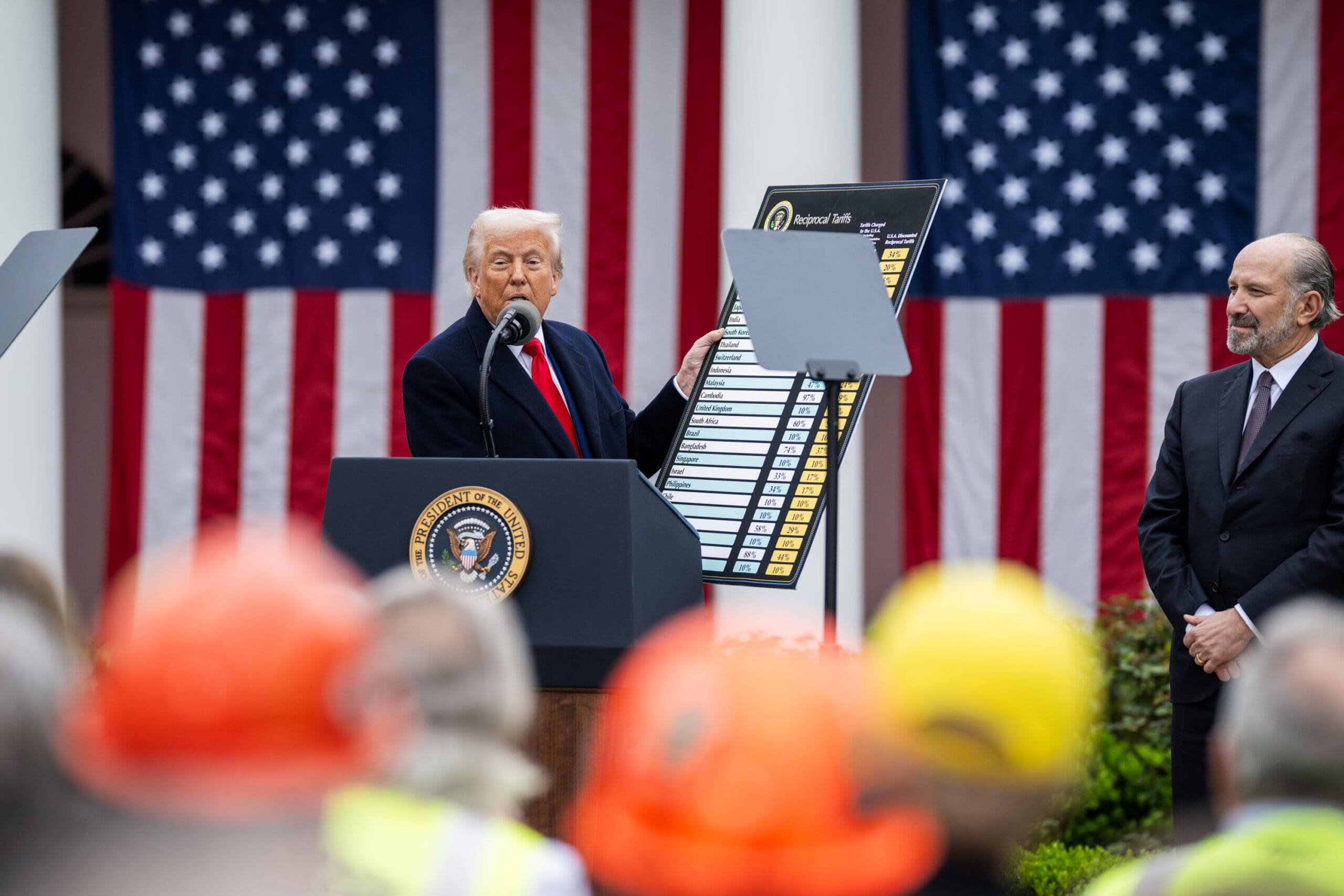
Last Friday, the Supreme Court of the United States delivered a landmark 6-3 decision, striking down President Trump’s tariffs imposed under the International Emergency Economic Powers Act (IEEPA). This pivotal ruling has immediate and far-reaching implications, not only for the substantial sums collected under these duties but also for the future of U.S. trade policy and the scope of presidential authority. The decision has already set off a frantic effort within the current administration to establish new, legally sound tariff structures, creating a period of heightened uncertainty for businesses and consumers alike.
The high court’s majority opinion found that the Trump administration had overstepped its statutory authority by employing IEEPA, typically reserved for national security emergencies, to impose broad economic tariffs. While the specific legal arguments will be detailed in the official opinion, the 6-3 split suggests a significant alignment across ideological lines on the principle of statutory interpretation and the limits of executive power. This ruling effectively invalidates a key component of the previous administration’s trade strategy, which had seen the imposition of duties on billions of dollars worth of imported goods.
The Genesis of the IEEPA Tariffs and the Trade War Context
To understand the full weight of this decision, it is crucial to revisit the context in which these tariffs were first implemented. In 2018, the Trump administration embarked on an aggressive trade policy, citing concerns over national security and unfair trade practices. While Section 232 of the Trade Expansion Act of 1962 was primarily used to impose tariffs on steel and aluminum imports, and Section 301 of the Trade Act of 1974 targeted goods from China, IEEPA was invoked for a distinct set of tariffs, particularly those related to specific national security concerns or economic threats perceived as emergencies.
The International Emergency Economic Powers Act (IEEPA), enacted in 1977, grants the President broad authority to regulate international commerce during declared national emergencies. Its original intent was to allow the President to impose sanctions or control assets in response to foreign threats to U.S. national security, foreign policy, or economy. Historically, IEEPA has been used to impose sanctions on hostile regimes, combat terrorism, or address severe financial crises. Its application to broad tariffs, effectively as a general trade policy tool rather than a targeted emergency measure, was a novel and contentious interpretation, immediately drawing criticism from legal scholars, trade experts, and affected industries.
The administration’s rationale for using IEEPA centered on the idea that certain imports or trade practices constituted an economic threat to U.S. industries critical for national defense or economic stability. Critics, however, argued that this stretched the definition of "national emergency" beyond its intended scope, essentially bypassing congressional authority over trade policy, which is explicitly granted to the legislative branch by the U.S. Constitution.
A Chronology of Legal Challenges
The journey of these IEEPA tariffs through the legal system has been protracted and complex.
- Early 2018: The Trump administration begins imposing tariffs under various statutes, including IEEPA, citing national security concerns. Businesses quickly feel the impact.
- Mid-2018 onwards: Numerous industry groups, individual companies, and trade associations file lawsuits challenging the legality of these tariffs. Initial challenges often focus on procedural grounds or the broad interpretation of statutory authority.
- Lower Court Rulings: Many cases wind their way through the U.S. Court of International Trade and the U.S. Court of Appeals for the Federal Circuit. These courts often grappled with the precise limits of presidential power under trade statutes. Some initial rulings favored the government, while others indicated potential vulnerabilities in the administration’s legal arguments.
- Consolidated Appeals: Given the similar legal questions, many of these cases were eventually consolidated or served as precedents for higher court review, particularly concerning the interpretation of IEEPA.
- Supreme Court Review: Following conflicting appellate decisions or issues of significant constitutional and statutory interpretation, the Supreme Court agreed to hear arguments on the IEEPA tariffs, recognizing the profound implications for executive power and trade policy.
- Last Friday’s Decision: The Supreme Court issues its 6-3 ruling, definitively striking down the tariffs imposed under IEEPA. This marks the culmination of years of legal battles.
Economic Fallout and the Cost of Uncertainty
The IEEPA tariffs, alongside other duties, generated substantial revenue for the U.S. Treasury, estimated to be in the tens of billions of dollars over their lifespan. For instance, while Section 232 steel and aluminum tariffs and Section 301 China tariffs accounted for the bulk, the specific IEEPA-related duties, though perhaps smaller in individual scope, cumulatively impacted a diverse range of industries, from specialized manufacturing components to consumer goods. Businesses importing these goods were forced to pay the tariffs, often passing costs on to consumers or absorbing them, leading to reduced profit margins and competitiveness.
The economic impact was multifaceted:
- Increased Costs for Importers: U.S. businesses faced higher input costs, which either eroded their margins or were passed on to American consumers in the form of higher prices.
- Supply Chain Disruptions: The tariffs forced companies to re-evaluate and often restructure their global supply chains, leading to inefficiencies and additional expenses.
- Retaliatory Tariffs: The imposition of U.S. tariffs frequently provoked retaliatory duties from affected countries, hurting American exporters, particularly in the agricultural and manufacturing sectors.
- Investment Uncertainty: The unpredictable nature of trade policy during this period created a climate of uncertainty, discouraging long-term investment decisions for many businesses.
The Supreme Court’s decision now raises the complex question of refunds. With billions of dollars in duties collected, the logistical and financial implications of reimbursing affected businesses are immense. Industry experts estimate that processing these refunds could take months, if not years, and require significant administrative effort from both government agencies and the businesses themselves. While some businesses will welcome the opportunity to reclaim these funds, many will have already absorbed the costs or factored them into their pricing structures, making a direct and simple refund process challenging. The specifics of the refund mechanism—who is eligible, how to apply, and the timeline for disbursement—will need to be meticulously outlined by relevant government agencies, likely the U.S. Customs and Border Protection.
Official Reactions and the Scramble for Replacement Tariffs
The ruling has naturally elicited a range of reactions from various stakeholders. While the Supreme Court’s opinions are typically devoid of external commentary, the implications for the executive branch are profound.
The current Biden administration, while not the initiator of these specific IEEPA tariffs, inherited them and has been grappling with the broader legacy of the trade war. Reports indicate that the administration is "already scrambling to put new tariffs in place." This suggests a desire to maintain certain protectionist measures or leverage in ongoing trade negotiations, but now on a more legally secure footing. Officials are likely exploring alternative statutory authorities, such as:
- Section 201 (Safeguard Tariffs): These tariffs are imposed to protect domestic industries from injury caused by increased imports, but require a formal investigation by the U.S. International Trade Commission (ITC) and specific findings.
- Section 301 (Unfair Trade Practices): Already extensively used against China, this avenue allows for tariffs in response to foreign unfair trade practices, following an investigation by the U.S. Trade Representative (USTR).
- New Legislation: In a more extreme scenario, the administration could seek new legislative authority from Congress, though this would likely face significant political hurdles.
Erica York, an expert on trade policy, highlighted the immediate challenge: "businesses may face even more uncertainty in the near term as a messy patchwork of replacement tariffs takes shape." This "patchwork" refers to the likelihood that new tariffs, if imposed, will not be a simple re-implementation but rather a series of distinct measures, each with its own legal basis, scope, and potentially different product coverage. This could lead to a period of fragmented and evolving trade policy, making it difficult for businesses to plan and adapt.
Industry and Expert Commentary
Business groups have responded with a mix of relief and apprehension. The National Retail Federation, for example, might issue a statement welcoming the clarity provided by the Supreme Court but expressing concern over the potential for new, equally disruptive tariffs. Manufacturers’ associations, particularly those reliant on global supply chains, might echo these sentiments, emphasizing the need for stable and predictable trade policies. Legal experts have largely lauded the decision as a reaffirmation of the separation of powers, underscoring that while the President has significant authority in foreign policy, this power is not limitless and must operate within the bounds set by Congress. Economic analysts, meanwhile, will be closely watching the impact on inflation, supply chains, and international trade relations as the administration navigates this new landscape.
Broader Implications for Trade Policy and Executive Power
The Supreme Court’s ruling on IEEPA tariffs carries significant implications beyond the immediate economic consequences:
- Reaffirmation of Congressional Authority: The decision serves as a powerful reminder of Congress’s constitutional prerogative over trade policy. It signals that presidents cannot unilaterally reshape U.S. trade relations using broad emergency powers without clear statutory authorization.
- Checks and Balances: This ruling reinforces the system of checks and balances, demonstrating the judiciary’s role in limiting executive overreach, particularly when statutory interpretation is at stake.
- Future Executive Actions: Future administrations will likely be more cautious in their interpretation and application of emergency powers for economic policy, potentially leading to a more collaborative approach with Congress on trade matters.
- International Relations: The stability of U.S. trade policy is crucial for international relations. A return to a more predictable, legally grounded approach, even if protectionist in nature, could be viewed more favorably by trading partners than policies based on broad, potentially arbitrary emergency declarations.
The Road Ahead: A Messy Patchwork Emerges
As the dust settles on this landmark Supreme Court decision, the focus now shifts to how the Biden administration will respond. The immediate challenge is to determine which specific tariffs, if any, will be reimposed under different legal frameworks. This process will likely involve:
- Thorough Legal Review: Each potential new tariff will need to undergo rigorous legal scrutiny to ensure it complies with the specific requirements of alternative statutes.
- Interagency Coordination: Agencies like the USTR, Department of Commerce, and Department of Treasury will need to coordinate closely to craft a coherent and legally defensible strategy.
- Stakeholder Consultation: The administration may engage with affected industries and trade groups to gauge the potential impact of new measures, though the primary driver will be legal compliance.
The prospect of a "messy patchwork" of replacement tariffs underscores the complexity of modern trade policy. It suggests that businesses, having just navigated a period of IEEPA-induced uncertainty, will now face a new phase of adaptation as the government attempts to rebuild its tariff architecture on a firmer legal foundation. This evolving landscape demands vigilance and flexibility from all participants in the global economy, as the Supreme Court’s ruling reshapes the boundaries of executive power in trade.