Lina Irawan
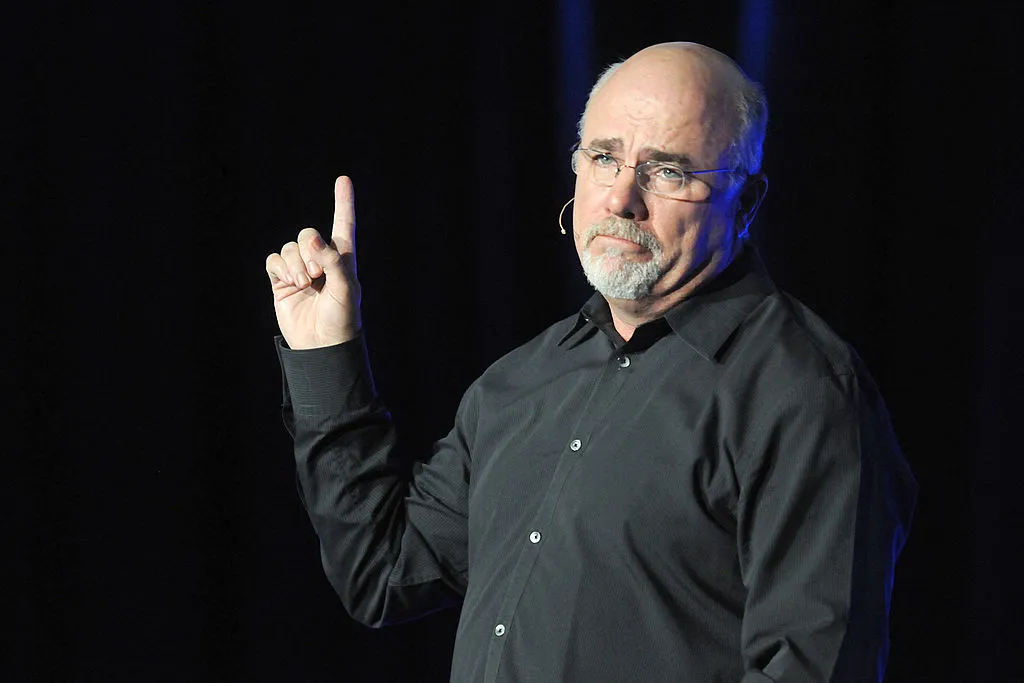
The landscape of personal finance is often characterized by contrasting philosophies on debt, with one prominent voice, financial guru Dave Ramsey, advocating for its complete elimination. Ramsey’s well-known aversion to debt posits that all forms of borrowing are inherently detrimental to long-term financial health and should be avoided at all costs. This hardline stance, while aspirational for many, presents a challenge for individuals grappling with existing high-interest debt, prompting exploration into alternative, often temporary, strategies like the 0% Annual Percentage Rate (APR) balance transfer. While Ramsey’s philosophy encourages an aggressive, immediate approach to debt eradication, practical financial planning often necessitates interim steps that allow for the reduction of interest burdens and a more manageable path to debt freedom. A 0% APR balance transfer serves as one such mechanism, enabling consumers to consolidate and pay down debt more efficiently by temporarily removing the costly element of interest.
The Dave Ramsey Doctrine: A Foundation of Debt Aversion
To fully understand the context in which a 0% APR balance transfer operates, it is crucial to first delve into Dave Ramsey’s foundational principles. Ramsey, through his "Total Money Makeover" and "Baby Steps" programs, has built an empire on the premise that debt is a primary impediment to wealth creation and financial security. His philosophy views debt, whether it be credit card balances, car loans, student loans, or mortgages, as a form of "financial bondage" that prevents individuals from truly building wealth and living freely. He famously advises adherents to cut up credit cards, avoid loans, and live on a cash-only basis to break free from the cycle of debt and interest payments.
Ramsey’s methodology, often described as tough love, prioritizes paying off all non-mortgage debt using the "debt snowball" method, where smaller debts are paid first to build momentum, regardless of interest rates. His rationale is deeply rooted in behavioral psychology, arguing that the psychological victories of eliminating smaller debts provide the motivation needed to tackle larger ones. For Ramsey, the existence of any debt, especially high-interest consumer debt, is a critical emergency that demands immediate, intense focus and sacrifice. He argues that even seemingly beneficial debt, like a 0% APR balance transfer, merely delays the inevitable confrontation with the underlying spending habits and risks creating a false sense of security, potentially leading to further debt accumulation once the promotional period expires. His millions of followers attest to the effectiveness of his straightforward, disciplined approach, particularly for those who feel overwhelmed by debt and require a clear, structured path to recovery.
Deconstructing the 0% APR Balance Transfer
In stark contrast to Ramsey’s zero-tolerance stance, a 0% APR balance transfer is a strategic financial tool designed to provide temporary relief from the burden of high-interest debt. At its core, it involves moving existing debt from one or more credit cards (or sometimes other forms of debt like personal loans) to a new credit card that offers a promotional period with a 0% interest rate. Credit card APRs, particularly for consumers with average credit, can often hover around 20% or even higher, with the Federal Reserve reporting average rates for revolving credit reaching over 21% in late 2023. At such rates, a significant portion of monthly payments goes towards interest, making substantial principal reduction a slow and arduous process.
The appeal of a 0% APR balance transfer lies in its ability to temporarily eliminate this interest cost. During the promotional period, which typically ranges from 12 to 21 months, every dollar paid towards the balance directly reduces the principal. This can dramatically accelerate the debt payoff process, allowing consumers to escape the compounding effect of interest that often traps them in a cycle of minimum payments. For example, a consumer carrying a $5,000 balance at 22% APR would accrue approximately $1,100 in interest over a year if no principal was paid. By transferring this balance to a 0% APR card for 18 months, that $1,650 in potential interest savings (assuming the rate held for 18 months) can be redirected entirely to the principal.
Key Considerations Before Committing: Fees, Terms, and Creditworthiness
While offering substantial benefits, 0% APR balance transfers are not without their complexities and costs. A critical factor to consider is the balance transfer fee, which is almost universally applied. These fees typically range from 3% to 5% of the transferred amount. For instance, transferring a $5,000 balance with a 3% fee would incur a $150 charge, which is usually added to the transferred balance. Consumers must weigh this fee against the potential interest savings. In most cases, if the debt can be paid off within the promotional period, the interest saved will significantly outweigh the balance transfer fee. However, if the debt lingers past the introductory period, the high standard APR will kick in, potentially negating any initial savings and increasing the overall cost of the debt.
Furthermore, eligibility for the most competitive 0% APR balance transfer offers typically requires a good to excellent credit score. Lenders assess creditworthiness to mitigate their risk, as these offers represent a significant financial commitment on their part. A FICO score generally above 670 is often the minimum threshold, with scores above 740 unlocking the best terms. The application process also involves a hard inquiry on the credit report, which can cause a temporary, minor dip in the applicant’s credit score. However, if managed responsibly, the subsequent reduction in credit utilization (the ratio of credit used to total available credit) can positively impact the credit score over time.
It is also vital to understand the terms and conditions of the new card. Some cards may apply the 0% APR only to the transferred balance, while new purchases made on the card immediately accrue interest at the standard variable rate. This can complicate debt management and potentially lead to new debt accumulation. Consumers should ideally avoid making new purchases on the balance transfer card during the promotional period, focusing solely on eradicating the transferred debt.
The Strategic Play: Crafting a Repayment Plan
The efficacy of a 0% APR balance transfer hinges entirely on a well-executed repayment plan. This strategy is only truly beneficial if the transferred balance can be paid off in full before the promotional interest rate expires. Failure to do so means the remaining balance will revert to the card’s standard, often high, APR, which could be as high as 30% or more, erasing the benefits of the introductory period.
Implementing a successful plan involves several critical steps:
- Comprehensive Budgeting: The first step is to create or revisit a detailed budget. This allows individuals to identify exactly how much disposable income is available each month to allocate towards debt repayment. Understanding income versus expenses is fundamental to determining a realistic payment schedule.
- Calculating Monthly Payments: Divide the total transferred balance (including the balance transfer fee) by the number of months in the promotional period. This calculation reveals the exact monthly payment required to pay off the debt on time. For example, a $5,150 balance (including a $150 fee) with an 18-month promotional period would require a monthly payment of approximately $286.11.
- Automating Payments: Setting up automatic payments ensures consistency and prevents missed payments, which could result in losing the promotional rate or incurring late fees. Many card issuers offer this feature, allowing payments to be debited directly from a checking account.
- Halting New Debt Accumulation: Crucially, consumers must commit to not incurring new debt, especially on the card used for the balance transfer or on other credit cards. The goal is to reduce overall debt, not merely shift it around or add to it. This aligns directly with Ramsey’s principle of avoiding credit cards altogether. For those using balance transfers, a temporary "credit card freeze" or even closing old accounts might be a prudent step to eliminate temptation.
- Monitoring Progress: Regularly reviewing statements and tracking progress against the repayment plan can help maintain motivation and identify any deviations early on.
Broader Implications and Potential Pitfalls
While a 0% APR balance transfer can be a powerful tool, it is not a magic solution. Its effectiveness is intrinsically linked to a change in financial behavior. Without addressing the root causes of debt – whether it’s overspending, insufficient income, or unexpected emergencies – individuals risk falling back into the debt cycle. Many consumers find themselves in a "debt treadmill," transferring balances repeatedly as promotional periods expire, without ever truly getting ahead. This can lead to a detrimental cycle of opening new credit accounts, accumulating balance transfer fees, and potentially damaging their credit score over the long term through multiple hard inquiries and increasing overall credit limits without corresponding debt reduction.
Furthermore, the allure of a 0% APR can sometimes lead to complacency. Some may only pay the minimum required payment, failing to leverage the interest-free period for accelerated repayment. When the promotional rate expires, they are left with a substantial balance at a high interest rate, often worse off than if they had pursued other debt management strategies from the outset. This scenario underscores the critical difference between the mere availability of a tool and its responsible application.
Alternative Debt Management Strategies
For those who find themselves in significant debt, a 0% APR balance transfer is one of several potential avenues. Other options include:
- Debt Consolidation Loans: A personal loan with a fixed interest rate, often lower than credit card APRs, can be used to pay off multiple high-interest debts. This offers predictable monthly payments and a defined payoff timeline. However, approval depends on creditworthiness, and rates can still be high for those with lower scores.
- Debt Management Plans (DMPs): Offered by non-profit credit counseling agencies, DMPs involve working with counselors to negotiate lower interest rates and consolidate payments into a single monthly sum. While effective, they often require closing credit card accounts and can appear on credit reports, though usually less damaging than bankruptcy.
- Debt Snowball/Avalanche Methods: These are internal strategies, championed by Ramsey, that involve paying off debts in a specific order. The snowball method prioritizes smallest debts first for motivational wins, while the avalanche method targets highest-interest debts first for maximum financial savings. Both require discipline but incur no additional fees.
- Negotiating with Creditors: In some cases, individuals can directly contact their credit card companies to request a lower interest rate or a temporary hardship plan.
Conclusion: A Pragmatic Bridge to Financial Freedom
Ultimately, the choice between rigidly adhering to Dave Ramsey’s zero-debt philosophy and strategically utilizing tools like a 0% APR balance transfer often boils down to individual circumstances, financial discipline, and personal temperament. While Ramsey’s vision of a debt-free life is undeniably powerful and achievable for many, the reality for a significant portion of the population includes existing debt that cannot be eliminated overnight. For these individuals, a carefully planned and executed 0% APR balance transfer can serve as a pragmatic bridge, offering a crucial window of opportunity to significantly reduce the cost of debt and accelerate repayment.
It is imperative, however, that this tool is not viewed as a loophole or a quick fix, but rather as a temporary advantage that demands unwavering commitment and behavioral change. Without a robust budget, a clear repayment strategy, and a firm resolve to avoid new debt, the benefits of a 0% APR balance transfer can quickly dissipate, leaving the consumer in a more precarious financial position. For those with the discipline to leverage it effectively, it can be a valuable step on the journey towards the financial independence that Dave Ramsey so passionately advocates for, proving that sometimes, a strategic detour can lead to the desired destination.