Layla Zulfa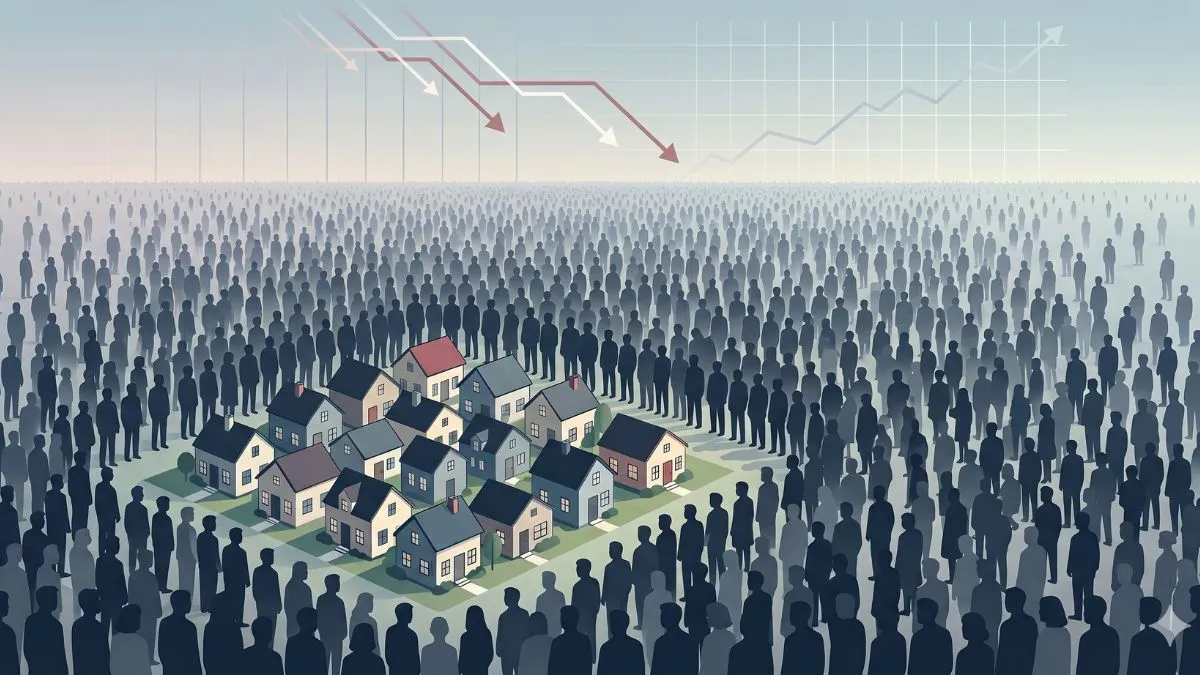
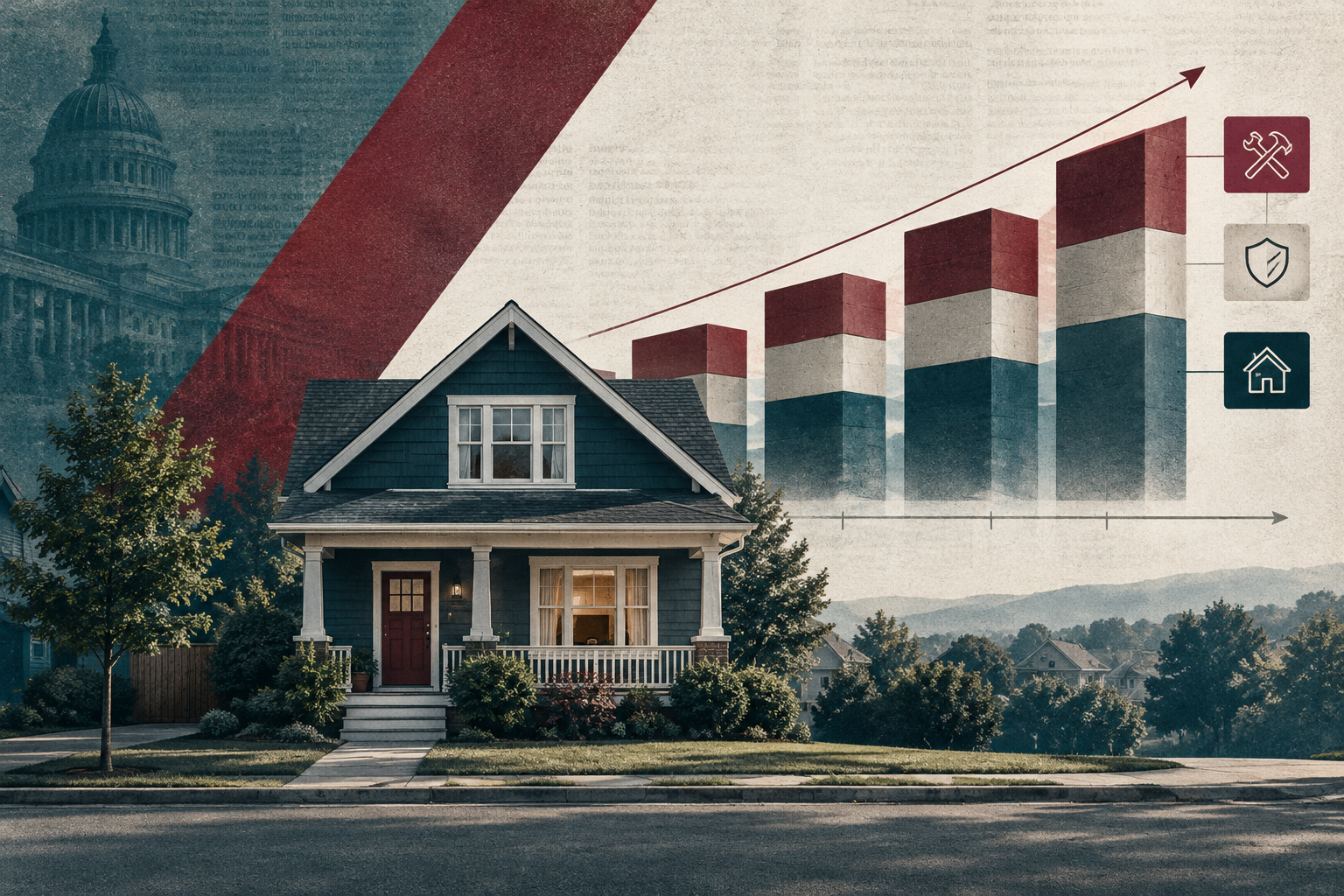
The United States housing market is grappling with a deeply entrenched and long-standing problem of chronic underbuilding, a deficit that has accumulated over several decades. While burdensome regulations have frequently been cited as a primary culprit, a comprehensive new report from the Federal Reserve Bank of St. Louis reveals that this issue is far more complex, involving a confluence of factors including persistent labor shortages, escalating land constraints, and continually rising costs associated with building, borrowing, and materials. These intertwined challenges not only impede the initiation of approved residential projects but can also lead to their outright cancellation, further exacerbating the national housing shortage.
A Deep Dive into the Supply-Side Squeeze
The Federal Reserve Bank of St. Louis report, authored by Manu Garcia and Carlos Garriga, meticulously details the multi-decade trajectory of America’s housing deficit. The analysis highlights that the peak of residential construction, as measured by building permits issued per capita, occurred in the early 1970s, when the nation averaged 10.6 permits per 1,000 people. Following a period of notable volatility throughout the 1980s and 1990s, permit activity saw an upward trend. However, this recovery was dramatically interrupted by the financial crisis of the late 2000s, which led to a sharp decline in new construction.
While there has been an observable uptick in housing permits and authorizations since the Great Recession, the report’s authors characterize this recovery as "incomplete." Specifically, single-family housing permits have hovered around 2.9 per 1,000 people, falling significantly short of the historical average of 4.1 permits per 1,000 people. The report underscores this deficiency by stating, "Despite over a decade of recovery, total permits per capita in 2024 stand at 4.3 per 1,000 – still 35% below the 1960-2000 average of 6.6 permits per 1,000. The U.S. is building less housing per person than at almost any point in the postwar era."
This scarcity is vividly illustrated by the homeowner vacancy rate, which in 2024 stood at a record low of 0.95%. This figure represents a substantial decrease from the peak of 2.9% recorded in 2008. Although the rate has since seen a marginal increase to 1.2%, it remains considerably below its historical average, indicating a persistently tight housing market where available homes are quickly occupied.
Beyond Regulations: Unpacking the Non-Regulatory Barriers
While regulatory hurdles are a recognized impediment, the St. Louis Fed’s analysis points to several critical non-regulatory barriers that are profoundly contributing to the housing deficit, estimated to be between 1.5 million and 4 million homes.
One significant, often overlooked, factor is the ongoing decline in average household size. In 1960, the typical American household comprised approximately 3.4 individuals. By 2024, this number had decreased to just over 2.5 people. This demographic shift, coupled with a growing societal preference for independent living, means that a "static" housing stock effectively becomes a shrinking one in terms of usable units. Research from the National Association of Realtors’ 2024 Home Buyers and Sellers Generational Trends Report supports this trend, revealing that 53% of Gen Z buyers, many of whom are now approaching their early thirties, purchased a home as a solo individual. This suggests a growing demand for individual dwelling units, which the current pace of construction is failing to meet.
The report also highlights a critical issue in the construction pipeline, referred to as the "leaky pipe" of supply. This metaphor describes the persistent lag between the issuance of building permits and the actual completion of new housing units. Many projects that successfully navigate the approval and permitting stages encounter significant delays or are abandoned altogether before construction can commence or be finalized.
The Post-Pandemic Construction Conundrum
The period following the COVID-19 pandemic, from the latter half of 2020 through early 2022, witnessed a surge in building permit applications. This surge was fueled by a temporary decrease in borrowing costs and a perceived increase in housing demand. However, many of these secured permits have yet to translate into tangible new housing units.

The primary reason for this stalled progress lies in the dramatic escalation of construction costs. Borrowing costs, which had been artificially lowered during the pandemic, began a steep ascent in 2022 and have remained elevated. This, combined with persistent inflation and ongoing supply chain disruptions, has significantly increased the financial burden on builders and developers. Compounding these issues is a chronic shortage of skilled labor in the construction trades, further driving up labor costs and lengthening project timelines.
The financial calculus for developers has become increasingly challenging. The rents or sales prices required to make these newly constructed homes economically viable have, in many cases, become unachievable in the current market. This disconnect between development costs and market affordability has led to a situation where "Completions lagged as builders faced unprecedented supply chain disruptions and labor shortages," as noted in the report.
Interestingly, the report also points to a recent positive development in the completion versus permit ratio. In 2024, per-capita home completions reached 4.77, while permits stood at 4.33. This marks the first time since 2010 that the number of completions has outpaced permits on a per-capita basis, suggesting a potential, albeit modest, improvement in the conversion of approved projects to finished homes.
Navigating the Labyrinth of Local Regulations
While the St. Louis Fed’s report emphasizes the multifaceted nature of the housing shortage, it acknowledges that local regulatory barriers continue to play a significant role. These include restrictive zoning ordinances, lengthy and often convoluted approval processes, and protracted permitting timelines.
In response to these challenges, a growing number of states and municipalities have begun to implement reforms aimed at streamlining construction. These efforts include zoning overhauls designed to allow for greater density and a wider range of housing types, as well as initiatives to legalize more attainable housing options such as single-room occupancy (SRO) units.
For instance, a recent bill signed into law in Idaho by Governor Brad Little aims to address these issues by restricting certain local limitations on starter-home subdivisions. Simultaneously, it empowers local governments to develop and implement "missing-middle" housing plans, which typically include duplexes, triplexes, and other multi-family housing types that bridge the gap between single-family homes and larger apartment buildings.
Furthermore, several major cities, including Seattle, Austin, Honolulu, and Los Angeles, are leveraging artificial intelligence (AI) to expedite their permitting and approval processes. The adoption of AI technologies has demonstrated the potential to significantly shorten review periods, sometimes by days or even weeks, thereby accelerating the pace at which new housing projects can commence.
A Broader National Picture and Future Implications
The findings from the Federal Reserve Bank of St. Louis align with and provide further depth to a recent White House report that also identified chronic underbuilding as a critical issue facing the nation. While the White House report primarily focused on overregulation as the main driver of the housing deficit, estimating the shortfall at approximately 10 million single-family homes—a figure considerably higher than many contemporary estimates—the St. Louis Fed’s research offers a more nuanced perspective on the contributing factors.
The implications of this persistent housing shortage are far-reaching. It contributes to rising housing costs, making homeownership increasingly inaccessible for many Americans, particularly first-time buyers and those with lower to moderate incomes. This affordability crisis can lead to increased rates of housing instability, homelessness, and longer commutes as people are forced to live further from job centers. The shortage also impacts economic growth by limiting labor mobility and consumer spending, as a larger portion of household budgets is allocated to housing.
Addressing this complex challenge will require a coordinated effort involving policymakers at all levels of government, developers, builders, and community stakeholders. Strategies must go beyond simply loosening regulations and must encompass a comprehensive approach that tackles labor shortages through workforce development initiatives, innovative land use policies, and investments in affordable housing programs. Without such a multifaceted strategy, the U.S. risks perpetuating a cycle of underbuilding that will continue to strain the housing market and impact the economic well-being of its citizens for years to come. The data presented by the Federal Reserve Bank of St. Louis serves as a critical reminder that a singular focus on one cause will not resolve a problem as deeply embedded and complex as the nation’s housing deficit.