Pevita Pearce
Fourteen states are withholding crucial financial information regarding the revenue they forgo to attract and retain data centers through tax incentives, a practice that is increasingly drawing public and legislative scrutiny. This lack of transparency, detailed in a new report by the watchdog group Good Jobs First, comes at a time when several states are already reporting significant annual losses, totaling billions of dollars, due to these subsidies. The report highlights a growing disconnect between the allure of data center investment and the public’s right to know the true fiscal cost.
The investigation by Good Jobs First, titled "Data Center Tax Abatements: Why States and Localities Must Disclose These Soaring Revenue Losses," identifies Alabama, Arkansas, Idaho, Iowa, Indiana, Louisiana, Maryland, Missouri, Mississippi, North Carolina, North Dakota, Oklahoma, South Carolina, and Utah as states that have failed to publicly disclose the extent of their data center tax incentives. These incentives commonly encompass exemptions from sales, use, and property taxes, designed to lure companies investing heavily in construction and sophisticated computing infrastructure.
According to the National Conference of State Legislatures, a significant majority of U.S. states—38 in total—now offer dedicated tax incentives specifically for data centers. This widespread adoption of incentives underscores a national competition to secure these facilities, which are perceived as drivers of economic growth and technological advancement. However, the Good Jobs First report argues that this competition is often conducted with a veil of secrecy, potentially violating financial reporting standards set by the Governmental Accounting Standards Board (GASB). GASB establishes guidelines for how state and local governments should present their financial information, aiming for clarity and accountability.
Greg LeRoy, executive director of Good Jobs First and the primary author of the study, issued a strong statement regarding the findings. "No form of state spending is more out of control today than data center tax abatements," LeRoy asserted in a press release. "Hyperscale data centers are not only extractive of electricity, water, and land; they are also undermining public budgets." His comments highlight a dual concern: the environmental and resource demands of data centers, and their increasing fiscal impact on state and local governments.
Mounting Financial Burdens: A Look at State Losses
The report by Good Jobs First specifically points to three states—Georgia, Virginia, and Texas—as experiencing particularly substantial revenue losses attributed to data center incentives. Each of these states is estimated to be losing $1 billion or more annually. While the exact figures for the 14 non-disclosing states remain obscured, the scale of losses in other jurisdictions suggests that the total national impact could be considerably higher.
The economic rationale behind these incentives has long been rooted in the promise of substantial capital investment, job creation (primarily in construction and specialized technical roles), and increased tax revenue from associated economic activity. Data centers, the physical backbone of the digital world, house vast arrays of servers and networking equipment essential for storing, processing, and transmitting the data that powers everything from cloud computing services and social media platforms to artificial intelligence applications and online commerce. Their construction involves significant outlays for land acquisition, building infrastructure, and state-of-the-art technology.
However, critics argue that the projected economic benefits often fail to materialize as advertised, or that the incentives are excessively generous, leading to a net loss of public funds. The report from Good Jobs First suggests a systemic failure in accountability, where the long-term financial implications are not adequately communicated to taxpayers or policymakers.
A Shifting Landscape: Growing Opposition and Policy Changes
The lack of transparency surrounding data center tax breaks coincides with a surge in public opposition and legislative action aimed at curbing their proliferation and associated incentives. Residents in communities where data centers are proposed or already exist have voiced growing concerns. These concerns often revolve around the immense energy consumption of data centers, which can strain local electricity grids and potentially lead to higher utility rates for other consumers. Environmental advocates also point to the significant water requirements for cooling these facilities, particularly in water-scarce regions, and the substantial land footprint they occupy.
This rising tide of local opposition has begun to influence state-level policy. Lawmakers in various states are now reconsidering the generous tax breaks that have fueled the rapid expansion of the data center industry over the past decade. The trend is moving towards greater scrutiny, with some states actively seeking to limit or even repeal these incentives.
A notable development occurred recently in Maine, where lawmakers approved a moratorium on new data centers exceeding 20 megawatts in capacity. This legislative action marks the first statewide ban of its kind in the United States. The proposed legislation, awaiting the governor’s signature, would halt the development of new large-scale data centers until November 2027. Concurrently, it mandates the establishment of a new state council tasked with providing strategic guidance, facilitating thoughtful planning, and evaluating policy frameworks to address the complex issues surrounding data center development. The Maine Morning Star reported on this landmark decision, highlighting its potential to influence policy in other states grappling with similar challenges.
The Imperative for Transparency and Accountability
The recommendations from Good Jobs First are clear: all states should adopt comprehensive reporting practices for their data center tax incentives. This includes detailing not only the direct tax revenue losses but also the downstream impact on local government budgets and public services. Such transparency is deemed essential for informed policymaking and for ensuring that economic development incentives serve the broader public interest.
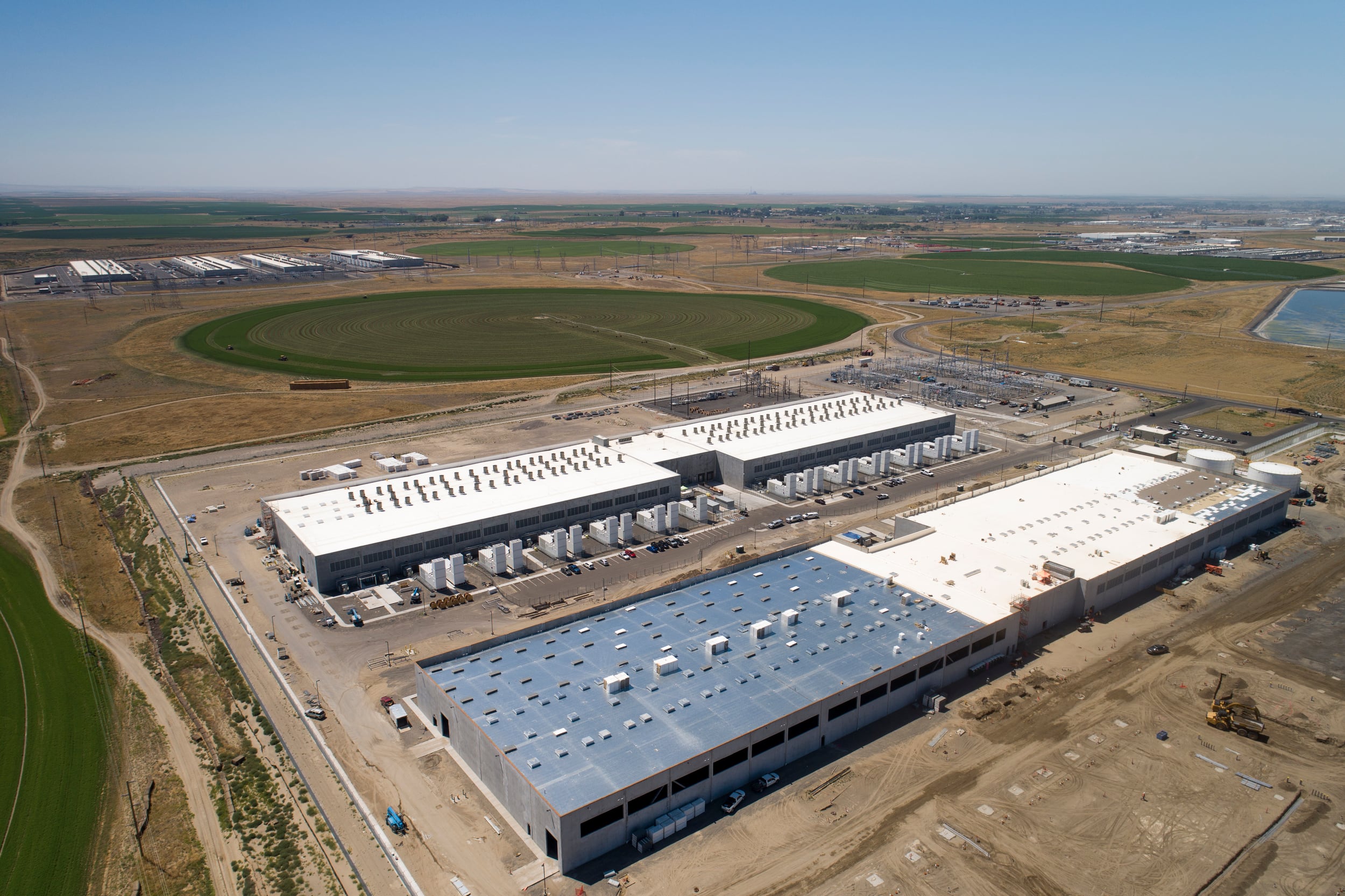
The photo caption accompanying the original report provides a concrete example of the scale of these incentives. It highlights Amazon’s data center operations on approximately 700 acres near Boardman, Oregon. Property tax breaks alone are estimated to have provided the company with over $435 million, a significant subsidy that helped attract the tech giant to the rural community. This case illustrates the substantial financial commitments states are willing to make to secure data center investments, underscoring the importance of understanding the full cost-benefit analysis.
The Governmental Accounting Standards Board (GASB) plays a crucial role in setting financial reporting standards for governmental entities. Its principles are designed to ensure that financial statements are reliable, comparable, and useful for decision-making. When states fail to disclose significant financial commitments like data center tax abatements, they risk undermining these principles and eroding public trust. The GASB’s framework generally requires governments to disclose information about their financial obligations and commitments. The non-disclosure highlighted by Good Jobs First suggests a potential non-compliance with these established accounting and financial reporting norms.
Broader Implications for Public Finance and Digital Infrastructure
The controversy surrounding data center tax breaks has far-reaching implications. It raises fundamental questions about how governments should balance the pursuit of economic development with their fiduciary responsibility to taxpayers. As the digital economy continues its exponential growth, the demand for data center infrastructure will likely increase, making the debate over incentives and their fiscal impact even more critical.
The findings of the Good Jobs First report serve as a call to action for greater transparency and accountability in economic development policy. Without a clear understanding of the financial costs associated with attracting data centers, policymakers and the public are ill-equipped to make informed decisions about whether these incentives are truly beneficial or detrimental to the long-term fiscal health of their states. The growing trend of states enacting moratoriums and reconsidering tax breaks suggests a shifting consensus, driven by both fiscal concerns and a growing awareness of the environmental and community impacts of these massive technological facilities. As states navigate this complex terrain, the demand for disclosure, as advocated by Good Jobs First, is likely to intensify.