Lina Irawan
Navigating the complexities of personal finance often brings individuals face-to-face with their credit reports, a detailed chronicle of their financial history. When inaccuracies or negative entries surface, they can significantly impact one’s financial standing, affecting everything from loan approvals to insurance premiums. Understanding the precise mechanisms for disputing and removing these detrimental items is not just a right but a crucial skill for maintaining robust financial health. This guide delves into the systematic approach required, encompassing direct engagement with credit bureaus, communication with original creditors, and strategic considerations for even accurately reported negative information.
The Pivotal Role of Your Credit Report and Score
At the heart of modern financial life lies the credit report, a document compiled by credit reporting agencies that details an individual’s borrowing and repayment history. This report serves as the foundation for a credit score, a three-digit number that lenders, landlords, and even some employers use to assess financial responsibility. The two primary scoring models, FICO and VantageScore, analyze factors such as payment history (accounting for approximately 35% of a FICO score), amounts owed (30%), length of credit history (15%), new credit (10%), and credit mix (10%). A higher score signifies lower risk, unlocking access to more favorable interest rates on mortgages, auto loans, and personal loans, as well as lower insurance premiums and better terms on rental agreements. Conversely, negative items can drastically lower these scores, often by 100 points or more, leading to higher borrowing costs and restricted access to financial products. For instance, studies have shown that consumers with excellent credit scores can save tens of thousands of dollars in interest over the life of a 30-year mortgage compared to those with merely good scores. Similarly, individuals with poor credit may pay up to 40% more for car insurance and 25% more for home insurance, underscoring the tangible financial implications of an impaired credit profile.
Identifying and Understanding Credit Report Errors
The journey to rectify a damaged credit report begins with meticulous identification of errors. Credit reports can harbor a range of inaccuracies, from minor data entry mistakes to serious fraudulent activities. Common negative items that can severely impact credit scores include late or missed payments, charge-offs (when a creditor writes off a debt as uncollectible), collection accounts, bankruptcies, and even an excessive number of hard inquiries (requests for your credit report typically made when applying for new credit). These items can originate from various sources, including credit cards, medical bills exceeding $500, utility bills, or installment loans.
It is crucial to differentiate between negative items that genuinely reflect a missed payment or financial difficulty and those that are outright errors. Less severe, yet still problematic, inaccuracies might include misspelled names, incorrect addresses, outdated employment information, or duplicate accounts. While these administrative discrepancies typically do not directly affect your credit score, they can indicate broader data integrity issues or even be precursors to identity theft. A sudden, unexplained drop in your credit score, an alert about an unfamiliar debt, or any anomaly spotted during a routine credit check should trigger an immediate and thorough investigation.
The Fair Credit Reporting Act (FCRA), enacted in 1970, is the foundational federal law that governs credit reporting. It grants consumers the right to access their credit reports and dispute inaccurate information. To initiate this process, consumers are entitled to a free copy of their credit report from each of the three major credit bureaus—Equifax, Experian, and TransUnion—every week via AnnualCreditReport.com. This unprecedented access, made permanent in 2021, allows for continuous monitoring. Upon obtaining these reports, a painstaking review is essential to pinpoint any discrepancies, particularly focusing on account details, payment histories, and personal identifiers across all three reports, as errors may not appear uniformly. The Federal Trade Commission (FTC) estimates that millions of Americans discover errors on their credit reports each year, highlighting the pervasive nature of this issue.
The Formal Dispute Process with Credit Reporting Agencies
Once an inaccuracy or negative item has been identified, the next critical step is to formally dispute it with the relevant credit reporting agency. While online dispute portals are readily available on each bureau’s website, for complex or particularly damaging errors, financial experts often recommend submitting disputes via certified mail with a return receipt requested. This method provides an undeniable paper trail, serving as robust proof that the dispute was sent and received.
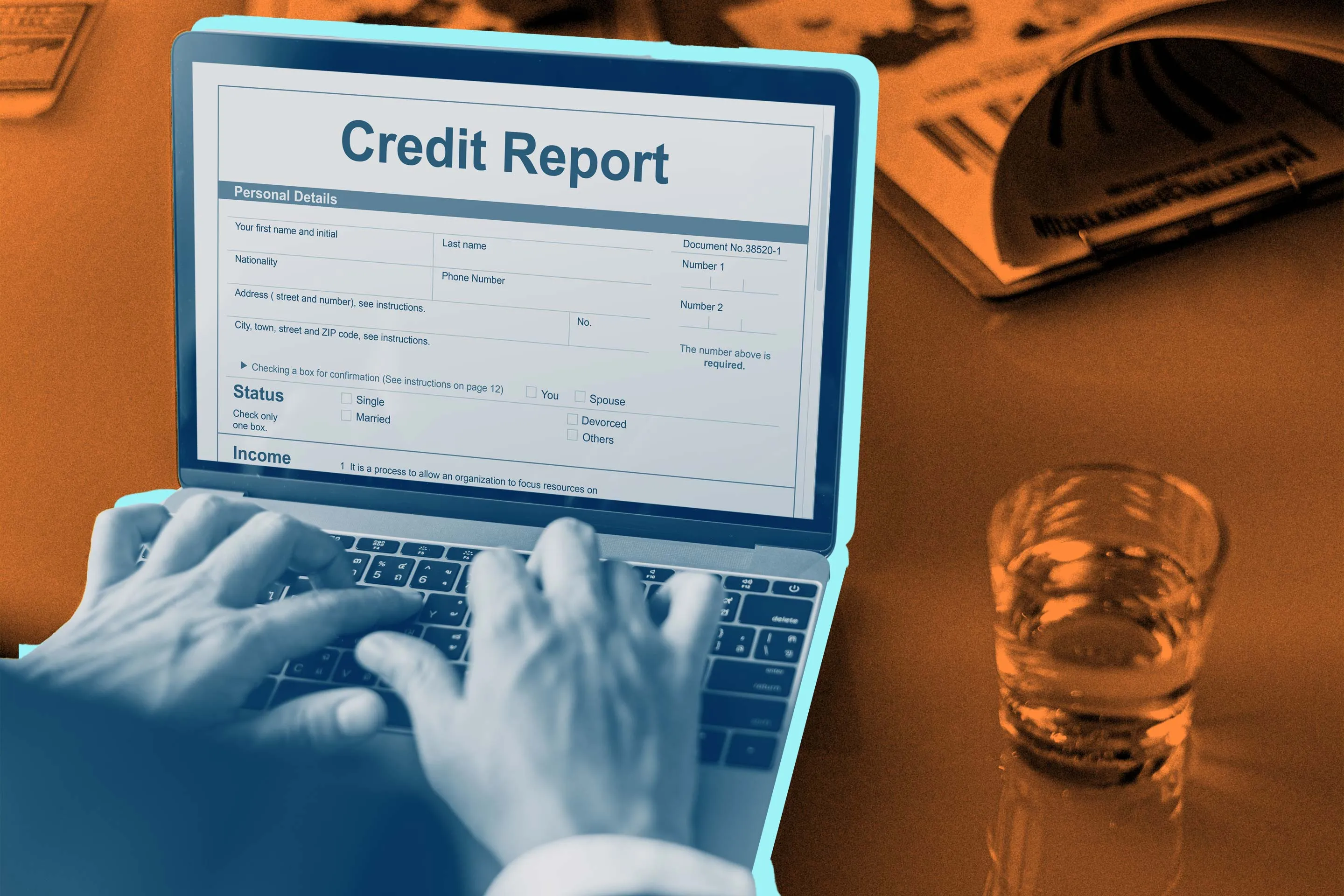
A dispute letter should be clear, concise, and comprehensive. It must explicitly state what information you believe is inaccurate, why it is incorrect, and include copies of any supporting documentation. This could range from bank statements and canceled checks proving on-time payments to official court documents refuting a bankruptcy claim, or even identity theft reports. The Consumer Financial Protection Bureau (CFPB) offers template letters and detailed guidance on what to include and how to organize supporting materials.
Under the FCRA, credit bureaus are legally obligated to investigate disputes within a specific timeframe, typically 30 days from the date they receive the dispute. This period can extend to 45 days if new information is provided during the investigation. During this time, the bureau will contact the information furnisher (the creditor or debt collector) to verify the accuracy of the disputed item. If the furnisher cannot verify the information, or if the investigation confirms the error, the item must be promptly corrected or deleted from your credit report.
Should the outcome of the dispute not be favorable, consumers are not without recourse. They have the right to add a "statement of dispute" to their credit report, a brief explanation (usually 100 words or less) that provides their side of the story for lenders reviewing their file. Furthermore, if a dispute is denied despite compelling evidence, consumers can escalate the issue by filing complaints with the CFPB and their state Attorney General’s office. These regulatory bodies can apply additional pressure on credit bureaus and furnishers to comply with consumer protection laws.
Engaging Directly with Creditors and Data Furnishers
While disputing with credit bureaus is often the primary route, consumers also have the option, and sometimes a more effective one, of directly contacting the creditor or debt collector that reported the inaccurate information. This dual-pronged approach can sometimes expedite resolution, as the furnisher may have more immediate access to the original account records.
Direct communication is particularly useful in situations involving simple billing errors, an incorrect balance reported, or when you don’t recognize the lender at all, suggesting a potential case of mistaken identity or clerical error. For instance, if a lender misreported a payment as late due to a system glitch, a direct call with supporting evidence (e.g., bank statements) might lead to a quicker correction.
Similar to disputes with credit bureaus, formal written communication is highly recommended when contacting furnishers. A dispute letter sent via certified mail, explaining the error and attaching relevant documents, is ideal. The FCRA also mandates that furnishers investigate disputes received directly from consumers. If their investigation confirms an inaccuracy, they are obligated to notify all three major credit bureaus to correct the information across your reports. This obligation ensures that a correction made with one entity propagates through the entire credit reporting system, preventing further discrepancies.
Strategies for Addressing Accurate But Detrimental Information
Not all negative items on a credit report are inaccurate. Many accurately reflect past financial missteps, such as late payments or collection accounts. While more challenging to remove, there are strategies that can sometimes mitigate their impact or even lead to their early deletion. It’s crucial, however, to approach these methods with caution, as contesting accurate information can sometimes backfire, potentially updating the item and restarting its reporting period.
-
Goodwill Deletion Requests: This strategy is best suited for isolated incidents, such as a single late payment, especially if you have an otherwise stellar payment history with the creditor. A goodwill letter appeals to the creditor’s discretion, explaining the circumstances that led to the late payment (e.g., medical emergency, temporary financial hardship, administrative oversight) and emphasizing your consistent payment history before and after the incident. The key is demonstrating that the late payment was an anomaly, not indicative of your usual financial behavior. Creditors are under no obligation to grant a goodwill deletion, but a well-articulated, polite request, especially after the account has been brought current, can sometimes succeed, particularly if you’re a long-standing customer.

-
Pay-for-Delete Agreements: This involves negotiating with a debt collector or creditor to remove a collection account from your credit report in exchange for payment of the debt (either in full or a negotiated partial amount). This is a controversial method, and many creditors and collection agencies will explicitly state that they cannot remove accurate information. Furthermore, it is paramount to get any pay-for-delete agreement in writing before making any payment. Without a written agreement, there’s no guarantee the item will be removed, and you might simply pay the debt while the negative entry remains on your report. Given the reluctance of many entities to agree to this, it remains a long shot, but some consumers have reported success, making it a viable consideration for those with older, persistent collection accounts.
It’s also worth noting the evolution of credit scoring models. Newer versions, such as VantageScore 4.0 and FICO Score 10T, place less emphasis on paid collection accounts or may even disregard them entirely. This means that even if a collection account cannot be deleted, paying it off can still significantly improve your credit standing under these more modern scoring algorithms. Therefore, focusing on paying down debt, even if removal isn’t guaranteed, remains a robust strategy for long-term credit improvement.
Considering Professional Credit Repair Services
While consumers possess the legal right and capability to dispute credit report errors independently and for free, some may opt for professional assistance. Credit repair companies specialize in navigating the dispute process on behalf of consumers. This can be particularly appealing for individuals facing a multitude of errors, especially those resulting from identity theft, or for those who simply prefer a hands-off approach due to time constraints or a lack of confidence in handling the process themselves.
However, the credit repair industry has historically been plagued by scams and questionable practices. The Credit Repair Organizations Act (CROA) provides some federal protection, prohibiting credit repair organizations from making false claims or charging for services before they are rendered. Consumers must exercise extreme caution and conduct thorough research before engaging any credit repair service. Key vetting steps include checking their reputation with the Better Business Bureau, verifying their registration with state authorities, and being wary of companies that demand upfront fees, promise guaranteed results, or advise consumers to create new credit identities. Legitimate services can save time and effort, but the cost must be weighed against the fact that much of their work involves actions consumers can perform independently at no charge. Alternatively, non-profit credit counseling agencies offer guidance on budgeting and debt management, often providing support for credit report review and dispute initiation as part of their broader services, typically at a much lower cost or for free.
Broader Implications and Cultivating Long-Term Credit Health
Removing negative items from a credit report is a critical step, but it is ultimately one component of a holistic approach to financial well-being. The immediate benefit is often a significant boost in credit scores, which translates into tangible financial advantages, such as lower interest rates on loans, better insurance premiums, and improved eligibility for housing and employment. This immediate impact can be profound; for instance, a 100-point jump in a credit score can mean the difference between qualifying for a mortgage at 7% versus 6%, saving hundreds of dollars monthly and tens of thousands over the life of the loan.
Beyond the immediate fix, cultivating long-term credit health requires proactive management. This includes consistent on-time payments, maintaining low credit utilization (the percentage of your available credit you’re currently using), avoiding opening too many new credit accounts in a short period, and regularly monitoring credit reports for new errors or suspicious activity. Understanding the intricate mechanics of credit reporting and actively engaging with one’s financial profile empowers individuals to take control, not only rectifying past issues but also building a resilient financial future. The ability to effectively dispute and remove negative items from a credit report is therefore not merely a technical task but a fundamental aspect of financial literacy and personal empowerment in today’s credit-driven economy.