admin
admin
In a significant strategic pivot, accounting firms are increasingly adopting white-label payroll solutions to expand their service offerings, enhance client retention, and secure new revenue streams beyond traditional tax and bookkeeping services. This move represents a proactive response to evolving client demands and a competitive landscape that necessitates more comprehensive, integrated financial management solutions. Firms that already manage client finances, data, and critical deadlines are uniquely positioned to offer payroll, a service widely recognized within the industry as one of the most "sticky" due to its recurring nature and integral role in business operations. The integration of white-label payroll software now simplifies this expansion, making it more accessible for firms of all sizes.
The Evolving Landscape of Accounting Services
For decades, the accounting profession has been anchored in compliance-focused services: tax preparation, audits, and basic bookkeeping. However, the digital transformation and increasing complexity of business operations have spurred a demand for more proactive and integrated financial guidance. Small and medium-sized businesses (SMBs), in particular, often struggle with the administrative burden of payroll, regulatory compliance, and the fragmentation of services across multiple providers. This fragmentation can lead to inefficiencies, communication breakdowns, and increased operational risk.
According to recent industry analyses, the global payroll outsourcing market is projected to reach significant valuations, indicating a robust and growing demand for specialized payroll services. While large enterprises often opt for dedicated payroll service providers, SMBs frequently prefer a single point of contact for their financial needs. This preference presents a substantial opportunity for accounting firms to consolidate services, offering a seamless, integrated experience that covers everything from tax planning to routine payroll processing. The strategic advantage for accounting firms lies in their pre-existing relationships of trust and their intimate understanding of clients’ financial health.
The Strategic Advantage of White-Label Payroll
White-label payroll software empowers accounting firms to offer payroll services under their own brand, maintaining a consistent client experience and reinforcing their identity as a comprehensive financial partner. This approach allows firms to:
- Offer a Full Suite of Services: Expand beyond tax and bookkeeping to include payroll processing, tax filings, and year-end forms.
- Maintain Brand Consistency: Deliver services under the firm’s own name, logo, and client portal, strengthening brand loyalty.
- Centralize Client Management: Provide a unified platform for clients, reducing the need for multiple logins and disparate systems.
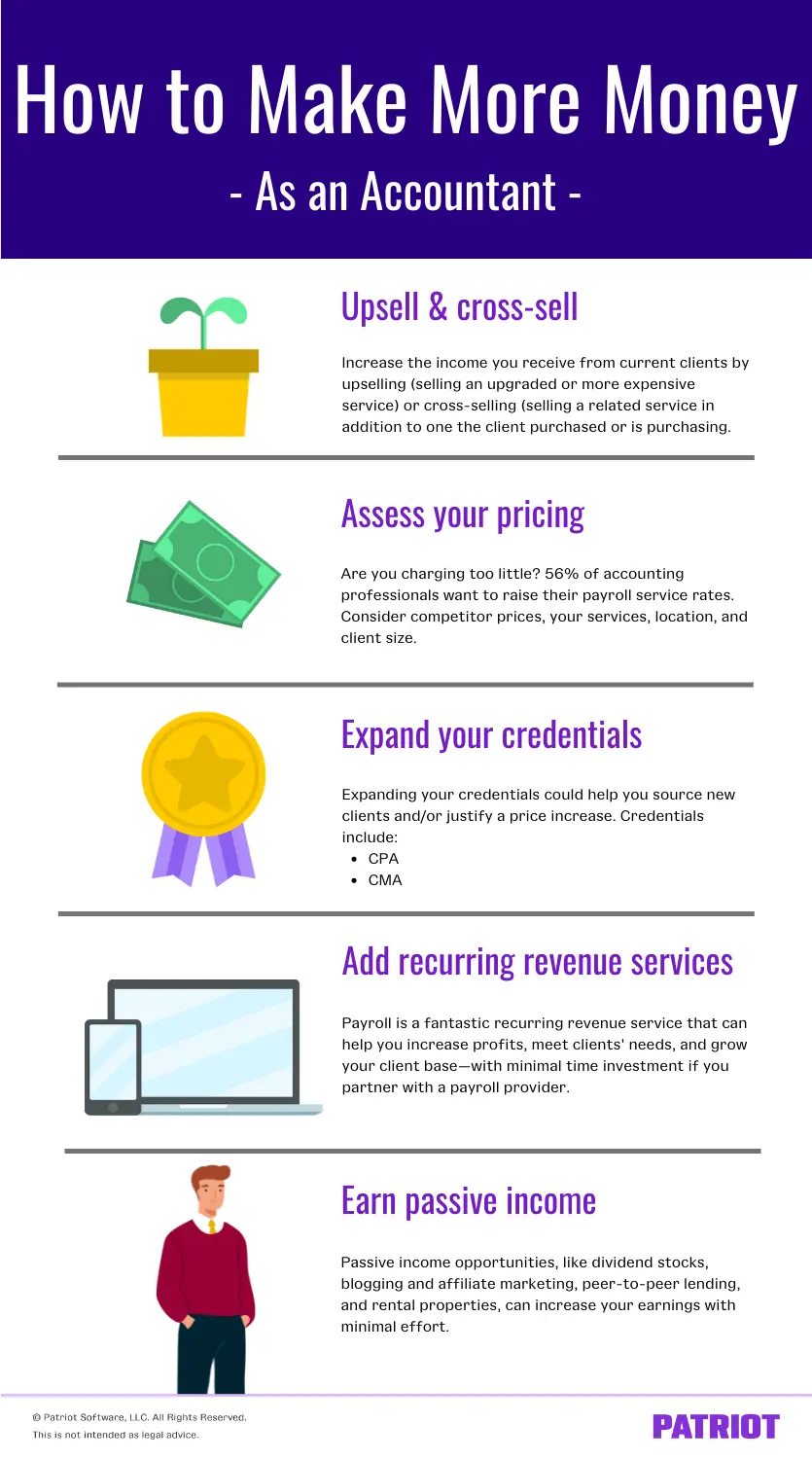
- Generate Recurring Revenue: Transition from seasonal or project-based work to a stable, monthly income stream.
- Enhance Client Retention: "Sticky" services like payroll significantly increase client loyalty, as switching providers becomes a more complex undertaking.
- Streamline Operations: Leverage robust software for efficient processing, compliance, and reporting.
The adoption of white-label solutions is not new; it has permeated various industries from web hosting to financial technology. In accounting, it addresses a critical gap, allowing firms to leverage advanced technological capabilities without the prohibitive cost or development time associated with building proprietary systems. This allows firms to focus on client relationships and advisory services, rather than the technical backend of software development and maintenance.
A Phased Approach to Service Integration
The successful introduction of white-label payroll services requires a well-defined strategy, starting with careful client segmentation and value proposition development. Accounting firms are typically advised to implement this expansion through several key phases:
Phase 1: Identifying Optimal Prospects Within Existing Client Base
Not all tax clients are immediately ready for payroll services. Firms strategically identify prospects most likely to benefit, focusing on those with specific characteristics:
- Businesses with Employees: This is the most direct indicator. Firms identify clients currently managing payroll in-house, perhaps inefficiently, or those outsourcing to a separate provider.
- Growth-Oriented Businesses: Clients planning to hire new employees or expanding their operations represent a future need for streamlined payroll.
- Clients Expressing Administrative Burdens: Those frequently complaining about the complexity of payroll, tax compliance, or HR tasks are prime candidates.
- Clients with Compliance Challenges: Businesses that have faced penalties or issues related to payroll tax filings signal a clear need for expert management.
- New Businesses or Start-ups: These entities often lack established payroll systems and are seeking comprehensive support from the outset.
By focusing on these segments, firms can tailor their outreach and demonstrate immediate value, increasing the likelihood of conversion.
Phase 2: Defining a Client-Centric Value Proposition
While the technology behind "white-label payroll software" is a firm’s enabler, clients are primarily concerned with the benefits to their own operations. Therefore, firms translate the technical solution into tangible advantages. The value proposition often centers on:
- Time Savings: Freeing up business owners and their staff from tedious payroll administration.
- Reduced Compliance Risk: Ensuring accurate and timely tax filings, avoiding penalties.
- Improved Accuracy: Minimizing errors in calculations, deductions, and reporting.
- Simplified Operations: Consolidating financial tasks under one trusted advisor, reducing complexity and multiple vendor management.
- Enhanced Focus on Core Business: Allowing clients to dedicate more resources and attention to strategic growth rather than administrative chores.
A common articulation might be: "We now offer comprehensive in-house payroll services, consolidating your payroll processing, tax filings, and year-end forms under one roof. This allows you to reclaim valuable time and focus entirely on driving your business forward, confident that your employee compensation is managed expertly and compliantly."
Phase 3: Leveraging Peak Engagement Periods for Introduction
Tax season, while intensely busy, presents an unparalleled opportunity for firms to introduce new services. It is during this period that clients are most acutely aware of their financial records, the pain points of disorganized data, and the importance of accurate reporting.
During tax review meetings, accounting professionals subtly introduce the topic by asking probing questions:
- "How smooth was your payroll process this past year?"
- "Did you encounter any challenges with payroll tax filings or deadlines?"
- "Are you confident your payroll is fully compliant with the latest regulations?"
These questions naturally bridge into a discussion of the firm’s new payroll offerings, positioned as a solution to observed or anticipated pain points. For instance, a firm might state: "We’ve observed that many clients find payroll administration burdensome. To help streamline operations and ensure a smoother tax season next year, we’ve integrated a new in-house payroll service to manage your monthly payroll and tax obligations."
Furthermore, firms often include a concise, one-page overview of their payroll services within client tax packets. This material typically outlines:
- Services Included: What the firm handles (e.g., direct deposit, tax filings, new hire reporting).
- Key Benefits: How the service simplifies the client’s life.
- Pricing Structure: A clear, tiered pricing model.
- Call to Action: How clients can learn more or sign up.
Some white-label payroll providers, like Patriot Software, support their accounting partners by offering co-brandable marketing materials, further simplifying this outreach effort.
Phase 4: Sustained Client Communication and Engagement
Beyond tax season, consistent communication is crucial. Firms utilize email campaigns to announce, remind, and educate clients about their payroll services. These communications are carefully crafted to be informative and non-intrusive.
- Announcement Emails: Inform clients of the new service, emphasizing the convenience of having payroll handled by a trusted advisor.
- Pain Point/Solution Emails: Address common payroll challenges (e.g., late filings, confusing notices, manual processes) and present the firm’s service as the solution.
- Deadline Reminders: Use upcoming payroll-related dates (quarter-end, year-end) as opportunities to remind clients of the available service.
Additionally, firms integrate payroll discussions into regular client check-ins and review meetings. A simple question like, "Are you satisfied with your current payroll setup, or is it an area you’d consider us handling for you?" opens a natural dialogue and allows the firm to present solutions if the client expresses dissatisfaction.
Phase 5: Transparent Service Packaging and Pricing
Clarity in service packaging and pricing is paramount for client adoption. Business owners seek straightforward information on what is included and the associated costs. Firms typically adopt transparent pricing models, often combining a base monthly fee with a per-employee charge.
To cater to diverse client needs, tiered service levels are frequently offered:
- Basic: Core payroll processing, including direct deposit and pay stubs.
- Standard: Includes basic services plus payroll tax filing and deposits, and fundamental support.
- Premium: Encompasses all standard features, augmented with advisory calls, HR support integration, or more advanced reporting.
This tiered approach allows clients to choose a service level that aligns with their budget and operational complexity, while providing firms with flexibility in revenue generation.
Phase 6: The Imperative of Co-Branding and Provider Selection
The essence of white-labeling is to present the service as a proprietary offering. Firms leverage their chosen software to:
- Customize Client Portals: Clients access a portal branded with the accounting firm’s logo and colors.
- Brand Client Communications: Pay stubs, tax forms, and other client-facing documents carry the firm’s branding.
- Integrate with Existing Systems: Ensure seamless data flow with other accounting or financial management tools.
Selecting a reliable white-label payroll provider is a critical decision. Firms conduct thorough due diligence, evaluating providers based on software functionality, customer support, compliance features, security protocols, and accountant-specific benefits (e.g., discounted pricing, consolidated billing, co-branding options). The firm’s reputation is intrinsically linked to the performance of its chosen software partner, underscoring the importance of trust and reliability.
Economic and Operational Impact
The shift towards offering white-label payroll carries significant economic and operational implications for accounting firms and their clients. For firms, it transforms a seasonal business model into a predictable, recurring revenue stream, improving cash flow stability and long-term financial planning. Industry data suggests that firms successfully integrating multiple services often report higher client lifetime value and lower churn rates compared to those offering only single-point solutions. This expansion also positions firms as indispensable strategic partners rather than mere compliance providers, opening doors for higher-value advisory services.
For clients, the benefits are equally compelling. Consolidating payroll with their trusted accountant simplifies administrative overhead, reduces the likelihood of errors and penalties, and ensures a cohesive approach to financial management. This integration allows business owners to redirect valuable time and resources from operational tasks to strategic growth initiatives, fostering a more robust and compliant business environment.
Expert Insights and Industry Outlook
Industry experts widely view the adoption of white-label payroll as a necessary evolution for accounting firms aiming to remain competitive and relevant. "The modern small business owner expects a holistic financial partner, not just a tax preparer," states one financial services analyst. "Firms that embrace technology to expand their service offerings are not just adapting; they are leading." This sentiment is echoed by accounting professionals who report increased client satisfaction and deeper relationships when offering integrated services. The move also helps firms attract and retain talent, as professionals are increasingly drawn to firms that offer diverse, value-added services and leverage modern technology.
The future of accounting undoubtedly lies in proactive, advisory-driven services. White-label payroll is a powerful tool in this transition, enabling firms to fortify their client relationships, enhance their market position, and cultivate sustainable growth in an increasingly integrated business world.
Conclusion
The strategic integration of white-label payroll services represents a pivotal evolution for accounting firms. By leveraging existing client trust and advanced technological solutions, firms can expand their service portfolio, transition to recurring revenue models, and solidify their role as indispensable financial partners. This proactive approach not only addresses critical client needs but also ensures the long-term viability and growth of accounting practices in a dynamic business landscape. Firms prepared to identify prospects, articulate clear value, and execute a phased implementation plan are poised to transform their tax clients into year-round, deeply engaged payroll clients.