Lina Irawan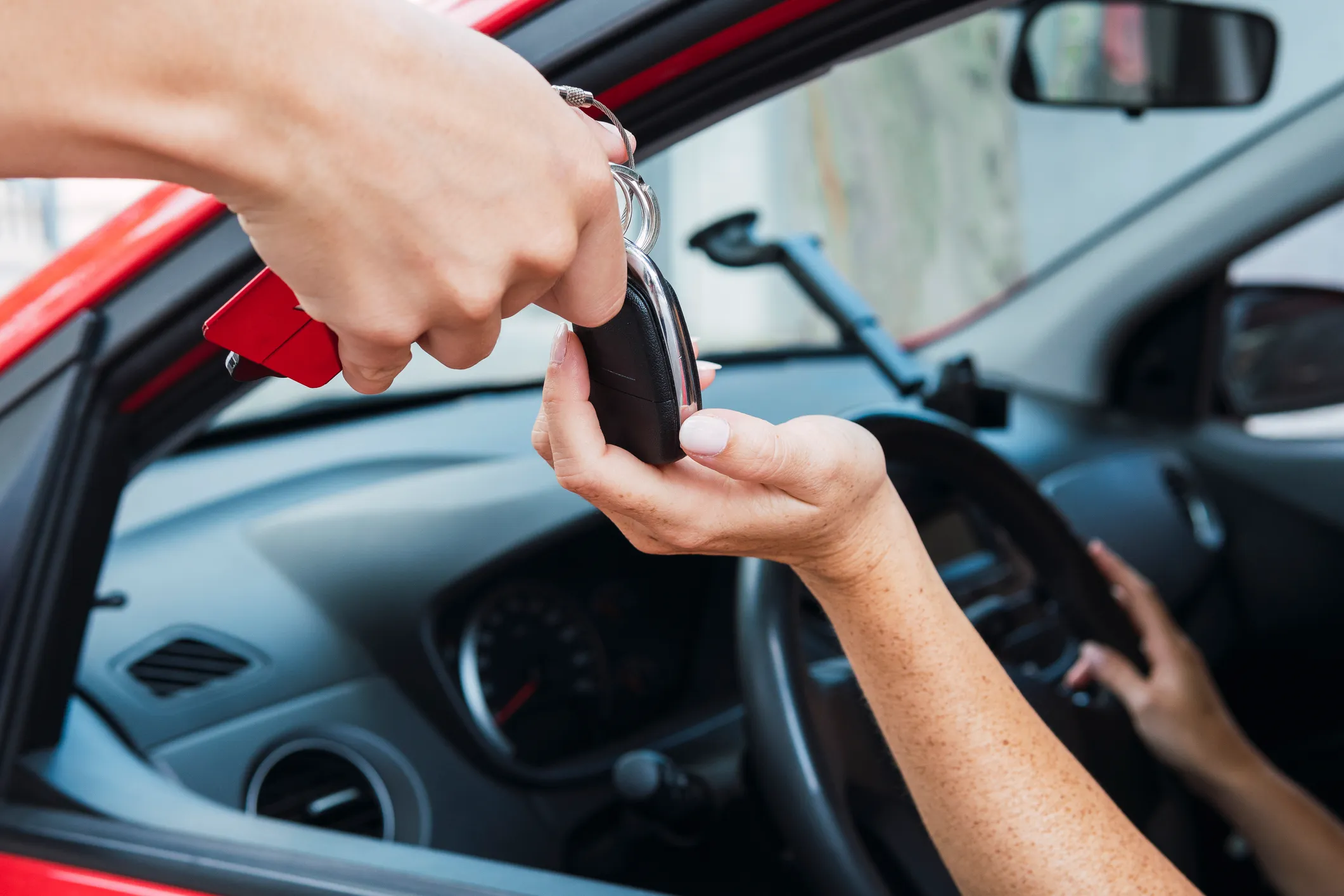
The allure of a used car often lies in its potential to deliver significant savings compared to a new model. However, this economic advantage is only realized if the chosen vehicle proves reliable and safe in the long term. A crucial, yet frequently overlooked, step in the used car buying process is conducting a thorough recall check. This proactive measure can prevent future financial burdens, mitigate serious safety risks, and provide invaluable peace of mind for buyers navigating the complexities of the pre-owned automotive market.
Understanding Automotive Recalls: A Primer on Safety Standards
At its core, an automotive recall is a notification issued by a manufacturer when a vehicle or one of its components is found to have a safety defect or fails to comply with federal safety standards. These standards are primarily enforced in the United States by the National Highway Traffic Safety Administration (NHTSA), an agency of the U.S. federal government that is part of the Department of Transportation. The NHTSA’s mandate, established under the National Traffic and Motor Vehicle Safety Act of 1966, is to save lives, prevent injuries, and reduce economic costs due to road traffic crashes through education, research, safety standards, and enforcement.
The types of defects that can trigger a recall are diverse and can range from critical mechanical failures to subtle software glitches. Common examples include issues with braking systems, steering components, airbags, seat belts, fuel systems (posing fire risks), electrical systems, and even tires. In recent years, with the increasing sophistication of modern vehicles, recalls related to software vulnerabilities, advanced driver-assistance systems (ADAS), and complex electronic controls have become more prevalent. When a recall is issued, it signifies that the manufacturer, under NHTSA oversight, has identified a condition that poses an unreasonable risk to safety or violates a federal motor vehicle safety standard.
The Scale of the Issue: Data and Trends in Vehicle Recalls
The notion that recalls are rare occurrences affecting only a handful of vehicles is a dangerous misconception. In reality, automotive recalls are a pervasive aspect of the industry, impacting millions of vehicles annually. According to data compiled by Carfax, a leading provider of vehicle history reports, an astonishing 57.7 million cars in the U.S. had open safety recalls in 2024. This translates to approximately one out of every five vehicles on American roads carrying an unaddressed safety concern. This statistic alone underscores the imperative for every used car buyer to perform a recall check.
Historically, the automotive industry has witnessed numerous large-scale recalls that have profoundly impacted public safety and consumer trust. One of the most infamous examples is the Takata airbag recall, which began in 2013 and eventually became the largest automotive recall in U.S. history, affecting tens of millions of vehicles from nearly two dozen different automakers. The defect involved ammonium nitrate propellant that could degrade over time, causing airbags to explode upon deployment and spray metal shrapnel into the vehicle cabin, leading to numerous injuries and fatalities. Another significant event was the General Motors ignition switch recall in 2014, which involved faulty ignition switches that could inadvertently turn off the engine, disabling power steering, power brakes, and airbags. This defect was linked to over 100 deaths and hundreds of injuries. The Toyota "unintended acceleration" recalls in the late 2000s also highlighted how seemingly minor issues could escalate into major safety crises, affecting millions of vehicles globally.
These historical events serve as stark reminders of the potentially devastating consequences of unaddressed safety defects and illustrate the critical role that robust recall systems play in protecting the public. The sheer volume of recalls, coupled with the increasing complexity of vehicle technology, suggests that this trend is likely to continue, making continuous vigilance an essential part of vehicle ownership and acquisition.
The Recall Process: From Discovery to Resolution
The journey of an automotive recall typically follows a structured process, beginning with the identification of a potential defect. This identification can originate from several sources:
- Manufacturer’s Internal Investigations: Automakers continuously monitor warranty claims, field reports, and internal testing data.
- Consumer Complaints: Owners reporting issues to manufacturers or directly to NHTSA’s Office of Defects Investigation (ODI).
- NHTSA Investigations: The ODI actively investigates potential safety defects based on consumer complaints, early warning data, and other intelligence. If a defect trend is identified, NHTSA may open an engineering analysis or a preliminary evaluation.
Once a potential defect is identified and confirmed to pose an unreasonable risk to safety or violate a federal standard, the manufacturer is legally obligated to initiate a recall. If a manufacturer is reluctant, NHTSA has the authority to compel a recall. Following the decision to recall, the manufacturer must submit a detailed plan to NHTSA outlining the defect, the affected vehicles, the safety risk, and the proposed remedy.
A crucial step in the process is owner notification. Manufacturers are required to send recall notices by first-class mail to all registered owners of affected vehicles. These letters typically describe the defect, the associated safety risks, and instructions on how to obtain the free repair. However, due to changes in vehicle ownership, inaccurate mailing addresses, or owners simply overlooking these notices, a significant number of recalled vehicles remain unrepaired.
The remedy itself, whether it’s a repair, replacement, or refund, must be provided free of charge to the vehicle owner. This is a critical consumer protection feature of the recall system. Authorized dealerships are responsible for performing these repairs, regardless of whether the vehicle is still under warranty or if the current owner is not the original purchaser. The manufacturer also has obligations regarding the availability of parts and the promptness of repairs.
Navigating the Used Car Market: Why Recall Checks are Indispensable
In the used car market, the importance of recall checks cannot be overstated. Unlike new vehicles, which typically have a clear ownership history and are subject to immediate recall remedies, used cars present a unique set of challenges. A vehicle that appears cosmetically pristine and mechanically sound on a test drive might harbor a critical safety defect that could manifest unexpectedly, leading to dangerous situations or costly repairs.
The financial implications of neglecting a recall check are significant. While the repair itself is free, an unrepaired defect can lead to secondary damage, premature wear on other components, or even a total loss of the vehicle in the event of an accident attributed to the defect. The cost of such repairs, insurance deductibles, or medical expenses far outweighs the minimal effort required for a recall check. Furthermore, an open recall can negatively impact the resale value of a vehicle, making it harder to sell later.
From a legal standpoint, it is generally legal for private sellers and, in many states, even used car dealerships to sell vehicles with open recalls, provided they disclose the information. However, the ethical responsibility to ensure a safe product remains. For buyers, the asymmetry of information means they must proactively seek out details that sellers may not be legally or practically obligated to provide upfront. A recall check empowers the buyer with critical safety data, leveling the playing field.
Executing a Recall Check: Leveraging the NHTSA Lookup Tool
Fortunately, the process for checking for open recalls is straightforward and readily accessible. The NHTSA provides a free online lookup tool on its website (www.nhtsa.gov/recalls) that allows consumers to quickly determine if a specific vehicle has any outstanding safety recalls.
The primary piece of information required for this tool is the vehicle’s 17-character Vehicle Identification Number (VIN). The VIN is a unique identifier assigned to every motor vehicle and serves as its digital fingerprint. Buyers should always insist on obtaining the VIN from the seller before any serious negotiations.
The VIN can typically be found in several locations:
- Lower Left Corner of the Windshield: Visible from outside the car, looking through the windshield.
- Driver-Side Door Jamb Label: On a sticker usually located on the B-pillar when the driver’s door is open.
- Vehicle Registration Card: Issued by the state’s department of motor vehicles.
- Insurance Documents: On the insurance policy or proof of insurance card.
- Title Document: The official ownership certificate.
While a license plate number can sometimes be used for broader searches on third-party sites, the 17-character VIN is the most accurate and reliable input for the official NHTSA tool.
Once the VIN is entered into the NHTSA lookup tool, it will provide comprehensive information about any recalls issued within the past 15 calendar years that pertain to that specific vehicle. This includes details on whether the recall is "open" (unrepaired) or "closed" (repaired), a description of the defect, the potential safety consequences, and the recommended remedy. It’s important to note that while this tool is invaluable for recall information, it does not provide details about a vehicle’s accident history, maintenance records, or mechanical condition. These aspects require separate due diligence, such as obtaining a vehicle history report (e.g., Carfax, AutoCheck) and arranging a pre-purchase inspection by an independent mechanic.
Addressing an Open Recall: Strategic Considerations for Buyers
Discovering an open recall on a prospective used car is not necessarily a deal-breaker, but it warrants careful consideration and strategic action. The fundamental principle is that recall repairs are performed free of charge by any authorized dealership for that vehicle’s make, regardless of the vehicle’s age, mileage, or whether you are the original owner. This means the financial burden of the repair itself is not on the buyer.
However, buyers should assess several factors:
- Severity of the Defect: Not all recalls carry the same level of urgency or risk. A minor trim piece recall is vastly different from a defect affecting brakes, steering, airbags, or posing a fire risk. Buyers should carefully read the defect description and potential safety consequences provided by the NHTSA tool. Critical safety defects should always be prioritized.
- Rarity of Parts and Repair Complexity: For common vehicle models, parts for recall repairs are usually readily available, and the service can be completed relatively quickly. However, for rarer or exotic models, or in cases of widespread recalls, there might be delays in obtaining parts or scheduling the repair. Buyers should inquire about the typical repair time and part availability.
- Negotiation Leverage: An open recall provides a legitimate point for negotiation. Buyers can request that the seller take responsibility for having the recall repair completed before the sale is finalized. This ensures the vehicle is safe at the point of purchase. Alternatively, buyers can use the inconvenience or potential delay of the recall repair as leverage to negotiate a lower purchase price, provided they are comfortable managing the repair themselves post-purchase.
- When to Walk Away: Despite the free repair, certain serious safety issues should prompt a buyer to reconsider the purchase entirely. Defects involving fundamental safety systems like brakes, steering, airbags, seat belts, or those with a high risk of fire or loss of power, represent significant liabilities. Even if the repair is free, the inherent risk involved in driving such a vehicle, or the potential for residual issues, might outweigh any perceived deal. Consumer safety advocates often recommend avoiding vehicles with unaddressed critical safety recalls.
Post-Purchase Vigilance: Ongoing Recall Monitoring
The responsibility of checking for recalls does not end once a used car is purchased. Automotive recalls are a dynamic phenomenon, with new defects being discovered and new recalls issued continuously. Therefore, it is prudent for all vehicle owners, including those of used cars, to maintain ongoing vigilance.
The NHTSA recommends checking for recalls at least twice per year. This can be easily done using the same VIN lookup tool on their website. Furthermore, the NHTSA offers the "SaferCar" app, available for both iOS and Android devices, which allows users to register their vehicle’s VIN and receive real-time alerts if a new recall is issued for their specific model. This proactive approach ensures that owners are promptly informed of any new safety concerns that may arise, enabling them to schedule repairs without delay. This practice is equally important for vehicles that have been owned for years, as recalls can be issued for older models long after their initial sale.
Broader Implications: Consumer Safety, Industry Accountability, and Market Dynamics
The rigorous system of automotive recalls and the emphasis on consumer checks have far-reaching implications beyond individual transactions. They underscore a broader commitment to public safety, industry accountability, and the healthy functioning of the automotive market.
For consumers, robust recall systems provide an essential layer of protection, empowering them with information to make safer and more informed purchasing decisions. It fosters a sense of trust that regulatory bodies are actively working to ensure the safety of vehicles on the road.
For the automotive industry, recalls serve as a powerful mechanism for accountability. Manufacturers are incentivized to design and produce safer vehicles, knowing that defects will be identified and that they bear the financial and reputational cost of recalls. This continuous pressure drives innovation in safety features and manufacturing processes. The collaboration between manufacturers, suppliers, and regulatory bodies like NHTSA is critical in promptly addressing safety issues and maintaining public confidence.
In terms of market dynamics, the ease of access to recall information contributes to greater transparency in the used car market. This transparency can influence vehicle values, as models with a history of numerous or severe recalls may command lower prices. Conversely, vehicles with a clean recall history or with all recalls promptly addressed may be more desirable. This mechanism helps to correct market inefficiencies where information asymmetry could otherwise put buyers at a significant disadvantage.
Beyond Recalls: A Holistic Approach to Used Car Buying
While performing a recall check is an indispensable step, it is just one component of a comprehensive due diligence process when buying a used car. A holistic approach to used car acquisition should integrate several key actions to ensure both safety and financial soundness:
- Pre-Purchase Inspection (PPI): Always arrange for an independent, certified mechanic to perform a thorough inspection of the vehicle. This goes beyond what a recall check or history report can reveal, identifying current mechanical problems, potential future repair needs, and any signs of undisclosed damage.
- Vehicle History Reports: Services like Carfax or AutoCheck provide detailed reports on a vehicle’s past, including accident history, previous ownership, odometer discrepancies, and reported maintenance. While these reports may sometimes mention recalls, the official NHTSA tool is the definitive source for recall status.
- Test Drive: A comprehensive test drive in various conditions (city, highway, braking, turning) is crucial to assess the vehicle’s performance, handling, and comfort.
- Maintenance Records: Requesting past maintenance records from the seller can provide insight into how well the vehicle has been cared for and predict future service needs.
By diligently combining a recall check with these other essential steps, used car buyers can significantly reduce their risk exposure, make a more informed investment, and ultimately drive away with a vehicle that offers both value and, most importantly, safety. The effort invested upfront is a small price to pay for the long-term benefits of a reliable and secure mode of transportation.