Julia Chirkova
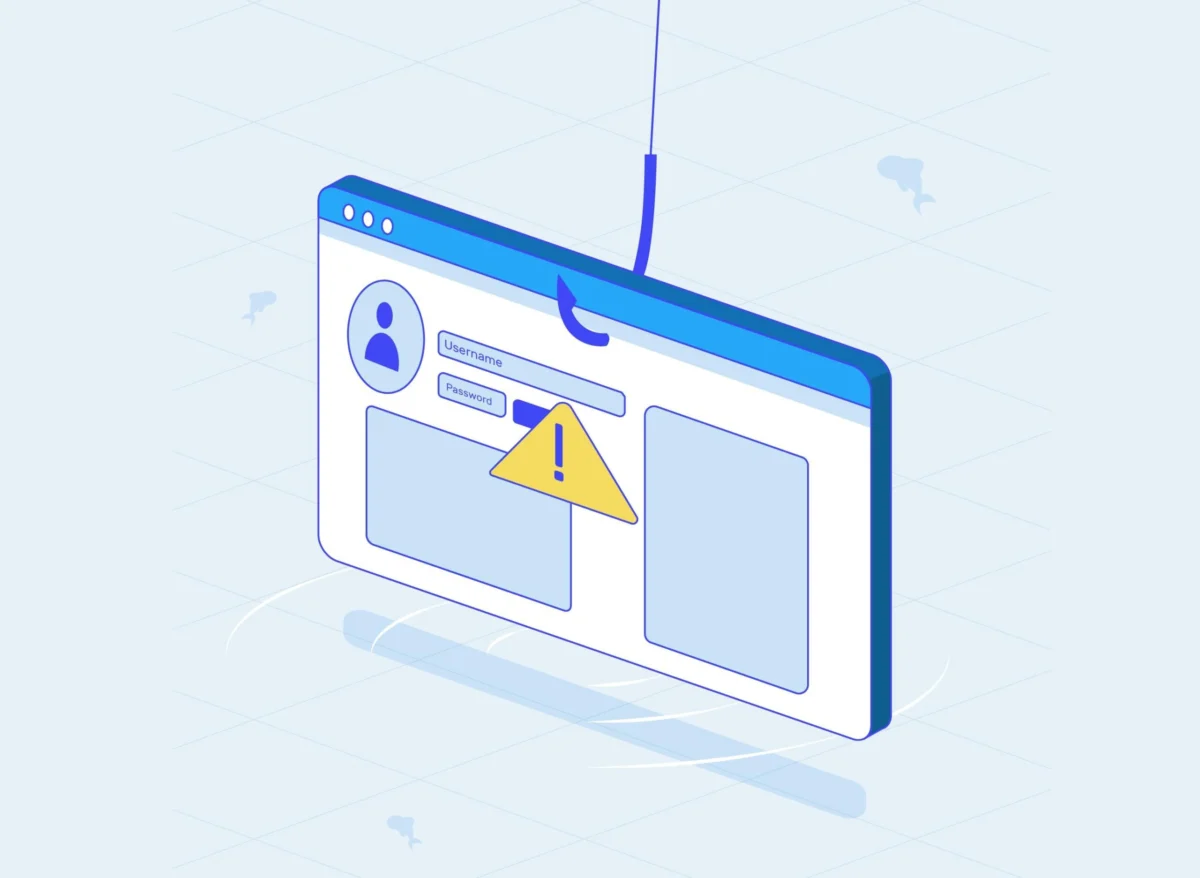
As tax professionals brace for the upcoming filing season, a critical alert has been issued by the Internal Revenue Service (IRS) and its Security Summit partners. This collaborative initiative, comprising tax industry leaders and cybersecurity experts, is sounding the alarm on a significant surge in sophisticated phishing and data theft schemes targeting accounting firms. The warning, initially disseminated in August 2026, remains acutely relevant as the industry navigates periods of high stress and increased digital vulnerability. Attackers are strategically exploiting the demanding nature of tax season, leveraging moments of fatigue and urgency to infiltrate firms and steal sensitive taxpayer information.
The core of this threat lies in deceptive emails and other digital communications designed to mimic legitimate correspondence. These fraudulent messages often masquerade as official IRS communications, requests from prospective clients, or urgent internal alerts, aiming to trick busy tax professionals into compromising their systems. The IRS and its partners have specifically identified spear phishing, clone phishing, and whaling attacks as prevalent tactics. These methods are characterized by their targeted and personalized nature, making them particularly effective against individuals and organizations with access to valuable financial data.
The Anatomy of a Targeted Attack: A Hypothetical Busy-Season Scenario
To illustrate the tangible risks, consider a hypothetical scenario within a six-person Certified Public Accountant (CPA) firm during the peak of the tax season, perhaps in February. A new individual, posing as a prospective client, initiates contact via email. This individual claims to require assistance with a delayed tax return and, crucially, attaches a file ominously labeled "W-2s and 1099s." In the high-pressure environment of tax season, where deadlines loom and client needs are paramount, a preparer, operating under duress, might be tempted to open the attached file without thorough scrutiny.
The act of opening this seemingly innocuous attachment can have devastating consequences. Unbeknownst to the user, the file quietly installs sophisticated remote-access software onto the firm’s network. This malware grants attackers covert entry, allowing them to operate undetected for a period of time. Over the ensuing week, the perpetrators meticulously gather critical client data, including Social Security numbers, and the firm’s Electronic Filing Identification Number (EFIN) – a vital credential for submitting tax returns electronically. Armed with this information, the attackers then proceed to file fraudulent tax returns in the names of the firm’s unsuspecting clients. The firm’s awareness of this breach typically comes only when clients begin to report that their legitimate tax returns have been rejected due to prior fraudulent filings. The aftermath of such an attack is a cascade of complex and time-consuming recovery efforts, involving not only the IRS and state tax agencies but also affected clients and potentially the firm’s cyber insurance provider.
This chilling scenario underscores a critical point: the success of such an attack does not necessitate advanced hacking expertise. It hinges on a single human error – the act of opening a malicious attachment during a moment of professional distraction. The IRS has consistently emphasized that human vigilance remains a primary defense against these evolving cyber threats.
Phishing Tactics: Exploiting Familiar Workflows in Accounting Firms
Cybercriminals are adept at crafting phishing lures that seamlessly integrate into the daily operations of accounting firms. Their effectiveness stems from their ability to mirror legitimate business communications and processes, making them difficult to distinguish from genuine requests. Professionals within these firms are urged to maintain a heightened state of awareness for several common phishing vectors:
- Impersonation of Tax Authorities: Emails purportedly from the IRS, state tax agencies, or other governmental bodies requesting immediate action, such as updating account information, verifying credentials, or responding to an urgent inquiry about tax filings. These often carry urgent calls to action and may include fake links to official-looking websites.
- Deceptive Client Communications: Messages that appear to originate from clients, requesting the transmission of sensitive tax documents, often via unsecured methods like email attachments or external file-sharing links. These can be disguised as follow-ups to previous conversations or urgent requests for information needed to meet a deadline.
- Fake Invoice and Payment Scams: Emails that mimic legitimate vendor invoices or payment requests, often with urgent payment deadlines. Clicking on these links or opening attached invoices can lead to malware installation or credential theft.
- Urgent IT or Software Alerts: Communications that appear to be from the firm’s IT provider or a software vendor, warning of security issues or requiring an immediate update or verification of account details. These are designed to prompt a swift, unthinking response.
- Spoofed Internal Communications: Emails that are forged to look like they originate from a senior partner or manager within the firm, requesting sensitive information or instructing staff to perform a specific action.
The IRS, in its security advisories, has repeatedly highlighted the dangers of spear phishing, where attackers conduct thorough research to tailor their messages to specific individuals or organizations. Clone phishing involves taking a legitimate email, copying its content, and replacing the original links or attachments with malicious ones. Whaling attacks, a more targeted form of spear phishing, specifically targets high-level executives or individuals with privileged access, aiming to compromise the entire organization.
Proactive Defense: Essential Steps for Firm Leaders and IT Departments
To combat the escalating threat landscape, firm leaders and their IT departments must implement a robust, multi-layered defense strategy. This proactive approach is crucial for safeguarding client data and maintaining the firm’s reputation and operational integrity. Key steps include:
- Mandatory and Ongoing Security Awareness Training: All staff members, from administrative personnel to senior partners, must receive comprehensive and regular training on identifying and responding to phishing attempts. This training should go beyond basic principles and include real-world examples, simulated phishing exercises, and clear protocols for reporting suspicious activities. The IRS recommends that such training be a continuous process, not a one-time event, to keep pace with evolving threat tactics.
- Implementing Multi-Factor Authentication (MFA): MFA should be enforced across all firm accounts and systems, especially for access to client data, email, and tax preparation software. MFA adds a critical layer of security, requiring users to provide two or more verification factors to gain access, significantly mitigating the risk of unauthorized access even if credentials are compromised.
- Establishing Clear Protocols for Handling Sensitive Data: Firms must have strict policies in place for how client data is collected, stored, and transmitted. This includes mandating the use of secure, encrypted portals for document exchange, rather than relying on unsecured email. Training should emphasize the unsuitability of email for transmitting Personally Identifiable Information (PII) like Social Security numbers.
- Developing and Practicing Incident Response Plans: Every firm needs a well-defined and regularly practiced incident response plan. This plan should outline the steps to be taken in the event of a suspected or confirmed security breach, including who to contact, how to isolate affected systems, and how to communicate with clients and regulatory bodies. The plan should be reviewed and updated annually.
- Regularly Patching and Updating Software: Keeping all operating systems, applications, and security software up-to-date with the latest patches is essential. These updates often contain critical security fixes that address newly discovered vulnerabilities exploited by attackers. Automated update processes should be prioritized.
- Utilizing Robust Endpoint Security Solutions: Firms should invest in reputable antivirus and anti-malware software for all devices connected to the firm’s network. These solutions should be configured to scan regularly and automatically update their threat definitions.
- Encouraging a Culture of Verification: Firm leaders should foster an environment where staff feel empowered to pause and verify any suspicious request, no matter how urgent it may seem. This includes encouraging direct, out-of-band communication (e.g., a phone call using a known contact number) to confirm the legitimacy of unusual requests before taking any action.
Anticipating Client Concerns: Building Trust Through Clear Communication
As cyber threats become more prevalent, clients are increasingly aware of the risks associated with their personal and financial information. Accounting firms that proactively address these concerns can significantly strengthen client trust and partnerships. Key questions clients may pose, and how firms should respond, include:
Q: “I received an email from your firm asking me to upload documents through a link. Was that you?”
A: “Our firm exclusively utilizes a secure, encrypted client portal for all document submissions and exchanges. If you received a message directing you to an external link for document upload, it was not from us. Please forward that suspicious email to our IT department at [IT Department Email Address] and then call our office directly at [Firm Phone Number] using a number you have on file to confirm any communication.”
Q: “Can I just email you my W-2 or other sensitive tax documents?”
A: “For your protection, we cannot accept sensitive documents containing Personally Identifiable Information, such as Social Security numbers or financial account details, via standard email. Email is not an encrypted channel and is vulnerable to interception. We require all such documents to be uploaded through our secure client portal, which encrypts your files and safeguards them from unauthorized access.”
Q: “How do you protect my information if someone on your staff makes a mistake or gets tricked by a phishing email?”
A: “We prioritize the security of your data through multiple layers of defense. All our staff undergo rigorous and ongoing cybersecurity training to identify and report suspicious messages immediately. Furthermore, all firm accounts are secured with multi-factor authentication, meaning a stolen password alone is insufficient to gain unauthorized access to our systems or your client information. Our incident response plan is also designed to quickly contain and mitigate any potential breach, minimizing impact.”
Q: “I received an email supposedly from the IRS about my refund. Should I respond?”
A: “No, you should not respond to any unsolicited email claiming to be from the IRS regarding your refund or any other tax matter. The IRS typically initiates contact with taxpayers through postal mail, not via email. If you receive such a message, do not click on any links or open any attachments. Instead, please forward the email to our firm for review at [Firm Email Address for Suspicious Emails] and contact us directly at [Firm Phone Number] if you have any concerns.”
The Imperative of Preparation Over Remediation
The effectiveness of phishing attacks hinges on their ability to blend seamlessly with legitimate business operations. While firms cannot entirely prevent malicious emails from reaching their inboxes, they possess complete control over their response to such threats. A well-trained team that adopts a habit of pausing, verifying, and reporting can transform a potentially catastrophic security breach into a minor, quickly resolved incident. The weeks preceding the busy tax season are the ideal period to cultivate this vigilant mindset, rigorously test response protocols, and ensure every member of the staff understands precisely where and how to escalate any suspicious email or digital communication.
The IRS, through initiatives like the Security Summit, continually emphasizes that a proactive security posture is not merely an IT concern but a fundamental business imperative for all tax professionals. By embracing robust cybersecurity practices and fostering a culture of vigilance, accounting firms can significantly enhance their resilience against the ever-evolving tactics of cybercriminals, thereby safeguarding both their own operations and the invaluable trust of their clients. The financial and reputational costs of a data breach far outweigh the investment required for comprehensive cybersecurity measures.
Scott Carr, owner of Farmhouse Networking, a veteran Network & Computer Systems Architect with over 30 years of IT experience, emphasizes the critical role of proactive IT management for accounting firms. For over a decade, Carr has led his team in delivering secure, managed IT services to over 80 businesses, with a significant focus on accounting and finance firms. He notes, "The accounting industry is a prime target due to the sensitive nature of the data it handles. Attackers know that during tax season, pressure is high, and mistakes can happen. Our approach is to build resilient systems and train staff to be the first line of defense, turning potential vulnerabilities into non-events through preparedness." Carr’s firm is recognized for its rapid response times, with most IT issues resolved within 15 minutes, and its deep expertise in cybersecurity, network design, and IT compliance.
The threat landscape is dynamic, and staying ahead requires continuous education and adaptation. The partnership between the IRS and the private sector, exemplified by the Security Summit, aims to arm tax professionals with the knowledge and tools necessary to navigate these challenges effectively. Ultimately, the strength of a firm’s cybersecurity defenses lies not only in its technology but also in the awareness and diligence of its people.
The implications of these ongoing threats extend beyond individual firms. A significant breach within an accounting firm can have a ripple effect, impacting numerous clients and potentially eroding public confidence in the security of financial data. As the IRS and its partners continue to monitor and report on these evolving threats, the onus remains on tax professionals to internalize these warnings and implement the recommended security practices. The upcoming filing season, while demanding, presents an opportunity to reinforce these vital security habits and ensure a more secure environment for all stakeholders.