Pevita Pearce
The ongoing trade tensions between the United States and Canada, reminiscent of the dramatic Olympic hockey showdowns, have taken a new turn with the Trump administration’s announcement of a 50% tariff on certain Canadian goods, including hockey equipment, effective July 20. This development has raised concerns among hockey enthusiasts and industry stakeholders, particularly in states with a strong hockey culture like Minnesota. However, initial assessments suggest that Minnesota hockey families may be spared the immediate brunt of these price increases, thanks to the complex global supply chain of hockey gear.
Understanding the Tariffs and Their Scope
The tariffs, slated to take effect on August 19, target a range of Canadian products, from spirits to paper goods, with a specific focus on "ice hockey equipment," notably excluding skates. This move by the U.S. administration is widely seen as a retaliatory measure, following Canada’s imposition of tariffs on U.S.-produced automobiles, dairy, and alcohol. The timing of these tariffs also coincides with the renegotiation of the United States-Mexico-Canada Agreement (USMCA), signaling a strategic approach to trade negotiations.
"These provisions are not chosen at random; they are chosen to inflict costs on Canada," explained Dave Townsend, an international trade lawyer and adjunct professor at the University of Minnesota. "They’re designed to force Canada to the negotiating table on a variety of trade issues."
While the list of affected Canadian goods represents approximately 5% of bilateral trade, the symbolic nature of targeting hockey equipment, a deeply ingrained cultural touchstone for Canada, is not lost on observers.
The Global Manufacturing Landscape of Hockey Gear
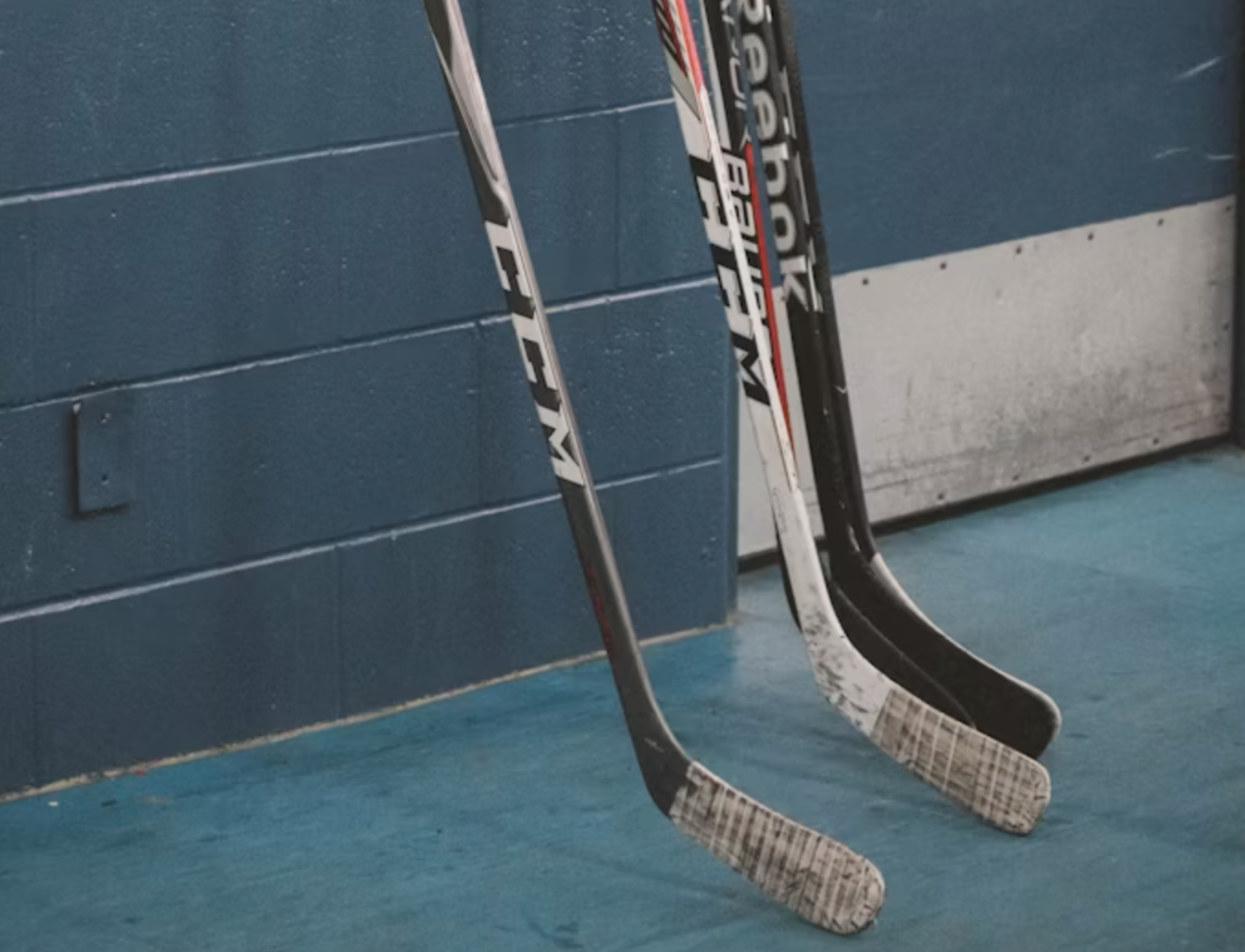
The key to understanding the limited immediate impact on Minnesota consumers lies in the globalization of hockey equipment manufacturing. Despite Canada being home to two of the world’s largest hockey gear brands, Bauer and CCM, the production of most sticks and equipment has shifted away from North America. Asian and Central American countries now dominate the assembly of these products, with China, Vietnam, and Mexico being the primary exporters of hockey sticks to the U.S.
"The Minnesota Trade Office believes most hockey sticks and equipment imported to the U.S. will be exempt from the 50% tariff," stated a spokesperson for the office. This is because U.S. tariffs are determined by the country of origin—where a product is manufactured or undergoes "substantial transformation"—rather than the company’s headquarters or point of shipment.
Jeff Hall, a goalie coach and operator of Edina-based equipment store Stauber’s Goalcrease, elaborated on this shift: "As soon as Trump, in his first term, started a trade war with China, a lot of these factories were quick to up and move their production to other factories in Vietnam. So that’s where most of the sticks come from."
Minnesota’s Hockey Footprint and the Cost of the Game
Hockey is an inherently expensive sport. A single high-quality hockey stick can cost upwards of $400, and young players often go through multiple sticks per season due to breakage or growth. Mark Norman, president of sporting goods store All-Star Sports in New Hope, Minnesota, underscored the financial strain: "An additional 50% fee would ‘put them way out of the ballpark.’ They’ve got to be affordable to keep these kids playing."
Data from the 2025-2026 season highlights the significant participation of young athletes in hockey in Minnesota. More than 60,000 Minnesotans under the age of 19 participated in hockey, representing 10% of all USA Hockey-registered players. For these families, the cumulative cost of equipment is substantial, making affordability a critical factor in maintaining participation.
Navigating the Nuances of Trade Policy
The confusion among Minnesota hockey stores regarding the new tariffs is palpable. Norman expressed a common question: "Is it Canadian companies, regardless of where the stuff is made?" The answer, as clarified by the Minnesota Trade Office, is no. The tariffs are tied to the origin of manufacture.
The Minnesota Trade Office, while still awaiting the finer details of the new tariff regulations, anticipates that only goods definitively manufactured in Canada will be subject to the 50% Section 338 tariffs. Products manufactured in other countries, such as Vietnam, would likely fall under existing Vietnamese import duties. It is important to note that the Trump administration has also recently announced an additional 12.5% surcharge on goods made in Vietnam and China, replacing Vietnam’s previous 10% tariff, further complicating the global trade landscape.
Historical Precedents and Industry Adaptations
This is not the first time Minnesota’s "State of Hockey" has navigated the complexities of U.S.-Canada trade disputes. In 2025, a previous round of tariffs imposed by the Trump administration on Canadian goods had tangible effects. Ice rinks in Mankato and Willmar experienced significant cost increases on renovations, some reaching as high as $13,000. Sporting goods stores like All-Star Sports faced supply chain disruptions, with limitations on ordering directly from Canadian distributors if the items were not available through U.S. distribution channels.
"If Canada had what we wanted, but the U.S. distribution didn’t have it, they wouldn’t let us order it," Norman recalled.
Major manufacturers like Bauer and CCM have historically mitigated the impact of such tariffs by leveraging their overseas manufacturing facilities and established U.S. distribution networks. Fairfax Financial Holdings, the Canadian holding company that acquired Bauer’s owner Peak Achievement Athletics in 2024, reported no "significant impacts" from previous U.S.-imposed Canadian tariffs in its 2025 financial report, a testament to their adaptive global operational strategy.
Potential Impacts on Smaller Manufacturers and Specialty Stores
While large corporations may have the infrastructure to absorb or circumvent these new tariffs, smaller brands and specialty hockey stores could face more significant challenges. Roustan Hockey, one of the few remaining Canadian hockey stick manufacturers that exports approximately 100,000 sticks annually to the U.S., and True Hockey, a supplier of custom goalie gear to stores like Stauber’s Goalcrease, are examples of businesses that might be disproportionately affected.
"That might be an issue," Hall commented regarding True Hockey’s Montreal factory. "They’re already way behind on production." The added layer of tariffs could exacerbate existing production and supply chain bottlenecks for these niche manufacturers.
Broader Economic and Geopolitical Context
The imposition of these tariffs, even on a relatively small portion of bilateral trade, carries significant weight in the context of broader economic and geopolitical relations. The U.S. and Canada have a long-standing and deeply intertwined trading relationship, with Canada consistently being the United States’ top trading partner for decades. The value of sporting equipment exported from Canada to Minnesota alone reached nearly $33 million between 2021 and 2024, according to the Canadian government’s trade database.
However, the dynamics of the hockey stick market illustrate a significant shift. In 2025, China exported over $63 million worth of hockey sticks to the U.S., according to the International Trade Commission, dwarfing Canadian exports in this specific category. This data further reinforces the rationale behind the Minnesota Trade Office’s assessment that the direct impact on U.S. hockey consumers from tariffs on Canadian-manufactured hockey sticks is likely to be minimal.
The strategy behind such targeted tariffs is often multifaceted. While aimed at creating economic pressure, they also serve as a potent symbolic gesture in a trade relationship deeply rooted in cultural similarities, none more so than hockey. As the USMCA negotiations continue, these tariff actions underscore the complex and often delicate nature of international trade diplomacy, where economic levers are frequently employed alongside symbolic actions to achieve desired outcomes.
For now, Minnesota’s passionate hockey community can breathe a collective sigh of relief, at least concerning immediate price hikes on their essential equipment. However, the ongoing trade discussions and the potential for further policy shifts mean that the landscape of the sporting goods industry remains dynamic and subject to the ebb and flow of international relations. The "State of Hockey" will continue to monitor these developments closely, understanding that affordability and accessibility are paramount to the future of the sport at all levels.