admin
admin
The modern labor landscape is undergoing a profound transformation, with independent contractors constituting an increasingly significant segment of the workforce. Recent data indicates that approximately one out of every ten workers operates as an independent contractor, a figure that underscores the pervasive nature of this employment model across various industries. This burgeoning reliance on a flexible, project-based workforce necessitates a clear understanding of the independent contractor paradigm for businesses seeking to leverage specialized talent while maintaining stringent compliance standards. As the gig economy expands and the demand for agile operations grows, virtually every business will, at some juncture, engage with or employ independent contractors, making a nuanced approach to their management not merely beneficial but essential.
Defining the Independent Contractor: A Fundamental Distinction
At its core, an independent contractor is an individual or entity that performs services for another business under a contract, rather than as an employee. Unlike traditional employees, independent contractors typically operate their own businesses, possessing a greater degree of autonomy over how, when, and where their work is performed. This fundamental distinction carries significant implications, particularly concerning taxation, benefits, and legal obligations. Independent contractors are responsible for their own Social Security and Medicare taxes, collectively known as self-employment tax, in addition to their income tax liabilities. This contrasts sharply with employees, whose employers withhold these taxes directly from their paychecks. The absence of traditional employee benefits, such as health insurance, paid time off, and retirement plans, is another hallmark of the independent contractor relationship.
The Internal Revenue Service (IRS) and the Fair Labor Standards Act (FLSA) provide strict guidelines to differentiate between an employee and an independent contractor. These guidelines are designed to prevent misclassification, which can lead to substantial penalties for businesses. The IRS primarily uses a three-category test: behavioral control, financial control, and the type of relationship. Behavioral control examines whether the business has the right to direct or control the work performed. Financial control assesses whether the business controls the business aspects of the worker’s job, such as how the worker is paid, whether expenses are reimbursed, and who provides tools/supplies. The type of relationship looks at factors like written contracts, provision of employee benefits, and the permanency of the relationship. Understanding and rigorously applying these criteria is paramount for businesses to avoid the severe legal and financial repercussions associated with misclassifying workers.
The Expanding Horizon: Context and Chronology of the Gig Economy
The rise of the independent contractor workforce is not a sudden phenomenon but the result of decades of evolving economic conditions, technological advancements, and changing worker preferences. Historically, independent contractors were primarily found in highly specialized fields like construction or consulting. However, the advent of the internet and digital platforms in the late 20th and early 21st centuries dramatically accelerated this trend, giving birth to what is now commonly referred to as the "gig economy." Platforms like Uber, Airbnb, and various freelance marketplaces have democratized access to independent work, allowing individuals to offer services on a flexible, on-demand basis.
This growth has been fueled by several factors. For businesses, engaging contractors offers flexibility to scale operations up or down quickly, access specialized skills without the overhead of full-time employment, and potentially reduce labor costs by avoiding benefits and payroll taxes. For workers, the appeal often lies in autonomy, flexible hours, and the ability to pursue diverse projects. The global financial crisis of 2008-2009 also played a role, pushing many individuals into independent work out of necessity or as a supplementary income source.
The regulatory landscape has struggled to keep pace with this rapid evolution. A significant chronological development was California’s Assembly Bill 5 (AB5), enacted in 2020, which codified the "ABC test" for determining independent contractor status, making it considerably more difficult for businesses to classify workers as contractors. This legislation, while primarily state-level, sparked national debate and legislative efforts, influencing discussions around worker classification at the federal level, including proposals like the PRO Act. These legislative actions underscore the ongoing tension between fostering business flexibility and ensuring adequate worker protections in a rapidly changing labor market.
Supporting Data and Economic Impact
The statistics surrounding the independent workforce highlight its significant economic footprint. While the "one in ten" figure from 2018 provided an early snapshot, more recent analyses suggest a continued upward trajectory. Reports from organizations like the Freelancers Union and Upwork consistently show that the percentage of the U.S. workforce engaged in some form of freelance or independent work has been steadily growing, often reaching 35-40% when considering those who engage in independent work as a primary or secondary source of income. Projections indicate that this trend will continue, with some forecasting that the majority of the U.S. workforce could be freelance by the middle of the 21st century.
This workforce contributes hundreds of billions of dollars annually to the national economy. Industries experiencing particularly high rates of independent contractor engagement include technology, marketing, creative arts, transportation, and professional services. The flexibility offered by contractors allows businesses in these sectors to innovate rapidly, respond to market demands efficiently, and tap into a global talent pool. However, this growth also presents challenges, particularly in ensuring fair labor practices and tax compliance across a diverse and often dispersed workforce.
Official Responses and Regulatory Scrutiny
Government agencies, particularly the IRS and the Department of Labor (DOL), have intensified their scrutiny of worker classification. Their official stance emphasizes strict adherence to established criteria to protect workers from potential exploitation and ensure businesses fulfill their tax obligations. The IRS frequently conducts audits focusing on worker classification, imposing significant back taxes, penalties, and interest on businesses found to have misclassified employees as independent contractors. The DOL, under the FLSA, also actively investigates misclassification, which can result in liabilities for unpaid minimum wages, overtime, and other employee benefits.

State-level responses have varied, with some states adopting more stringent tests like California’s AB5, while others maintain more traditional common-law tests. Labor organizations and advocacy groups have consistently voiced concerns about the erosion of worker benefits and protections through misclassification, pushing for legislative changes that would grant independent contractors more rights or make it harder for businesses to avoid employee classification. Conversely, business groups often advocate for greater flexibility, arguing that overly strict classification rules stifle innovation and economic growth. This ongoing dialogue underscores the complex interplay of economic realities, worker rights, and regulatory frameworks.
Navigating Engagement: Best Practices for Businesses
Successfully integrating independent contractors into business operations requires a structured and compliant approach. The following best practices, drawing from legal requirements and operational efficiency, are crucial for any business engaging with the independent workforce.
1. Meticulous Documentation: Collecting Essential Paperwork
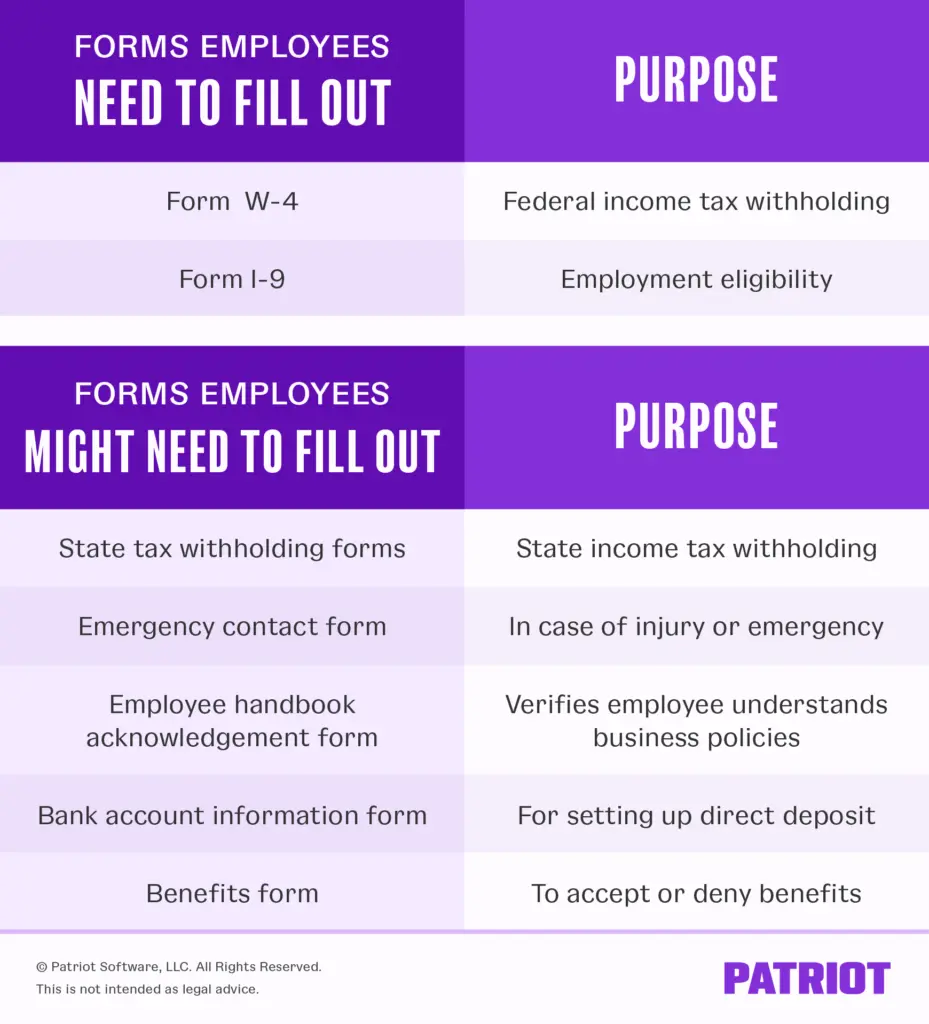
Just as with traditional employees, the engagement process with an independent contractor must begin with meticulous documentation. The cornerstone of this is IRS Form W-9, Request for Taxpayer Identification Number and Certification. This form provides critical information about the contractor, including their legal name, business name (if applicable), address, and Taxpayer Identification Number (TIN), which can be a Social Security Number (SSN) or Employer Identification Number (EIN).
The W-9 is indispensable for accurate tax reporting. Businesses are generally required to report nonemployee compensation of $600 or more paid to a single contractor in a calendar year. This threshold, currently set at $600, is slated to increase to $2,000 beginning in 2026, as per recent legislative changes, affecting payments reported on Form 1099-NEC. The information gathered from Form W-9 directly facilitates the accurate completion of IRS Form 1099-NEC, Nonemployee Compensation, at year-end. It is crucial to remember that Form W-9 is for internal records only and should never be submitted to the IRS. Maintaining these records for several years is essential for audit preparedness.
2. Foundation of Engagement: Establishing a Comprehensive Contract
Unlike employees who operate under a general job description, independent contractors require a clearly defined scope of work, responsibilities, and terms of engagement. This is best achieved through a robust, legally binding independent contractor agreement or contract. This document serves as the blueprint for the project, protecting both parties by formalizing expectations and obligations.
A comprehensive contract should explicitly detail:
- Scope of Work: A precise description of the services to be performed, deliverables, and specific project goals.
- Payment Terms: Clear articulation of compensation structure (hourly, project-based), rates, invoicing procedures, and payment schedule.
- Project Timeline and Milestones: Agreed-upon deadlines, intermediate checkpoints, and the overall duration of the engagement.
- Intellectual Property (IP) Rights: Provisions clarifying ownership of work product, ensuring the business retains rights to materials created.
- Confidentiality and Non-Disclosure: Clauses protecting proprietary business information.
- Termination Clause: Conditions under which either party can terminate the agreement.
- Indemnification: Protections for both parties against potential liabilities.
- Independent Contractor Status Affirmation: Explicit language confirming the worker’s independent status, disclaiming an employer-employee relationship, and outlining the contractor’s responsibility for their own taxes and insurance.
Thorough discussion of these terms with the contractor before project commencement is vital to preempt misunderstandings and ensure a smooth working relationship.
3. The Lifeline of Collaboration: Proactive and Clear Communication
Effective communication is the bedrock of any successful business relationship, and it holds particular importance when working with independent contractors. Given the often-remote or project-based nature of these engagements, establishing clear communication protocols from the outset is imperative.
Businesses should define:
- Preferred Communication Channels: Email, project management software, video conferencing, or a combination.
- Reporting Frequency: Weekly progress reports, bi-weekly check-ins, or milestone-based updates.
- Feedback Mechanism: How and when feedback will be provided and received.
Consistent, clear, and concise communication helps to resolve issues promptly, prevent project delays, and ensure alignment with project objectives. Regular check-ins, while not micromanagement, demonstrate engagement and provide opportunities for course correction.
4. Strategic Oversight: Discussing Project Status and Milestones
While independent contractors dictate the means of their work, businesses retain the right to define the results. Therefore, discussing and agreeing upon project status and milestones is crucial for effective project management without infringing on the contractor’s autonomy.
Setting clear, measurable goals and intermediate milestones allows both parties to track progress effectively. These discussions should focus on deliverables, deadlines, and any roadblocks encountered, rather than the minute details of how the work is executed. This approach maintains the contractor’s independence while ensuring the project remains on schedule and meets quality standards.
5. Respecting Autonomy: Avoiding Micromanagement
Perhaps one of the most critical aspects of managing independent contractors, both for productivity and legal compliance, is to avoid micromanagement. Overly controlling the how and when of a contractor’s work can inadvertently blur the lines between an independent contractor and an employee, increasing the risk of misclassification.
Businesses should trust contractors to manage their own work processes, tools, and schedules. The focus should be on the outcome and the deliverables, not on the process. Instead of constant hovering, rely on the established communication channels and milestone discussions. Provide feedback and input as needed, but always respect the contractor’s professional judgment and autonomy. Empowering contractors fosters productivity and reinforces their independent status.
6. Tax Compliance: Issuing Form 1099-NEC Annually
A non-negotiable legal obligation for businesses engaging independent contractors is the annual issuance and filing of Form 1099-NEC. As noted, if a business pays a contractor $600 or more for nonemployee compensation during a calendar year (or $2,000 or more beginning in 2026), this form must be prepared.
Form 1099-NEC includes vital information such as:
- The payer’s (business’s) name, address, and TIN.
- The recipient’s (contractor’s) name, address, and TIN.
- The total amount of nonemployee compensation paid during the year.
- Classification of the type of payment (e.g., services performed).
Businesses must diligently track all payments made to contractors throughout the year. The deadline for sending Form 1099-NEC to applicable contractors and filing it with the IRS is typically January 31st of the year following the payment year. Failure to meet this deadline or inaccurately report payments can lead to penalties.
7. Operational Excellence: Maintaining Organized Contractor Records
Maintaining comprehensive and organized records is fundamental for any well-run business, and this principle extends emphatically to independent contractor engagements. Accurate record-keeping is not just good practice; it is a critical component of legal compliance and operational efficiency.
Businesses should organize and securely store:
- Completed Form W-9s: For every contractor engaged.
- Signed Contracts/Agreements: Detailing terms, scope, and payment.
- Invoices and Payment Records: Documenting all transactions.
- Communication Logs: Records of emails, meeting summaries, and progress reports.
- Project Deliverables: Copies of completed work or documentation of services rendered.
- Performance Reviews or Feedback: Any formal or informal assessments.
These records are invaluable in case of an IRS or DOL audit, legal dispute, or simply for internal project management and financial reconciliation. Utilizing robust accounting software or a dedicated digital filing system can streamline this process, ensuring that critical information is readily accessible and securely stored.
Broader Impact and Future Implications
The continued growth of the independent workforce has profound implications for the broader economy, legal frameworks, and the future of work. For businesses, the ability to tap into specialized, flexible talent pools offers a competitive edge in an increasingly dynamic global market. However, this flexibility must be balanced with robust compliance strategies to mitigate the significant risks of misclassification. The legal and financial repercussions of failing to properly classify workers can be severe, including back taxes, penalties, and potentially costly litigation.
For independent contractors themselves, while the allure of autonomy and flexibility is strong, the absence of traditional employee benefits and protections presents challenges. Discussions around portable benefits, universal healthcare, and new forms of worker organizations are gaining traction as policymakers and advocates seek to create a more equitable environment for the independent workforce.
Looking ahead, the independent contractor model is likely to evolve further. Technological advancements, particularly in artificial intelligence and automation, could create new categories of independent work and shift the demand for specific skills. Regulatory bodies will continue to grapple with how to best define and protect workers in this evolving landscape. Businesses that proactively embrace best practices for engaging and managing independent contractors—focusing on clear contracts, consistent communication, respect for autonomy, and rigorous compliance—will be best positioned to thrive in this new era of work. The independent workforce is not a fleeting trend but a fundamental shift, demanding strategic foresight and meticulous execution from all stakeholders.