Pevita Pearce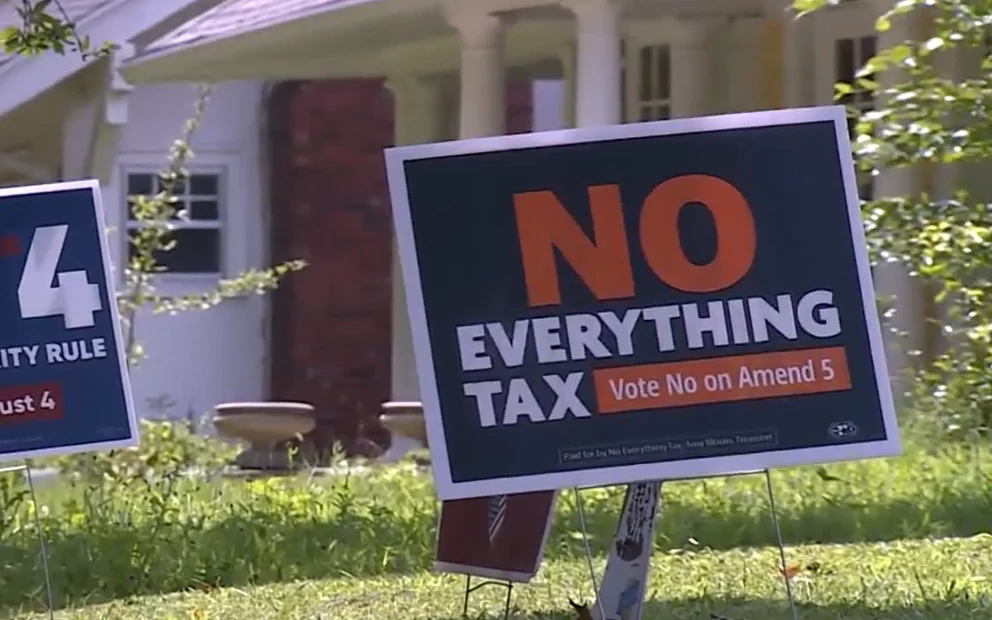
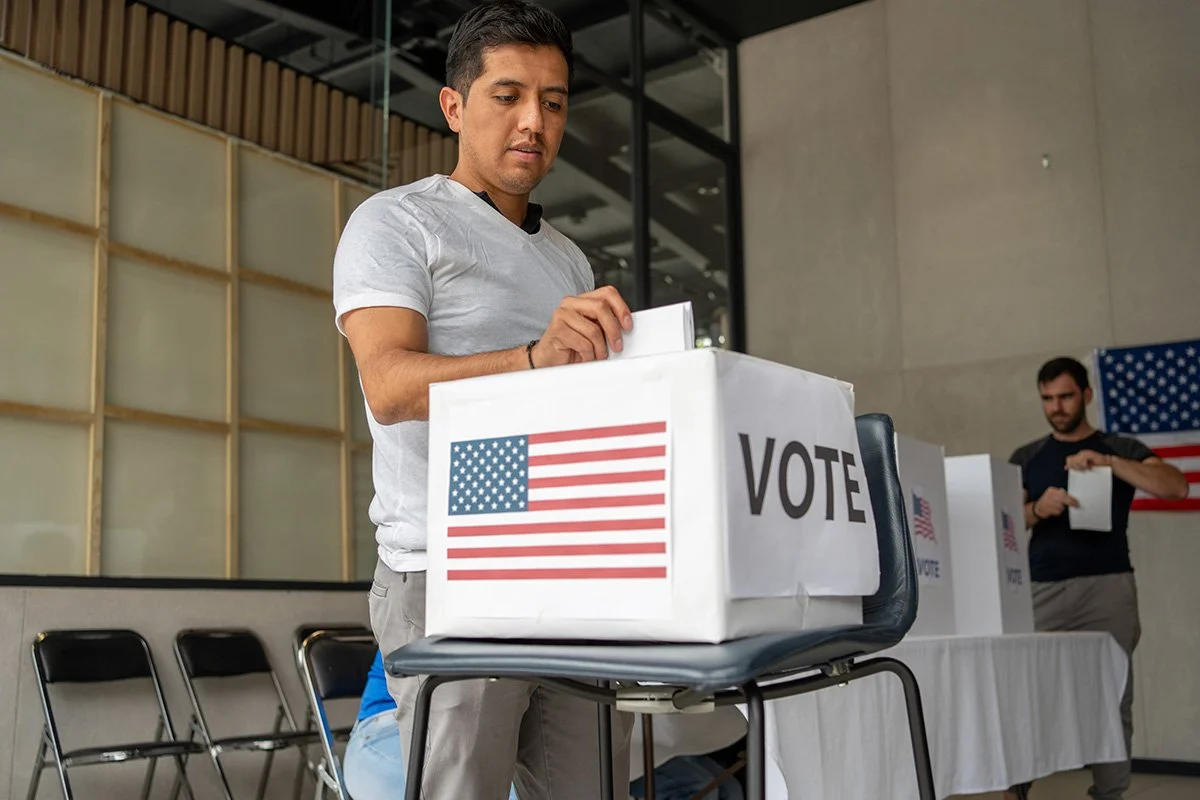
Missouri voters have decisively rejected a significant constitutional amendment that sought to eliminate the state’s individual income tax and replace it with an expanded sales and use tax system. The proposal, championed by Republican Governor Mike Kehoe as a cornerstone of his economic agenda, failed to gain traction, with preliminary results indicating an overwhelming 83% of ballots cast against Amendment 5. The election results were called at 8:15 p.m. on Tuesday, signaling a clear mandate from the electorate against the proposed fiscal shift.
The ambitious measure, Amendment 5, would have granted the Missouri General Assembly the authority to expand sales and use taxes without requiring further voter approval. The stated objective was to generate sufficient revenue to offset the approximately $9 billion annually collected through the state’s current 4.7% individual income tax. Proponents argued that such a transition would make Missouri more competitive and attractive to businesses and residents by removing a direct tax on earnings.
However, opposition to the amendment was robust, with critics arguing that the shift would disproportionately burden lower-income Missourians. Their concerns centered on the potential for lawmakers to enact new sales and use taxes on a wide array of currently untaxed goods and services. Furthermore, opponents feared that the existing state sales tax rate of 4.225% could be increased significantly to compensate for the loss of income tax revenue, making everyday necessities more expensive for working families.
Governor Kehoe’s Vision and the Road to the Ballot
Governor Mike Kehoe had positioned the elimination of the state income tax as a bold step towards modernizing Missouri’s fiscal structure and fostering economic growth. His administration’s rationale was rooted in the belief that a consumption-based tax system, characterized by lower individual income tax burdens, could stimulate investment and employment. The governor’s office had been actively advocating for this approach, framing it as a necessary reform to adapt to a changing economic landscape.
The journey to place Amendment 5 before voters was a significant legislative undertaking. The proposal emerged from discussions within the Republican-controlled legislature, where there has been a consistent push to reduce the state’s tax burden. Proponents argued that eliminating the income tax would provide immediate relief to taxpayers and incentivize economic activity, drawing parallels to states that have adopted similar tax structures. The estimated $9 billion in annual income tax revenue represents a substantial portion of Missouri’s state budget, making its replacement a complex fiscal challenge.
The Core of the Debate: Tax Burden and Economic Impact
At the heart of the debate surrounding Amendment 5 lay the fundamental question of who would bear the brunt of the state’s tax obligations. Opponents, including various consumer advocacy groups and some bipartisan tax policy analysts, voiced strong concerns about the regressive nature of sales taxes. They pointed out that lower-income households typically spend a larger percentage of their income on taxable goods and services compared to higher-income households, who tend to save or invest a greater portion of their earnings.
The prospect of broadening the sales tax base to include services, which are often consumed by middle and upper-income individuals, was also a point of contention. Critics argued that while this could diversify revenue, it could also lead to an increase in the overall cost of living for all Missourians. The existing sales tax rate, combined with local sales taxes, already places a notable burden on consumers in many parts of the state. The amendment’s provision allowing for increased sales tax rates without direct voter consent was a significant red flag for many.
Election Day Verdict: An Overwhelming Rejection
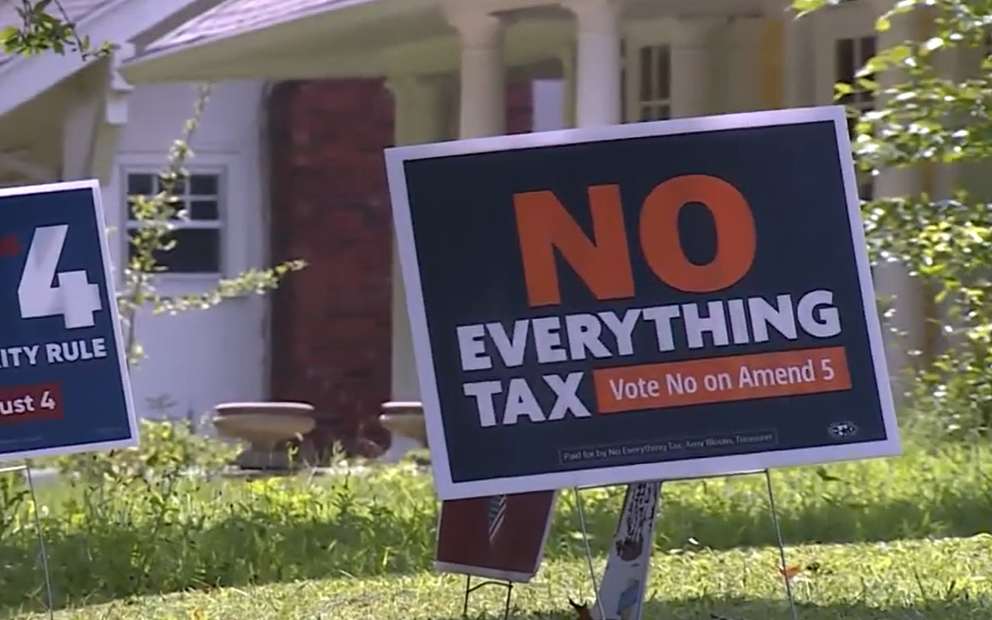
The election on Tuesday delivered a clear and resounding message from Missouri voters. The overwhelming defeat of Amendment 5 underscores a widespread apprehension about the potential consequences of such a radical fiscal realignment. The 83% rejection rate is a stark indicator that the arguments presented by the "no" campaign resonated more strongly with the electorate.
While the precise tabulation of all votes will continue, the preliminary results provided by election officials at 8:15 p.m. leave little room for interpretation. The outcome suggests that voters prioritized the perceived stability and fairness of the existing income tax system over the promised benefits of an expanded sales tax model, particularly given the potential for increased tax burdens on essential goods and services.
Governor Kehoe’s Response and Future Outlook
In the wake of the decisive vote, Governor Mike Kehoe acknowledged the outcome but reiterated his commitment to tax reform and economic competitiveness. In a statement released Tuesday evening, he remarked, "Throughout this conversation on eliminating the state income tax, we made the case that Missouri should think boldly about its future, challenge the status quo, and pursue policies that make our state more competitive."
He continued, "While Amendment 5 did not earn the support it needed, I believe our work is far from over. I remain committed to working with the General Assembly in the years ahead on ways to continue cutting taxes, growing our state’s economy, and pursuing conservative policies that help Missouri families keep more of what they earn."
This statement suggests that while this specific proposal has been defeated, the underlying aspiration to reduce or eliminate the state income tax may persist within the governor’s office and among his allies in the legislature. However, the magnitude of Tuesday’s rejection will likely prompt a reassessment of strategies and a need to build broader consensus for any future tax reform efforts.
Broader Implications and Future Fiscal Debates
The defeat of Amendment 5 has significant implications for Missouri’s fiscal policy and future legislative debates. It signals a potential resistance to fundamental shifts in the state’s tax structure, especially when perceived as potentially increasing the cost of living for average citizens.
The outcome may also embolden opponents of broad sales tax expansions and reinforce the arguments for maintaining a diversified tax base that includes income, sales, and property taxes. For policymakers, it highlights the importance of clearly communicating the potential impacts of tax proposals on different income groups and demonstrating how revenue replacement mechanisms would function in practice.
Moving forward, discussions about tax reform in Missouri will likely need to address the concerns raised by the opponents of Amendment 5. This could involve exploring alternative approaches to income tax reduction, such as gradual rate decreases or targeted tax relief, rather than a complete overhaul of the system. The robust opposition also suggests that any future attempts to significantly alter Missouri’s tax landscape will require more extensive public engagement and a more compelling demonstration of benefits across all socio-economic strata. The voters’ decision serves as a potent reminder of the careful balance required in shaping fiscal policy and the critical role of public opinion in such transformative decisions.