Pevita Pearce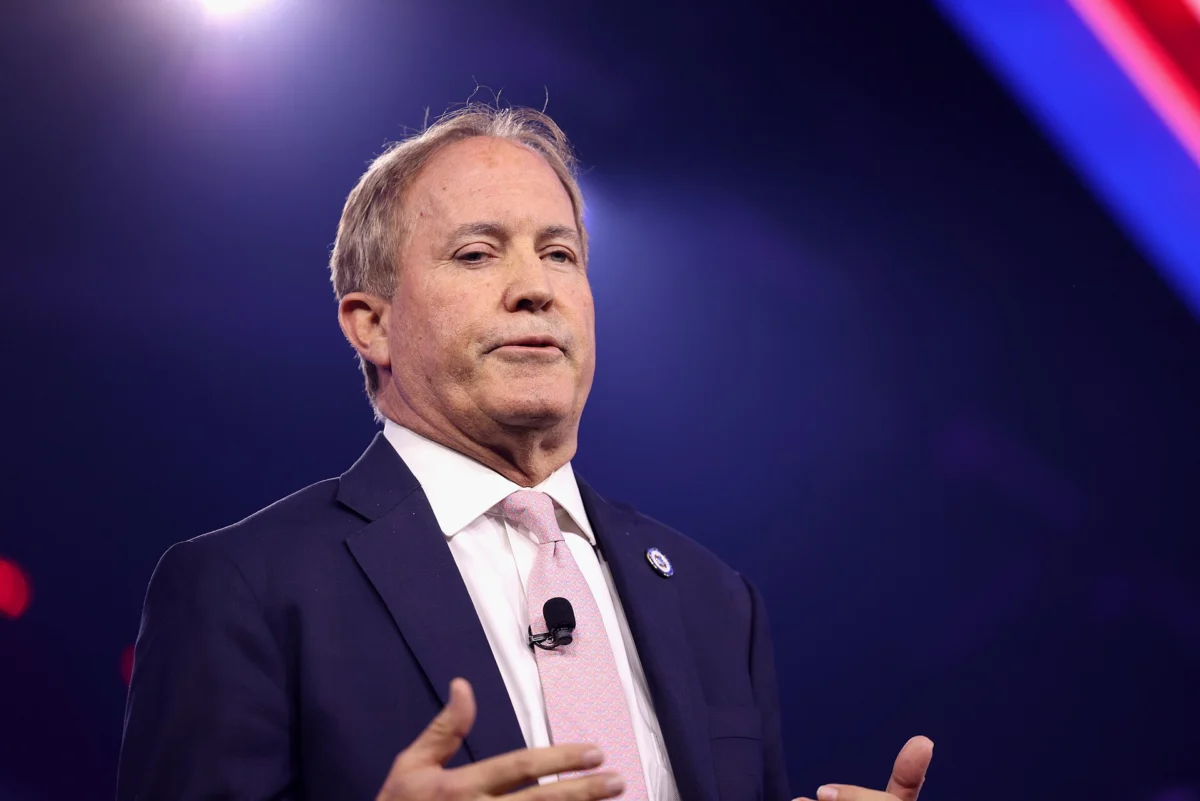
ALLEN, TX – Republican Senate nominee Ken Paxton, in a strategic shift during his campaign tour, has begun to articulate an economic proposal aimed at alleviating the financial burdens faced by Texas families, while simultaneously intensifying his criticism of Democratic rival James Talarico. The Attorney General, speaking to a substantial crowd at Matt’s Rancho Martinez, presented his plan to boost child tax credits as a direct response to what he described as the prohibitive cost of everyday life driven by Washington’s policies.
"We want to make it easier for you to take care of your children," Paxton declared, addressing hundreds of attendees who filled the venue on a Tuesday evening. While dedicating a brief portion of his remarks to the specifics of his economic agenda, Paxton quickly pivoted to a robust critique of Talarico, a tactic that has become a hallmark of his campaign rhetoric.
Paxton characterized Talarico as a "fake" politician attempting to portray himself as a moderate, while the "real Talarico," according to Paxton, is fundamentally out of step with the values of most Texans. He cited Talarico’s alleged opposition to fully funding police departments, his support for transgender women participating in women’s sports, and a reported statement that God is nonbinary as examples of Talarico’s perceived liberal extremism. "The fate of the entire country depends on how this election turns out," Paxton asserted. "It’s about whether we keep the Senate, or whether we’re going to tell the rest of the world that we’ve elected a socialist."
The campaign for Texas’s U.S. Senate seat is shaping up to be a pivotal contest, with economic policy and social issues at the forefront of the debate. Paxton’s initiative to highlight affordability comes at a time when inflation and the rising cost of living have become significant concerns for voters nationwide. His strategy appears to be leveraging these concerns to draw a stark contrast with Talarico, painting him as an out-of-touch liberal whose policies would further exacerbate economic difficulties for Texans.
In response to Paxton’s economic proposal and his campaign attacks, the Talarico campaign issued a statement. "The idea that Ken Paxton, a multimillionaire who owns 15 properties, has suddenly decided to care about Texans’ pocketbooks on his 479th day of running for U.S. Senate is laughable," a spokesperson for Talarico remarked. This statement directly challenges Paxton’s sincerity and highlights his personal wealth, suggesting a disconnect between his proposed policies and his own financial standing.
Paxton’s unveiling of his economic plan occurs against a backdrop where President Donald Trump has frequently dismissed concerns about affordability, labeling them a "Democratic Party ‘hoax,’" a "made up word," and a "con job." Paxton’s embrace of an affordability platform, therefore, represents a nuanced approach within the Republican party, potentially seeking to appeal to a broader base of voters who are feeling the pinch of the current economic climate.
The rally in Allen marks the inaugural stop on a four-city tour dedicated to promoting Paxton’s economic plan. Future engagements are scheduled in Houston, San Antonio, and McAllen, signaling a deliberate effort to disseminate his message across diverse regions of Texas.
Last week, Paxton initially introduced his proposal through a television advertisement, where he squarely blamed Washington for "making it harder than ever to get ahead." He articulated a vision where the American Dream is increasingly out of reach due to escalating costs for essential goods and services, ranging from housing to healthcare.
Key Components of Paxton’s Affordability Plan
At its core, Paxton’s economic proposal is centered on providing tangible tax relief for families. The plan advocates for new tax credits designed to ease the financial strain associated with significant life expenses. The primary components of this strategy include:
- Enhanced Child Tax Credits: This element of the plan aims to directly support families with children, providing them with additional financial resources to cover childcare costs, educational expenses, and other child-rearing necessities. The exact proposed increase to the credit was not detailed in the initial announcement, but the intent is to offer a meaningful reduction in the tax burden for parents.
- Healthcare Expense Tax Breaks: Recognizing the rising costs of medical care, Paxton’s proposal includes provisions for tax deductions or credits related to health insurance premiums, out-of-pocket medical expenses, and potentially long-term care. This aims to make healthcare more accessible and affordable for individuals and families.
- Housing Down Payment Assistance: The plan suggests tax incentives to help individuals and families save for and afford down payments on homes. This could manifest as a tax credit for savings dedicated to a down payment or deductions for mortgage interest on primary residences. The goal is to facilitate homeownership, a cornerstone of the American Dream.
- Family Benefits Tax Credits: Beyond child-specific credits, Paxton’s proposal may encompass broader tax relief for families, potentially addressing expenses related to education, elder care, or other family support needs. The overarching objective is to acknowledge and alleviate the multifaceted financial challenges that families encounter.
Political and Economic Context of the Proposal
The discussion around economic relief for American families has emerged as a rare bipartisan issue in the current election cycle. Both Democrats and Republicans have acknowledged the growing challenges posed by inflation and the rising cost of goods and services.
Senate Democrats, for instance, have previously advocated for an increase in the Child Tax Credit, a stance that Talarico has also adopted. This suggests a shared understanding of the need to provide direct financial support to families, although the proposed mechanisms and the scope of such support may differ significantly between the parties.
Talarico’s own platform addresses affordability through a distinct set of policy prescriptions. His agenda includes proposals to increase taxes on billionaires and corporations, raise the federal minimum wage, establish a federal public health insurance program, and implement measures to curb rent inflation by targeting corporate landlords. These proposals reflect a Democratic approach that emphasizes government intervention and wealth redistribution to achieve economic equity.
Talarico, a state representative, is scheduled to hold a rally in Arlington to unveil his "New American Dream" agenda, further underscoring the centrality of economic themes in this senatorial race.
Financial Implications and Economic Philosophy
A notable aspect of Paxton’s plan is the absence of specific details regarding its funding mechanisms or the projected cost to the federal government. When questioned by reporters in Allen, Paxton expressed his belief that tax cuts can ultimately stimulate the economy, leading to increased revenue rather than deficits.
"I never believe that tax cuts necessarily mean you have less money in the treasury, because often if people are able to keep more of their money, they spend it, and it runs through the economy," Paxton stated. This perspective aligns with supply-side economic theories, which posit that reducing the tax burden on individuals and businesses encourages investment, consumption, and overall economic growth.
Paxton acknowledged the presence of inflation, attributing it directly to the policies of the Biden administration. He emphasized that the rising costs of groceries and the challenges associated with homeownership are creating significant hardships for many Americans. "We need to do what we can to help regular Texas families get through it," he remarked.
Campaign Dynamics and Political Alliances
The event in Allen, which featured a large turnout according to campaign organizers, represented the most significant North Texas gathering for Paxton’s Senate campaign to date. The enthusiastic crowd’s energy was palpable, with the ambient noise making some of Paxton’s remarks nearly inaudible to reporters present.
Paxton was introduced by State Rep. Jeff Leach, R-Allen. Leach, who previously served as a prosecutor in Paxton’s 2023 Senate impeachment trial, is also a notable supporter of Senator John Cornyn, having endorsed him during a closely contested Republican primary. Leach’s endorsement and participation in the rally signal a complex political landscape within the Texas Republican party, with alliances and past affiliations playing a role in current endorsements. "Let’s come together, let’s fight, and let’s win," Leach urged the attendees.
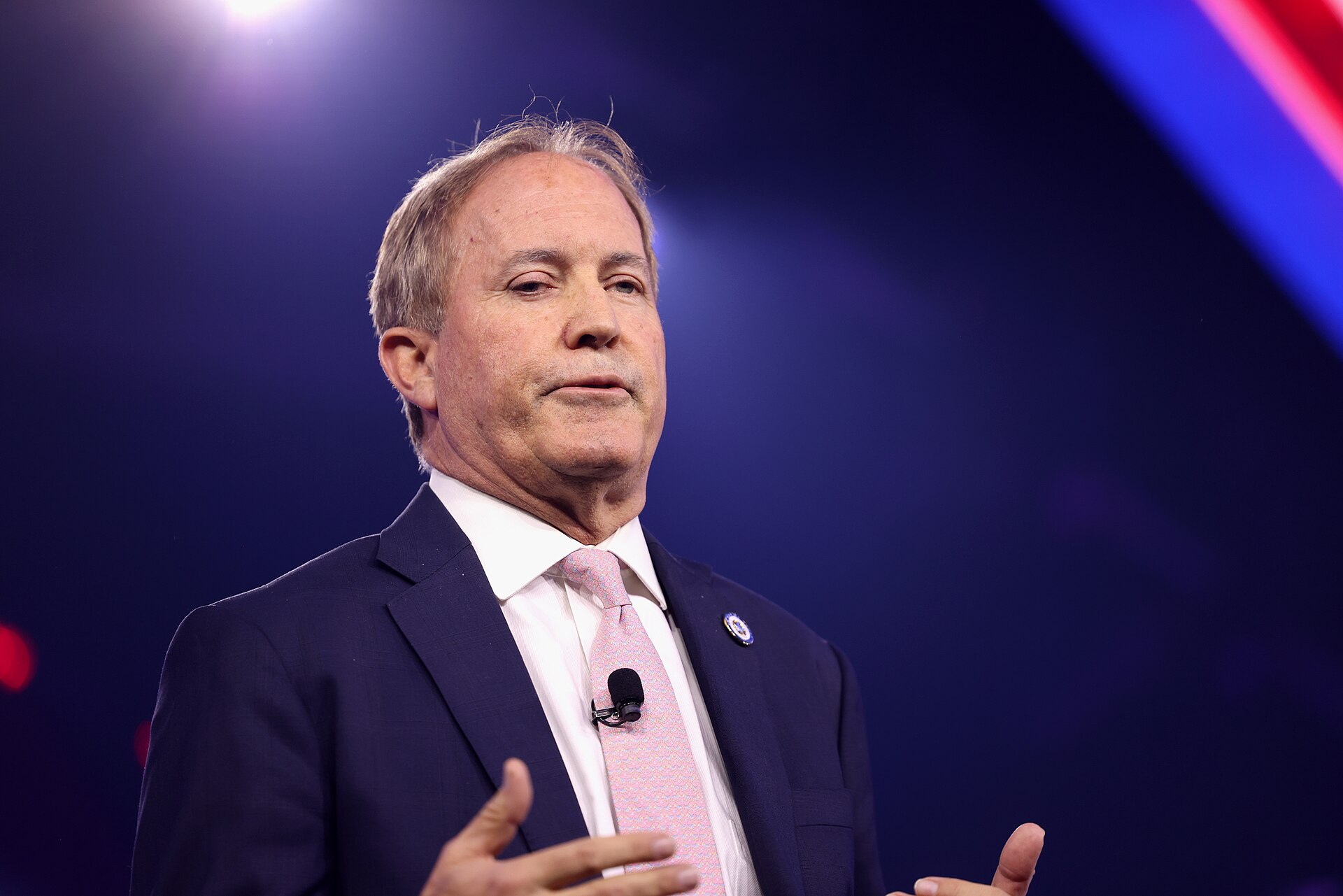
The photo accompanying this report, sourced from Gage Skidmore via Wikimedia Commons, depicts Texas Attorney General Ken Paxton speaking at the 2024 AmericaFest in Phoenix, Arizona. This visual provides context to Paxton’s public appearances and his engagement with conservative audiences.
Broader Implications and Voter Sentiments
The framing of the economic debate by both candidates highlights the diverse approaches to addressing economic anxieties. Paxton’s focus on tax relief and his criticisms of Talarico’s progressive policies aim to energize the Republican base and appeal to moderate voters concerned about economic stability. Talarico’s agenda, conversely, seeks to mobilize Democratic voters and progressive independents by proposing more expansive government programs and policies aimed at wealth redistribution and social equity.
The outcome of this Senate race could have significant implications for the balance of power in Washington and for the direction of economic policy in the United States. As the campaign progresses, voters will weigh the candidates’ proposed solutions for economic challenges against their broader political ideologies and their perceived ability to deliver tangible relief. The emphasis on affordability by both candidates underscores its prominence as a key issue for Texans and a critical battleground in the upcoming election. The contrast in their proposed solutions – tax cuts versus increased social spending and regulation – offers voters a clear choice regarding the future economic direction of the state and the nation.
The extensive engagement by both candidates on economic issues, including Paxton’s multi-city tour and Talarico’s upcoming agenda reveal, indicates a strategic understanding of voter priorities. As the election draws closer, the effectiveness of these economic messages and the candidates’ ability to connect with the concerns of everyday Texans will likely be a decisive factor in the outcome of this closely watched Senate contest.
The underlying tension in the race also reflects broader ideological divides within the Republican party itself, particularly concerning the role of government in the economy and the most effective strategies for fostering prosperity. Paxton’s embrace of an affordability platform, while critical of federal spending, suggests an effort to bridge these internal divides and present a united front against the Democratic challenger.
This election cycle, therefore, is not merely a contest between two individuals but a referendum on competing visions for the Texas economy and its place within the national economic framework. The effectiveness of Paxton’s tax credit proposal and Talarico’s suite of affordability measures will be closely scrutinized by voters as they make their decisions in the voting booth. The campaign’s trajectory, marked by intense rhetoric and policy proposals, promises a dynamic and closely contested race leading up to election day.