Lina Irawan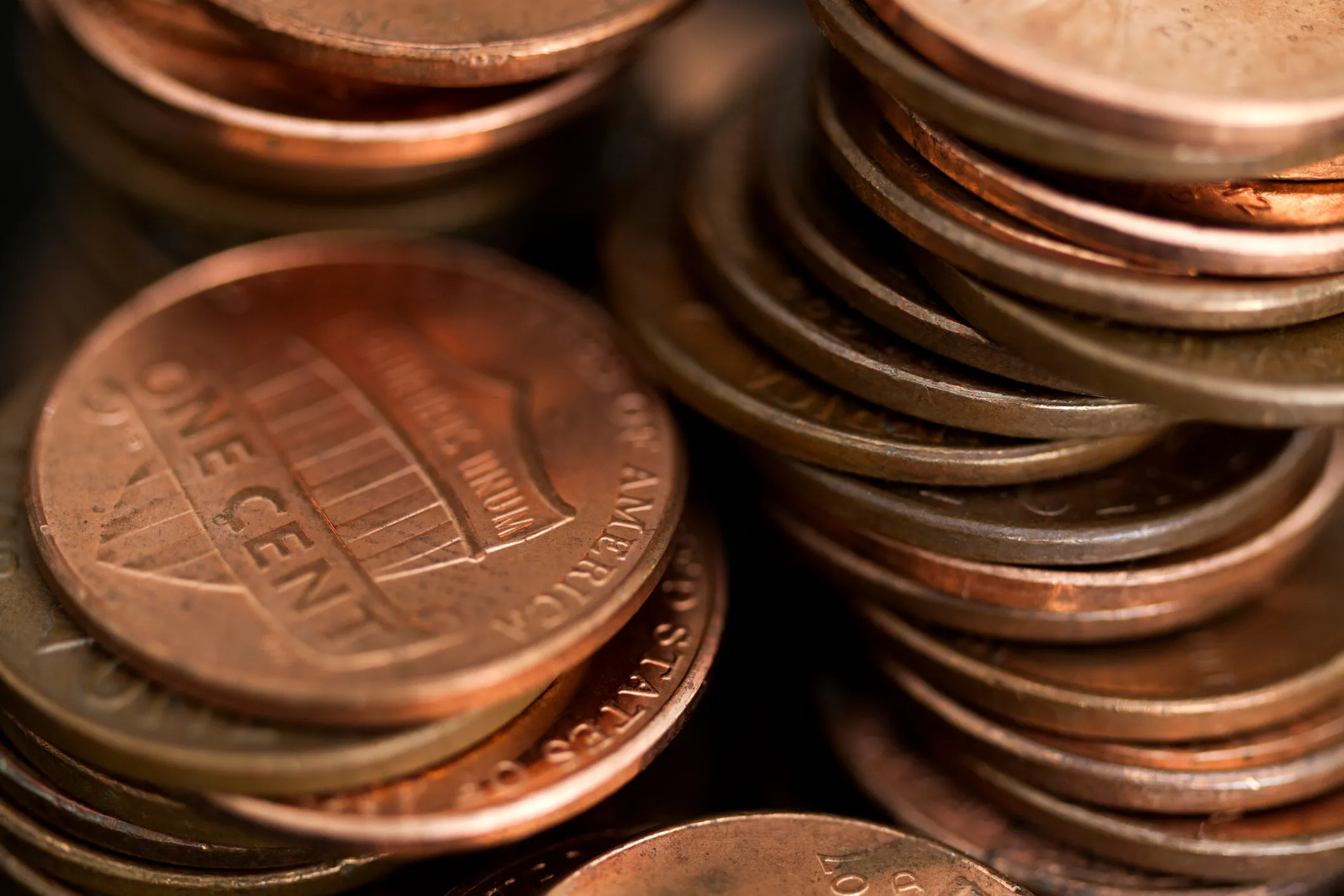
The era of newly minted one-cent coins in the United States officially concluded in November 2025, marking the end of a protracted debate driven by economic inefficiencies and shifting consumer habits, as the U.S. Mint ceased production of the ubiquitous copper-plated zinc coin. This decision, long anticipated by economists and policymakers, stemmed primarily from the phenomenon of negative seigniorage, where the cost to manufacture a penny consistently exceeded its face value of one cent. While existing pennies remain legal tender and are expected to circulate for years to come, their cessation of production has prompted millions of Americans to consider the fate of the countless coins currently sitting in jars, drawers, and vehicle cup holders across the nation. For those holding onto a stash, now is a critical juncture to evaluate the various options for utilizing, saving, or even repurposing these soon-to-be historical artifacts.
A Brief History of the American Penny
The one-cent coin holds a unique and enduring place in American history, having been a continuous part of the nation’s currency since 1793. Initially struck from pure copper, the penny underwent numerous design and composition changes over two centuries. The familiar Lincoln cent, first introduced in 1909 to commemorate Abraham Lincoln’s 100th birthday, became the longest-running design in U.S. coinage. Its composition evolved significantly over time: from bronze (95% copper, 5% tin and zinc) for much of its early life, to steel during World War II due to copper shortages, and finally to its modern iteration as a copper-plated zinc coin (97.5% zinc, 2.5% copper) in 1982. This shift to a cheaper base metal was an early attempt to mitigate rising production costs, but it ultimately proved insufficient to prevent the coin from becoming a financial liability for the Mint. For generations, the penny was not just currency but a symbol, often associated with thrift, good luck, and a tangible representation of small value. Its presence in everyday transactions was foundational to the American economic experience.
The Economic Imperative: Why the Penny Had to Go
The debate over the penny’s utility and cost has spanned decades, intensifying significantly in the 21st century. The primary driver for its discontinuation was simple economics: it cost more to produce than it was worth. By 2006, the U.S. Mint reported that manufacturing a penny cost 1.23 cents, a figure that fluctuated but consistently remained above its face value, sometimes reaching as high as 2.4 cents per coin in peak years. This negative seigniorage meant that the U.S. Treasury was losing millions of dollars annually simply to keep the penny in circulation.
Beyond direct production costs, economists and efficiency experts pointed to several other factors contributing to the penny’s obsolescence:
- Transaction Costs: Handling pennies adds time to cash transactions for both consumers and retailers, slightly slowing down commerce. Studies have indicated that the cumulative time spent by Americans handling pennies amounts to billions of dollars in lost productivity.
- Inflation: The purchasing power of a penny has eroded dramatically since its inception. What a penny could buy in the late 18th century would require several dollars today, rendering it largely useless for individual purchases.
- Public Opinion: Surveys conducted over the past two decades consistently showed a growing segment of the American population favoring the elimination of the penny, often citing its nuisance value and the fact that many people simply discard them or store them away. A 2014 study by the group Americans for Common Cents, however, found slightly more support for keeping the penny, indicating a divided public.
- Environmental Concerns: The mining of zinc and copper, along with the energy consumed in the manufacturing process, also contributed to the argument against its continued production, albeit a secondary consideration compared to financial costs.
Countries like Canada, Australia, New Zealand, and several European nations have already successfully phased out their lowest denomination coins, offering precedents for the U.S. transition. Canada, for instance, eliminated its penny in 2013, implementing a rounding system for cash transactions, which has largely been adopted without significant public outcry or economic disruption.
The Official Timeline to Discontinuation
The path to the penny’s retirement was a gradual one, punctuated by legislative attempts and internal Treasury reviews:
- Early 2000s: Calls for the penny’s elimination gain traction among economists and advocacy groups.
- 2006: The U.S. Mint publicly acknowledges the negative seigniorage problem, revealing the penny’s production cost exceeds its value.
- 2010s: Multiple legislative proposals are introduced in Congress to cease penny production or alter its composition further, none gaining sufficient traction to pass.
- 2023: Following extensive internal reviews and a comprehensive cost-benefit analysis, the Treasury Department, in conjunction with the U.S. Mint, announces its intention to halt penny production. The decision is framed as a fiscal responsibility measure.
- November 2025: The U.S. Mint formally ceases all production of new one-cent coins. Existing pennies remain legal tender indefinitely.
- August 2026: This article is published, nearly a year after the cessation, observing the initial phase of the transition.
Navigating the Transition: What to Do with Your Existing Pennies
With billions of pennies still in circulation and no new ones being added, a crucial question for many households is how to best manage their existing stash. The options range from immediate conversion to long-term preservation, each with its own advantages.
1. Cash in Your Pennies: Convert Loose Change into Usable Funds
The most straightforward approach for many is to convert their accumulated pennies into more practical denominations. While the thought of counting and rolling hundreds or thousands of pennies can be daunting, several avenues make this process relatively painless:
- Banks and Credit Unions: Most financial institutions will accept rolled coins from their account holders, often without a fee. Some larger branches may even have coin-counting machines available for customer use. It’s advisable to call ahead to confirm their policy and services.
- Coin-Counting Machines: Services like Coinstar, widely available in grocery stores and retail outlets, offer a convenient way to convert loose change into cash, e-gift cards, or even charitable donations. While Coinstar typically charges a fee (often around 11-12% for cash conversions), some users find the convenience outweighs the cost, especially for large volumes of coins. Opting for a gift card option can sometimes waive the fee. Even a small jar of pennies can surprisingly total upwards of $20-$50, making this a simple way to reclaim otherwise dormant money.
2. Spend Them While They’re Still Accepted: Gradual Reduction
Despite the cessation of production, pennies remain legal tender. This means they can still be used for everyday transactions, provided businesses are willing to accept them.
- Practical Use: Integrate pennies into your daily spending. When making cash purchases, especially those ending in .01 to .09 cents, use your pennies to make exact change. This not only reduces your stash but can also be helpful for cashiers who might be low on small change.
- Challenges: It’s important to acknowledge that many consumers and businesses have already begun to avoid pennies due to their low value and the inconvenience of handling them. Some retailers may already round cash transactions to the nearest nickel, even if not officially mandated. However, diligently spending them where accepted is a practical, no-fuss method to gradually diminish your collection.
3. Save Your Pennies for the Future: A Numismatic Outlook
For those with an interest in history or collecting, holding onto pennies, particularly certain types, could prove to be a rewarding long-term strategy. With no new coins entering circulation, the existing supply will slowly dwindle due to loss and destruction, potentially increasing the rarity of certain issues.
- Collectible Value: While the vast majority of pennies will not dramatically increase in value, certain specific coins are already sought after by numismatists. These include:
- Error Coins: Pennies with minting errors (e.g., double dies, off-center strikes, planchet errors) can fetch significant premiums.
- Key Dates and Mint Marks: Certain years or mint marks (like the 1909-S VDB, 1914-D, 1931-S, 1943 steel cents, or 1955 doubled die) are already highly valuable.
- Pre-1982 Copper Pennies: Pennies minted before 1982 are composed of 95% copper. As copper prices fluctuate, their intrinsic metal value can sometimes exceed their face value. While melting U.S. coins for their metal content is illegal, these older pennies are of interest to some for their higher copper content.
- Hobby and Education: Exploring coin collecting can transform a simple pile of spare change into an engaging hobby, offering insights into history, economics, and metallurgy. Resources are abundant for beginners to identify potentially valuable coins.
4. Put Them Toward Savings or Investing: Building Financial Habits
Pennies, individually small, can collectively contribute to larger financial goals, fostering sound money habits.
- Traditional Savings Jar: The classic method of saving loose change in a jar or piggy bank remains a viable, low-effort way to accumulate funds. Periodically deposit the accumulated amount into a savings account, watching it grow over time. This tangible act of saving can be particularly effective for children learning about money.
- Micro-Investing Apps: Modern financial technology offers a digital equivalent. Apps like Acorns, for instance, round up debit and credit card purchases to the nearest dollar and invest the difference. While not directly using physical pennies, the principle of leveraging small, often unnoticed amounts for long-term growth is identical. This demonstrates how even the smallest sums, when consistently managed, can contribute to significant financial portfolios.
5. Donate Your Pennies: Philanthropy and Community Support
For those who prefer not to deal with pennies at all, donating them to charitable causes is a noble and impactful alternative. Many charities, schools, and non-profit organizations regularly conduct "penny drives" or accept loose change.
- Collective Impact: While a single jar of pennies may seem like a modest contribution, the cumulative effect of thousands of such donations can significantly support meaningful causes, from local food banks to national research initiatives. Many organizations specifically target these small donations, understanding their collective power. This option not only declutters your home but also provides a simple way to engage in philanthropy.
6. Get Creative with Practical Uses: Beyond Currency
Pennies possess surprisingly versatile physical properties that extend their utility beyond monetary transactions. They can be repurposed for various practical and artistic endeavors around the home.
- Household Fixes: A penny can serve as a makeshift shim to stabilize a wobbly table or chair leg. Its edge can act as a temporary screwdriver for slotted screws in a pinch. They are also excellent for checking tire tread depth (the "Lincoln test").
- DIY Projects and Crafts: Pennies are a popular medium for creative projects:
- Countertops and Flooring: Adhering pennies to surfaces, often sealed with epoxy resin, creates unique and durable decorative finishes for countertops, backsplashes, or even small floor sections.
- Art and Decor: They can be arranged into mosaic patterns for wall art, tabletops, or decorative coasters. Their distinctive copper sheen (even if plated) offers an attractive aesthetic.
- Home Improvement: Pennies can be used as temporary spacers when laying tiles, adding small weights to curtains to improve their drape, or even as components in custom jewelry or sculptures.
These creative applications offer a way to save money on materials for small projects while also giving new life to coins that might otherwise sit idle.
7. Hold Onto Your Pennies for Nostalgia: Preserving a Piece of History
For many Americans, pennies are more than just currency; they are deeply woven into the fabric of personal and national history. With production now halted, they are poised to become less common in everyday transactions, transitioning from active money to historical artifacts.
- Sentimental Value: Keeping a small collection of pennies can serve as a tangible keepsake, a reminder of a coin that has been in circulation for generations and played a significant role in American commerce and culture. For children, it can be a tangible link to a past form of currency. This act of preservation offers a connection to history and a personal memento of an era passing.
Broader Implications: A Penny-Free Economy
The cessation of penny production carries several broader implications for the American economy and consumer behavior.
- Rounding of Cash Transactions: The most immediate and significant change will be the widespread adoption of rounding for cash transactions to the nearest five cents. This system, already in place in countries like Canada, means that totals ending in 1, 2, 6, or 7 cents will typically be rounded down to the nearest nickel, while those ending in 3, 4, 8, or 9 cents will be rounded up. While some initial concerns about potential "rounding inflation" exist, studies from other countries indicate minimal overall impact on consumer spending or pricing, as the rounding tends to balance out over multiple transactions. Electronic transactions (credit, debit, digital payments) will remain unaffected, continuing to process exact amounts.
- Impact on Retailers: Retailers will need to update their point-of-sale systems and train staff on new cash handling procedures. While this represents an initial adjustment, many businesses are expected to welcome the change, as it reduces the time spent handling low-value coins and simplifies cash register management.
- Charitable Giving: Organizations that rely on "spare change" donations may need to adapt their fundraising strategies. However, the success of digital donation platforms and larger denomination coin drives suggests that the spirit of small-sum philanthropy will endure, simply shifting its medium.
- Psychological Shift: The absence of the penny might subtly alter consumer perceptions of value, potentially leading to less meticulous tracking of very small price differences. Over time, the "cost" of a penny will no longer be a tangible concept for younger generations.
Expert and Official Reactions
The U.S. Mint and Treasury Department have framed the decision as a fiscally responsible and overdue modernization of the nation’s coinage system, aligning the U.S. with global trends. "This move ensures that our coinage system remains efficient and cost-effective for taxpayers," stated a representative from the Treasury, emphasizing the millions saved annually. Economists, on balance, have largely supported the move, citing improved transactional efficiency and the elimination of a persistent economic drain. Retail associations have generally expressed readiness to adapt, anticipating a smoother cash transaction process once the initial transition period is complete.
In conclusion, the penny may no longer be produced, but it is far from useless. With billions of these coins still in existence, Americans have a range of practical, financial, and even sentimental options for how to manage their collections. Whether cashing them in for immediate use, strategically spending them down, investing them for the future, preserving them as historical artifacts, or repurposing them creatively, making a conscious decision about your pennies is a small act that can still yield tangible benefits in a rapidly evolving monetary landscape. The penny’s retirement marks not an end, but a transformation, inviting both practicality and a touch of nostalgia into how we view our smallest denomination.