admin
admin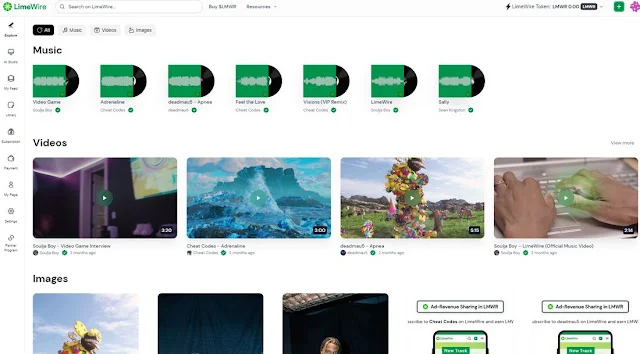
In a strategic pivot that marks one of the most significant brand transformations in recent digital history, LimeWire, a name synonymous with the early 2000s’ peer-to-peer file-sharing phenomenon, has re-emerged as a cutting-edge generative Artificial Intelligence (AI) content publishing platform. This ambitious reincarnation positions LimeWire not merely as another entrant in the burgeoning field of AI tools but as a comprehensive ecosystem designed to empower creators, facilitate content generation, and pioneer innovative monetization pathways within the rapidly evolving digital landscape. The platform aims to democratize access to sophisticated AI content creation, offering users the ability to generate, share, and earn revenue from their digital works, initially focusing on AI-generated images with plans to expand into music and video.
A Phoenix from the Ashes: LimeWire’s Transformative Journey
The narrative of LimeWire’s re-emergence is as compelling as it is unexpected. For nearly a decade, the brand lay dormant, its previous iteration having been shuttered in 2010 following a landmark legal battle with the Recording Industry Association of America (RIAA) over copyright infringement. The original LimeWire was a dominant force in the nascent internet era, allowing millions of users worldwide to share digital files, primarily music, with unprecedented ease. Its popularity underscored a growing demand for accessible digital content, but its unregulated nature ultimately led to its demise amidst intense legal scrutiny and significant financial penalties, culminating in a permanent injunction. This historical context is vital to understanding the scale of the current transformation; the new LimeWire has consciously distanced itself from its controversial past, embracing a future built on licensed content, creator empowerment, and blockchain-verified ownership.
The strategic decision to re-enter the digital arena as an AI-powered content platform reflects a keen awareness of current technological trends and market demands. The generative AI sector has experienced exponential growth since mid-2022, fueled by breakthroughs in large language models and image synthesis capabilities from entities like OpenAI (DALL-E 2), Stability AI (Stable Diffusion), and Midjourney. This surge has not only captivated public imagination but also highlighted a burgeoning market for tools that simplify complex AI processes, making them accessible to a broader audience. Industry reports, such as those by Grand View Research, estimate the global generative AI market size to reach over $100 billion by 2030, growing at a compound annual growth rate (CAGR) exceeding 35%. LimeWire’s re-launch in this environment, particularly with a strong emphasis on creator monetization and NFT integration, positions it at the intersection of several high-growth industries: AI, the creator economy, and Web3 technologies. A spokesperson for LimeWire, during its initial re-launch announcements in 2022, emphasized the brand’s commitment to "building a new digital economy for creators, powered by AI and blockchain technology, learning from the past to innovate for the future."
Empowering the Modern Creator: Core Features of LimeWire Studio
At the heart of the new LimeWire is the LimeWire Studio, a dedicated hub designed for creators to unleash their artistic potential using AI. The platform provides a comprehensive suite of tools that currently specialize in AI image generation, promising a future expansion into AI music and video creation. This phased rollout strategy allows LimeWire to refine its initial offerings while building anticipation for a more comprehensive multimedia creation suite, aiming to capture a broader segment of the digital content market.
The AI image generation tools within LimeWire Studio are built upon advanced models, including industry leaders such as Stable Diffusion 2.1, Stable Diffusion XL, and DALL-E 2. This multi-model approach offers users significant flexibility and access to state-of-the-art generative capabilities, allowing for diverse artistic outcomes. Creators can initiate their projects with prompts ranging from simple keyword descriptions to highly detailed instructions, guiding the AI to produce images that align with their specific artistic vision. This level of control, combined with the inherent power of these AI models, enables both novice and experienced artists to produce high-quality visual content without requiring extensive technical knowledge or traditional artistic skills. The accessibility of such sophisticated tools marks a significant step towards democratizing digital art creation, aligning with the broader trend of "no-code" or "low-code" creative platforms.
A distinguishing feature of LimeWire’s AI image generation capability is its seamless integration of various design styles. Users can effortlessly toggle between different aesthetic paradigms such as cinematic realism, digital art, pixel art, anime, and analog film, among others. Each style imbues the generated artwork with a distinct visual identity, broadening the creative palette available to users and fostering experimentation. Furthermore, the platform incorporates advanced features like samplers for fine-tuning image quality and detail, alongside intuitive customization options and prompt guidance, all contributing to a user-friendly interface. This focus on accessibility and versatility underscores LimeWire’s mission to empower a wide spectrum of creators, from hobbyists to professional artists, to leverage generative AI.
Adding to its commitment to innovation, LimeWire is actively developing its proprietary AI model. This ongoing research and development effort signals a long-term vision for enhancing the platform’s unique capabilities and ensuring it remains at the forefront of AI-driven content creation. Such an investment suggests a strategic move to differentiate its offerings further and provide even more specialized tools tailored to its creator community, potentially offering unique styles or capabilities not available elsewhere.
Pioneering New Revenue Streams: Monetization and the Web3 Economy
Perhaps the most revolutionary aspect of the new LimeWire is its integrated approach to creator monetization, which combines traditional ad revenue sharing with cutting-edge Non-Fungible Token (NFT) technology and its own cryptocurrency, LMWR tokens. This multi-faceted monetization strategy is designed to provide creators with diverse avenues to earn revenue from their digital creations, moving beyond traditional content platforms that often offer limited earning potential. This hybrid model aims to capture the best of both Web2 (ad revenue) and Web3 (NFTs, crypto) economies.
Upon creating content, users have the option to publish it directly on the LimeWire Studio. A crucial feature at this stage is the platform’s automated NFT minting process. Once a creator chooses to publish their work, LimeWire automatically mints the creation as an NFT on either the Polygon or Algorand blockchain. This automatic conversion imbues each piece of digital art with a unique, verifiable digital signature, securing its authenticity and establishing immutable proof of ownership on a decentralized ledger. This process significantly lowers the barrier to entry for creators wishing to participate in the NFT market, eliminating the complexities typically associated with manual minting, such as setting up a crypto wallet or understanding gas fees. The choice of Polygon and Algorand, known for their lower transaction costs and higher scalability compared to Ethereum, further enhances accessibility for creators and collectors.
Creators maintain granular control over the accessibility of their NFT creations. They can opt for a public release, making their content discoverable by a global audience and fostering community engagement. Publicly released NFTs can then be traded by enthusiasts within the LimeWire ecosystem, generating a vibrant secondary market. Critically, creators earn a 2.5% royalty each time their content is traded on the platform, providing a continuous income stream that rewards the long-term value and popularity of their work. This royalty structure is a significant incentive, allowing creators to benefit from the ongoing demand for their art. Alternatively, creators can choose to share their posts exclusively with premium subscribers, creating a more intimate and personalized experience for their dedicated fanbase and offering exclusive content as a subscriber benefit. This flexibility in content distribution empowers creators to tailor their monetization strategies to their specific audience and content type, whether they seek broad exposure or exclusive engagement.
Beyond NFT sales and royalties, LimeWire offers an ad revenue sharing model that is particularly attractive to content creators. When a creator publishes content, they are eligible to receive a significant portion of the ad revenue generated from other users viewing their images, music, and videos on the platform. Specifically, creators can earn up to 70% of all ad revenue, a percentage that surpasses many established content platforms like YouTube or Twitch, which typically offer creators around 50-55%. This model incentivizes frequent content creation and engagement, providing a steady income stream for designers and artists who actively use the AI generation tools. Even free users receive 50% of the ad revenue share, demonstrating a commitment to broad creator empowerment from the outset.
The financial backbone of this ecosystem is the LMWR token, LimeWire’s proprietary cryptocurrency. All earnings from ad revenue and potentially other platform-specific incentives are paid out monthly in LMWR tokens. These tokens are not confined to the LimeWire ecosystem; they are tradable on several popular crypto exchange platforms, including Kraken, ByBit, and UniSwap, providing creators with liquidity and control over their earnings. Furthermore, LMWR tokens can be used within the LimeWire platform to pay for prompts when utilizing the generative AI tools, creating a closed-loop economy that supports continuous creation and engagement. This utility within the platform, coupled with external tradability, aims to establish a stable demand for the token, distinguishing it from purely speculative cryptocurrencies.
Notable Adoptions and Market Impact
The platform has already garnered attention from established artists and musicians, signaling its potential to bridge the gap between traditional entertainment and the Web3 creator economy. Acclaimed artists such as Deadmau5, Soulja Boy, and Sean Kingston have embraced LimeWire Studio to publish their content, particularly in the form of NFT music, videos, and images. Their involvement lends significant credibility to the platform’s vision and its NFT integration strategy, suggesting that LimeWire could become a preferred destination for artists looking to experiment with new distribution and monetization models. The participation of such figures highlights a growing trend among mainstream artists to explore decentralized platforms and direct-to-fan engagement, bypassing traditional intermediaries and seeking greater control over their intellectual property and revenue streams.
The broader implications for the creator economy are substantial. LimeWire’s model represents a concerted effort to shift power dynamics, placing more control and earning potential directly into the hands of creators. By simplifying AI content generation and integrating robust monetization features, the platform aims to lower barriers to entry for aspiring artists while offering seasoned professionals new avenues for revenue. This move aligns with the increasing demand for transparent and equitable compensation models for digital content creators, a sentiment that has driven much of the innovation in the Web3 space. Analysts note that the creator economy, valued at over $100 billion in 2023, is ripe for disruption by platforms offering more favorable terms and innovative technologies like AI and blockchain.
Accessibility and Pricing Structure
LimeWire is committed to making its AI tools accessible to a broad user base, offering a free tier alongside a range of premium subscription plans. This tiered approach caters to different levels of engagement and creative needs, ensuring that individuals can participate regardless of their financial commitment.
The free tier allows users to sign up and immediately begin experimenting with the AI tools, providing 10 credits that translate to up to 20 AI image generations per day. Free users also benefit from a 50% share of ad revenue generated by their content. This entry-level access is crucial for onboarding new users and allowing them to experience the platform’s capabilities without financial commitment, fostering a large community of early adopters and casual creators.
For creators seeking more extensive resources and enhanced benefits, LimeWire offers several premium plans, each designed to scale with a creator’s ambitions:
- Basic Plan (e.g., $9.99/month): Typically includes 1,000 credits per month (up to 2,000 image generations), early access to new AI models, and a 50% ad revenue share.
- Standard Plan (e.g., $29/month): Offers 3,750 credits per month (up to 7,500 image generations), early access to new AI models, and an increased 60% ad revenue share.
- Pro Plan (e.g., $49/month): Provides 5,000 credits per month (up to 10,000 image generations), early access to new AI models, and a significant 70% ad revenue share.
- Elite Plan (e.g., $99/month): The highest tier, offering 11,250 credits per month (up to 22,500 image generations), early access to new AI models, and the maximum 70% ad revenue share.
All premium plans come with additional perks designed to enhance the creator experience, including a Pro profile badge, access to full creation history, faster image generation speeds, and an ad-free experience. This structured pricing ensures that creators can scale their usage and benefits according to their specific needs and ambitions, from casual experimentation to professional content production.
The Future of Creative Expression and Digital Ownership
LimeWire’s journey from a controversial file-sharing service to a pioneering generative AI and Web3 platform is a testament to the dynamic nature of the internet and the constant evolution of digital technology. Its current trajectory points towards a future where the lines between creator, technology, and monetization are increasingly blurred, creating new paradigms for artistic expression and economic opportunity.
The commitment to expanding its generative AI tools to include music and video creation is a significant harbinger of what’s to come. Once implemented, these features will unlock an even broader spectrum of creative possibilities, allowing artists to leverage AI across multiple media formats. Imagine AI-generated musical compositions paired with AI-synthesized visuals, all minted as NFTs and monetized through ad revenue, creating a truly multimodal and interactive digital asset. This holistic approach could position LimeWire as a central hub for the creation and distribution of complex AI-generated multimedia experiences, attracting a new wave of interdisciplinary artists.
However, the path forward is not without its challenges. The generative AI landscape is intensely competitive, with new tools and platforms emerging constantly. LimeWire will need to continuously innovate, refine its AI models, and enhance user experience to maintain its competitive edge. Furthermore, the integration of NFTs, while offering unique monetization opportunities, also places the platform within the volatile cryptocurrency market, which has experienced significant fluctuations in recent years. Public perception and regulatory scrutiny of both AI-generated content (especially concerning deepfakes and intellectual property rights, attribution, and potential misuse) and NFTs will also be critical factors influencing its long-term success. The platform will need to navigate evolving legal frameworks around AI content and digital ownership to ensure its longevity.
Despite these hurdles, LimeWire’s vision for a democratized, AI-powered creator economy, underpinned by transparent blockchain ownership and diversified revenue streams, represents a bold step forward. It offers a compelling glimpse into a future where anyone, regardless of their technical or artistic background, can harness advanced AI to create unique digital content and genuinely profit from their imagination. As the platform continues to evolve, it will be fascinating to observe how it shapes the future of digital content creation, ownership, and monetization, ultimately redefining what it means to be a creator in the digital age. The platform not only provides the tools but also the infrastructure for creators to thrive, transforming the promise of the creator economy into a tangible reality for a new generation of digital artists and innovators.